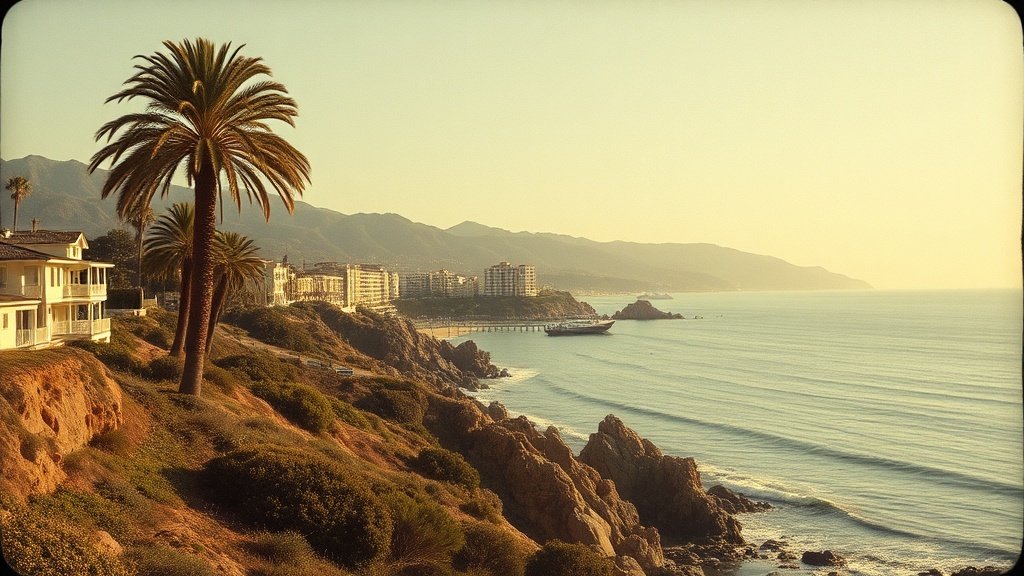
Malibu blends dramatic coastline, world-class surf, and a strong conservation ethic into one of the most sought-after coastal destinations. Whether you come for the waves, the hiking, or simply to soak up oceanfront views, knowing where to go and what to respect makes the experience richer.
Top beaches and coastal highlights
– Surfrider Beach: Famous for its long right-hand point break, this is a must for surfers and for watching classic longboard lines. The adjacent Malibu Pier offers a scenic vantage point and casual dining.
– Zuma Beach: Wide sand and reliable surf make Zuma ideal for family outings and beach sports. Lifeguards and ample parking help manage large crowds.
– El Matador State Beach: Dramatic sea stacks, sea caves, and tide pools reward those willing to navigate the steep stairs. Low tide offers the best access and photography opportunities.
– Point Dume State Beach & Preserve: Cliffs with panoramic views and seasonal wildflowers; it’s a favorite for whale-watching from the bluff during migration windows.
Outdoor adventures beyond the sand
Malibu is framed by the Santa Monica Mountains, giving hikers and climbers a variety of terrain. Trailheads at Solstice Canyon and Escondido Falls lead to lush canyons and waterfalls. Malibu Creek State Park offers longer routes through oak woodlands and a striking rock formation popular with climbers and birdwatchers. Pack water, wear sturdy shoes, and plan around tide and heat conditions.
Dining, shopping, and local flavor
The area mixes casual seafood shacks with high-end waterfront restaurants.
Pier-side cafés and the Malibu Country Mart are good bets for relaxed meals and boutique shopping. Local fish markets serve fresh catch, while beachfront eateries provide prime sunset seating—arrive early for the best tables.
Conservation and coastal challenges
Malibu’s coastal beauty comes with environmental responsibilities.
Coastal erosion, storm-driven sand changes, and wildfire risk shape how communities plan and adapt. Local and regional agencies, alongside community groups, work on beach restoration, water-quality programs, and habitat protection for sensitive species like shorebirds and native plants. Visitors can help by staying on marked paths, disposing of trash properly, and observing posted wildlife protections.
Practical tips for visiting
– Timing: Traffic along the Pacific Coast Highway can be heavy; mornings and weekdays are generally less congested. Allow extra time during weekends and holidays.
– Parking: Some popular beaches have limited parking; consider alternative lots or nearby commercial areas and walk in when possible.
– Safety: Ocean conditions vary—strong rip currents and sneaker waves occur. Swim near lifeguarded areas and heed posted warnings.
– Respect private property: Much of Malibu’s coastline borders private homes; public access points may be limited. Follow public access signs and use designated beach entrances.
Living and real estate notes
Malibu’s real estate attracts those seeking coastal living, but development is often constrained by environmental regulations and the need to protect public access. Homeowners and prospective buyers should be aware of coastal setbacks, bluff stability, and emergency evacuation routes.
Malibu remains a rare combination of rugged natural beauty and coastal culture. Whether you’re catching a surf session, exploring hidden coves, or hiking mountain trails, thoughtful planning and respect for the landscape ensure the place stays vibrant for visitors and locals alike.