Malibu blends dramatic coastal scenery, an active outdoors lifestyle, and a laid-back cultural vibe that keeps drawing visitors and residents alike. Famous for sweeping Pacific views and iconic surf breaks, the community also supports rich natural habitats, boutique dining, and an eclectic mix of shopping and arts — all within easy reach of the urban sprawl inland.
Beaches and surf
Malibu’s shoreline is dotted with standout beaches: a long stretch of sand for families, rock-strewn coves for photographers, and world-class surf points for experienced riders.
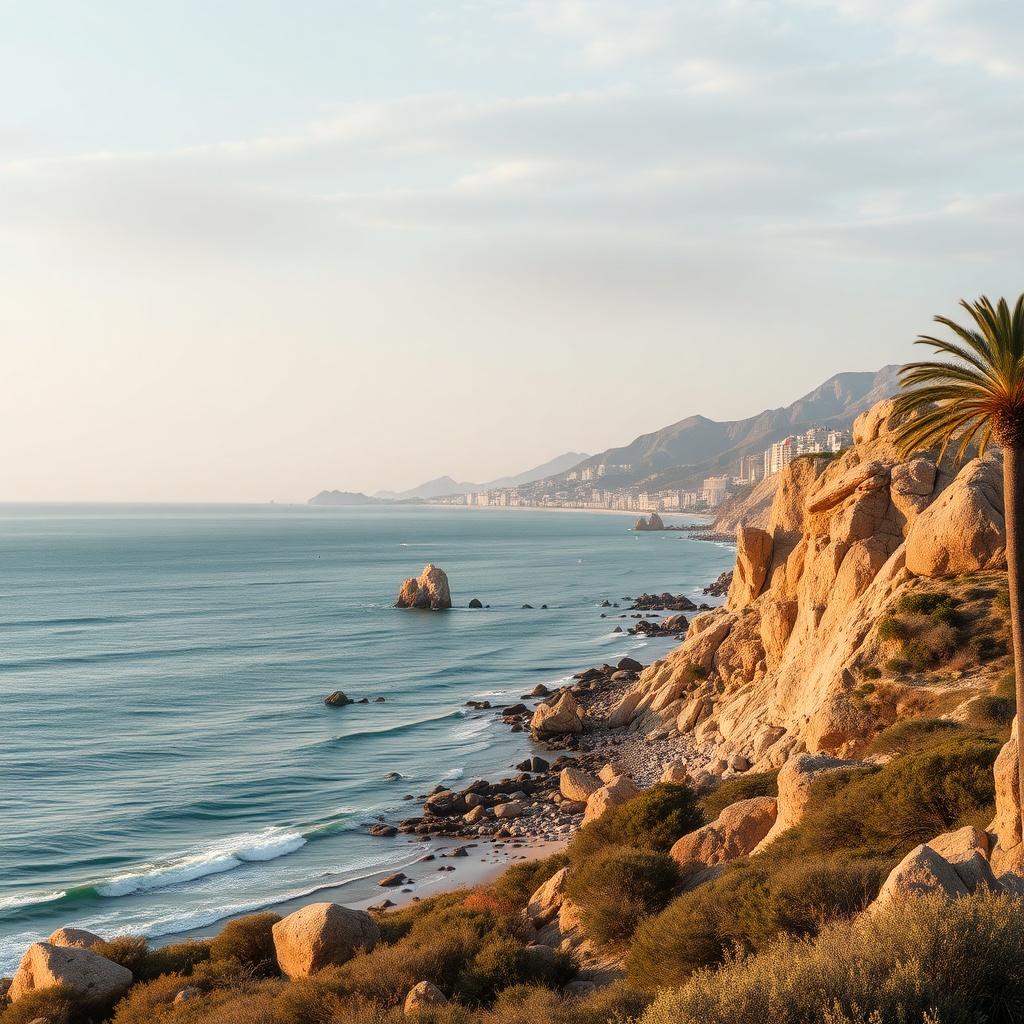
Surfrider Beach at the pier remains synonymous with longboard culture and classic point breaks. Zuma Beach offers broad sand and lifeguard services, while Point Dume and El Matador deliver dramatic cliffs, tide pools, and spectacular sunset vantage points. Parking can be limited; aim to arrive early and respect posted rules to keep these spaces accessible for everyone.
Hiking and outdoor recreation
The Santa Monica Mountains rise directly behind Malibu, providing a network of trails for hikers, trail runners, and mountain bikers. Popular routes lead to ocean overlooks, waterfall cascades, and native chaparral habitats.
Malibu Creek State Park and nearby canyons offer opportunities for longer day hikes, rock climbing, and birdwatching. Bringing water and sun protection is essential, and staying on designated trails helps protect sensitive plant and animal communities.
Food, shopping, and culture
A tight cluster of eateries and markets near the coast caters to a health-conscious and seasonal crowd: farm-to-table restaurants, seafood-forward cafes, and casual beachside fare.
The pier and nearby shopping districts offer artisanal goods, surf shops, and galleries showcasing local artists. For a quieter experience, explore side streets and small markets that spotlight local producers and independent makers.
Conservation and marine ecology
Malibu’s coastal waters host kelp forests, tide pools, and marine protected areas that support biodiversity and fisheries. Community groups, universities, and local agencies frequently run restoration projects for kelp and lagoon habitats, and volunteer opportunities are often available for those wanting to help. Respecting wildlife — keeping a safe distance from marine mammals, avoiding trampling tide pools, and using reef-safe sunscreen — supports long-term ecosystem health.
Wildfire awareness and resilience
The wildland-urban interface around Malibu means wildfire risk is a year-round concern. Home hardening, defensible space, and having an evacuation plan are critical for homeowners.
Local agencies provide resources for mitigation, and neighbors often collaborate on preparedness. When visiting, stay informed about road closures and avoid blocking evacuation routes.
Visitor tips and etiquette
– Arrive early for parking and quieter beach time; public transit and rideshares can reduce congestion.
– Pack out what you pack in; carry reusable containers and minimize single-use plastics.
– Respect private property and posted access restrictions; many coastal stretches border private land.
– Check tide charts before exploring tide pools and sea caves to stay safe.
– Support local businesses by choosing small cafes, markets, and makers.
Whether chasing waves, hiking ridge lines, or savoring coastal cuisine, Malibu rewards visitors who approach it with curiosity and care. With thoughtful planning and respect for both community and environment, a visit can be both memorable and responsible.