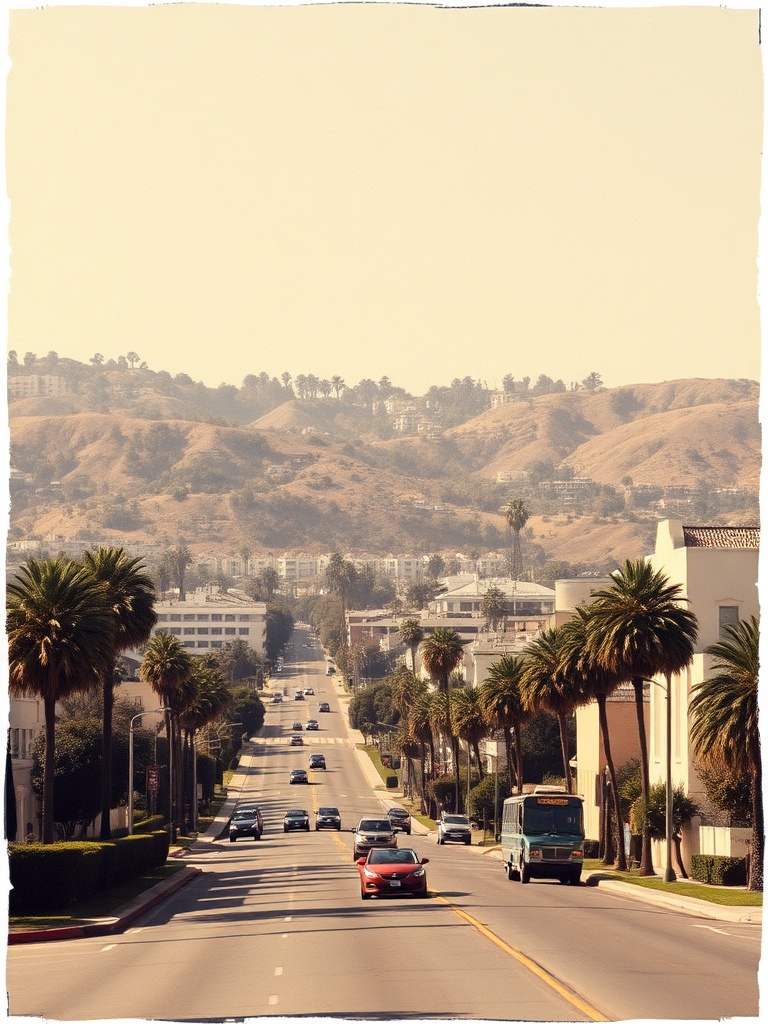
Los Angeles Reclaims Streets for People: Transit, Bike Lanes, Parklets and Equity

How Los Angeles Is Reclaiming Streets for People: Transit, Bikes, and Public Space

Los Angeles has a reputation for wide freeways and car culture, but the city’s street life is changing. Today, city planners, communities, and businesses are reshaping thoroughfares to prioritize people over vehicles—improving transit, expanding bike and scooter networks, and converting underused road space into parks and plazas.

These shifts are about mobility, equity, public health, and climate resilience.

Transit that competes with the car
Improved rapid bus corridors and rail extensions are making transit a more reliable option across neighborhoods from the eastside to coastal districts. Faster boarding, dedicated lanes, and upgraded stations shorten commutes and make transit more predictable. For riders, the biggest perks are reduced travel time and fewer transfers. Frequent service and real-time trip planning apps help make public transit feel like a practical, everyday choice rather than a last resort.

Micromobility and safer streets
Bikes and e-scooters have exploded as first- and last-mile options. Protected bike lanes are being added on busy corridors to create safer, contiguous networks. For everyday trips, bikes and scooters can be faster than cars during peak congestion and are pocket-friendly. Riders should follow local rules—helmet use where required, parking in designated racks, and yielding to pedestrians—to keep streets safe for everyone.

Public spaces from parking lanes
The pop-up plaza movement has converted parking lanes into vibrant public spaces with seating, shade trees, and programming such as markets and performances. These “parklets” and plazas reduce heat island effects, support local businesses by drawing foot traffic, and create safer, more inviting streetscapes. Community-driven projects often begin as temporary pilots and then become permanent fixtures when they demonstrate value.

Design for safety and equity
Vision-driven street redesigns prioritize vulnerable users—pedestrians, cyclists, seniors, and students—through traffic calming, safer crosswalks, and reduced vehicle speeds on neighborhood streets. Equity is central: transit investments and pedestrian improvements are increasingly targeted to corridors that historically lacked safe mobility options.

That means better access to jobs, schools, and services for communities that depend on walking and transit.

Climate-smart streets
Urban heat and flood risks are pressing concerns. Streets are being reconceived with permeable pavement, increased tree canopy, and bioswales that capture stormwater. These green infrastructure elements cool neighborhoods, manage run-off, and improve air quality—especially important for frontline communities that often face higher exposure to pollution.

How residents and visitors can adapt
– Try multimodal trips: combine transit with bike or scooter segments to save time and money.

LA image

– Use transit apps and maps to plan around real-time conditions and transfers.
– Respect neighborhood designs: use designated bike lanes and parklets properly to keep shared spaces working.
– Support local initiatives: participate in community surveys and open houses so projects reflect local needs.

What to watch next
Anticipate more corridor conversions, expanded bike networks, and transit upgrades that knit neighborhoods together more effectively. Successful street transformations balance mobility, safety, and public life—yielding healthier, more connected communities.

Whether you walk the sidewalks of downtown, ride a protected lane to the beach, or relax in a converted parking plaza, the evolving streetscape is reshaping daily life. These changes aim to make Los Angeles not just easier to get around, but more equitable and enjoyable for everyone who lives in or visits the city.


Posted in LA

Hollywood’s Next Act: Streaming, Franchises and Virtual Production

How Hollywood Is Evolving: Streaming, Franchises, and New Production Tech

Hollywood continues to reinvent itself as audience habits, global markets, and production technology shift the rules of the game.

For creators, studio executives, and viewers, understanding these trends helps explain why certain films and shows get greenlit, how they are marketed, and what the theatrical experience will look like going forward.

Hollywood image

Streaming strategies and release windows
Streaming platforms remain central to distribution strategies, but studios are experimenting with flexible release windows to balance theatrical revenue and subscriber growth. Premium theatrical windows, simultaneous releases for select titles, and staggered rollouts across markets give distributors options to tailor releases to audience demand. This split approach often means tentpole films aim for big-screen spectacle while character-driven dramas find broader life through streaming and festival buzz.

The franchise economy vs. original storytelling
Big franchises still dominate headlines and budgets because they deliver predictable returns and long-term merchandising potential. Yet there’s growing recognition that audiences crave fresh voices and original storytelling. Mid-budget features and limited-series prestige television can become breakout hits when paired with smart marketing and festival exposure.

Studios are merging franchise-building with room for auteur projects by creating branded universes that allow for smaller, character-led entries alongside blockbuster installments.

Global audiences and local-language content
International markets are no longer an afterthought; they are essential. Local-language productions and regionally tailored marketing campaigns deliver higher engagement and often outperform dubbed imports. Collaborations with international creators and co-productions are becoming standard practice, giving Hollywood access to new talent pools and distribution channels while appealing to diverse audience tastes worldwide.

Diversity and inclusion shaping the pipeline
Casting and hiring practices are shifting to better reflect global audiences. Diverse storytelling increases cultural relevance and box-office appeal, creating broader fanbases for both films and series.

Representation in writers’ rooms, directors’ chairs, and executive suites remains a priority for many companies, with measurable impact on creative output and audience loyalty.

Production innovation: virtual stages and realtime tools
Advances in virtual production and realtime rendering have transformed location filmmaking and set design. LED volume stages let directors visualize environments in-camera, reducing travel and enhancing creative flexibility. These technologies, combined with more efficient workflows and remote collaboration tools, accelerate production timelines and open creative possibilities for smaller-budget projects to achieve cinematic quality once reserved for big-budget films.

Marketing, fandom, and the theatrical experience
Social media and fan engagement strategies now shape release plans from day one. Teasers, micro-content, and influencer partnerships can create momentum long before opening weekend. The theatrical experience itself is being reframed as an event: premium formats, immersive screenings, and limited-run special editions turn filmgoing into a shared cultural moment that can’t be replicated at home.

What this means for audiences and creators
Audiences benefit from a wider range of content options and more opportunities to discover voices outside the blockbuster ecosystem. Creators who blend strong storytelling with an understanding of platform dynamics can reach global audiences without sacrificing artistic intent. For the industry, the challenge is balancing franchise reliability with room for innovation—while ensuring compensation and career pathways keep pace with new business models.

Hollywood is navigating a period of continual adaptation. As distribution models, production tools, and audience expectations evolve, the most successful projects will be those that combine compelling storytelling with savvy use of technology and a clear understanding of where and how audiences want to watch.

Malibu Travel Guide: Best Beaches, Outdoor Adventures, Dining & Essential Visiting Tips

Malibu: Coastal Charm, Outdoor Adventure, and Smart Visiting Tips

Malibu stretches along a scenic ridge of coastline where rugged bluffs meet the Pacific. Known for world-class surf breaks, dramatic sea caves, and a relaxed yet upscale lifestyle, it’s a destination that blends natural beauty withlaid-back California living. Whether you’re planning a day trip or scouting a longer stay, knowing where to go and what to expect helps you make the most of the coastline.

Best Beaches and Coastal Sights
– Surfrider Beach: Famous for long, peeling right-hand waves, this spot is a favorite with surfers and a prime place to watch local talent.

The adjacent Malibu Pier offers views, fishing, and casual dining.
– Zuma Beach: Wide sand and ample parking make this beach ideal for family outings, sunbathing, and beach volleyball. Lifeguards are usually on duty near main access points.
– El Matador and other pocket beaches: Accessed by stairs and trails, these smaller coves reward visitors with sea stacks, tide pools, and prime sunset photo opportunities.
– Point Dume State Preserve: Headlands, cliffs, and whale-watching vantage points combine for great hiking and birding.

Keep an eye on the tide schedule before exploring below the cliffs.

Outdoor Activities Beyond the Sand
Malibu’s inland trails and state parks offer dramatic canyons, waterfalls, and native plant communities.

Popular hikes provide options for all skill levels; Solstice Canyon features shaded paths and an easy-to-reach waterfall, while Malibu Creek State Park has longer routes with rock pools and rugged scenery. Paddleboarding, snorkeling, and kayaking are excellent for exploring calmer coves; consider guided tours if you’re unfamiliar with currents and local conditions.

Food, Cafés, and Local Flavors
Coastal dining is a highlight, with casual beachside cafés and farm-driven restaurants supplying fresh seafood and produce. Many establishments emphasize sustainable sourcing and outdoor seating with ocean views. For a more relaxed vibe, look for local bakeries and farmer’s market stands serving seasonal fare and artisan goods.

Real Estate and Lifestyle Notes
Malibu real estate attracts people seeking privacy, panoramic ocean views, and close access to nature. Properties range from modest beach cottages to architect-designed hillside estates. Zoning, coastal setbacks, and environmental regulations shape development along the coast, so prospective buyers should work with agents experienced in local rules and shoreline dynamics.

Practical Tips for Visiting
– Parking and traffic: The Pacific Coast Highway is the main route, and it can get congested. Arrive early for beach parking, and consider public transit options or rideshares for popular spots.

Malibu image

– Respect habitats: Tide pools, dune areas, and bird nesting sites are fragile.

Stick to designated paths and avoid disturbing wildlife.
– Safety: Rip currents are common; swim near lifeguarded areas and heed posted warnings. Be aware of changing weather and bring layers—coastal fog can cool temperatures quickly.
– Permits and rules: Some beaches and parks require day-use parking fees or permits for special activities. Check local resources before you go.

Conservation and Community
Local organizations and residents actively work to protect Malibu’s coastline and marine habitats.

Efforts include beach cleanups, habitat restoration, and responsible water management.

Visitors who pack out trash, avoid single-use plastics, and follow trail guidelines help preserve the coastline for future enjoyment.

Malibu offers a mix of adventure and relaxation: sweeping ocean vistas, iconic surf culture, and quiet coves tucked between sea cliffs. With a little planning—respect for natural resources, awareness of local rules, and early arrival—you can enjoy everything this coastal stretch has to offer.

Malibu Travel Guide: Beaches, Hikes, Surfing, Dining & Coastal Conservation

Malibu blends dramatic coastal scenery, outdoor adventure, and a relaxed, upscale vibe that keeps visitors coming back. Whether drawn by wide sandy beaches, cliffside trails, or farm-to-table dining, there’s a balance here between recreation and conservation that shapes the visitor experience.

Beaches and coastal photography
Malibu’s coastline offers contrasts: broad, family-friendly stretches and hidden coves with sea stacks and tide pools. Popular beach choices include a guarded, bustling beach ideal for swimming and sunbathing; a more rugged state beach with photogenic cliffs and sea caves perfect for sunset shots; and a protected surf break famous for long, rideable waves. For photographers, early morning light and late-afternoon golden hour deliver the most dramatic colors and fewer crowds.

Respect posted signs around tide pools and cliffs — those fragile ecosystems recover slowly from disturbance.

Hiking and nature escapes
The Santa Monica Mountains that border Malibu host a network of trails through coastal sage, oak woodlands, and creekside canyons.

Short hikes lead to overlooks with panoramic ocean views, while longer routes connect to a regional trail system for multi-mile treks. Popular walks include a shaded canyon hike to a seasonal waterfall, a bluff trail to a scenic headland with whale-watching vantage points, and a rugged route into a state park known for rock formations and film-history ties.

Wear sturdy shoes, carry water, and be wildfire-aware during dry conditions.

Surfing and water activities
Surf culture is integral to Malibu.

Surf schools operate near gentle point breaks that are great for learners, while experienced surfers seek reef and point breaks that reward timing and skill. Paddleboarding and snorkeling are also common in calmer coves; conditions change with wind and tide, so check local surf reports and heed lifeguard advice.

Malibu image

Dining and local food scene
Malibu’s dining scene ranges from casual, fish-focused shacks to refined, coastal restaurants emphasizing locally sourced produce and seafood.

Farm-to-table eateries on and near the pier are popular for their ocean views and seasonal menus. For a relaxed food experience, seek out beachside cafes serving fresh catches and salads, and look for tasting rooms or small-batch makers in adjacent canyon areas for wine and craft beverages.

Practical tips for visiting
– Plan for traffic on the coastal highway and limited parking near popular beaches; arriving early often helps.
– Bring a reusable water bottle, sunscreen, and a sun hat; services can be sparse away from central areas.

– Cell reception can be intermittent in canyon and headland areas. Download maps if venturing onto remote trails.
– Respect private property and posted access restrictions; many coastal bluffs are adjacent to residential areas.
– Join a beach cleanup or volunteer with local conservation groups to support coastal resilience.

Conservation and community
Malibu places strong emphasis on coastal stewardship. Local organizations, agencies, and residents collaborate on dune restoration, native-plant revegetation, and erosion-management projects. Visitors can contribute by staying on marked paths, packing out trash, and supporting businesses that prioritize sustainability.

Whether seeking a surf session, a sunset photo, a canyon hike, or a leisurely meal with an ocean view, Malibu offers a memorable coastal lifestyle shaped by natural beauty and a community invested in protecting it.

Plan thoughtfully, tread lightly, and the coastline will reward with breathtaking moments and lasting impressions.

Ultimate Malibu Guide: Beaches, Hikes, Dining & Conservation Tips

Malibu: Coastal Charm, Outdoor Adventure, and Community Care

Malibu blends dramatic coastal scenery with a laid-back Southern California lifestyle. Stretching along the Pacific Coast Highway, its sandy beaches, sea caves, and coastal bluffs attract surfers, hikers, families, and anyone seeking a scenic escape. Whether you’re planning a day trip or exploring longer stays, knowing where to go and how to respect the environment makes the experience richer.

Beaches and Surf Spots
Malibu’s beaches offer a variety of experiences. Wide, family-friendly shores like Zuma Beach provide lifeguarded swimming and plenty of space for sunbathing and volleyball, while more secluded coves such as El Matador reward visitors with sea stacks, caves, and spectacular sunset views. Surfrider Beach at Malibu Pier is famous for long, peeling right-hand breaks—ideal for surfers and a great spot for watching local surf culture.

Practical tips:
– Check tide tables before exploring tide pools and sea caves; low tide reveals more features safely.
– Lifeguards staff major beaches, but conditions can change quickly—obey flags and posted warnings.
– Parking can fill up quickly on busy days; consider weekday visits or arriving early.

Hiking and Nature
The coastal bluffs and nearby canyons create a network of trails suited to all fitness levels. Point Dume’s bluff trails offer panoramic ocean views and whale-watching opportunities during migration seasons, while Malibu Creek State Park provides creekside walks and rock pools for a cooler retreat. Bring plenty of water, sun protection, and comfortable shoes—the terrain varies from sandy paths to rocky ridgelines.

Conservation and Community Efforts
Malibu’s community places strong emphasis on protecting its natural resources. Local groups and agencies work to preserve coastal dunes, restore native vegetation, and maintain water quality in creeks and lagoons.

Beach cleanups and habitat restoration projects are regular activities—volunteering is a meaningful way to connect with the area while helping protect it for future visitors.

Wildfire Preparedness and Resiliency
The region’s wildland-urban interface requires ongoing attention to fire safety and landscape resilience. Homeowners and local authorities collaborate on defensible-space practices, vegetation management, and emergency planning. Visitors should stay aware of local advisories during dry, windy conditions and follow evacuation instructions if issued.

Dining and Local Flavor
Malibu’s dining scene ranges from casual beachfront cafes to upscale restaurants with ocean views. Fresh seafood, farmer’s market produce, and coastal cuisine dominate menus. For an authentic experience, explore smaller, locally owned eateries that highlight seasonal ingredients and community-supported suppliers.

Real Estate and Lifestyle
Malibu’s real estate market reflects its desirability as a coastal enclave, with properties ranging from modest beach bungalows to expansive oceanfront estates. Buyers and renters often consider more than aesthetics—access, slope stability, insurance considerations, and community resources factor into decisions. Many residents value a balance between privacy and civic engagement, supporting local conservation and cultural initiatives.

Visitor Etiquette
Respect for private property and natural habitats is essential.

Many coastal bluffs and shoreline paths pass adjacent to private residences—stick to public access points and posted trails.

Malibu image

Pack out what you pack in, avoid disturbing wildlife, and keep dogs leashed where required.

Malibu remains a timeless draw for those who appreciate ocean views, outdoor pursuits, and a community-oriented coastal lifestyle. With thoughtful planning and a respectful approach, a visit can be both rejuvenating and environmentally responsible.

Malibu Travel Guide: Best Beaches, Surf Spots, Hikes, Eats & Sustainability Tips

Malibu blends sweeping Pacific vistas, world-class surf, and a laid-back coastal culture that draws day-trippers, outdoors enthusiasts, and homeowners seeking oceanfront living.

Whether seeking a sunrise surf, a scenic hike, or a meal with a view, Malibu offers a mix of iconic beaches, rugged cliffs, and community-driven conservation efforts that keep the coastline vibrant.

Top beaches and coastal highlights
Zuma and El Matador are among the most photographed stretches of sand, each offering distinct experiences: wide, family-friendly shores at Zuma and dramatic sea stacks and tide pools at El Matador—perfect for photographers and sunset seekers. Surfrider Beach near the pier is a renowned spot for longboarders and a great place to watch local surf culture in action. Point Dume’s bluffs provide panoramic views and a chance to spot whales or dolphins offshore while tide pools at nearby coves reveal rich marine life at low tide.

Malibu image

Outdoor activities beyond the sand
Hiking options range from mellow coastal walks to challenging canyon trails. Trails through nearby parks wind past native chaparral, oak groves, and seasonal waterfalls, rewarding hikers with ocean outlooks and birding opportunities. Paddleboarding and kayaking in calmer coves give a different perspective on sea cliffs and hidden rocky inlets. Guided whale-watching excursions depart from the coast periodically, taking advantage of migratory patterns and resident marine species.

Where to eat and shop
Dining in Malibu leans into fresh, locally sourced seafood and farm-forward menus. Beachfront cafés and bistros make sun-soaked dining part of the experience, while small markets and the local farmers’ market highlight produce from coastal valleys. Boutiques and artisanal shops offer coastal-chic fashion and home goods, and certain piers and plazas are charming centers for browsing and casual dining.

Sustainability and community stewardship
Preserving Malibu’s coastline is a community priority.

Beach cleanups, dune restoration projects, and marine protection initiatives are active parts of local stewardship. Water conservation and resilient building design are emphasized, particularly in areas where the shoreline and local ecosystems face pressures from storms and erosion. Visitors are encouraged to follow Leave No Trace principles: pack out trash, stay on marked trails, and respect wildlife and nesting areas.

Safety and access tips
Parking at popular beaches can fill quickly; arriving early on busy days is recommended. Many coastal property lines are private, so stick to public access points and posted walkways. Ocean conditions change rapidly—strong currents and rip tides are possible even on calm days—so heed lifeguard warnings and swim in designated areas.

Wildfire risk and wind events occasionally affect access and air quality; check local advisories before planning longer outings.

Planning a visit responsibly
Experience Malibu best by balancing popular stops with quieter discoveries: explore lesser-known coves, time a hike for golden-hour views, and combine a beach day with a visit to local shops or a farm-to-table meal. Supporting local conservation efforts, dining locally, and practicing respect for private property help ensure Malibu’s coastline remains beautiful and accessible for future visitors.

Malibu’s appeal comes from its natural beauty, active outdoor culture, and engaged community.

With thoughtful planning and a focus on sustainability, a visit can be both restorative and responsible—filled with surf, scenic hikes, and memorable sunsets along one of the coast’s most cherished shorelines.

Beverly Hills Travel Guide: Top Things to Do, Eat, Shop & Relax

Beverly Hills remains synonymous with curated luxury, walkable elegance, and a vibrant cultural pulse that draws visitors and residents alike.

Nestled among tree-lined streets and manicured medians, the city balances high-end retail and hospitality with pockets of quiet residential charm, creating a destination that’s both aspirational and surprisingly approachable.

What to see and do
– Rodeo Drive: The iconic shopping thoroughfare is more than a window into luxury brands; it’s a people-watching stage, architectural showcase, and a place to discover seasonal pop-ups and private boutiques. Strolling side streets reveals hidden galleries and bespoke jewelers away from the main strip.
– Beverly Gardens Park & Sculpture Walk: This linear park offers a peaceful urban greenway, public art installations, and a popular photo opportunity at a famous scripted sign. It’s ideal for a relaxed morning walk or a picnic between shopping stops.
– Cultural venues: The city hosts intimate performing arts venues and contemporary galleries that spotlight regional and international artists. Regular programming includes theater, dance, and curated exhibitions that complement the upscale retail scene.
– Historic estates and architecture: Architectural enthusiasts will find Spanish Colonial Revival, Mediterranean, and mid-century modern residences set behind gated hedges.

Guided tours and public garden visits occasionally open a window into the city’s architectural heritage.

Dining and hospitality
Dining in Beverly Hills spans fine dining tasting menus to inventive casual concepts. Boutique hotels and legendary properties anchor the hospitality scene, offering acclaimed restaurants, rooftop lounges, and full-service spas that attract both locals and visitors. Many establishments emphasize seasonal, farm-driven menus and wellness-forward options that reflect contemporary culinary trends.

Beverly Hills image

Wellness, beauty, and shopping beyond the brands
Spa and wellness offerings are central to the Beverly Hills experience. Medical spas, bespoke wellness clinics, and luxury day spas provide a range of services from skin treatments to holistic therapies.

Beauty boutiques and specialty stores make it easy to curate a personalized health and beauty routine.

For those seeking retail alternatives to flagship stores, independent boutiques, curated consignment shops, and local designers offer unique finds.

Jewelry workshops and custom-couture ateliers add a bespoke dimension to shopping.

Sustainability and urban stewardship
Landscaping and municipal initiatives increasingly focus on water-wise gardens, native plantings, and sustainable maintenance to preserve the city’s lush aesthetic while adapting to environmental priorities. Public spaces are managed to balance horticultural excellence with responsible resource use, and many businesses highlight green practices as part of their guest experience.

Practical tips for visitors
– Parking: Valet and metered street parking coexist; allow extra time during peak shopping hours. Many hotels include valet services that simplify arrivals.
– Walkability: Central districts are highly walkable; comfortable footwear helps when exploring galleries and side streets.
– Reservations and timing: Popular restaurants and performances often require reservations. Visiting midweek or during late-afternoon hours can yield a quieter experience.

Why visit
Beverly Hills offers a refined blend of glamour and quiet sophistication.

Whether the interest is window-shopping on an iconic avenue, savoring a chef-driven meal, or discovering architectural gems and public art, the city rewards both short visits and slower, immersive stays. Explore with curiosity and a sense of style, and the city’s best moments often reveal themselves off the beaten path.

Explore the Reimagined LA River: Parks, Trails, Bike Routes & Visitor Tips

Los Angeles is quietly reshaping one of its most overlooked assets: the Los Angeles River. What was once a concrete flood-control channel is being reimagined as a living corridor of parks, bike paths, and neighborhood greenways that reconnect communities, support wildlife, and create new options for recreation and transit.

Why the river matters
The LA River stretches across many neighborhoods, offering a rare linear open space in a dense urban fabric. Efforts to restore natural habitat and create continuous trails are transforming the river into an accessible public resource. Beyond aesthetics, revitalization improves stormwater management, reduces heat island effects, and provides habitat for native birds and plants—benefits that ripple into surrounding communities.

What’s changing on the ground
New pocket parks and expanded greenways are appearing along formerly inaccessible stretches. Old industrial edges are being softened with native plantings and wetlands that improve water filtration. Multiuse bike and pedestrian trails are filling gaps, making it possible to plan longer rides or walks that pass through culturally rich neighborhoods, vibrant arts districts, and quiet residential stretches. Public art installations and community-led programming activate the riverbanks, turning infrastructure into places people want to linger.

How locals and visitors can experience it
– Walk or bike sections that suit your mood: Choose an easy, flat ride through Elysian Valley for urban views and murals, or explore the quieter, more naturalized stretches farther downstream.
– Join guided tours: Community groups and environmental organizations offer guided walks and paddles that explain ecology, history, and future plans.
– Pack a picnic: New parks and plazas provide ideal spots for a relaxed afternoon by the water.

Look for shaded areas and native gardens that attract butterflies and birds.
– Rent a bike or e-bike: Many rental shops and dockless options make it simple to connect to the river trail without worrying about parking.

Practical tips for planning a visit
– Check trail maps before you go to understand which sections are connected and which are still under construction.
– Bring sun protection and water; some stretches have limited shade.

LA image

– Respect posted rules and private property boundaries; access varies in certain areas.
– Support local businesses along the route—cafés and shops in adjacent neighborhoods add to the experience and help sustain community-led improvements.

Community and economic impact
River revitalization is sparking investment in neighborhoods, increasing foot traffic for local merchants, and creating venues for arts and cultural events.

Importantly, projects emphasize community engagement to ensure benefits are shared and culturally relevant programming reflects neighborhood voices.

Future outlook
Planned expansions aim to knit together fragmented segments into a continuous greenway that serves both recreation and resilience.

Success depends on thoughtful design that balances open access with flood control needs, equitable investment, and long-term maintenance commitments.

Why it’s worth paying attention
The LA River revitalization is a tangible example of urban resilience and placemaking.

It offers a fresh way to explore Los Angeles—by bike, foot, or paddle—while highlighting how public space, ecology, and community can converge to reshape a city’s relationship with its waterways. For locals and visitors seeking a different side of Los Angeles, the river is a compelling corridor of discovery.

Posted in LA

How the Oscars Have Shifted: A Filmmaker’s Guide to Streaming, Inclusion, Festivals, and Awards Campaigns

How the Academy Awards Landscape Has Shifted — What Filmmakers and Fans Should Watch

The Academy Awards remain the benchmark for cinematic achievement, but the path to Oscar recognition has evolved.

Academy Awards image

Understanding current trends helps filmmakers plan campaigns and gives fans a clearer picture of how contenders emerge and why some films break through while others don’t.

Key trends shaping Oscar contention

– Streaming and hybrid releases: Streaming platforms continue to be major players. Films that balance a theatrical presence with streaming availability often gain both audience reach and awards visibility.

A strategic limited theatrical run paired with festival buzz can satisfy traditionalists while leveraging streaming’s marketing power.

– Inclusion and representation standards: The Academy now expects filmmakers to consider representation in front of and behind the camera.

Films aiming for Best Picture often design casting, crew hiring, and distribution strategies that reflect those standards, while also telling stories that resonate broadly.

– Festival strategy matters: Premiering at top festivals and building momentum through critics’ screenings remains a proven route to awards attention.

Festivals offer early reviews, industry screenings, and influential word-of-mouth that can translate into nominations.

– Guild and critics’ influence: Wins or strong showings from critics’ groups and guilds (directors, actors, screenwriters, and technicians) continue to predict Academy support.

Securing guild nominations often requires targeted outreach to industry voters and peer-based campaigning.

– Campaigning and visibility: Effective awards campaigns go beyond ads. Screeners, intimate screenings, Q&A sessions, elite events, and targeted digital outreach help keep a film in voters’ minds.

For smaller films, grassroots engagement and personal outreach to critics and guild members can level the playing field.

Practical advice for filmmakers pursuing Oscars

– Time your release wisely: A well-timed limited release can build critic momentum and keep your film fresh in voters’ minds during voting periods. Coordinate festival premieres, press, and screenings to create continuous visibility.

– Prioritize craft categories: Technical and craft categories often reward innovation. Emphasize unique cinematography, production design, sound, and editing in your campaign materials and behind-the-scenes content to appeal to specialist branches.

– Tailor messaging for different voters: Actors, directors, and technical branches look for different strengths. Custom screenings and featurettes that highlight specific elements (performance reels for actors, technical breakdowns for editors and sound designers) increase relevance.

– Engage with film communities: Outreach to critics, film societies, and regional cinema groups amplifies word-of-mouth. Educational screenings and panel discussions can broaden support among influential constituencies.

What fans can expect from ceremonies and red carpet culture

The ceremony itself keeps adapting to audience tastes and attention spans. Expect a mix of tribute moments, shortened segments aimed at pacing, and larger emphasis on global storytelling.

Red carpet fashion remains a cultural moment—stylists and designers use the platform to promote sustainability and craft, while celebrity statements on social issues often become headline moments.

Why these shifts matter

The evolving awards landscape reflects broader changes in how films are funded, distributed, and consumed. As streaming, inclusion initiatives, and festival strategies reshape the field, filmmakers who adapt with thoughtful release plans and targeted campaigns have a better shot at recognition. For audiences, the result is a more diverse slate of contenders that better represents global storytelling and technical innovation.

Staying informed about these trends helps industry professionals plan smarter campaigns and lets movie lovers watch the race to the gold statuette with a deeper appreciation for the strategy behind each nomination.

Malibu Travel Guide: Best Beaches, Hikes, Food & Safety Tips

Malibu is a stretch of coastline that blends dramatic cliffs, sandy beaches, and a laid-back California vibe — a magnet for beachgoers, hikers, food lovers, and anyone craving ocean views. Whether you’re planning a day trip or scouting a longer stay, knowing what makes Malibu special will help you get the most out of the coastline and community.

Top spots to visit
– Zuma Beach: Wide, sandy, and often less crowded than nearby spots, Zuma is ideal for sunbathing, surfing, and family days. Lifeguards are typically on duty and parking can fill up quickly on peak days, so arrive early.
– Point Dume State Beach: Famous for its overlooks and sea cliffs, Point Dume offers short hikes with panoramic views, dramatic sunsets, and excellent whale-watching vantage points during migration seasons.
– El Matador State Beach: Iconic sea stacks and coves make this a favorite for photographers and romantics.

The stair descent to the beach requires some care but rewards visitors with striking scenery.
– Malibu Pier and Surfrider Beach: A classic gathering place for surfers and fishermen, the pier is lined with eateries and offers a nostalgic coastal atmosphere. Surfrider’s long right-hand break is a draw for longboarders.

Outdoor adventures
Hikers will find a variety of trails, from coastal bluff walks to rugged canyon routes. Malibu Creek State Park and the Santa Monica Mountains offer options for different fitness levels — some trails take you to rock formations, others to creekside meadows and native chaparral.

Always bring water, sun protection, and good footwear.

Check trail conditions and parking requirements before heading out.

Beach etiquette and safety
Respect local rules: many beaches have designated dog hours, protected tide pool areas, and restrictions on fires or amplified music. Tide pools and kelp beds are living ecosystems — observe without removing plants, shells, or wildlife. Rip currents are a real hazard; swim near lifeguarded sections and understand how to escape a current by swimming parallel to shore.

Sustainability and resilience
Malibu’s coastal environment faces challenges like erosion, sea level changes, and wildfire risk in the surrounding hills. Community programs and local agencies focus on dune restoration, native plant landscaping, and responsible development to protect fragile habitats. Visitors can help by staying on marked trails, using refillable water bottles, and packing out all trash.

Food, shopping, and culture
Malibu’s culinary scene ranges from casual beach cafés to upscale restaurants with oceanfront patios. Stop at a seafood spot for locally influenced plates, or visit farmers’ markets for fresh produce and artisanal goods. Art galleries and small boutiques along the main corridor showcase local makers and coastal-inspired design.

Practical tips
– Parking: Many popular beaches have limited parking; plan to arrive early or consider carpooling. Street parking rules are strictly enforced.
– Public transit and biking: Transit options exist but are limited compared with urban centers. Cycling parts of the coastline is scenic but be prepared for wind and limited shoulder space on some stretches.
– Accommodations: Lodging options range from boutique inns to vacation rentals. If privacy and quiet matter, consider booking outside peak periods and confirm cancellation policies.

Whether you’re chasing waves, searching for a cliffside sunset, or simply savoring a seaside meal, Malibu offers a coastal experience that balances natural beauty with thoughtful stewardship. A mindful visit preserves those resources so they stay stunning for everyone who follows.

Malibu image