Why the Oscars Still Matter: How They Shape Film Careers, Streaming, and Industry Trends

The Academy Awards remain the single most influential night in film, shaping careers, box office returns, and industry trends long after the statuettes are handed out. For filmmakers and film fans alike, understanding how the Oscars operate and what drives attention can reveal where the industry is headed and how movies gain lasting cultural impact.

Why the Oscars still matter
Winning or even being nominated for an Academy Award elevates a film’s profile, opens doors for talent, and increases streaming and theatrical demand.

Academy Awards image

For studios and independents, an Oscar nod translates into renewed marketing momentum, licensing opportunities, and higher negotiating power for future projects. For actors and filmmakers, recognition from peers often leads to more ambitious roles and larger budgets.

How campaigning has evolved
Oscar campaigns are no longer limited to screening rooms and trade ads.

Campaign strategies now blend traditional screenings with targeted digital outreach, influencer partnerships, and curated streaming access for voters.

Virtual Q&As, social-first clips, and data-driven audience targeting help smaller films break through.

At the same time, ethical scrutiny of campaigning practices has grown, prompting more transparency around screening costs and promotional gifts.

Streaming and the theatrical window
Streaming platforms have dramatically changed what qualifies as an awards contender. Flexible release strategies—limited theatrical runs followed by streaming availability—allow films to meet eligibility while reaching wider audiences. This has broadened the range of contenders, but also sparked debate about the theatrical experience’s value.

Many awards hopefuls still prioritize a theatrical presence to build reviews, word-of-mouth, and the communal buzz that comes from moviegoing.

Diversity, inclusion, and standards for eligibility
Efforts to expand representation have shaped both who gets nominated and which stories get told. The industry has adopted inclusion standards and policies to encourage more equitable hiring, on-screen representation, and storytelling that reflects diverse communities.

These shifts influence production decisions and awards eligibility, making the Oscars a catalyst for broader cultural change.

Global cinema’s rising profile
International films and filmmakers enjoy more visibility thanks to global streaming, festival exposure, and cross-border collaborations. Subtitled films are finding mainstream audiences, and co-productions are helping talent from different regions access bigger markets. This globalization enriches the awards conversation, bringing fresh perspectives and storytelling techniques to wider attention.

Fashion, spectacle, and cultural moments
The red carpet remains a high-stakes platform for designers, stylists, and brands. Sustainable fashion choices, gender-fluid styling, and political expressions increasingly appear alongside classic glamour. These moments generate social media buzz and earned media that extend the Oscars’ reach beyond the ceremony itself.

Technical categories and industry innovation
Recognition in technical fields—cinematography, sound, visual effects, editing—spotlights the craftspeople and technologies pushing cinema forward. Awards attention can accelerate investment in new tools, studios, and workflows, influencing how films are made for years to come.

What filmmakers and marketers should focus on
– Build an integrated campaign that blends theatrical strategy, streaming accessibility, and targeted digital outreach.
– Prioritize genuine engagement with critics, festival programmers, and Academy voters through meaningful conversations about craft.
– Embrace inclusive hiring and storytelling practices to broaden both creative perspective and eligibility options.
– Leverage red carpet and publicity moments to tell a larger brand story—sustainability, collaboration, or cultural relevance.

The Academy Awards continue to act as a mirror of the industry’s priorities—artistic excellence, technological innovation, and evolving cultural values. For anyone involved in filmmaking, understanding these dynamics is essential to turning creative work into cultural influence and long-term career momentum.

Why the Grammys Still Matter: How the Awards Shape Music, Artist Careers and Culture

Grammys: How the Awards Still Move Music, Careers and Culture

The Grammys remain one of music’s most visible milestones—a moment when artistry, industry momentum and popular opinion intersect. While the awards show itself is a headline-making production, the Grammys’ real influence stretches into streaming playlists, festival billing, brand deals and artist prestige. Understanding how the Grammys work and what trends matter can help artists, managers and music fans read the landscape more clearly.

Why the Grammys still matter
A nomination or win signals peer recognition from music professionals and can translate into measurable gains: spikes in streaming, renewed media attention, expanded touring opportunities and higher booking fees. For many artists, the Grammys validate creative risks and introduce their work to new audiences beyond existing fan bases.

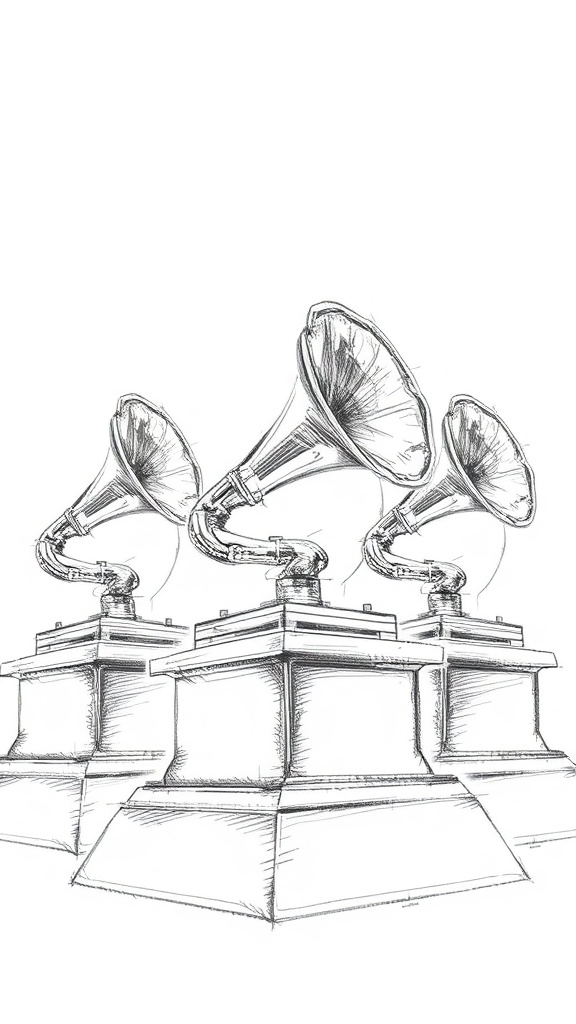
Grammys image

How the ecosystem has shifted
Streaming and social platforms now shape the trajectory of releases far earlier than traditional radio cycles did. Viral moments, playlist placements and social media engagement can raise an album or single into the cultural conversation before any awards season. That said, critical acclaim and industry support remain essential—Grammys are voted on by members of the Recording Academy, so professional respect and peer relationships still count.

Performance moments drive narratives
Live Grammy performances often become cultural touchpoints. Bold staging, unexpected collaborations and socially resonant songs dominate post-show conversations, sometimes overshadowing the awards themselves. For artists, the live slot offers a chance to craft a defining image or statement; for viewers, it’s where fashion, choreography and production meet musicality.

Genre fluidity and representation
Genre boundaries continue to blur, and the Grammys reflect that shift by recognizing cross-genre collaborations and hybrid sounds. Representation and inclusion are central talking points: voters and audiences are more attentive to diversity across nominees and categories, and conversations about equitable recognition shape expectations for future nominations and programming.

Strategies artists and teams use
While there’s no guaranteed path to a nomination, the following strategies are common among artists who break through:

– Release strategy: Build momentum with singles, high-quality visuals and consistent content to keep listeners and curators engaged.
– Industry relationships: Engage with peers, collaborators and industry pros; peer voting means networks matter.
– Critical engagement: Solicit reviews and features from reputable outlets; visibility among tastemakers helps shape narratives.
– Playlist and radio outreach: Target influential playlists and specialty radio to reach engaged listeners and tastemakers.
– Live presence: Touring, festival appearances and high-profile performances increase credibility and fanbase depth.
– Submission attention: Follow submission rules closely and work with a knowledgeable team to ensure eligibility and category alignment.

What fans can expect
Fans play a role in shaping Grammys relevance through streaming behavior and social media advocacy. Campaigns that amplify an artist’s cultural moment—viral choreography, memeable visuals, or poignant interviews—can catch the attention of both listeners and industry voters. While awards are ultimately decided by peers, fan-driven momentum often starts the conversations that lead there.

The Grammys remain a barometer of music culture: part celebration, part industry mirror. For artists, they’re a powerful amplifying tool; for listeners, a curated snapshot of what peers and professionals deem noteworthy. Paying attention to release strategy, live performance, and the cultural conversations around music will always be a smart way to engage with the awards and the wider musical moment they help define.