Modern Oscars Playbook: Streaming, Campaign Strategy, Diversity and Sustainable Red Carpet Tactics for Filmmakers

The Academy Awards remain one of the most influential cultural events for filmmakers, performers, and audiences. Recently, the ceremony’s landscape has continued to evolve—shaped by streaming platforms, changing eligibility rules, and a growing focus on diversity and sustainability—making awards strategy more complex and opportunity-rich than ever.

Streaming platforms and release strategies
Streaming services have shifted how films reach voters and viewers. While a theatrical run still matters for eligibility and critical perception, streaming releases can amplify reach quickly and target niche audiences. Filmmakers increasingly use hybrid strategies: limited theatrical windows to meet eligibility, followed by streaming for broader exposure. This approach can maximize both awards consideration and audience engagement without relying solely on wide theatrical distribution.

Campaigning and the modern awards playbook
Campaign strategy now blends traditional screenings with digital outreach. Private screenings for Academy members, critics’ roundtables, and targeted screenings for guilds remain essential. At the same time, social media, influencer partnerships, and bespoke short-form video content help maintain visibility in a crowded awards season. Authentic storytelling—showing why a film matters beyond technical excellence—resonates with voters and the public alike.

Craft awards-friendly films
There’s no formula that guarantees recognition, but certain elements tend to attract attention: strong performances, distinctive directing choices, compelling original or adapted writing, and technical craft that enhances the narrative (sound design, cinematography, production design). Films that spark conversation—about culture, identity, or timely human themes—often gain momentum among critics and voters.

Academy Awards image

Diversity, inclusion, and representation
The Academy’s push toward greater diversity and inclusion has changed who gets recognized and whose stories are told. Contemporary voters and audiences want authentic representation on and off screen. Filmmakers and studios that prioritize inclusive casting, diverse creative teams, and responsible storytelling are more likely to build meaningful connections that translate into awards attention.

Technical categories and hidden campaigns
Technical awards are vital markers of craft but can be overlooked by general audiences. Targeted outreach—screenings for craftspeople, featurettes that highlight behind-the-scenes artistry, and trade publication campaigns—helps bring technical achievement to the forefront. Small-budget films that innovate technically can compete if their craft is clearly communicated to the voting community.

Red carpet, fashion, and brand moments
The red carpet remains a powerful branding platform. Designers, stylists, and publicists treat the event as strategic positioning—balancing risk with broad appeal. Sustainability has become a key consideration: more artists are choosing ethically sourced materials, re-wearing looks, or working with designers who prioritize low-waste production. Those choices generate positive media coverage and align with audience values.

Controversies and ethical campaigning
Campaign ethics continue to be a hot topic. The line between persuasive promotion and unfair influence is closely watched by the Academy and the public. Clear, transparent campaigns that respect rules and focus on the work’s merits tend to build longer-lasting reputations than aggressive tactics that invite backlash.

Practical tips for filmmakers aiming for recognition
– Plan release strategy around eligibility requirements while keeping long-term audience reach in mind.
– Prioritize screenings for key voter groups and critics, and create compelling supplementary content that explains creative choices.
– Build a diverse team and ensure representation in storytelling and production roles.
– Invest in technical showcases—well-produced behind-the-scenes materials help voters appreciate craft.
– Think beyond the film: red carpet moments, sustainability choices, and community engagement amplify visibility.

The Academy Awards still reward excellence, innovation, and storytelling that moves people. Navigating the modern awards landscape requires artistic integrity, strategic planning, and an understanding of how audiences and voters discover and value films today.

Bel Air Real Estate Guide: Luxury Homes, Privacy & Sustainable Design in Los Angeles

Bel Air blends secluded luxury with genuine Los Angeles character, offering a lifestyle prized for privacy, greenery, and architectural distinction. Perched on winding canyons and ridgelines, the neighborhood attracts homeowners who value spacious lots, mature landscaping, and a peaceful address within easy reach of the city’s cultural and commercial hubs.

Bel Air image

Real estate and architecture
Bel Air’s housing stock is remarkably diverse. Traditional Mediterranean villas and Tudor-inspired estates coexist with minimalist glass-and-steel moderns that embrace panoramic canyon and city views. Many properties emphasize indoor-outdoor living: floor-to-ceiling windows, covered loggias, infinity pools, and terraces that extend living spaces into landscaped yards. Buyers commonly seek ready-to-enjoy wellness amenities—private gyms, spa suites, home cinemas—and practical upgrades such as home office layouts, multi-car garages, and electric-vehicle charging stations.

Privacy and community character
Privacy is core to the neighborhood’s appeal. Mature trees, gated driveways, and thoughtful setbacks create private compounds even on relatively compact parcels.

Local homeowners’ associations and community groups work to preserve the area’s low-density feel and protect natural canyon habitats, so development tends to be incremental and sensitive rather than speculative.

For residents, this stewardship translates to quieter streets, native landscaping, and protected wildlife corridors.

Outdoor recreation and green space
Bel Air isn’t just manicured lawns and grand entries—its canyons and ridgelines offer accessible outdoor experiences. Popular neighborhood trails provide hiking and birdwatching opportunities with sweeping vistas of the city and ocean beyond.

Many residents favor early-morning walks around reservoir pathways and canyon trails that reward with fresh air and relative solitude compared with busier public parks.

Lifestyle and local conveniences
While seclusion defines much of Bel Air, it sits within easy distance of vibrant shopping and dining corridors. Nearby village centers and neighboring communities supply boutique grocery options, casual eateries, and specialty services, so the neighborhood delivers both retreat and convenience.

Cultural institutions, golf and country clubs, and well-regarded schools are also within short drives, making Bel Air attractive to families and professionals alike.

Design and sustainability trends
Sustainability has become an important consideration for homeowners updating older estates. Water-wise landscaping, native plant palettes, and smart irrigation systems reduce maintenance and align with regional conservation priorities.

Net-zero aspirations and energy-efficient retrofits—solar arrays, high-performance glazing, and smart-home climate control—are increasingly common in renovations. Landscape designs emphasize drought tolerance while enhancing privacy and year-round curb appeal.

Buying and investing considerations
Buyers focused on value look for properties with functional outdoor spaces and flexible interior layouts that adapt to remote work or multi-generational living. Renovation-ready homes in established micro-neighborhoods can offer a blend of long-term appreciation and creative potential. For sellers, curated staging that highlights privacy, outdoor entertaining zones, and upgraded mechanical systems tends to resonate with high-end buyers.

Why Bel Air endures
Bel Air remains a sought-after enclave because it balances exclusivity with accessibility.

The neighborhood’s layered appeal—architectural variety, canyon-side openness, and strong community stewardship—creates a residential environment that feels both private and connected. Whether someone is drawn to timeless estates or contemporary hideaways, Bel Air continues to stand out as a place where thoughtful design and natural beauty coexist.

Beverly Hills Travel Guide: Rodeo Drive Shopping, Gardens, Dining & a Half-Day Itinerary

Beverly Hills blends classic glamour with contemporary lifestyle, making it a top destination for luxury shoppers, food lovers, and anyone curious about Southern California’s most iconic neighborhood.

Beyond the celebrity aura, the city offers carefully curated experiences: manicured public gardens, world-class boutiques, intimate galleries, and hotels that specialize in pampering.

What to see and do
– Shop Rodeo Drive: The three-block strip is synonymous with high-end retail.

Flagship stores, exclusive designer boutiques, and fine jewelry houses create a window-shopping experience that’s as much about people-watching as it is about fashion.
– Stroll Beverly Gardens Park: This linear park features sculpted gardens, public art, and the famous Beverly Hills sign—perfect for photos and a relaxed break from the bustle.
– Visit cultural venues: Small but significant cultural institutions host rotating exhibitions and performances, offering a quieter cultural counterpoint to the shopping scene.

Beverly Hills image

– Explore historic estates: Several landmark mansions and gardens open for tours or public viewing on select days, showcasing classic architecture and lush landscaping.
– Savor the dining scene: From refined contemporary cuisine to elevated casual spots, the city’s restaurants reflect diverse culinary influences while maintaining an emphasis on service and ambiance.

Practical tips for an efficient visit
– Reserve ahead: Popular restaurants and luxury services often require reservations, especially for prime dining times and spa treatments.
– Plan for parking: Public lots and metered street parking are available, but they fill quickly during peak hours. Rideshare is a convenient option for sightseeing without the parking hassle.
– Respect privacy: Many homes and neighborhoods are private residences.

Enjoy curbside views and official tours, but avoid trespassing or intrusive photography.
– Time your visit: Weekday mornings tend to be less crowded for shopping and strolling, while evenings bring a more vibrant restaurant and nightlife scene.

Why people come back
Beverly Hills offers a concentrated luxury experience that feels polished without being ostentatious. Landscaped streets and iconic palms provide a distinctive backdrop, while hotels and spas deliver attentive hospitality that complements shopping and dining. For creatives and collectors, intimate galleries and curated public art add an unexpected cultural depth.

Sustainability and modern amenities
The city has been adding contemporary conveniences—like electric vehicle charging stations and water-wise landscaping in public spaces—alongside conservation-minded policies for parks and streetscapes.

These efforts make it easier for visitors and residents to enjoy the area responsibly while still experiencing its signature refinement.

A sample half-day itinerary
– Start with coffee at a boutique café, then walk Rodeo Drive to window-shop and admire storefront architecture.
– Head to a nearby park for a relaxed stroll and photos at the iconic sign.
– Lunch at a neighborhood bistro, followed by an art gallery visit.
– Finish with an afternoon spa session or a rooftop cocktail before dinner.

Whether arriving for a short visit or scouting neighborhoods for a longer stay, Beverly Hills delivers a compact slice of luxury living with thoughtfully designed public spaces and a lively culinary and cultural scene. The experience is less about celebrity spotting and more about a polished urban rhythm—where attention to detail, service, and atmosphere turn everyday outings into memorable moments.

Bel Air Real Estate Guide: Architecture, Hillside Luxury & Resilience

Bel Air remains one of the most recognizable neighborhoods on the Westside, valued for its blend of privacy, dramatic hillside settings, and proximity to vibrant city life. For those curious about what defines Bel Air today—whether as a place to visit, invest, or call home—several themes stand out: architecture, outdoor access, luxury lifestyle, and resilience.

Architecture and design
Bel Air’s streets showcase an eclectic architectural mix.

Classic Mediterranean and Spanish Colonial Revival homes sit alongside sleek midcentury modern and ultra-contemporary estates. Many properties combine timeless materials—stucco, terracotta, stone—with modern glass walls and open-plan living.

Buyers and renovators increasingly prioritize flexible layouts that support remote work, wellness spaces like home gyms and saunas, and integrated smart-home systems. Landscape design often balances lush privacy plantings with water-wise choices to meet local climate realities.

Outdoor access and active life
Hillside homes deliver sweeping views of the city and ocean, plus immediate access to hiking and scenic drives. Local trails and pocket parks provide easy escapes for walking, trail running, and dog outings, while Mulholland Drive and nearby canyon roads offer memorable scenic routes. Even for residents who cherish seclusion, the neighborhood’s proximity to cultural and dining hubs makes it convenient to enjoy museums, theaters, and upscale restaurants a short drive away.

Privacy, security, and community
Privacy is a major draw—many estates feature gated entrances, long driveways, and mature tree buffers. Neighborhood associations and private security services contribute to a strong sense of safety and community stewardship. At the same time, a culture of discreet luxury means the area attracts residents who value low-profile living as much as headline-making architecture.

Real estate and lifestyle trends
The luxury market here emphasizes customization. Renovations tend to focus on creating indoor-outdoor living spaces, high-end wellness amenities, and movie-quality home theaters. Outdoor entertaining areas—resort-style pools, outdoor kitchens, and trellis-covered lounges—remain highly sought after. Interior finishes often combine natural textures with minimalist lines for a look that feels both warm and contemporary.

Resilience and environmental planning
Hillside living comes with responsibilities: wildfire risk, water management, and hillside stabilization are active considerations for homeowners and planners. Drought-conscious landscaping, defensible-space principles, and attention to erosion control are common features of new builds and remodels.

Many residents engage with local emergency-preparedness resources and invest in resilient home systems to protect property and family.

Tips for visitors and prospective buyers
– Respect privacy: Many homes are private properties, so plan visits to public viewpoints, local parks, or guided architecture tours.
– Explore trails: Check local trailheads for short hikes and scenic overlooks that showcase the neighborhood’s landscape.
– Work with specialists: For home purchases or renovations, seek architects, contractors, and real estate agents experienced in hillside properties and local regulations.
– Prioritize resilience: Consider wildfire-safe landscaping and insurance implications when evaluating properties.

Bel Air image

Bel Air’s appeal lies in its rare combination of secluded residential character and easy access to metropolitan amenities.

Whether drawn by architectural pedigree, dramatic views, or the quiet luxury lifestyle, newcomers and longtime residents alike find that thoughtful design and preparedness are central to enjoying the best the neighborhood has to offer.

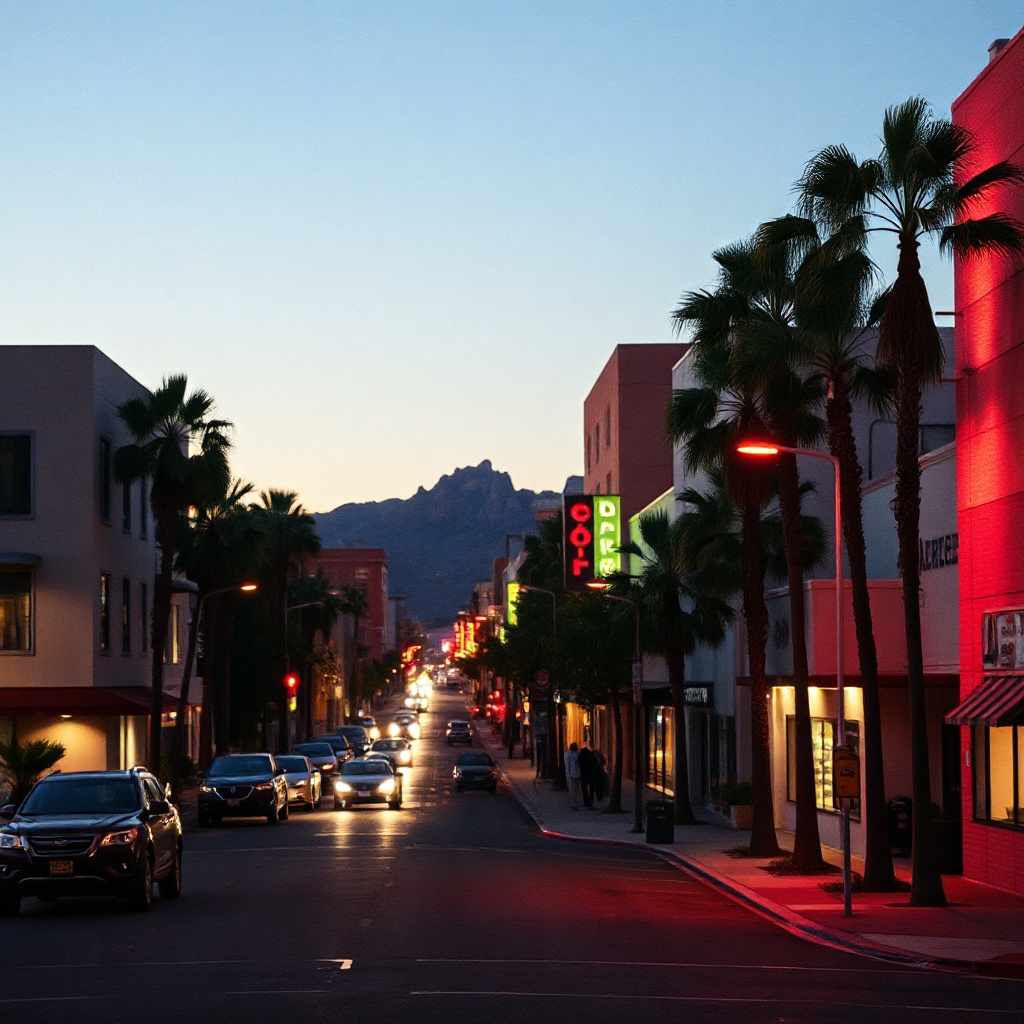
Beat the Heat in Los Angeles: Cool Outdoor Spots, Heat-Smart Tips, and Sustainable Moves

Beat the Heat and Enjoy LA Outdoors: Smart Tips, Top Spots, and Sustainable Moves

LA image

Los Angeles is built for getting outside — miles of coastline, rugged foothills, and neighborhood parks make it easy to find fresh air. With hotter days becoming more common, enjoying LA’s outdoor scene safely and sustainably takes a little planning. These practical tips and destination ideas help you soak up the city’s best while staying cool and green.

Best places to be outdoors (and cooler)
– Coastal escapes: The beaches offer breezes and scenic walks. For fewer crowds, look for lesser-known stretches or early-morning visits. Boardwalks and piers provide shade and views without a strenuous hike.
– Hills and viewpoints: Griffith Park and nearby ridgelines reward you with panoramic vistas. Choose shaded trails or peak before mid-day heat for the best experience.
– Urban green spaces: Parks like Echo Park and the larger regional parks feature shaded lawns, mature trees and splash pads or water features that help cool the air.
– LA River greenways: Revitalized sections of the river corridor offer shaded paths, public art, and quieter biking routes away from busy streets.

How to get there without adding stress
– Public transit access to major outdoor spots has improved, making trains and buses a practical option for beach trips and trailheads. Look for stations close to park entrances to minimize walking in direct sun.
– Bikes and e-bikes are great for shorter routes and exploring neighborhoods. Use designated lanes and lock up at well-lit bike racks.
– Ride-share and park-and-ride options work well for groups or longer hauls from the valley to the coast.

Heat-smart habits for all-day outings
– Timing matters: Aim for early morning or late afternoon outings when temperatures are milder and trails are less crowded.
– Dress for the weather: Lightweight, breathable fabrics and wide-brimmed hats reduce heat absorption. UV-protective gear is especially helpful near reflective surfaces like sand and water.
– Hydration and fueling: Carry a reusable water bottle and refill at water stations where available. Bring light, electrolyte-rich snacks rather than heavy meals.
– Rest in shade: Plan stops at shaded benches, picnic shelters or cafes. Short breaks lower your exertion level and reduce heat risk.

Sustainable choices that keep LA livable
– Refillable water bottle culture is growing across the city; many parks and public buildings now offer bottle-filling stations. Choosing refillables reduces plastic waste and keeps you hydrated on the go.
– Support local projects that expand tree canopy, stormwater capture and green infrastructure — these initiatives cool neighborhoods and reduce urban runoff that impacts beaches.
– Follow leave-no-trace practices: pack out trash, avoid disturbing wildlife, and stick to marked trails to protect fragile habitats.

Extra ways to enjoy LA comfortably
– Look for outdoor fitness classes that offer shaded or evening sessions.
– Explore rooftop patios and shaded markets for food and views without direct sun exposure.
– Use local apps for real-time transit updates, trail conditions and beach water advisories so you can plan around crowds and closures.

Los Angeles outdoors remain a major draw when approached with a bit of planning and respect for both personal safety and the environment. With smart timing, hydration, shade strategies and eco-friendly habits, you can enjoy the city’s diverse landscapes while helping preserve them for everyone.

Posted in LA

From Streaming to Spectacle: Why Hollywood Is Betting on Theatrical-First Releases to Revive the Box Office

Hollywood is shifting from volume to spectacle as studios and theaters compete for audience attention in a landscape shaped by streaming, global box office demands, and changing viewer habits. The result: a renewed emphasis on theatrical-first releases, premium formats, and event-driven marketing designed to make the cinema experience feel essential again.

Why theatrical matters again
Streaming flattened release strategies for a period, but theaters still deliver what home viewing can’t: scale, immersion, and communal energy. Studios are increasingly treating theatrical runs as the marquee phase of a title’s life cycle, using exclusive windows and premium formats like IMAX and Dolby Cinema to create urgency. This helps maximize box office revenue and strengthens a film’s cultural footprint, which in turn drives downstream revenue across streaming, physical, and licensing channels.

Event-driven releases and franchise strategy
Franchise films remain reliable audience magnets, but Hollywood is diversifying how franchises are launched and sustained. Rather than relying solely on sequels, studios build multi-platform universes that include theatrical tentpoles, streaming series, and interactive marketing campaigns. Event-driven releases—premieres with experiential tie-ins, fan-focused activations, and early fan screenings—turn launches into social conversations that boost earned media and ticket sales.

Premium formats and the in-theater experience
Upgrading the cinema experience is a top priority. Premium formats justify higher ticket prices by offering superior sound, larger screens, and enhanced visuals that can’t be replicated at home. Theaters are also improving hospitality—reserved seating, enhanced concessions, and premium lounges—to compete with the comfort of home viewing. These changes position moviegoing as a deliberate outing rather than a default entertainment choice.

Hybrid and staggered release strategies
Studios are experimenting with hybrid approaches to balance theatrical exclusivity and streaming accessibility. Staggered windows—shorter theatrical exclusives followed by streaming premieres—allow films to capture box office momentum while tapping into the convenience of home platforms.

Strategic timing and platform selection are now vital parts of distribution planning, especially for titles that target niche or global audiences.

Independent films and festival pathways
Indie filmmakers are finding new pathways to visibility via festival circuits, specialty distribution deals, and targeted streaming partnerships. Festivals remain crucial for discovery, but boutique distributors and premium cable/streaming labels provide alternative routes to theatrical runs backed by tailored marketing. This ecosystem supports diverse storytelling that complements studio-driven event films.

Global markets and localization
International audiences now play an outsized role in a film’s financial success.

Hollywood image

Localization strategies—dubbed versions, culturally sensitive marketing, and regional partnerships—can significantly expand a title’s reach. Studios increasingly design releases with global appeal in mind while tailoring local campaigns to maximize resonance and box office performance.

What studios and theaters can do now
– Prioritize theatrical-first marketing for tentpoles and highlight premium-format exclusives.
– Use data to time windowing and platform release strategies according to audience behavior.
– Invest in experiential promotions and localized campaigns for global markets.
– Support indie films with curated theatrical runs and festival-to-cinema pipelines.
– Upgrade in-theater amenities and adopt flexible pricing to widen audience appeal.

For audiences, the shift means more choices: big-screen spectacles, curated indie showings, and smarter streaming windows that respect both theatrical value and convenience. Hollywood’s renewed focus on the cinema experience is creating a more dynamic release ecosystem—one that rewards films that make theaters feel like places you need to be rather than places you might skip.

Academy Awards (Oscars) in the Streaming Era: How Eligibility Rules and Changing Tastes Are Reshaping Awards Strategy

How streaming, eligibility rules, and changing tastes are reshaping the Academy Awards

The Academy Awards remain the pinnacle of recognition for filmmakers, but the landscape around nominations and campaigning has been in flux. Filmmakers, studios, and publicists who understand the shifting rules and audience expectations gain the biggest advantage when pursuing Oscar recognition.

The impact of streaming and distribution
Streaming platforms transformed how films reach audiences and voters. Where a theatrical run used to be the only clear path to eligibility, the Academy updated its rules to reflect contemporary viewing habits. That means films debuting on streaming services can compete alongside theatrical releases—provided they meet the Academy’s qualifying conditions. As a result, prestige streaming releases now appear frequently in major categories, changing the calculus for creators planning their release strategies.

This shift also altered audience exposure. Streaming provides immediate, wide availability to Academy members, critics, and influencers, reducing reliance on long theatrical runs. For independent filmmakers, strategic festival premieres combined with targeted streaming windows can yield the visibility needed to earn nominations.

Campaigning in a digital-first era
Traditional awards campaigns—screenings, Q&A panels, and trade ads—are now complemented by robust digital outreach. Virtual screenings, filmmaker roundtables, and social-media-driven grassroots pushes reach voters efficiently and cost-effectively. Authentic storytelling works best: behind-the-scenes features, director chats, and performance tapes allow voting members to connect with the film’s craft and intent.

However, the rules governing campaigning are strict.

Transparency and adherence to Academy guidelines are essential. Savvy campaigns focus on earned attention—reviews, festival awards, and peer endorsements—rather than paid tactics that risk publicity backlash.

Diversity, inclusion, and evolving tastes
The Academy’s membership diversification and inclusion initiatives have broadened the types of stories recognized. Films that center underrepresented voices, explore global perspectives, or experiment with form have gained traction.

This trend encourages storytellers from varied backgrounds to pursue awards recognition with confidence that non-traditional narratives can resonate with voters.

For creators, that means emphasizing authenticity in casting, production, and storytelling. Representation matters not only ethically but strategically: work that reflects real-world diversity often attracts critical conversation and peer support.

The role of festivals and critics
Film festivals remain a cornerstone of awards strategy.

Premiere placements at respected festivals can create momentum, secure critical buzz, and attract distributor attention. Critics’ groups and industry guilds also play influential roles: their awards and endorsements help shape the shortlist of contenders and influence voting behavior.

Academy Awards image

Timing and release strategy
Careful timing still matters. A well-timed festival premiere followed by a targeted release—whether theatrical, limited, or streaming—can build the narrative of a film as an awards contender. Coordinating press, screenings for Academy members, and targeted outreach to critics ensures sustained visibility throughout awards season.

What filmmakers and studios can do now
– Prioritize platform fit: choose distribution that best showcases the film’s strengths and maximizes voter access.
– Leverage festivals: aim for premieres that generate credible critical and industry attention.
– Build authentic digital campaigns: use virtual events, Q&As, and curated press materials to tell the film’s story.
– Engage peers and guilds: screenings for industry organizations and peer groups can generate supportive endorsements.
– Follow the rules: ensure all promotional activity complies with Academy guidelines to avoid disqualification or negative press.

The Academy Awards ecosystem continues to evolve as technology, tastes, and industry structure shift. Filmmakers who combine strong storytelling with strategic release plans, transparent campaigning, and attention to emerging trends position their work to stand out when nominations are decided.

Watch how distribution choices, festival strategy, and authentic outreach shape the next wave of recognized films.

Beverly Hills Travel Guide: Must-See Sights, Luxury Shopping, Dining & Practical Tips

Beverly Hills remains a compact showcase of luxury lifestyle, polished public spaces, and cultural attractions that attract visitors from around the globe.

Whether you’re planning a day trip or scouting neighborhoods with high-end real estate, the city offers a mix of classic glamour and contemporary city planning that makes it easy to enjoy both iconic sights and quieter local gems.

What to see and do
– Stroll Rodeo Drive: Window-shopping along this famous boulevard is an experience: flagship boutiques, luxury brands, and artful storefronts line pedestrian-friendly blocks.

Look for side streets and courtyards where independent galleries and designer showrooms hide behind the glitz.
– Explore Beverly Gardens Park: Running along a central corridor, the park features sculptural installations, manicured gardens, and the signature Beverly Hills sign—perfect for photos and short walks between shopping stops.
– Visit landmark architecture: From the pink-hued hotel facades that define classic Hollywood glamour to modernist and Spanish Revival residences, architecture aficionados can spot diverse styles on tree-lined streets. Guided tours connect visitors with the city’s cinematic history and notable buildings.

Beverly Hills image

– Cultural offerings: The performing arts center and local galleries present rotating programs, including theater, dance, and contemporary art exhibitions.

Seasonal art shows and pop-up markets activate public spaces, creating a lively cultural calendar.
– Gardens and estates: Public gardens, historic mansions, and private-estate vistas add calm and green space to the city’s urban core. Many public gardens are ideal for a slow morning walk or a picnic between museum visits.

Dining and nightlife
Dining in Beverly Hills ranges from Michelin-starred tasting menus and celebrity-chef restaurants to intimate bistros and artisanal bakeries. Reservations are recommended for popular spots; for a more relaxed meal, explore tree-lined side streets and nearby neighborhoods where locals pick up breakfast or late-night bites. Rooftop bars and stylish lounges are plentiful, offering skyline views and craft cocktails after a day of sightseeing.

Shopping and wellness
Beyond luxury retail, the city emphasizes wellness and lifestyle. High-end spas, boutique fitness studios, and medical wellness clinics cater to visitors seeking rejuvenation. For shoppers, two-story arcades and luxury shopping centers combine designer stores with personal-shopping services and curated events.

Practical tips
– Best times to visit: Weekday mornings tend to be quieter for shopping and sightseeing; weekends see more foot traffic and events.
– Getting around: The city is compact and walkable in central areas, but rideshare and valet services are convenient for hopping between neighborhoods.

Parking is available, with public garages near major shopping districts.
– Plan ahead: Many popular restaurants and guided tours require reservations. If you want to visit a specific gallery or show, check for ticketed entry or timed admission.
– Sustainability and mobility: Expect increasing availability of electric-vehicle charging and bike-friendly routes, reflecting broader urban efforts to reduce emissions and improve mobility.

Real estate and lifestyle
Beverly Hills retains its reputation for high-value real estate, from grand estates tucked behind hedges to modern homes with clean lines.

Strict zoning, well-maintained streetscapes, and strong municipal services contribute to a refined residential character that draws both long-time residents and newcomers seeking prestige and privacy.

Whether your visit focuses on couture shopping, cultural experiences, or simply soaking up the landscape of palm-lined avenues, Beverly Hills blends polished presentation with accessible public spaces—making it easy to craft a tailored itinerary that suits luxury-seeking travelers and curious newcomers alike.

How to Get Grammy Nominations and Leverage Them to Boost Your Music Career

The Grammys remain one of the most powerful moments for artists, songwriters, producers, and industry teams — a career-defining spotlight that can transform streams, ticket sales, and media visibility overnight.

Understanding how the system works and how to prepare for those opportunities can make the difference between a fleeting mention and a long-term career boost.

How nominations happen

Grammys image

The path to a nomination starts with submissions from labels, independent artists, and distributors. Submitted works go through a screening process to ensure they meet category guidelines and eligibility rules. After screening, voting members of the Recording Academy nominate entries in their fields of expertise, and a final voting round determines the winners. This multi-stage process means early attention to submission accuracy and category selection is crucial.

Maximizing your Grammy moment
– Optimize release strategy: Timing matters for visibility within the eligibility window and for marketing momentum leading into nomination voting. Consider coordinated press, playlist campaigns, and targeted radio adds around a release to build measurable impact.
– Invest in a compelling submission: Provide clear credits, liner notes, and supporting materials. Highlight artistic intent and notable collaborators. Screeners rely on easy-to-evaluate materials, and clean metadata can reduce disqualification risk.
– Leverage industry relationships ethically: Engaging with voting members through legitimate industry events and panels can raise awareness of your work, but avoid any activity that could be construed as lobbying; the Recording Academy has strict rules on campaigning.

Publicity and PR strategies that work
A Grammy nomination is a story — treat it that way. Develop a press kit that includes high-quality photos, behind-the-scenes content, and a concise press release tailored to different outlets. Pitch lifestyle, trade, and genre-specific media with unique angles: the song’s creative process, cultural relevance, or collaboration story. Secure exclusive interviews and features that can be amplified across social channels.

Performance and presentation
Being invited to perform or present during the telecast multiplies exposure. Curate performances that translate well to a televised format: memorable visuals, tight arrangements, and a clear narrative. Red carpet appearances generate social media buzz; invest in stylists and photogenic styling that align with the artist’s brand. Memorable moments — surprising collaborations or heartfelt speeches — often become cultural touchpoints that outlive the night itself.

Post-nomination and post-win momentum
– Streaming and playlists: Wins and nominations typically drive immediate streaming spikes. Coordinate with playlist curators and DSP partners to secure placement and capitalize on discovery audiences.
– Touring and ticketing: Use nomination and win assets in tour promotion to increase visibility for upcoming shows. Early-bird ticket offers tied to the news can convert interest into sales.
– Licensing and sync: A prominent credit like a Grammy nod enhances licensing appeal for film, TV, and advertising. Proactively pitch music supervisors highlighting any accolades.

Ethics and long-term thinking
Grammy recognition is valuable, but it shouldn’t replace a sustainable career strategy.

Maintain focus on authentic fan engagement, consistent quality, and creative growth. Respect all industry rules during campaigns and prioritize artistic integrity over short-term publicity stunts.

The Grammys still spark cultural conversations and industry shifts. For artists and teams who approach the opportunity strategically — from submission through the post-show rollout — the event is more than an awards night; it’s a powerful platform to accelerate exposure, deepen audience connections, and build a lasting legacy.

SAG Awards Explained: How Peer Voting Elevates Actors, Ensembles & Breakouts

What makes the SAG Awards stand out is their simple, powerful premise: actors recognizing actors. Presented by SAG-AFTRA, these awards honor outstanding performances across film and television as judged by a peer group made up of working performers. That peer-driven voting structure gives the ceremony a reputation for authenticity — winners reflect the esteem of colleagues who understand the craft from the inside.

How winners are chosen
Nominees are typically determined by randomly selected nominating committees drawn from the SAG-AFTRA membership, and final winners are chosen by the broader membership.

That process gives relative newcomers a fair shot alongside established stars, and it elevates ensemble work by spotlighting collaborative performance rather than just star turns. Categories include leading and supporting acting awards, ensemble cast honors for film and television, and awards that recognize stunt performers — all nods to the many facets of on-screen craft.

Why the SAG Awards matter
Because the voting body consists exclusively of actors, the SAG Awards often carry special weight during awards season. Performances that win a SAG Award gain momentum and industry visibility, and ensemble wins can shine a spotlight on shows or films that might otherwise be overlooked. For viewers, a SAG nod is a shorthand for “actor-approved,” making it a useful guide when looking for critically respected performances.

Trends shaping the ceremony
The rise of streaming has transformed what gets nominated.

Actors now work across film, streaming platforms, and prestige television with greater fluidity, and the SAG Awards reflect that crossover. Ensemble storytelling has become a central storytelling mode, and the ceremony’s ensemble categories reward casts that deliver cohesive, standout group performances.

Representation and activism also feature prominently. Winners often use their acceptance speeches to highlight labor rights, diversity, equitable hiring, and other industry issues — reflecting the union roots of the organization behind the ceremony. There’s ongoing attention to inclusive casting and meaningful roles for performers from underrepresented groups, and the awards can amplify those conversations.

What viewers should watch for
– Ensemble winners: Look for casts that demonstrate seamless chemistry and collective risk-taking — these wins often indicate broader critical support.
– Breakout performances: The peer voting system frequently uplifts breakthrough actors who may not yet be household names.
– Stunt recognition: Stunt awards underscore the increasingly visible role of action choreography and practical effects in high-profile productions.

– Speech moments: Acceptance speeches on this stage often touch on industry conditions and cultural issues, making them worth watching beyond the usual gratitude notes.

SAG Awards image

How to follow the show
The ceremony is widely covered live by broadcast and streaming partners, and social channels amplify red-carpet fashion, clips, and reaction pieces. For the most reliable updates, follow official SAG-AFTRA announcements and accredited press coverage.

For performers and creators
Actors aiming for consideration should prioritize standout, well-documented performances and ensure proper submission through the union’s established channels. For production teams, cultivating ensemble cohesion and spotlighting the contributions of background and stunt performers can pay off in recognition and industry respect.

The SAG Awards remain a meaningful barometer of acting excellence — a ceremony where peer recognition, ensemble storytelling, and on-stage advocacy converge to shape conversations about performance and industry priorities.