Why the SAG Awards Matter: How Peer Voting, Ensemble Wins, and Streaming Shape Awards Season

The SAG Awards — presented by SAG-AFTRA — are among the most closely watched indicators of acting achievement in film and television. What sets these awards apart is the voting body: winners are chosen by fellow performers, so recognition comes directly from an actor’s peers.

That peer-driven focus gives the SAG Awards a unique credibility and often predicts broader industry momentum.

What matters at the SAG Awards
– Peer recognition: Actors voting for actors tends to reward craft, nuance, and ensemble chemistry. Performances that resonate within the acting community often rise to the top.
– Ensemble emphasis: The award for Outstanding Performance by a Cast (or Ensemble) highlights collaborative storytelling. For many projects, that prize carries as much cachet as individual honors.
– Television parity: TV categories have grown in prominence, reflecting shifting viewing habits and prestige streaming content. Limited series and anthology formats now compete on equal footing with ongoing dramas and comedies.

SAG Awards image

– Industry signal: Because the voting base overlaps with other guilds and industry influencers, SAG outcomes often shape awards-season narratives and red-carpet buzz.

How nominations and winners are decided
Nominations are selected through a nominating process made up of SAG-AFTRA members from across the country, ensuring diverse perspectives on performance work. Once nominees are announced, the full union membership votes to determine winners. This two-step approach balances curated selection with broad participation.

Trends to watch
– Streaming dominance continues to reshape how performances are discovered and rewarded.

Projects released outside traditional theatrical windows are now regular contenders across categories.
– Limited series and prestige television attract star-level talent, making TV categories increasingly competitive and culturally impactful.
– Diversity in casting and storytelling remains a central conversation. Representation on screen and behind the camera influences how peers evaluate performances.
– Fashion and social messaging on the red carpet often amplify winners’ platforms, turning the ceremony into a stage for advocacy as well as style.

Why the SAG Awards matter beyond trophies
Because actors decide the winners, the SAG Awards carry a particular resonance for performers building careers.

A peer-endorsed win can boost a career trajectory, increase bargaining power during contract negotiations, and open doors to higher-profile roles. For audiences and critics, the ceremony also crystallizes which performances have industry support, which can influence viewing habits and streaming promotion.

How to follow and make predictions
– Track ensemble buzz: If a cast has strong chemistry and critical momentum, the ensemble category is often a reliable indicator of wider recognition.
– Watch guild trends: Winners of critics’ awards and director or screenwriter guild honors can create ripple effects that influence acting votes.
– Look at peer appeal: Performances that showcase technical risk, emotional range, or transformative character work often resonate with actor voters.
– Stay attuned to social conversation: Industry insiders and trade coverage provide context around campaigning, screenings, and peer endorsements that inform voter sentiment.

For fans and industry watchers alike, the ceremony provides a snapshot of where acting craft and industry priorities are headed. Whether you’re tracking awards-season narratives, scouting rising stars, or enjoying red-carpet fashion, the SAG Awards remain a key moment when the acting community celebrates its own. Follow live coverage from trusted entertainment outlets and official channels to catch winners, speeches, and standout moments as they unfold.

How Transit, Bikes, and Walkable Streets Are Reclaiming Los Angeles

Los Angeles on the Move: How Transit, Bikes, and Better Streets Are Reclaiming the City

Los Angeles has long been synonymous with car culture, but the city is shifting toward more walkable, bike-friendly, and transit-focused neighborhoods. Investment in public transit, a surge in protected bike lanes, and community-driven street redesigns are reshaping how Angelenos get around — and how visitors experience the city.

What’s changing on the ground
– Public transit is expanding beyond a commuter option into a practical choice for daily life. Light rail and bus networks are improving connectivity between neighborhoods, downtown hubs, and coastal communities, making car-free travel increasingly realistic.
– Micromobility options — bike-share systems, dockless bikes, and e-scooters — have integrated with transit, solving last-mile gaps and adding flexibility to short trips.
– Street redesigns and protected bike lanes are spreading across key corridors, offering safer routes for cyclists and encouraging walking.

Plaza and open-street programs are creating community spaces where cars once dominated.
– Climate-aware planning drives many projects: drought-tolerant landscaping, shaded sidewalks, and permeable pavement help cities adapt to heat and heavy rain events while making streets more pleasant year-round.
– Equity and transit-oriented development are central themes. New housing and commercial projects near transit hubs aim to reduce commute times and lower dependence on cars, though community input and affordable housing remain critical to success.

Why this matters for residents and visitors
Moving around Los Angeles without a car is now attainable for more people.

LA image

Short trips across walkable neighborhoods, combined with reliable rail or bus service for longer distances, reduce stress, parking costs, and carbon emissions.

Safer bike lanes mean families and commuters can choose two wheels with more confidence. For businesses, increased foot traffic and placemaking foster vibrant street life and stronger local economies.

Practical tips for exploring LA without a car
– Plan multimodal trips: combine rail or bus for the long haul with bike-share or scooters for the last mile. Transit apps that show real-time schedules and first/last-mile options make this seamless.
– Choose walkable neighborhoods: Downtown arts districts, coastal promenades, and many neighborhood commercial strips are dense and easy to explore on foot.
– Follow local rules: helmets, bike lane usage, and scooter regulations vary; stay informed to keep trips safe and legal.
– Time trips smartly: off-peak travel can mean faster transit rides and less crowded bike or pedestrian routes.
– Stay comfortable: shade can be sparse on certain streets — carry water and sun protection, especially during hot spells.

Challenges ahead
While progress is clear, challenges remain. Ensuring transit improvements serve low-income neighborhoods, maintaining public safety on late-night routes, and expanding tree canopy and shade infrastructure are ongoing priorities.

Community engagement and equitable funding will determine whether recent gains benefit all Angelenos.

Whether you live here or are visiting, LA’s streets are becoming more diverse in how they’re used: places to travel, linger, shop, and connect. Embracing the changing streetscape opens up a different, more human-scale way to experience the city.

Posted in LA

How Celebrities Balance Authenticity, Privacy, Mental Health, and Business to Build Lasting Fame

Celebrities today face a unique balancing act: staying authentic to fans while protecting personal privacy and building business opportunities. The era of nonstop social media and streaming means fame moves faster, but longevity depends on smart management of public image, mental health, and commercial pursuits.

Why authenticity matters
Audiences crave connection.

When a public figure shares genuine stories or values, their audience engages more deeply and stays loyal. Authenticity boosts trust, which makes brand partnerships, streaming deals, and product launches more effective.

That said, authenticity can be curated—not every detail needs to be shared. The most successful celebrities use authenticity strategically, revealing enough to foster relatability while reserving private life for trusted circles.

Managing privacy without disappearing
Privacy is increasingly precious. Many celebrities adopt layered privacy strategies: compartmentalizing social channels (public-facing platforms versus private accounts), using vetted team members to manage communications, and setting firm boundaries around family and home life. Legal tools—like cease-and-desist letters and careful contract clauses—also help prevent unauthorized use of personal images or private content.

Digital practices that protect privacy:
– Limit geotagging and avoid live check-ins from private spaces
– Use select followers lists or private accounts for close friends and family
– Employ professional teams to handle press inquiries and gatekeep sensitive topics

Turning fame into business

Celebrities image

Fame is a launchpad for entrepreneurship.

Celebrities increasingly extend their influence into direct-to-consumer brands, sustainable fashion lines, production companies, and investment portfolios.

The most enduring ventures align with authentic passions—skincare by someone known for their beauty routines, or eco-minded apparel by a public figure who champions sustainability. Strategic collaborations with established brands, followed by gradual moves into owned brands, often yield the best long-term results.

Key considerations for celebrity business moves:
– Authentic alignment between personal brand and product
– Transparent partnerships to maintain audience trust
– Sustainable and ethical supply chains to appeal to conscious consumers

Protecting mental health and well-being
The pressure to be visible can take a toll. Many public figures now prioritize mental health through therapy, structured downtime, and controlled media exposure.

Breaks from social media, clear off-limits topics, and a supportive inner circle are common strategies.

Equally important: creating contingency plans for intense scrutiny, including PR protocols and mental health support that activates when needed.

For fans and brands: how to engage responsibly
Fans can support celebrities by respecting boundaries—avoiding invasive behavior, not amplifying rumors, and engaging with content that respects creators’ choices. Brands working with celebrities should prioritize genuine alignment over short-term virality, offering transparent deals and creative control that honors the talent’s authenticity.

The evolving landscape offers both challenges and opportunities.

With thoughtful boundaries, strategic business planning, and a strong support network, celebrities can sustain influence while protecting what matters most. Finding that balance is an ongoing process that rewards authenticity, discretion, and purpose-driven ventures.

Why the SAG Awards Matter: Ensembles, Breakouts, and Stunt Recognition to Watch This Season

The SAG Awards remain one of the most influential markers of acting excellence because winners are chosen by fellow performers. That peer-driven voting gives these awards a different weight than critic or press-led ceremonies—when actors honor actors, the signal often resonates across industry awards races and public conversation.

What to watch this awards season
– Ensemble strength: The Outstanding Performance by a Cast in a Motion Picture and Outstanding Performance by an Ensemble in a Drama/Comedy Series continue to spotlight collaborative storytelling. Productions with tightly woven casts often gain momentum after ensemble recognition, since the award rewards chemistry and collective craft rather than single-star power.
– Breakout performances: Peer voting can elevate lesser-known performers whose craft stood out to colleagues. Keep an eye on nominees from streaming platforms and limited series, which have expanded opportunities for actors in nuanced leading and supporting roles.
– Stunt recognition: Stunt ensembles are now front-and-center, acknowledging the choreography, safety expertise, and physical artistry that underpins action filmmaking and television. This has shifted industry conversations about credit, pay, and awards visibility for behind-the-scenes performers.

Why SAG Awards matter beyond the statuette
Because the awards come from union membership, acceptance speeches often reflect issues affecting performers: working conditions, representation, safety on set, and fair compensation. Those moments can amplify movements inside the industry and influence public pressure on studios and networks.

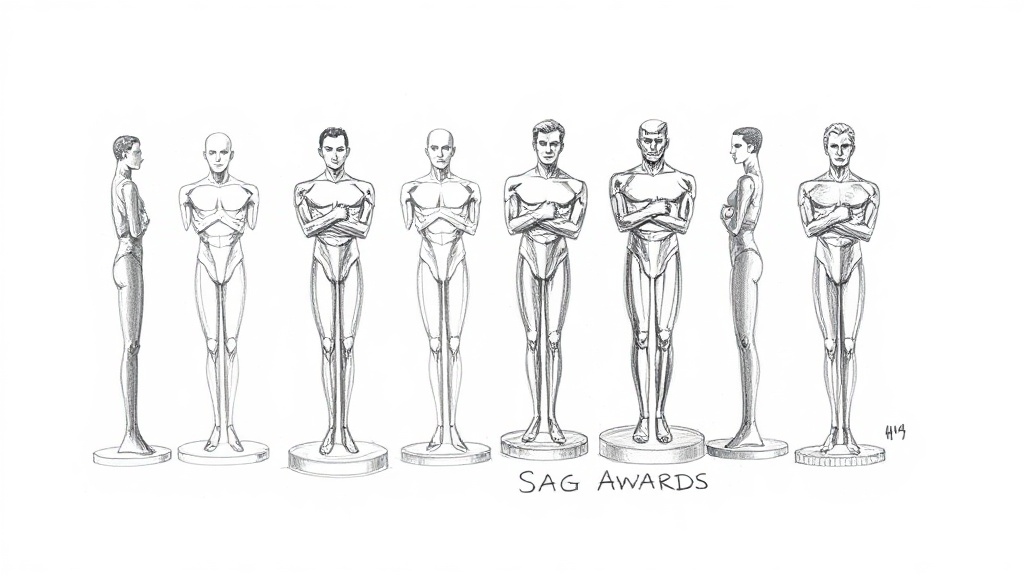
SAG Awards image

The awards also act as a cultural barometer.

Streaming services have reshaped nomination pools, with prestige shows and films from nontraditional distributors competing head-to-head with legacy studios. This has broadened the types of roles recognized and increased visibility for diverse storytelling and international talent.

Trends shaping nominations and red carpet choices
Sustainability and ethical fashion have become more visible on the red carpet, with more actors choosing rental looks, vintage pieces, or designers committed to eco-conscious production.

Styling now often carries statements about identity and values, complementing the themes highlighted by nominees.

Diversity and representation continue to evolve. Casting that centers historically underrepresented voices gets noticed by peers, and single-season limited series are providing rich, awards-friendly roles that can propel new talent into the spotlight.

How nominees are chosen
Nominees are selected by peer nominating committees drawn from the union’s membership; winners are then voted on by the broader membership.

This two-step peer-review process emphasizes craft and community standards, which is why SAG Awards outcomes sometimes differ from critics’ lists or public-vote results.

Tips for viewers and industry watchers
– Watch acceptance speeches for industry priorities; performers often use the platform to call attention to causes and practices they want changed.
– Track ensemble winners to identify productions that might build awards momentum across other guilds and the wider season.
– Pay attention to stunt categories and technical acknowledgements—those wins increasingly drive discussions about credit and resource allocation for essential crafts.

The SAG Awards continue to reflect where on-screen acting and industry values intersect.

For audiences, they offer a focused look at performance craft; for the industry, they send a clear message about which performances, ensembles, and issues performers believe deserve recognition.

Tune in to see which performances resonate most with the people who know acting best.

How the Streaming Boom Reshaped Hollywood’s Distribution, Talent Deals, and Mid‑Budget Films

Hollywood’s transformation since the streaming boom is one of the industry’s most discussed shifts. Streaming platforms rewired how projects are financed, how films reach audiences, and what kinds of stories get told. Understanding these changes helps creators, executives, and viewers navigate a landscape where theatrical releases, streaming launches, and global markets each play a key role.

How distribution has changed
Traditional theatrical windows have shortened or disappeared for many releases. Studios now experiment with varied release strategies: exclusive theatrical runs for tentpole films, simultaneous or near-simultaneous streaming premieres for certain titles, and premium video-on-demand (PVOD) launches for smaller projects.

These choices are driven by data on viewer habits and the economics of subscriber growth versus box office receipts.

For audiences, that means more ways to watch—but also more decisions about whether to pay for a theater ticket, a streaming subscription, or a rental.

The fate of mid-budget films
One of the most visible effects is the squeeze on mid-budget features. Big-budget franchise films continue to dominate the global box office, while smaller theatrical releases struggle to compete for screens and marketing attention.

Streaming services have become a lifeline for many mid-budget, character-driven films, providing a platform that rewards niche audiences and long-tail discovery. Filmmakers who once relied on mid-level theatrical exposure increasingly turn to streaming as a primary distribution path.

Talent deals and production models
Talent arrangements have evolved.

Creators and actors now negotiate deals that factor in upfront payments, backend participation, and residuals tied to streaming performance. Studios offer first-look and overall deals to secure talent for both film and serialized content, blurring lines between film and television careers. Production techniques have also modernized: virtual production stages and LED volumes accelerate shooting schedules and expand creative possibilities, lowering costs for complex scenes while enabling more ambitious visuals.

Globalization and local content
Streaming platforms have pushed Hollywood studios to think globally. Local-language productions and region-specific stories receive larger budgets and wider promotion, as subscriber growth in international markets becomes essential.

Hollywood image

This global focus encourages diverse storytelling and opens opportunities for filmmakers outside traditional Hollywood circles to reach international audiences.

Awards, prestige, and the theatrical experience
Prestige still matters. Awards bodies and festivals have adjusted rules to reflect new release strategies, and many high-profile projects continue to prioritize theatrical premieres to capture critical attention. The theatrical experience remains valuable for event films—IMAX releases, immersive sound design, and communal viewing can still drive ticket sales.

At the same time, serialized storytelling on streaming platforms offers creators long-form character development that theatrical runs can’t match.

What this means for audiences and filmmakers
For audiences: more choice and more fragmentation. Viewers can pick between theatrical spectacles and serialized streaming narratives, but navigating subscriptions and release windows requires attention.

For filmmakers and producers: flexibility is key. Projects designed for streaming must account for different pacing and audience engagement metrics, while theatrical projects still need the scale and marketing muscle to compete on screens.

Looking ahead
Hollywood will likely continue balancing theatrical prestige with streaming reach. Successful strategies will combine strong storytelling, smart release windows, and tailored marketing for target audiences. For creators, embracing multiple formats and understanding platform expectations will be crucial to getting projects greenlit and seen. For viewers, the result is richer variety—if also a bit more complexity in knowing where to watch the next must-see title.

Car-Free Los Angeles: The Practical Guide to Exploring LA by Transit, Bike, and Foot

Los Angeles is often thought of as a city made for cars, but a quieter story is unfolding: more ways to move, eat, and explore without relying on a steering wheel. Whether you’re a visitor or a longtime Angeleno, embracing car-free travel unlocks neighborhoods, parks, and food scenes that feel more intimate and memorable.

Rethink routes: transit and micro-mobility
LA’s rail and bus network now connects key districts, making it practical to travel between Downtown, the westside, and beach cities without circling for parking.

Plan routes with transit apps that combine schedules, real-time arrivals, and first/last-mile options.

Look for park-and-ride lots at major stations if you need to drive part of the way.

Micro-mobility fills gaps efficiently. Shared bikes and e-scooters are ideal for short hops, especially on protected lanes and paved river paths. When renting, choose sturdy locks for bikes, follow local parking rules for scooters, and be mindful of hills and longer stretches when mapping out trips.

Neighborhoods to explore on foot
– Downtown LA: Walkable pockets like the Arts District, Little Tokyo, and a lively public market offer galleries, independent shops, and an expanding restaurant scene. Late mornings and early evenings give the best balance of activity and comfort.
– Silver Lake and Echo Park: These adjacent neighborhoods reward slow walking—discover mural-lined streets, small coffee roasters, and lakeside paths. They’re great for boutique shopping and casual dining.
– Venice and Santa Monica: A single visit can combine beachfront boardwalk energy, seaside bike paths, and curated dining options. Move inland a few blocks to find quieter boutiques and neighborhood cafes.
– Koreatown and Mid-Wilshire: Compact, vibrant, and dense with food options.

Many restaurants and late-night spots are steps away from transit lines.

Parks, paths, and scenic escapes
LA’s outdoor landscape is wide-ranging.

Urban parks like Griffith and smaller greenways offer miles of trails and skyline views. The LA River’s revitalized sections include bike and pedestrian paths that link neighborhoods in unexpected ways.

For coast time, the Pacific beachfront trails offer flat, pleasant rides from city sands to pierside crowds.

Practical tips for stress-free travel
– Time your trips to avoid peak commute hours when traffic and transit crowds spike.
– Carry a compact umbrella or light layer—microclimates can shift between cool coastal fog and inland warmth.
– Use apps to locate parking, bike racks, or EV chargers if you need them en route.
– Wear comfortable shoes and bring a refillable water bottle—walking and waiting are part of the experience.
– Support local businesses by arriving with an open schedule; slow travel benefits cafes, markets, and independent shops.

Food and cultural stops to plan around
Car-free days let you linger over meals, farmers markets, and gallery visits without rushing back to the car. Build a route that centers around a food destination—street tacos in an alley, a newly opened coffee roaster, or a neighborhood bakery—then add nearby cultural stops for a full day of discovery.

Try a car-free weekend

LA image

Start small: pick one neighborhood to explore entirely on foot or combine transit with a bike-share. You’ll find LA’s layers—historic theaters, craft eateries, hidden parks—are more enjoyable when discovered at human pace.

This approach changes how the city feels: more surprising, more convivial, and easier to fall in love with.

Los Angeles Commuting Guide: Transit, E-Bikes, Scooters & EV Charging

Los Angeles has long been synonymous with cars and wide boulevards, but the city’s approach to getting around is shifting.

A growing network of rail, buses, electric scooters, bike lanes, and charging infrastructure is making it easier to move across LA without relying solely on a personal vehicle.

Whether you’re a daily commuter, a visitor exploring neighborhoods, or someone thinking about going electric, there are practical options and tips to make mobility in Los Angeles smoother and greener.

Public transit: better connections, easier payments
Metro rail and bus services now offer more frequent service and improved connections between major neighborhoods and job centers. Transit agencies have focused on simplifying fares and encouraging multimodal trips—tap-and-go contactless payments and reloadable regional cards make transfers more seamless. For many trips across the valley, westside, or downtown, rail combined with a short bus or bike ride can beat driving when you factor in parking and traffic stress.

Micromobility: filling the first/last-mile gap
E-scooters, e-bikes, and docked bike systems have become essential for bridging the gap between transit stops and final destinations. These devices are widely available in dense neighborhoods and near transit hubs, and they help reduce short car trips. When using micromobility options, follow local parking rules, yield to pedestrians, and wear a helmet. For longer or hillier routes, e-bikes extend range and comfort.

Electric vehicles and charging access
Adoption of electric vehicles is expanding across the region, supported by more public chargers in parking structures, retail centers, and curbside locations.

Fast chargers can top up a battery quickly during errands, while Level 2 chargers are convenient for longer dwell times. Charging apps and maps make it easy to find availability and payment options. If you can install a charger at home or workplace, that remains the most convenient way to keep an EV ready for daily use.

Smart trip planning and apps
Real-time apps that combine transit, rideshare, micromobility, and driving options are essential tools. They help you choose the fastest or cheapest route, show transit arrival times, and flag disruptions. For regular transit users, buying a reloadable fare card or enabling mobile fare payment saves time at terminals. For visitors, planning trips around neighborhoods—like Venice, Echo Park, Koreatown, or Downtown LA—using a mix of transit and bikes can reveal a more relaxed side of the city.

Design and safety: lane improvements and enforcement
City efforts to add protected bike lanes, curb management, and traffic-calming measures have improved safety for people walking and rolling.

Motorists should remain aware of bike lanes and micromobility users, while cyclists and scooter riders must follow traffic rules and use lights at night. Improved street design continues to reduce conflicts and make streets more predictable for everyone.

Challenges and opportunities
Traffic congestion still exists, and first/last-mile access remains a key challenge, especially in lower-density neighborhoods. Equity-focused programs, community shuttles, and subsidized transit fares are part of the strategy to ensure reliable mobility for all residents. Continued investment in public transit, micromobility, and charging networks will determine how quickly the city moves toward a more sustainable transportation system.

Try a different commute this week: combine a rail trip with an e-bike ride, use park-and-ride for a stress-free drive to a transit hub, or test an EV charger during errands.

LA image

Small changes in how you move around Los Angeles add up to less congestion, cleaner air, and a more connected city experience.

Posted in LA

Why the SAG Awards Matter: Peer Voting, Ensemble Honors, and Red-Carpet Impact

Why the SAG Awards Matter: Peer Recognition, Ensembles, and Red-Carpet Moments

The SAG Awards stand out among industry ceremonies because they’re voted on by actors themselves. That peer-based recognition gives the accolades distinct credibility: winners are chosen by colleagues who understand the craft, pressures, and nuances of performance. That focus on acting—both individual and ensemble—shapes how the industry, critics, and audiences interpret the season’s most respected work.

What makes the awards unique
– Peer voting: Unlike many awards decided by critics or academies with mixed membership, the Screen Actors Guild–American Federation of Television and Radio Artists (SAG-AFTRA) lets performers evaluate performance.

That dynamic often favors emotionally truthful, technically confident portrayals.
– Ensemble emphasis: The Outstanding Performance by a Cast in a Motion Picture category highlights collaboration. Celebrating entire casts shifts attention from single-star vehicles to stories built on chemistry and group dynamics, which can boost visibility for lesser-known performers.
– Balanced film and television coverage: Categories span film, limited series, and ongoing television, reflecting the blurring lines between platforms as high-caliber storytelling migrates across streaming and broadcast.

SAG Awards image

How the awards influence awards season and careers
SAG recognition often signals industry momentum. A win or nomination can amplify awards-season narratives and attract higher-profile development deals, castings, and press. For emerging actors, ensemble nominations can be career-launching; for veterans, peer recognition reinforces professional stature.

Eligibility and voting basics
Members of SAG-AFTRA handle nominations and final ballots. Productions and performances must meet guild eligibility standards, and members receive ballots to nominate and vote. The two-step process—nominations by a subgroup, followed by final voting—helps ensure a wide range of performances are considered while preserving the peer-evaluation ethic.

Trends shaping recent ceremonies
– Streaming’s dominance: As streaming platforms continue to fund prestige projects, performances that debut on digital services routinely compete alongside theatrical releases, reshaping nomination patterns.
– Diversity and inclusion efforts: The awards community has been increasingly attentive to representation on screen and in casting.

Producers and studios that prioritize inclusive hiring often see that reflected in ensemble and individual nominations.
– Red-carpet fashion and social moments: The ceremony remains a coveted stage for style statements and cultural conversations.

Red-carpet choices and acceptance speeches often generate social-media buzz that extends viewership beyond traditional industry audiences.

Campaigning and criticism
Like other awards, the SAG Awards draw scrutiny over campaigning budgets and promotional strategies. While peer voting can counterbalance purely commercial promotion, industry lobbying still plays a role. Transparency in eligibility and voting processes remains a frequent topic among members and observers.

How viewers can get the most out of the ceremony
– Watch performances, not just winners: Pay attention to nominees across categories to discover standout work that might not win but is worth revisiting.
– Follow ensemble categories closely: These often spotlight powerful, collaborative storytelling that may fly under the radar.
– Engage with acceptance speeches: Speeches can provide insight into industry trends, community priorities, and pressing issues affecting performers.

The SAG Awards continue to matter because they center the craft of acting and honor collaboration. Whether tracking emerging talent, monitoring industry shifts, or enjoying red-carpet glamour, the ceremony offers a focused lens on the performances that define entertainment culture today.

Los Angeles Travel Guide: Best Neighborhoods, How to Get Around & Top Things to Do

Los Angeles is a city of contrasts — sun-drenched beaches, sprawling neighborhoods, and a world-class creative scene. Whether you’re visiting for a weekend or exploring like a local, knowing where to go and how to get around helps you squeeze the best from every hour.

Quick ways to get around
Traffic is part of life here, but you can avoid the worst of it by timing trips outside commute windows and combining transit options. The Metro rail and bus network reaches many attractions and connects to rail links toward the beach and suburbs. Rideshares and app-based scooters or bikes are ideal for short hops in dense neighborhoods. If you drive, plan for paid parking and allow extra time; if you prefer two wheels, look for protected bike lanes and bike-share stations.

Neighborhoods worth exploring
– Downtown LA (DTLA): A mix of museums, rooftop bars, food halls and historic theaters.

Great for architecture and nightlife.
– Hollywood & Griffith Park: Walk the Hollywood Walk of Fame or hike to city views at the observatory trails.

– Westside (Santa Monica, Venice): Beaches, piers, eclectic boardwalk scenes and bike paths along the coast.
– Silver Lake & Echo Park: Trendy boutiques, independent coffee shops, and scenic reservoir walks.

– Koreatown & Little Ethiopia: Exceptional late-night dining and vibrant food cultures.
– Culver City & Mid-City: Film studios, art galleries, and neighborhood restaurants with a local vibe.

Top things to do in Los Angeles
– Museum-hopping: From contemporary galleries to encyclopedic collections, there’s something for every taste. Look for museum-free or pay-what-you-can days if you’re on a budget.

LA image

– Beach days and coastal drives: Spend a morning at the sand, rent a bike along the boardwalk, or take a scenic drive up the coast to find quieter coves.
– Hikes with views: Popular trails offer skyline and ocean panoramas; early starts reward you with cooler temperatures and softer light.
– Food adventures: Seek out farmers markets, food halls, and family-run taco spots for authentic bites. Food tours are useful if you want curated tastings.

– Nightlife and live performances: Check listings for open-air concerts, indie venues and industry showcases across multiple neighborhoods.

Practical tips for a better visit
– Pack layers: Coastal breezes and microclimates mean mornings and evenings can be cool even after warm afternoons.
– Plan by neighborhood: Concentrate activities to minimize driving time and experience each area’s vibe.
– Book popular attractions in advance: Tickets to major museums, observatories and studio tours can sell out for peak times.
– Respect local rules for scooters and bikes: Ride in bike lanes where possible, park responsibly, and use helmets.

Sustainability and local culture
Los Angeles is increasingly focused on green initiatives — more EV chargers, expanded transit, and park revitalizations. Supporting independent businesses, using transit or micro-mobility, and visiting local markets all help keep the city’s creative ecosystem thriving.

Los Angeles rewards curiosity. Walk a little slower, try a neighborhood bakery, strike up conversation at a vendor-lined market, and you’ll find experiences beyond the postcard sights. Whether you’re chasing sunsets or studio tours, this city’s breadth of food, culture and outdoor spaces makes every visit feel full of possibility.

Posted in LA

Bel Air Living: Ultimate Guide to Privacy, Luxury Homes & Real Estate Tips

Bel Air blends timeless glamour with quietly restrained residential life, making it one of the most sought-after neighborhoods in Los Angeles. Known for sprawling estates, winding canyon roads and strong privacy, Bel Air attracts people who value security, space and sculpted landscapes while staying minutes from the city’s cultural hubs.

What defines Bel Air living
– Privacy and prestige: Many properties sit on large, gated lots or inside private enclaves. Mature trees, long driveways and professional landscaping create a sense of seclusion that distinguishes Bel Air from denser parts of the city.
– Architectural variety: Expect a mix of Mediterranean Revival, Spanish Colonial, classic Hollywood Regency, mid-century modern and ultra-contemporary designs. Buyers often search for restored period homes or architect-designed modern estates with floor-to-ceiling glass and seamless indoor-outdoor flow.
– Quiet residential character: Unlike nearby areas with busy commercial strips, Bel Air is primarily residential. The neighborhood’s top hospitality addresses and private clubs provide dining and social options without altering the neighborhood’s peaceful vibe.

Location advantages

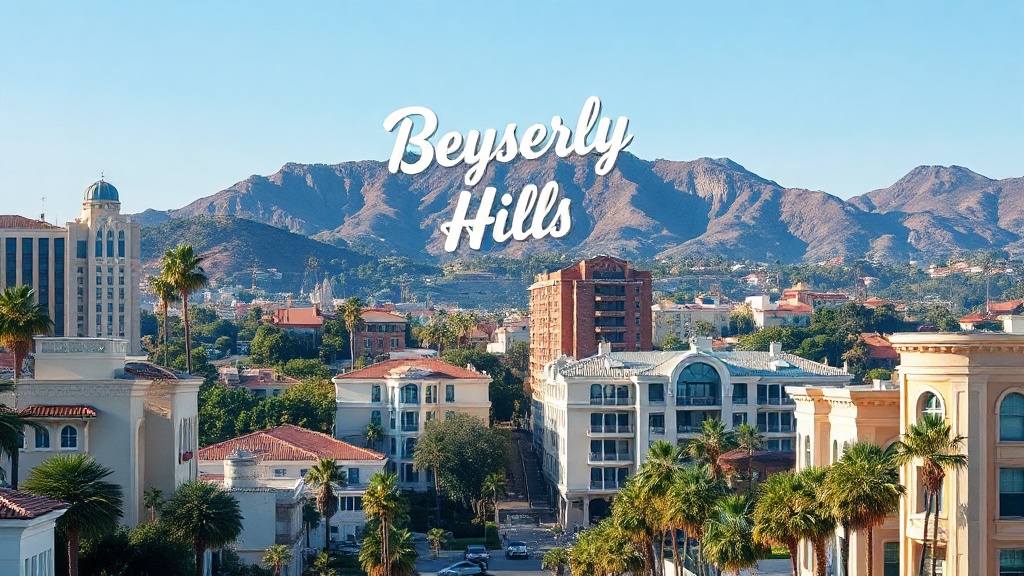
Bel Air image

Bel Air sits amid major cultural and educational anchors, with world-class museums, universities and upscale retail a short drive away. Scenic drives along Mulholland and canyon roads connect residents with hiking, scenic overlooks and the coastal foothills, balancing urban convenience with nature access.

Real estate considerations
– Lot and site specifics: Many lots are on hillside terrain, offering panoramic views but also requiring careful evaluation of slope stability, drainage and access. A thorough geotechnical and structural inspection is essential for hillside purchases.
– Privacy and security: Buyers commonly invest in enhanced perimeter security, landscaping that provides visual screening, and smart-home integration for remote surveillance and access control.
– Maintenance and operating costs: Large properties with pools, guesthouses and extensive grounds come with higher upkeep, staffing and utility costs. Budgeting for landscape, pool and home-systems maintenance is critical.
– Architectural restrictions and permits: Some properties are within homeowners’ associations or overlay districts that have rules for renovations.

Check permit histories and neighborhood guidelines before planning major projects.

Lifestyle and amenities
Bel Air favors low-key luxury: elegant private hotels, members-only clubs and mansion-style entertaining more than nightlife. Nearby neighborhoods supply restaurants, boutique shopping and everyday services, while private estate amenities—home theaters, wine rooms, gyms and spa facilities—meet most lifestyle needs on-site.

Outdoor life and recreation
Hillside trails, canyon greenbelts and scenic drives create ample opportunities for walking, jogging and mountain biking. Many residents take advantage of private outdoor spaces—terraces, pools and gardens—designed for year-round Southern California living.

Tips for buyers and sellers
– For buyers: Align expectations around privacy, maintenance and project timelines. Work with agents and inspectors experienced in hillside and luxury properties to uncover site-specific issues early.
– For sellers: Highlight mature landscaping, privacy features, recent systems upgrades and permitted improvements. Professional photography and virtual tours showcase scale and light, which are crucial for attracting qualified buyers.
– For both: Verify neighborhood rules, access to emergency services, and defensible-space practices for hillside wildfire resilience. These practical checks protect investment and personal safety.

Bel Air remains appealing for those who want a quiet, high-end residential enclave near LA’s cultural offerings.

With careful due diligence and the right design and maintenance plans, properties here function as private retreats that still keep residents connected to the city’s best amenities.