Los Angeles is changing the way people move.
What used to be defined by long drives and freeway bottlenecks is evolving into a more multimodal city where rail, buses, bikes, scooters and walking all play a role.
Whether you commute across multiple neighborhoods or plan to explore LA without a car, understanding the transit landscape makes getting around easier and more enjoyable.
Why transit matters in LA
Traffic and parking remain major headaches, but public transit improvements and a growing network of bike lanes and shared-mobility options are giving Angelenos practical alternatives. Better connections between job centers, neighborhoods and cultural hubs are unlocking easier access to work, nightlife and parks — and reducing the time you spend hunting for parking.
What to expect on the ground
– Rail and buses: The Metro rail network now reaches far beyond downtown, with new segments and extensions expanding access to the Westside and coastal neighborhoods.
Frequent bus rapid transit lines and upgraded stations make many corridors faster and more reliable than before.
– Micro-mobility: Dockless scooters and shared e-bikes are common in dense neighborhoods and near transit hubs. These options handle last-mile trips and short errands effectively, especially when parking or traffic are concerns.
– Bike infrastructure: Protected bike lanes are being added in many districts, making cycling more viable for commuting and recreation.
Popular routes connect residential areas to transit stations, business corridors and parks.
– Pedestrian improvements: Streetscape upgrades, wider sidewalks and “People Street” plazas are creating more walkable retail districts and safer crossings in many neighborhoods.
Smart tips for smoother trips
– Plan with apps: Use real-time transit apps or the Metro app for arrival times and service alerts. Combining rail or BRT with a short scooter or bike ride often saves time.
– Tap and go: Contactless fare cards and mobile ticketing speed boarding on buses and rail. Keep your payment method topped up if you rely on transit for daily commutes.
– Mind last-mile options: If your destination is a few blocks from the station, check for scooter or bike parking and be ready to switch modes. Micro-mobility companies often have designated parking zones near major stops.
– Park smart: If you must drive, park-and-ride lots near major rail stations can cut commute time and stress. Compare costs and arrival frequency before choosing a lot.
– Safety first: Wear a helmet while biking or scooting, obey local traffic rules, and park shared devices out of sidewalks to avoid fines and keep sidewalks accessible.
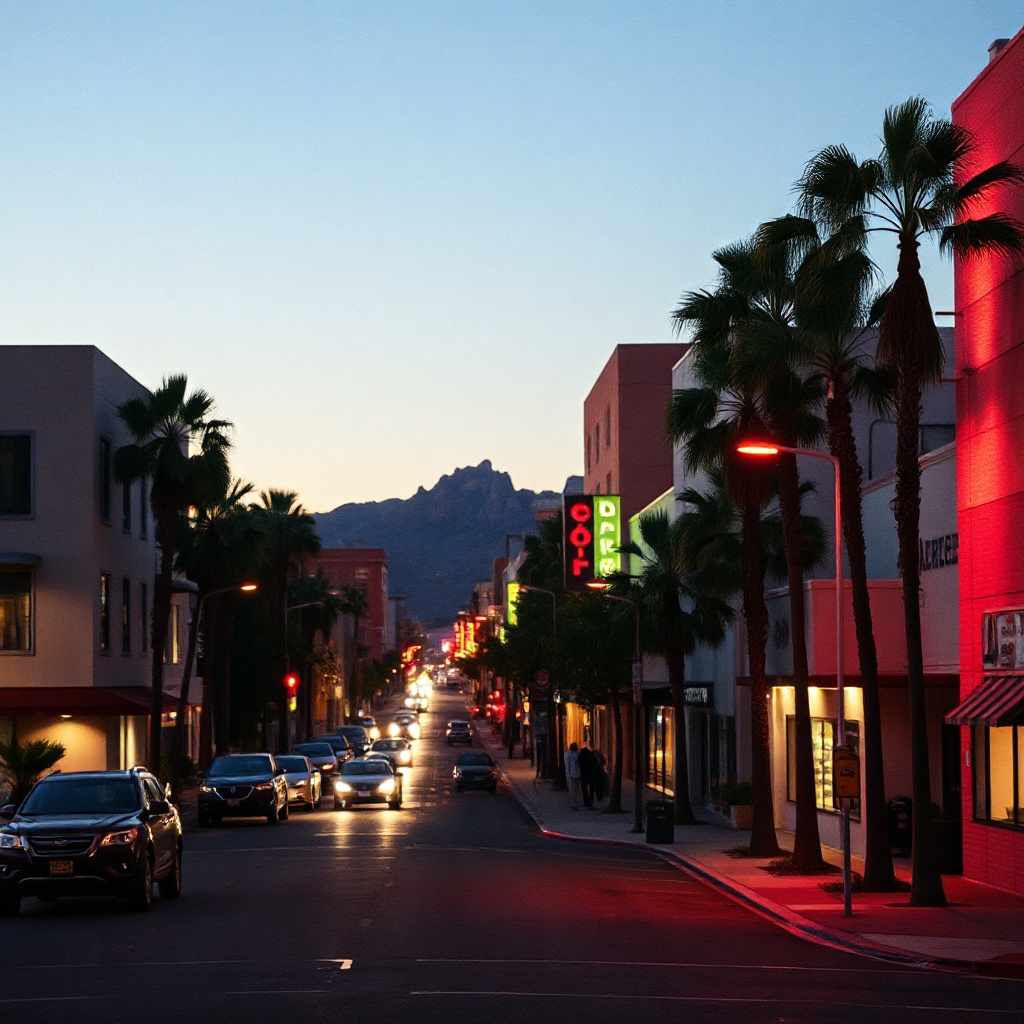
Neighborhood travel ideas
– Try combining rail and walking in neighborhoods with dense retail and food scenes to avoid parking hassles.
– Use bike-friendly corridors for routes to parks and coastal areas where traffic is slower and the scenery is better.
– Explore cultural districts via transit on nights and weekends when parking is tight; many venues are near major stops.
Looking ahead
The trend toward more connected, multimodal travel will keep evolving. For residents and visitors, embracing a mix of rail, buses, micromobility and walking delivers flexibility, reduces stress and often cuts travel time. Start by mapping one or two car-free trips a week — you might be surprised how much time and money you save, and how many new corners of the city you discover.