Here are five SEO-friendly blog title options—recommended primary in first position:

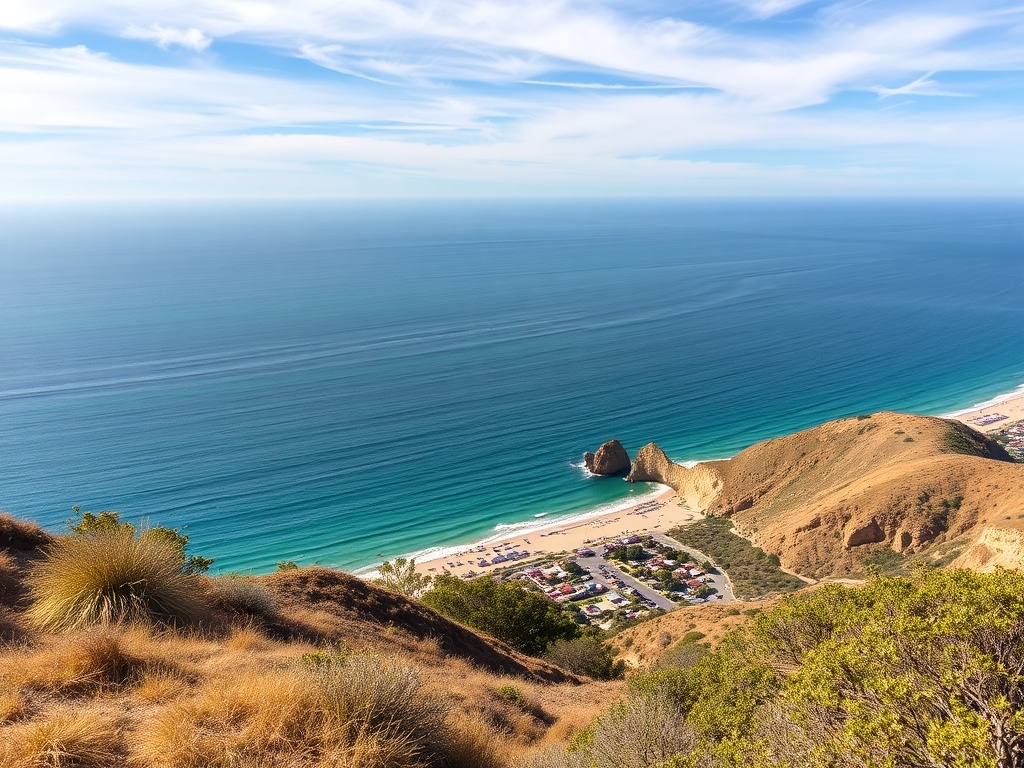
Malibu blends dramatic coastline, world-class surf, and a strong culture of conservation, making it a compelling destination for residents and visitors alike. Whether chasing the perfect wave, hiking through coastal canyons, or exploring a lively local dining scene, Malibu offers a range of experiences that showcase Southern California’s coastal lifestyle.

Beaches and surf
Malibu’s beaches are its signature attraction. Wide, sandy stretches like Zuma and the more iconic Surfrider attract families, sunbathers, and surfers. Surfrider Beach is famous for long, peeling right-hand breaks that reward longboarders and experienced shortboarders, while calmer coves provide safer swimming and tidepool exploration.

Beachgoers should check tide charts and local surf reports before heading out, wear reef-safe sunscreen, and be mindful of posted flags and lifeguard guidance.

Hiking and outdoor recreation
The nearby Santa Monica Mountains create a network of trails with ocean views, wildflower meadows, and dramatic cliffside overlooks.

Popular routes lead to viewpoints at Point Dume, and hikes into Malibu Creek State Park reveal rock formations and riparian habitats.

Birdwatchers and photographers find early mornings especially rewarding. Pack water, sunscreen, layered clothing for coastal winds, and stay on marked trails to protect fragile vegetation.

Wildfire resilience and environmental stewardship
Malibu’s dry Mediterranean climate and rugged terrain make wildfire preparedness and land management priorities. Local communities, agencies, and land trusts collaborate on fuel reduction, defensible-space guidelines, and vegetation management to reduce risk while protecting native ecosystems. Homeowners and visitors are encouraged to follow evacuation guidance when issued, keep defensible space clear around structures, and support restoration projects that improve habitat resilience.

Coastal conservation and erosion management
Erosion, sea-level rise, and storm-driven debris shape Malibu’s coastline. Efforts to balance public beach access with natural shoreline dynamics include managed nourishment, dune restoration, and restrictions on beachfront development in particularly vulnerable zones. Supporting local conservation groups, respecting protected areas, and avoiding sand removal or dune disturbance helps preserve the coast for future visitors.

Local food and culture
Malibu’s dining scene pairs seafood-forward cuisine with relaxed beach culture.

From casual beachfront cafes to upscale farm-to-table restaurants, the area emphasizes fresh, local ingredients and ocean views. Small galleries, surf shops, and cultural events round out a day outside, offering ways to connect with the community and local artisans.

Practical tips for visitors
– Parking: Many popular spots fill early; arrive ahead of peak times and carry change or a digital payment app for metered lots.

Malibu image

– Permits and access: Some trailheads and special use areas require parking permits or have limited access—check local parks’ websites before traveling.
– Respect private property: Much of Malibu’s coastline borders private residences; use public access points and follow signs.
– Safety: Ocean conditions can change quickly—be cautious of rip currents and strong surf. Keep children and pets supervised near water.

Malibu’s combination of natural beauty and active stewardship keeps its coastline vibrant and accessible.

Visitors who come prepared, tread lightly, and support local conservation efforts will leave with memorable experiences and contribute to the long-term health of this iconic coastal community.
Malibu Travel Guide: Best Beaches, Surf Spots & Outdoor Escapes

Malibu: Coastal Charm, Surf Culture, and Outdoor Escape

Malibu image

Malibu is synonymous with sun-drenched beaches, classic surf breaks, and a coastal lifestyle that draws visitors and residents alike.

Stretching along the Pacific Coast Highway, this iconic coastline blends rugged cliffs, sandy coves, and a small-town vibe that’s ideal for day trips, weekend getaways, or long-term living.

Beaches and Surfing
Malibu’s beaches are its headline attractions. Surfrider Beach is legendary for its long right-hand point break—perfect for experienced surfers chasing perfectly peeling waves. Zuma Beach offers wide sandy stretches and strong shorebreaks that are popular with families and lifeguards keep watch during peak times. For dramatic scenery and tidepool exploration, head to El Matador or Point Dume State Beach, where sea caves and high bluffs reward photographers and sunset chasers.

Outdoor Activities and Trails
Beyond the sand, Malibu’s canyons and creeks deliver excellent hiking, mountain biking, and wildlife viewing. Trails such as Solstice Canyon and the routes through Malibu Creek State Park lead to waterfalls, rock formations, and vistas of the Santa Monica Mountains. Hikers should prepare for sun exposure, bring water, and check local trail conditions—some paths can be impacted by storms or seasonal closures.

Wildlife, Conservation, and Coastal Challenges
Malibu’s coastal ecosystem supports diverse marine life, migratory birds, and native plant communities. Local conservation efforts focus on restoring wetlands, protecting dune systems, and improving water quality in lagoons and estuaries.

Coastal erosion, storm impacts, and wildfire risk are persistent concerns; these pressures have prompted community-driven resilience planning, vegetation management, and habitat restoration projects.

Food, Shopping, and Local Culture
The dining scene ranges from casual seafood shacks to farm-to-table waterfront restaurants along the pier and PCH. Boutique shopping, art galleries, and upscale lifestyle centers offer curated goods and relaxed browsing. Cultural touchstones include historic sites, surf museums, and film locations that reflect Malibu’s long association with outdoor leisure and creative communities.

Practical Tips for Visiting
– Traffic and timing: The Pacific Coast Highway is scenic but can become congested. Plan travel outside peak commute windows and consider arriving early on weekends to secure beach parking.
– Beach safety: Respect posted flags and lifeguard instructions; rip currents are common in some areas. Check tide charts before exploring tidepools or sea caves.
– Parking and fees: Many popular beaches and trailheads have paid parking or time limits—carry change or a mobile payment option.
– Leave no trace: Pack out trash, avoid disturbing wildlife, and stick to designated paths to protect sensitive habitats.

Real Estate and Lifestyle
Malibu’s real estate market is characterized by beachfront estates, hillside retreats with panoramic ocean views, and smaller inland properties that offer privacy and canyon access.

Development is carefully regulated, with coastal oversight aimed at balancing access, natural preservation, and hazard mitigation.

For those considering a move, engaging local experts familiar with coastal regulations and resilience strategies is essential.

Why Malibu Remains Magnetic
Malibu continues to attract people for its unique mix of natural beauty, outdoor recreation, and relaxed coastal culture.

Whether you come for a surf session, a sunset hike, or a leisurely meal overlooking the ocean, the area rewards visitors who take the time to explore beyond the famous stretches of sand. With ongoing conservation and community efforts, Malibu aims to preserve the landscapes and lifestyle that make it a standout coastal destination.

Malibu: A Coastal Guide to Beaches, Hikes, and Local Flavor

Malibu: A Coastal Guide to Beaches, Hikes, and Local Flavor

Malibu draws visitors for one reason: the coastline. From dramatic cliffs and hidden coves to surf breaks and scenic trails, this stretch of coast offers a compact mix of outdoor adventure, relaxed dining, and ocean-side charm.

Whether you’re planning a day trip or a longer escape, focus on a few essentials to make the most of Malibu’s natural beauty.

Top beaches and what to expect
– Zuma Beach — Wide sand, reliable surf, and good facilities make it a family-friendly choice. Lifeguards are typically on duty and there’s ample space for beach games and long walks.
– El Matador State Beach — Known for sea stacks, sea caves, and striking rock formations, this beach rewards those willing to climb down the stairs for dramatic photo opportunities and quieter tide pools.
– Point Dume State Beach — Cliffs, panoramic views, and bluff-top trails offer sweeping ocean vistas. It’s a great spot for whale watching from shore during migration seasons.
– Surfrider Beach — A prime break for longboarding and a hub of surf culture. Expect crowds when conditions are ideal.

Hiking and coastal overlooks
Malibu’s trails are an extension of the beach experience.

Look for coastal bluffs and ridgelines that combine easy accessibility with big views. Short hikes at local preserves lead to overlooks where you can watch surfers or spot dolphins offshore. Pack layers — even on sunny days the wind off the Pacific can be brisk.

Dining and local flavors
Malibu’s dining scene reflects its coastal identity: fresh seafood, farm-driven produce, and casual cafés with ocean views. Explore a mix of beachfront cafés for casual bites and tucked-away bistros for a more refined meal. Farmers markets and local purveyors are great sources for picnic supplies if you plan to dine on the sand.

Sustainable and respectful visiting
Because much of Malibu’s appeal comes from its natural habitats, mindful visitation matters. Stick to marked trails and beach access points, carry out trash, and avoid disturbing wildlife in tide pools and dunes. Many local businesses support conservation efforts; choosing eco-conscious operators helps preserve the coast for future visitors.

Planning tips and practicalities
– Parking can fill up quickly at popular beaches and trailheads; arriving early or visiting on weekdays usually helps.
– Tides change daily and affect beach accessibility; check tide charts before planning visits to sea caves or tide-pool areas.
– Restroom and shower facilities vary by location; some beaches have full amenities while others are more primitive.
– Respect private property and posted signs — many beachfront stretches back up to residential areas where access is limited.

Experiences to prioritize
– Sunrise or sunset beach walks for quieter, softer light and cooler temperatures.
– A surf lesson for beginners — local surf schools can provide boards, instruction, and safety guidance.
– Tide-pooling during low tide to discover small marine life (observe without removing or disturbing creatures).
– A coastal drive with stops at overlooks, small galleries, and local shops to experience Malibu beyond the sand.

Malibu remains a destination where natural scenery and laid-back coastal culture meet.

With a little planning and a respectful approach to the environment, it’s easy to enjoy iconic beaches, memorable hikes, and the local culinary scene while helping preserve what makes the coastline special.

Malibu image

Malibu Travel Guide: Beaches, Surf, Hiking, Dining & Coastal Conservation

Malibu is where dramatic coastal scenery meets an active, outdoor lifestyle. Stretching along the Pacific with iconic cliffs, wide sandy beaches and tucked-away canyons, it’s a compelling mix of surf culture, nature, and upscale dining. Whether you’re planning a day trip or scouting a longer stay, here’s what to know to make the most of Malibu’s coastline and hinterland.

Beaches and surf
Malibu’s beaches are among the most photographed on the West Coast. Zuma Beach offers long stretches of sand and reliable lifeguard coverage, making it ideal for families. Surfrider Beach, near the Malibu Pier, is famous for its long right-hand point break and is a must for anyone interested in classic Malibu surf culture. For dramatic views and tide pools, Point Dume’s cliffs provide excellent vantage points for sunsets and seasonal whale watching from shore.

Outdoor recreation
The Santa Monica Mountains that back Malibu are threaded with trails for hiking, mountain biking and birdwatching. Malibu Creek State Park contains rolling chaparral, rock pools and the scenic rock formations that draw explorers and photographers. Trails range from easy coastal walks to more strenuous canyon routes; bring sun protection and water, and plan for limited shade on many exposed sections.

Dining and local flavor
Dining in Malibu runs the gamut from casual beachside cafés serving fresh seafood to refined restaurants with panoramic ocean views.

Farmers’ markets and local purveyors emphasize seasonal, locally sourced ingredients—perfect complements to the area’s maritime bounty. For a quintessential experience, stop by a pier-side eatery to enjoy ocean breezes with your meal.

Conservation and water quality
Conservation is central to Malibu’s identity. Local efforts focus on protecting marine habitats, reducing stormwater runoff and restoring coastal wetlands and creeks that feed into the ocean. When visiting tide pools and sensitive habitats, practice leave-no-trace principles: observe wildlife from a distance, avoid removing shells or marine life, and follow posted signage.

Safety, access and practical tips
– Parking: Many popular beaches have paid parking lots that fill quickly on busy days; arrive early or use smaller, less-trafficked access points.

– Rules: Dogs, fires and drones are regulated on different beaches—check local signage and ordinances before you visit.
– Tide pools and cliffs: Watch your footing and be cautious around slippery rocks and receding tides.
– Wildfire and weather awareness: The region can experience high fire danger and strong offshore winds at times—monitor local alerts and have an exit plan if you’re staying overnight.
– Respect private property: Significant portions of the coastline are adjacent to private residences; use public access points and respect closures.

Real estate and coastal stewardship

Malibu image

Malibu’s real estate market is shaped not only by ocean views and celebrity appeal but also by coastal regulations and environmental risks such as erosion and landslides.

Community planning often balances preservation of natural beach access with the need for resilient infrastructure. For prospective buyers or renovators, understanding local permitting processes and conservation rules is essential.

Why Malibu matters
Beyond its scenic beauty, Malibu is a living example of a coastal community negotiating the tensions between development, recreation and conservation. Visitors who come prepared—respecting habitats, following local rules and prioritizing safety—find a place where ocean, mountains and community converge in a uniquely Californian way.

Malibu Travel Guide: Beaches, Surf, Hikes & Eco Tips

Malibu blends dramatic coastal scenery with an easygoing, upscale lifestyle — a coastal playground where outdoor adventure, surfing culture, and mindful conservation meet.

Whether you’re planning a day trip or exploring as a longer stay, focusing on the coastline, trails, and local food will give you the most authentic experience.

What to see and do
– Beaches and surfing: Malibu’s beaches range from broad, family-friendly stretches to surf breaks famous with locals. Popular spots attract surfers at dawn and offer prime sunset viewing later in the day.

For a quieter experience, arrive early and follow posted parking instructions.
– Iconic spots: A stroll along the pier, dramatic cliffs at Point Dume, and tide pools at the northern beaches are all classic Malibu moments. These areas are great for photography, short hikes, and spotting marine life from afar.
– Hiking and nature: Coastal trails provide spectacular ocean vistas and a chance to see native plants and birds. Choose trails that match your fitness level, wear sturdy footwear, and carry water — coastal winds can make conditions feel more demanding than expected.
– Local dining and cafés: Malibu’s culinary scene emphasizes fresh seafood, farm-to-table produce, and relaxed beachfront dining.

Reservations are common for popular spots, especially on weekends, so plan ahead for a smoother experience.

Responsible coastal recreation
Malibu’s natural beauty depends on careful stewardship. Respect wildlife and habitats by staying on marked trails, observing tide pools without touching or removing organisms, and packing out all trash. Keep an eye on posted signs that indicate seasonal closures or protected areas to preserve nesting birds and fragile ecosystems.

Practical tips for visitors
– Timing: Early mornings provide easier parking, calm surf for photo-friendly waters, and softer light for landscape shots.

Late afternoons offer warmer light and dramatic sunsets but expect crowds.
– Layer up: Coastal microclimates mean cool breezes and stronger sun. A light windbreaker and sunscreen are essentials.
– Tide awareness: Check tide charts before visiting tide pools or planning beach hikes. Low tide reveals the best intertidal sights; high tide can restrict beach access.
– Parking and access: Street parking and public lots can fill quickly near popular beachheads. Consider alternative transportation or plan to arrive outside peak hours.
– Leave no trace: Take food wrappers and single-use plastics with you. Small efforts help maintain clean beaches and protect marine life.

Living with the environment
The community places strong emphasis on fire resilience, water stewardship, and protecting coastal ecosystems. Local initiatives often promote native landscaping, emergency preparedness, and sustainable building practices.

Visitors who respect rules and local customs help support these long-term efforts.

Why Malibu resonates
Malibu’s appeal is simple: dramatic ocean views, accessible outdoor activities, and a laid-back yet refined coastal vibe. Whether you’re seeking surf, a scenic hike, a relaxed meal by the sea, or simply a place to unwind, Malibu delivers a combination of natural beauty and coastal culture that keeps people coming back. Plan thoughtfully, tread lightly, and you’ll get the most out of this iconic stretch of coastline.

Malibu image

Malibu Guide: Surf, Best Beaches & Coastal Conservation Tips

Malibu: Surf, Sand and the Balance Between Coastline Living and Conservation

Malibu captures the imagination for good reason — dramatic cliffs, wide sandy beaches, iconic surf breaks and winding canyons offer a coastal escape that feels both glamorous and grounded. Whether planning a short visit or exploring local trails and tide pools, understanding Malibu’s natural rhythms and community priorities will help you make the most of the coastline.

Top spots to visit
– Surfrider Beach: Famous for its long right-hand point break, Surfrider draws surfers and spectators.

The pier nearby provides panoramic views and easy access to restaurants.
– Zuma Beach: Wide sand and consistent waves make Zuma ideal for families and beach activities. Lifeguards are usually present; check local advisories for conditions.
– El Matador and Point Dume: Sea caves, dramatic bluffs and excellent sunset vantage points reward a short walk from roadside parking. These areas can involve stairs and uneven terrain — wear sturdy shoes.
– Malibu Creek State Park and Solstice Canyon: For inland adventure, these preserves offer hiking, rock climbing and glimpses of native flora and wildlife. Trails range from gentle walks to more strenuous climbs.

Practical visiting tips
– Arrive early for the best parking and quieter beaches, especially on weekends and holidays. Street parking and lots can fill quickly.
– Check tide charts and surf reports before exploring tide pools or low-lying areas — tides and strong currents change access and safety.
– Respect private property and local access points; many coastal lots are private and public access points should be used responsibly.

Malibu image

– Bring sun protection, reusable water, and waste bags. Public restrooms are available at major beaches but can be limited at smaller coves.

Outdoor etiquette and safety
– Observe posted safety warnings and lifeguard directions. Rip currents are common along the coast; if caught in one, swim parallel to shore to escape the flow.
– Keep dogs on leashes where required and clean up after them.

Some beaches restrict dogs during peak hours or seasons.
– Drones and commercial filming often require permits; check local regulations before flying or operating equipment.

Conservation and coastal challenges
Malibu’s beauty comes with environmental responsibility. Coastal erosion, sea level shifts and wildfire risk shape stewardship efforts across the region.

Native dune and coastal sage habitats are sensitive; staying on designated paths and avoiding trampling vegetation helps preserve biodiversity. Participation in local cleanups and supporting conservation organizations focused on shoreline protection and habitat restoration amplifies community efforts.

Dining and culture
Malibu’s dining scene leans into fresh, coastal ingredients with an emphasis on farm-to-table offerings. Beachside cafés and upscale restaurants near the pier and along the Pacific Coast Highway cater to a range of tastes, from relaxed post-surf lunches to refined evening meals.

The city’s strong creative presence is reflected in galleries, community events and occasional open-air concerts.

A lasting coastal experience
Visiting Malibu is as much about slowing down as it is about seeing sights. Take time to watch surfers at dawn, explore a canyon trail, or simply listen to waves from a bluff. By combining thoughtful planning, respect for the environment and an openness to local rhythms, a trip to Malibu can be restorative and inspiring for every kind of traveler.

Ultimate Malibu Travel Guide: Best Beaches, Surf Spots, Hikes & Day-Trip Tips

Malibu blends iconic surf culture, dramatic coastal scenery, and a relaxed luxury lifestyle into a magnetic destination along the Pacific coast.

Whether you’re chasing the perfect wave, planning a scenic day trip, or exploring nature trails, Malibu delivers a timeless Southern California experience.

Why people come to Malibu
– Beaches: Surfrider Beach is legendary for longboard-friendly waves and a lively surf community. Zuma Beach offers wide sands and family-friendly amenities. For dramatic cliffs, sea caves, and striking sunsets, El Matador and Point Dume never disappoint.
– Outdoor adventure: Malibu Creek State Park and Solstice Canyon provide accessible hikes through oak woodlands, creekside paths, and interesting ruins. Point Dume’s promontory is a favorite for short hikes and occasional whale watching from the cliffs.

Malibu image

– Scenic drive and culture: The Pacific Coast Highway through Malibu is one of the most photographed coastal drives—pull over at safe viewpoints to take in ocean vistas, rock formations, and beachside architecture. The Malibu Pier anchors a cluster of restaurants and casual dining with ocean views.
– Local scene: Boutique shopping and relaxed café culture thrive at spots like the Country Mart. The area also has a strong conservation ethos—local groups and community efforts focus on coastal water quality, habitat restoration, and responsible beach access.

Practical tips for a smoother visit
– Beat the congestion: Traffic along the coastal highway can be heavy. Arrive early for popular beaches and parks, especially on weekends and holidays.
– Parking and access: Many beaches have paid parking lots and timed restrictions—read signs and park only in designated areas. Some popular access points require a short walk from parking to the sand.
– Water safety: Rip currents are present at many Malibu beaches.

Swim near lifeguarded areas, check posted advisories, and never turn your back on the ocean.
– Respect private property: Much of Malibu’s coastline is adjacent to private residences. Stick to public access points and marked trails.
– Wildfire awareness and preparedness: The region’s landscape is fire-prone; stay aware of local advisories if planning overnight stays or exploring remote areas.

Create a simple emergency plan if staying locally.

Dining, surf, and local flavors
Malibu’s dining scene ranges from relaxed beachfront cafés to refined oceanfront restaurants.

Fresh seafood and California-driven menus are staples; many places emphasize outdoor seating with ocean views for a quintessential coastal meal. For coffee lovers and boutique shopping, the village centers provide a mellow pace with small shops and local artisans.

Sustainability and community
Conservation runs deep in Malibu. Community groups advocate for clean water, beach preservation, and coastal wildlife protection. Visiting with a leave-no-trace mindset—pack out trash, avoid disturbing tidepool habitats, and use refillable water bottles—makes a positive impact on this fragile coastline.

A day in Malibu
A classic day could start with breakfast at a café by the pier, a morning surf session at Surfrider, a picnic or sunbathing at Zuma, and a late-afternoon hike up to Point Dume for sunset. Finish with dinner overlooking the ocean and a slow drive back along the Pacific Coast Highway.

Malibu remains a place where natural beauty meets a laid-back coastal lifestyle. Whether you’re there to surf, hike, dine, or simply breathe in the sea air, planning ahead and respecting local guidelines helps preserve what makes Malibu special for residents and visitors alike.

Discovering Malibu: Exploring the Nature, Culture, and Culinary Delights of California’s Coastal Gem

Malibu, nestled snugly along the Pacific coastline, has long been a destination that appeals to those seeking a blend of natural beauty, beachside living, and a dash of glamour.

With its picturesque landscapes encompassing sun-kissed beaches, rugged mountains, and expansive vineyards, Malibu effortlessly exudes an air of tranquility and allure.

One cannot discuss Malibu without highlighting its stunning beaches. Zuma Beach, a local favorite, offers an idyllic setting for sunbathing, picnicking, and spotting the occasional dolphin. Meanwhile, Surfrider Beach, renowned worldwide for its exceptional surf break, is a paradise for surfers. This iconic beach, adjacent to the historic Malibu Pier, is a part of the Malibu Lagoon State Park—a pristine estuary teeming with birdlife.

For those seeking a more active way to appreciate Malibu’s exquisite scenery, trail hiking is a popular choice. Trails weaving in and out of the Santa Monica Mountains offer breathtaking panoramic views. The Solstice Canyon trail, for instance, reveals the fascinating ruins of a former estate, while the Backbone Trail offers an ambitious trans-mountain hike for more adventurous explorers.

Beyond its natural wonders, Malibu is also home to an array of cultural landmarks. The Getty Villa stands as a testament to art and culture, housing an impressive collection of ancient Greek and Roman art. The villa itself, with its striking architecture and meticulously manicured gardens, is a work of art. Furthermore, Pepperdine University’s sprawling campus is not just renowned for its educational prowess, but also for its remarkable panoramic ocean views.

Wine enthusiasts would delight in the fact that Malibu, today, is earning recognition in the wine-making industry. With its unique microclimate, Malibu’s vineyards produce a variety of wines acclaimed for their distinct flavors.

A visit to one of these vineyards offers the opportunity to taste these remarkable wines while soaking in the picturesque views of rolling vineyards against the backdrop of the Pacific Ocean.

The charm of Malibu extends to its culinary scene as well. With a diverse range of eateries that serve everything from fresh seafood to gourmet burgers, food lovers can satiate their cravings while enjoying views of the majestic Pacific. Noteworthy establishments include the Malibu Farm Restaurant, a farm-to-table establishment that sits at the end of the Malibu Pier, and Nobu Malibu, a high-end Japanese restaurant with a reputation for its innovative cuisine and spectacular sunset views.

Lastly, the essence of Malibu lies in its community.

Despite its widespread popularity, it has managed to retain a small-town charm, primarily due to the warmth and welcoming nature of its residents.

Regularly organized farmers’ markets, community fairs, and charity events keep the spirit of community alive.

Malibu image

In conclusion, the allure of Malibu goes beyond its fame as a celebrity hideaway or a beach lover’s paradise.

It offers a harmonious blend of natural beauty, outdoor activities, cultural attractions, and culinary delights, all under the nurturing warmth of a tight-knit community. Whether you’re a nature enthusiast, a history buff, a foodie, or simply someone seeking a serene retreat, Malibu, with its enchanting appeal, is a destination that caters to all.

Experience the Opulence: Unveiling the Luxurious Beachfront Lifestyle of Malibu

The glamorous city of Malibu, located in the sun-soaked region of Southern California, has long been synonymous with luxury, beauty, and a slow-paced, beach-centric lifestyle. With its pristine beaches, high-end real estate and restaurants, and an abundance of outdoor activities, this Pacific coast paradise has established itself as a sought-after destination for both tourists and potential residents.

Known for its 21-mile stretch of coastlines, Malibu is home to some of the most stunning and renowned beaches worldwide.

Among these, Zuma Beach is a jewel in the crown. Its wide sandy expanse and excellent surf make it a popular choice for beachgoers.

Malibu image

Not to forget Surfrider Beach, which is globally acclaimed for its wave quality, attracting surfers across the globe. Meanwhile, El Matador State Beach, with its sea caves and striking rock formations, is a go-to spot for a romantic sunset or a relaxed day out.

For those seeking a break from the sand and surf, Malibu boasts an array of other outdoor activities. The Santa Monica Mountains, which form a beautiful backdrop to the city, offer numerous hiking trails with spectacular panoramic views. For wine connoisseurs, the Malibu Wine Safaris offers an unforgettable experience, combining scenic landscapes, exotic animals, and tastings of locally produced wines.

The Malibu real estate market is a vibrant mix of beachfront homes, hillside retreats, and modern mansions, each boasting astounding views of the Pacific. Many of these properties have become architectural landmarks, showcasing innovative designs that blend luxury with environmental sustainability.

Dining in Malibu is an experience in itself. The city offers a wide range of restaurants that serve a variety of international cuisines. Nobu Malibu, a high-end Japanese restaurant, is a local favorite, offering breathtaking ocean views along with its mouthwatering sushi. The Malibu Farm, a charming eatery located at the end of the Malibu Pier, serves locally sourced, organic fare, reflecting the city’s health-conscious ethos.

Malibu is not only about the ostentatious lifestyle; it’s also deeply rooted in history and culture. The Getty Villa, an educational center and museum, houses an impressive collection of ancient Greek, Roman, and Etruscan artifacts. The Malibu Lagoon Museum, located in the Adamson House, provides a fascinating insight into the region’s rich history.

Currently, Malibu is making strides towards environmental conservation. Local organizations and residents are actively participating in initiatives to protect the city’s beautiful landscapes and marine life. The city has implemented strict policies to reduce plastic usage and is encouraging sustainable practices among businesses and residents.

Whether it’s the allure of the sparkling Pacific, the charm of hillside vineyards, or the sophistication of its gastronomy scene, Malibu offers a lifestyle that is both leisurely and luxurious.

It’s a city where you can surf in the morning, hike in the afternoon, and dine at a gourmet restaurant in the evening while watching a breathtaking sunset.

The seamless blend of natural beauty, luxury, and a commitment to sustainability make Malibu a coveted destination and a symbol of California’s distinctive allure. It’s more than just a city – it’s an experience that embodies the quintessential Southern Californian lifestyle.

Unearthing Malibu’s Hidden Gem: A Journey Through Its Emerging Wine Scene

Craving a refreshing Chardonnay or a complex, earthy Pinot Noir? Look no further than the scenic beauty of Malibu. Known for its spectacular beaches and celebrity homes, the region has rapidly evolved into a burgeoning wine region that’s beginning to turn the heads of wine lovers nationwide.

Nestled between the majestic Santa Monica mountains and the vast, blue Pacific Ocean, Malibu’s unique microclimate makes it ideal for vine-growing.

It boasts a perfect balance of warm daytime temperatures and cool maritime breezes at night. This climatic interplay, coupled with the region’s volcanic and rocky soil, creates a unique terroir that influences the complex flavors and profiles of Malibu wines.

Currently, Malibu is home to more than 50 independent vineyards, each with its distinctive styles and varietals. The region predominantly focuses on cultivating Bordeaux and Rhône grape varieties, with a scattering of Italian and Spanish varieties for good measure. The result is a rich tapestry of wines that offer a fascinating blend of old-world elegance and modern Californian flair.

One of the region’s gems is the Malibu Rocky Oaks Estate Vineyards. Perched at an altitude of 2000 feet, the vineyard offers an exceptional range of wines, with their specialty being a robust Cabernet Sauvignon. The vineyard is also renowned for its breathtaking vistas and exquisite tasting room, where guests can savor their wines amidst panoramic views of rolling vineyards.

Another must-visit is the Rosenthal Malibu Estate. Known for producing some of the region’s finest Chardonnays and Cabernet Sauvignons, the estate offers a spectacular wine-tasting experience. Visitors can enjoy their wines on a beautiful outdoor patio, surrounded by lush greenery and the sound of the nearby surf.

Despite its growing reputation, Malibu’s wine scene remains approachable and friendly. Many of the region’s wineries are family-owned and operated, offering personalized and intimate wine-tasting experiences. Visitors can often meet the winemakers themselves, allowing for an unparalleled insight into the region’s winemaking process.

Malibu image

In addition to its wine, Malibu also offers a host of culinary experiences that can complement your wine journey. The region is peppered with farm-to-table restaurants that bring the bounty of local farms straight to your plate. Seafood, in particular, is a local specialty, with the fresh catch of the day serving as the perfect accompaniment to a glass of crisp, Malibu white.

Recently, the region has also seen an uptick in wine-related events.

From wine festivals to vineyard tours and wine pairing dinners, there’s always something happening in Malibu for wine lovers.

So the next time you’re planning a wine getaway, consider the allure of Malibu’s underrated wine scene. With its unique terroir, quality wines, and welcoming charm, Malibu offers a wine experience that’s hard to match.

Whether you’re a seasoned wine connoisseur or a casual wine enthusiast, Malibu is a wine destination that’s well worth exploring.

After all, there’s more to Malibu than just sun, surf, and celebrities.

It’s also home to a thriving wine scene that’s ripe for discovery. So pack your bags, bring your palate, and experience the taste of Malibu’s wine country.