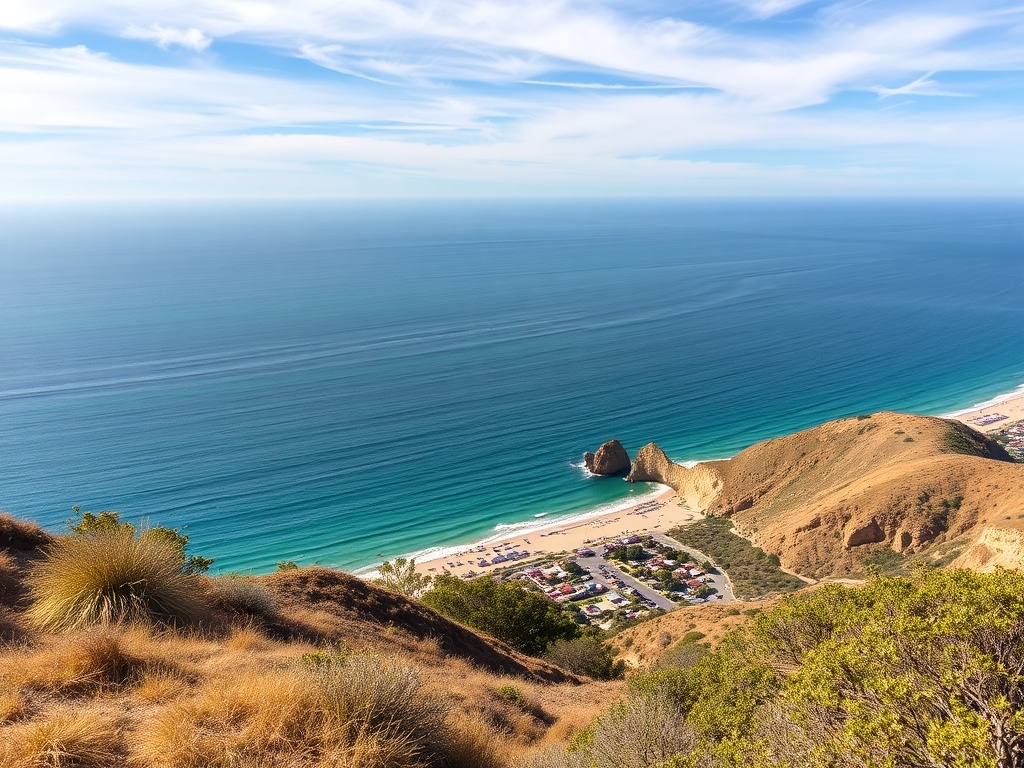
Malibu: A Coastal Guide to Beaches, Hikes, and Local Flavor
Malibu draws visitors for one reason: the coastline. From dramatic cliffs and hidden coves to surf breaks and scenic trails, this stretch of coast offers a compact mix of outdoor adventure, relaxed dining, and ocean-side charm.
Whether you’re planning a day trip or a longer escape, focus on a few essentials to make the most of Malibu’s natural beauty.
Top beaches and what to expect
– Zuma Beach — Wide sand, reliable surf, and good facilities make it a family-friendly choice. Lifeguards are typically on duty and there’s ample space for beach games and long walks.
– El Matador State Beach — Known for sea stacks, sea caves, and striking rock formations, this beach rewards those willing to climb down the stairs for dramatic photo opportunities and quieter tide pools.
– Point Dume State Beach — Cliffs, panoramic views, and bluff-top trails offer sweeping ocean vistas. It’s a great spot for whale watching from shore during migration seasons.
– Surfrider Beach — A prime break for longboarding and a hub of surf culture. Expect crowds when conditions are ideal.
Hiking and coastal overlooks
Malibu’s trails are an extension of the beach experience.
Look for coastal bluffs and ridgelines that combine easy accessibility with big views. Short hikes at local preserves lead to overlooks where you can watch surfers or spot dolphins offshore. Pack layers — even on sunny days the wind off the Pacific can be brisk.
Dining and local flavors
Malibu’s dining scene reflects its coastal identity: fresh seafood, farm-driven produce, and casual cafés with ocean views. Explore a mix of beachfront cafés for casual bites and tucked-away bistros for a more refined meal. Farmers markets and local purveyors are great sources for picnic supplies if you plan to dine on the sand.
Sustainable and respectful visiting
Because much of Malibu’s appeal comes from its natural habitats, mindful visitation matters. Stick to marked trails and beach access points, carry out trash, and avoid disturbing wildlife in tide pools and dunes. Many local businesses support conservation efforts; choosing eco-conscious operators helps preserve the coast for future visitors.
Planning tips and practicalities
– Parking can fill up quickly at popular beaches and trailheads; arriving early or visiting on weekdays usually helps.
– Tides change daily and affect beach accessibility; check tide charts before planning visits to sea caves or tide-pool areas.
– Restroom and shower facilities vary by location; some beaches have full amenities while others are more primitive.
– Respect private property and posted signs — many beachfront stretches back up to residential areas where access is limited.
Experiences to prioritize
– Sunrise or sunset beach walks for quieter, softer light and cooler temperatures.
– A surf lesson for beginners — local surf schools can provide boards, instruction, and safety guidance.
– Tide-pooling during low tide to discover small marine life (observe without removing or disturbing creatures).
– A coastal drive with stops at overlooks, small galleries, and local shops to experience Malibu beyond the sand.
Malibu remains a destination where natural scenery and laid-back coastal culture meet.
With a little planning and a respectful approach to the environment, it’s easy to enjoy iconic beaches, memorable hikes, and the local culinary scene while helping preserve what makes the coastline special.