Malibu Guide: Best Beaches, Surf Spots, Tide Pools & Scenic Hikes

Malibu combines iconic coastal scenery, world-class surf, and a strong conservation ethic — making it a must-visit for beach lovers, hikers, and anyone who appreciates coast-meets-mountains landscapes.

Whether you’re drawn by longboard waves, rocky tide pools, or scenic trails, Malibu offers experiences that reward both casual visitors and repeat explorers.

Beaches and Surf
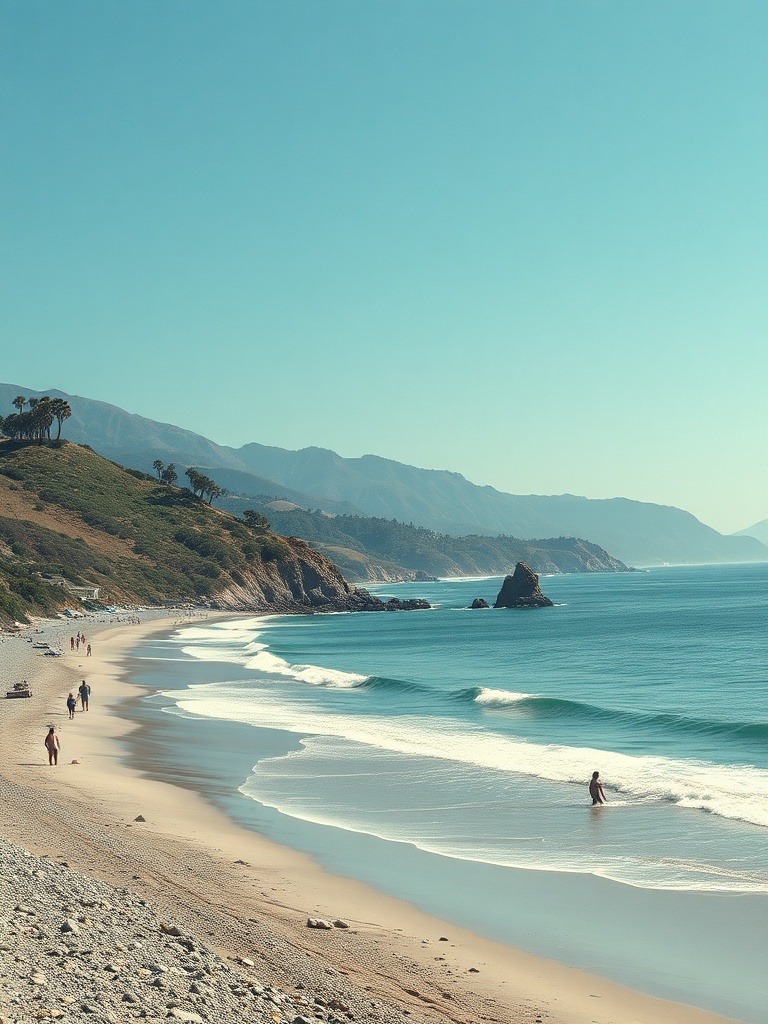
Zuma Beach is the go-to for broad stretches of sand, lifeguards, and family-friendly amenities. For classic California point breaks, Surfrider Beach near the Malibu Pier delivers long, rideable waves beloved by longboarders and spectators alike.

Point Dume offers dramatic cliffs, secluded coves, and excellent tide pooling at low tide — bring sturdy shoes for exploring the rocky shore and binoculars for spotting migrating whales or seabirds out at sea.

Trails and Outdoor Recreation
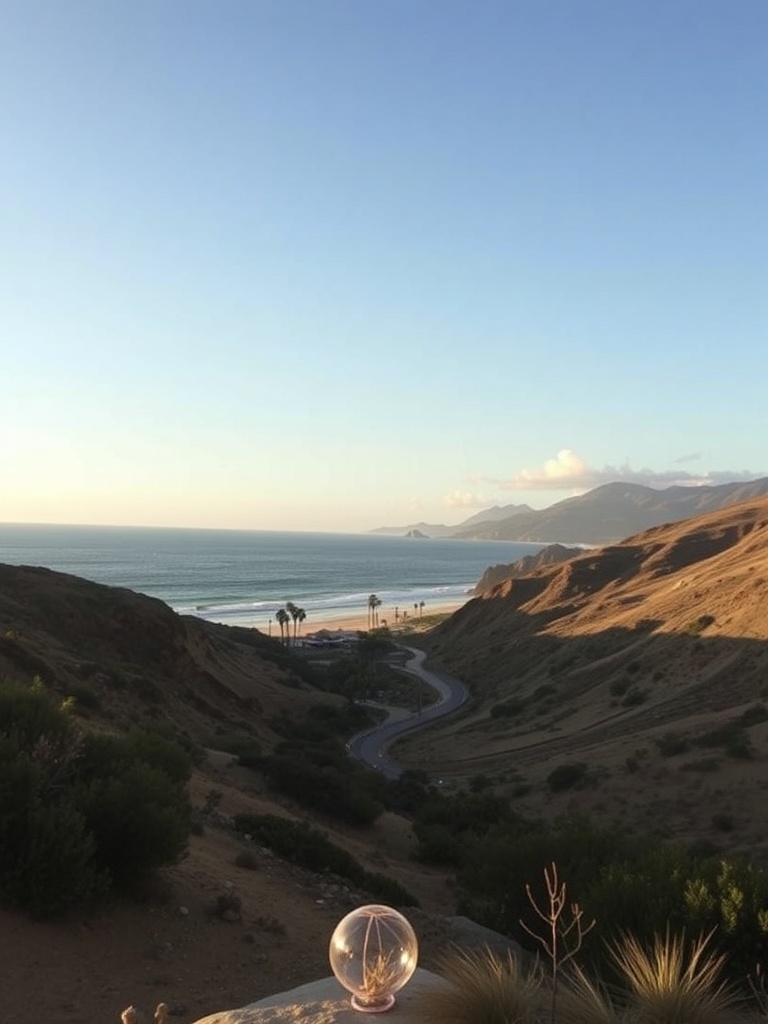
The Santa Monica Mountains meet the Pacific here, so many accessible hikes deliver ocean views from ridge lines. Popular trailheads lead to blufftop vistas and canyon escapes where native coastal chaparral and oak woodlands thrive. Malibu Creek State Park provides miles of trails, rock formations, and a scenic creek corridor ideal for a longer day hike or a picnic away from the crowds. Always carry water, wear sun protection, and be prepared for rapid weather changes — coastal fog can make mornings cool and damp even when the sun breaks later.

Kelp Forests and Marine Life
Offshore kelp forests are among Malibu’s most important ecosystems, sheltering fish, invertebrates, and marine mammals. These underwater forests have faced stress from warming waters and grazing sea urchins, prompting renewed local interest in restoration and research. Community volunteers, researchers, and recreational divers often collaborate on kelp restoration and monitoring efforts to help marine life rebound and maintain healthy fisheries.

Safety, Access, and Etiquette
Respect for public access points is essential — many coastal properties adjoin private homes, so use designated parking and stairways. Surf etiquette matters: yield to the person closest to the peak, don’t drop in, and be mindful of local lineups. For tide pool exploration, check tide charts and stay off crusty algae and invertebrates; touching or dislodging organisms harms fragile communities. Bring reusable water bottles and pack out trash — many volunteer groups run frequent beach cleanups.

Wildfire Preparedness and Resilience
The rugged hills surrounding Malibu are fire-prone, so homeowners and visitors alike focus on preparedness. Vegetation management, defensible space around structures, and community evacuation planning are common topics at neighborhood meetings. When visiting backcountry areas, obey fire restrictions, avoid unattended campfires, and park responsibly to not block emergency access routes.

Practical Tips
– Visit early on weekdays to avoid heavy weekend traffic and secure parking.

Malibu image

– Layer clothing: mornings may be cool under the marine layer, with warm afternoons.
– Check local signage for parking fees, dog rules, and seasonal closures.

– Support local businesses and conservation groups with donations or volunteer time to help preserve coastal access and habitat.

Malibu is more than a postcard — it’s a living coastline shaped by surf culture, outdoor recreation, and ongoing stewardship.

Enjoy the beaches, respect the natural and private spaces, and consider giving a little time or support back to the community that keeps this coastline vibrant.

Primary: Ultimate Malibu Travel Guide: Beaches, Trails, and Coastal Culture

Malibu Guide: Beaches, Trails, and Coastal Culture

Malibu is a stretch of coastline that blends iconic surf breaks, dramatic cliffs, and a laid-back coastal lifestyle. Whether you’re chasing surf, scenic hikes, or relaxed seaside dining, Malibu offers a variety of experiences that capture the essence of California’s coast.

Top things to do
– Hit the surf: Legendary breaks and long, peeling waves make Malibu a magnet for surfers of all levels. Local surf schools are available for beginners, and watching experienced riders from the shore is part of the local ritual.
– Stroll the pier: The classic wooden pier offers ocean views, people-watching, and photo ops.

It’s a peaceful place to watch dolphins or take in a pastel sunset.
– Hike the canyons: Nearby trails wind through chaparral, oak woodlands, and rock outcrops with ocean vistas. Trails vary from gentle walks to more challenging routes that reward hikers with sweeping coastal panoramas.
– Explore tidal pools: At low tide, rocky outcrops reveal tidepools rich with sea stars, anemones, and crabs. Respect habitats by observing without disturbing marine life.
– Dine coastal: Malibu’s dining scene ranges from casual beachside kiosks to upscale restaurants emphasizing fresh local seafood, coastal produce, and ocean views.

Practical tips for visitors
– Parking and access: Street and lot parking can be limited during peak times. Arrive early or plan to use alternative transportation where available. Some popular beaches and trailheads fill up quickly on warm weekends.
– Weather and timing: Mornings and late afternoons are ideal for fewer crowds and softer light for photos. Coastal fog occasionally blankets the shore, creating dramatic scenery but cooler temperatures—layering is wise.
– Beach etiquette: Nude sunbathing is not permitted on most public beaches.

Pack out what you bring in, and keep a respectful distance from wildlife and protected areas.
– Safety: Rip currents can form near jetties and sandbars. Swim near lifeguarded areas when possible, and check surf conditions before entering the water.

Conservation and community
Malibu’s natural beauty is fragile. Local organizations and residents regularly work on dune restoration, native plant projects, and shoreline cleanups. Visitors can support conservation by participating in volunteer cleanups, staying on designated trails to avoid erosion, and choosing businesses that prioritize sustainable practices.

Wildfire and storm awareness

Malibu image

The landscape around Malibu is fire-adapted and weather dependent. Brush conditions and coastal storms can affect access and safety. Keep an eye on local advisories and respect temporary closures; these measures protect both visitors and ecosystems.

Where to linger
– Scenic overlooks and hidden coves are plentiful for picnics and quiet reflection. Pack a small blanket and a reusable bottle to reduce waste.
– Local markets and artisan shops offer handcrafted goods and specialty foods—great for sourcing picnic supplies or souvenirs that support small businesses.

Getting the most from your visit
Plan a mix of active time and slow downtime: surf or hike in the cool hours, and then savor a long meal or leisurely walk at sunset. Balance popular sites with quieter neighborhoods and lesser-known trails to experience Malibu’s varied character.

Check local resources for trail conditions and beach advisories before you go.

Malibu remains a draw for outdoor lovers, creative types, and anyone longing for a coastal escape. With mindful planning and respect for the environment, a visit can be both rejuvenating and memorable.

Malibu Travel Guide: Best Beaches, Surf Spots & Coastal Living

Malibu: Beaches, Breaks, and a Coastal Lifestyle Worth Exploring

Malibu remains one of the most iconic coastal communities in California, known for its sweeping ocean views, world-class surf breaks, and a strong focus on conservation. Whether you’re planning a day trip or thinking about real estate, Malibu offers a blend of outdoor adventure, culinary treats, and environmental stewardship that keeps visitors coming back.

Beaches and Surfing
Zuma Beach is a favorite for families thanks to its wide, sandy shore and lifeguard presence. For dramatic cliffs and sea caves, El Matador State Beach and Point Dume deliver stunning scenery and tidepool exploration at low tide. The Malibu Pier and Surfrider Beach are legendary among longboarders; the right point break here produces long, rolling waves that are perfect for classic surf style. Always check local surf reports and tide charts before heading out—conditions can change quickly.

Hiking and Outdoor Activities
The Santa Monica Mountains that flank Malibu provide miles of trails with panoramic Pacific vistas. Solstice Canyon features a shaded route to a small waterfall and the evocative ruins of an old stone cottage, while the Backbone Trail and paths through Malibu Creek State Park offer longer outings and rock-climbing opportunities. Birdwatchers enjoy the Malibu Lagoon and coastal wetlands, where migratory species stop over seasonally. Bring layered clothing—the ocean breeze can make temperatures fluctuate throughout the day.

Dining and Nightlife
Malibu’s dining scene is a balance of casual seafood shacks and upscale oceanfront restaurants. The Malibu Pier and nearby dining establishments are popular for fresh local catches and sunset views. For a more laid-back experience, beachside cafés and fish markets offer grab-and-go options that pair well with a picnic on the sand. Reservations are advisable for weekends and holiday periods when demand spikes.

Conservation and Community
Environmental stewardship is central to Malibu’s identity. Local organizations, volunteer groups, and municipal agencies collaborate on shoreline restoration, dune preservation, and lagoon revitalization projects.

Erosion control, sand replenishment, and coastal habitat protection are ongoing priorities, especially as communities adapt to changing coastal conditions. Wildfire resilience is another major focus, with community-led vegetation management and defensible-space initiatives helping protect homes in the chaparral-covered hills.

Real Estate and Access
Malibu’s real estate market is defined by beachfront homes, canyon retreats, and gated communities that emphasize privacy and views. Coastal setbacks, bluff stability, and environmental regulations influence development and renovation projects.

Traffic along the Pacific Coast Highway can be heavy during peak travel times; planning trips outside of peak windows or using alternative routes helps reduce travel stress.

Practical Tips for Visitors
– Arrive early for parking at popular beaches and trailheads.
– Respect posted signs about protected habitats and nesting birds.
– Check for any beach advisories or temporary closures before your visit.
– Pack out what you bring in—leave no trace helps preserve Malibu’s beauty.

Malibu image

Malibu blends natural splendor with a community-driven approach to preserving its coastline and open space. Whether you’re catching a wave, hiking above the ocean, or enjoying a seaside meal, the area offers a timeless coastal experience shaped by a culture of outdoor living and conservation.

Malibu: Coastal Charm, Surf Culture, and Resilience

Malibu: Coastal Charm, Surf Culture, and Resilience

Malibu has long been synonymous with sun-drenched beaches, legendary surf, and a laid-back coastal lifestyle.

That combination of natural beauty and creative energy continues to draw visitors, homeowners, and outdoor enthusiasts.

Whether you’re planning a weekend escape, checking out real estate, or simply curious about coastal conservation, Malibu offers a mix of experiences that feel both timeless and urgent.

Beaches and Surfing
Malibu’s coastline features iconic surf breaks and wide sandy stretches.

Popular spots draw surfers of all levels — from longboard-friendly points to more challenging reef breaks. Beachgoers appreciate the scenic promenades, tide pools, and the chance to watch a colorful sunset over the Pacific. Public access is a major focus for local groups and visitors alike, so it’s wise to check parking and access points before heading out.

Hiking and Outdoor Recreation
Beyond the shoreline, Malibu’s canyon trails and coastal bluffs provide a quieter way to connect with the landscape. Trails range from gentle walks through coastal sage scrub to more strenuous hikes with rewarding ocean views. Parks and preserves offer picnic areas, wildlife viewing, and opportunities to explore native plants. Popular trailheads can get busy on weekends, so arriving early or visiting midweek improves the experience.

Food and Local Culture
The culinary scene balances casual beachside fare with elevated dining options that emphasize fresh, locally sourced ingredients.

Farmers markets and small eateries add to a strong food culture, along with artisanal shops and galleries that showcase local creators.

For those seeking nightlife, evenings are generally low-key, favoring relaxed gatherings over late-night crowds.

Real Estate and Lifestyle
Malibu real estate ranges from modest beach cottages to architect-designed estates perched on bluffs.

Buyers are drawn to the privacy and scenic views, while renters appreciate proximity to surf breaks and hiking trails. Coastal living also comes with practical considerations: insurance, access routes, and community services are important factors when evaluating property or planning an extended stay.

Conservation and Resilience
Environmental stewardship is front and center in Malibu, where coastal erosion, wildfire risk, and marine ecosystem health are ongoing priorities.

Local organizations and agencies collaborate on habitat restoration, responsible development, and emergency preparedness. Visitors can support these efforts by respecting protected areas, following leave-no-trace practices, and staying informed about seasonal advisories.

Practical Tips for Visitors
– Check tide schedules and parking rules before heading to the beach.

– Respect private property and use designated access points.
– Pack reusable items and dispose of trash properly to protect marine life.

Malibu image

– Stay aware of local advisories related to weather, water quality, or trail closures.

– Consider off-peak visits to enjoy quieter beaches and trails.

Why Malibu Still Matters
Malibu’s appeal lies in the balance between natural beauty and a culture that celebrates outdoor living. It’s a place where surf history meets conservation efforts, and where small-scale local businesses coexist with high-profile homeowners. For anyone seeking coastal scenery, outdoor recreation, or a peaceful retreat, Malibu remains a compelling destination — one that rewards mindful visiting and ongoing stewardship to preserve what makes it special.

Ultimate Malibu Travel Guide: Best Beaches, Surf Spots, Hikes & Visitor Tips

Malibu blends rugged coastline, celebrity cachet, and outdoor adventure into a coastal lifestyle many seek. Whether you’re planning a day trip or exploring a longer escape, knowing where to go and what to respect helps you get the most from this iconic stretch of Pacific coastline.

Beaches and surfing
Malibu’s beaches are its headline attraction. Surfrider Beach remains a top draw for surfers chasing long, peeling right-hand breaks, while Zuma and Point Dume offer wide sand and family-friendly swimming when conditions are calm. For dramatic seaside scenery and tide pools, El Matador State Beach delivers towering sea stacks and secluded coves—best explored at lower tides.

If you plan to surf, check local conditions and surf reports, and be mindful of rips; reef and point breaks can be powerful.

Outdoors and hiking
Beyond the shore, the Santa Monica Mountains provide excellent hiking and nature access. Malibu Creek State Park is a favorite for day hikers and rock climbers, with scenic canyons and creekside pools. Solstice Canyon offers shaded trails, dramatic cliffside views, and ruins from an old estate that make for a photogenic stop.

Pack water, wear sturdy shoes, and be aware that seasonal trail conditions can change after storms or fire events.

Culture, food, and shopping
Malibu’s cultural stops include the Getty Villa, where classical antiquities sit within a recreated Roman-style villa overlooking the ocean. For a stroll and some shopping, the Malibu Country Mart and nearby Malibu Village combine boutiques, cafes, and casual dining. Farm-to-table dining is a regional hallmark; many restaurants emphasize local seafood and produce with ocean views—reservations are recommended for dinner and scenic weekend brunches.

Environmental stewardship
Coastal erosion, sea-level change, and wildfire risk shape how Malibu manages development and conservation. Local restoration projects focus on protecting wetlands and improving fish and bird habitat at places like Malibu Lagoon. Visitors can help by staying on designated trails, packing out trash, avoiding disturbance of wildlife and vegetation, and following posted fire safety rules—especially during dry conditions.

Practical tips for visitors
– Timing: Early mornings and weekdays are quieter. Sunset draws crowds at popular lookout points.
– Parking: Many beaches and parks have limited parking or paid lots; plan ahead and allow extra time on busy days.
– Tide awareness: For tide-pool exploration and certain beaches, consult tide charts to avoid being stranded or caught by advancing water.

– Safety: Strong surf and rip currents can occur; swim near lifeguarded areas and heed posted warnings.
– Pets: Dog rules vary by beach and season—check local signage before bringing pets.

Real estate and community character
Malibu’s real estate and zoning policies often aim to balance private properties along the coast with public beach access.

That mix creates a community where longtime residents, new arrivals, and visitors share a coastline that’s valued both for privacy and public use. Community events, local markets, and volunteer conservation efforts further shape Malibu’s character.

For anyone drawn to dramatic coastal scenery, outdoor recreation, or relaxed seaside dining, Malibu offers a distinctive combination of natural beauty and cultural amenities. Respecting the environment and local rules ensures those attractions remain for future visitors and residents alike.

Malibu image

Malibu: Coastal Charm, Outdoor Adventure, and Sustainable Travel Tips

Malibu: Coastal Charm, Outdoor Adventure, and Sustainable Travel Tips

Malibu remains one of Southern California’s most magnetic coastal destinations, where rugged cliffs meet sandy coves and a thriving surf culture blends with understated luxury.

Whether seeking sunrise surf sessions, scenic hikes, or a relaxed beachfront meal, Malibu offers diverse experiences that reward mindful exploration.

Why visitors keep coming
Malibu’s appeal lies in its natural setting: miles of Pacific shoreline, coastal bluffs, and the wild open spaces of the Santa Monica Mountains. Iconic beaches like Zuma and El Matador draw surfers, sunbathers, and photographers; quieter pocket beaches tucked beneath cliffs suit those who want a more private escape. The Malibu Pier and Malibu Country Mart provide a mix of local flavor, dining, and shopping, while numerous trailheads offer easy access to dramatic vistas and native chaparral habitat.

Sustainable and resilient coastline
Coastal erosion and rising seas affect many shoreline communities, and Malibu is prioritizing resilience through dune restoration, sand-placement projects, and native-plant landscaping to stabilize bluffs. Local groups, agencies, and volunteers often collaborate on beach cleanups and habitat restoration—good opportunities for visitors to give back while learning about coastal ecology. Choosing durable footwear on trails, staying on designated paths, and disposing of trash properly helps protect fragile coastal ecosystems.

Outdoor activities that fit every pace
– Surfing: Malibu has world-class right-hand point breaks that attract surfers of varying skill levels. Check local surf reports and respect line-up etiquette to stay safe.
– Hiking: Trails in the Santa Monica Mountains offer ocean views, wildlife sightings, and seasonal wildflower displays. Popular routes vary in difficulty, so pick a trail that matches fitness and experience.

– Biking and horseback riding: Coastal roads and inland trails provide scenic routes for cyclists and equestrians; be mindful of shared-use signage.
– Wildlife watching: Shorebirds, dolphins, and occasional whale sightings can be part of the coastal experience—bring binoculars and keep distance from animals.

Dining and local flavor
Malibu’s dining scene balances seafood-forward eateries, farm-to-table restaurants, and casual cafés. Many establishments emphasize locally sourced ingredients and sustainable seafood practices. Picnic options are plentiful—picking up takeout and enjoying a sunset on the sand is a classic Malibu ritual. Reservations are wise for popular restaurants, and checking parking and beach access rules ahead of time avoids surprises.

Malibu image

Responsible visitor tips
– Respect private property and observe posted signs—many coastal bluffs and access points are adjacent to private homes.

– Follow beach and ocean safety guidelines: swim near lifeguard stations, heed warnings, and be aware of rip currents.
– Park thoughtfully: use designated lots and consider rideshare or shuttle options during busy periods.
– Support local conservation: participate in a cleanup, donate to a local land trust, or choose businesses that prioritize sustainability.

Planning a memorable visit
For a balanced Malibu experience, combine a morning hike with an afternoon beach stop and a leisurely meal at a seaside café. Timing visits outside peak hours enhances the sense of space and tranquility. Whether drawn by surf, scenery, or the simple pleasure of salty air and sweeping views, Malibu continues to reward visitors who come with curiosity, respect, and a sense of stewardship for the coast.

Top pick: “Malibu Travel Guide: Best Beaches, Surf Spots, Hikes & Conservation Tips”

Malibu: Coastal Adventures, Conservation, and Local Culture

Malibu is synonymous with dramatic coastal scenery, laid-back beach culture, and an outdoors-first lifestyle. Whether you’re chasing surf, seeking scenic hikes, or looking for a quiet seaside meal, Malibu delivers a mix of classic California attractions and quieter, local experiences.

Beaches and Surf
Malibu’s beaches range from expansive sand stretches ideal for family outings to rugged coves perfect for tide pooling and sunset photos. Popular surf breaks attract riders of all levels, while sheltered coves provide calmer water for paddleboarding and beachcombing. For the best experience, aim for early morning or late afternoon—fewer crowds and cooler temperatures make those hours especially pleasant.

Always check local conditions and posted safety advisories before entering the water.

Hiking and Nature
The coastal bluffs and nearby canyon trails offer short strolls and longer day hikes with ocean views, wildflower displays, and native plant communities such as coastal sage scrub. Look for trails that pass through coastal cliffs and ridgelines for panoramic viewpoints, but stay on marked paths to protect fragile habitats and avoid private property. Tide pools and rocky outcrops present great wildlife-watching opportunities—bring binoculars and a field guide to identify shorebirds and marine life.

Dining and Local Businesses
Malibu’s dining scene balances casual beachside cafés with upscale seafood and farm-driven menus. Many restaurants focus on fresh, local ingredients and ocean-to-table fare; slow down and savor the views when possible.

Supporting independent shops, galleries, and farmers markets keeps the local economy vibrant and gives visitors a truer sense of community.

Coastal Drive and Photo Ops
A scenic coastal drive is part of the Malibu experience. Pull over at designated viewpoints for unobstructed ocean vistas, dramatic cliffs, and legendary sunsets. Photography tips: use a polarizing filter to reduce glare on bright days, and consider long-exposure settings for silky-wave images at dusk. Respect signposted no-parking zones and private driveways while stopping for photos.

Conservation and Resilience
Malibu’s coast and canyons are ecologically sensitive and face pressures such as erosion, drought, and wildfire.

Respecting wildlife, packing out trash, and staying on trails all help protect these landscapes. Many local organizations run habitat restoration, invasive species removal, and beach cleanups—volunteering or donating to those efforts amplifies your positive impact.

Practical Tips
– Parking: Popular beaches and trailheads can fill quickly. Arrive early or visit on weekdays to avoid peak crowds, and always follow posted parking regulations.
– Safety: Rip currents can form near breaks; swim near lifeguard-protected areas when available and never swim alone. Check tide charts before exploring tide pools.
– Respect Privacy: Malibu includes private residences and gated communities. Stick to public access points and follow posted rules.
– Sustainable Habits: Use reusable containers, minimize single-use plastics, and consider carpooling or using public transit alternatives when possible.

Why Visit
Malibu combines easy access to natural beauty with a pace that encourages outdoor living and mindful travel. For a daytrip or a longer escape, it’s a place to recharge by the ocean, explore coastal trails, and connect with a community that values environmental stewardship.

Plan ahead, leave places better than you found them, and enjoy the unique blend of surf, sand, and scenic charm.

Malibu image

Malibu Travel Guide: Beaches, Trails & Coastal Stewardship

Malibu Living: Beaches, Trails, and Coastal Stewardship

Malibu remains synonymous with sun, surf, and scenic coastal living. Whether planning a day-trip or considering a longer stay, understanding Malibu’s beaches, outdoor recreation, dining scene, and conservation efforts helps visitors and residents make the most of this iconic stretch of coastline.

Malibu image

Beaches and Surf
Malibu beaches attract surfers, families, and photographers. Zuma Beach and Malibu Lagoon offer broad sandy expanses and lifeguard coverage, while El Matador and La Piedra provide dramatic sea caves and rock formations for sunset shoots and tide pooling.

Rip currents can be strong — always swim near a lifeguard and heed posted warnings.

Surf breaks along the coast vary from mellow longboard waves to powerful reef and point breaks favored by experienced surfers. Parking at popular beaches can fill early; consider weekdays or early mornings for quieter conditions.

Hiking and Scenic Views
The Santa Monica Mountains meet the sea here, creating easy access to coastal trails with panoramic views. Point Dume Headlands deliver sweeping ocean vistas and seasonal wildflower displays from bluff-top overlooks. Solstice Canyon and other nearby trails wind through shaded canyons, waterfalls, and native chaparral, offering a cooler alternative on warm days.

Wear sturdy shoes, carry water, and stay on designated paths to protect fragile plant communities and avoid cliff hazards.

Dining, Shopping, and Culture
Malibu’s dining scene ranges from casual beachfront cafes to elevated seafood restaurants with ocean views. Farm-to-table ingredients and sustainable seafood are common themes, and several local markets and boutiques in areas like Malibu Country Mart provide curated shopping and art galleries.

Cultural sites such as the Adamson House and Malibu Lagoon Museum highlight regional history and coastal ecology, making for enriching stops beyond sunbathing and surfing.

Conservation and Coastal Management
Coastal erosion, sea-level changes, and occasional storm impacts are ongoing concerns for Malibu’s shoreline and infrastructure. Local organizations, residents, and agencies work collaboratively on habitat restoration, dune protection, and beach nourishment projects to balance public access with ecological resilience. Visitors can help by staying off restricted dune areas, packing out all trash, and supporting local conservation initiatives.

Wildfire Preparedness and Home Resilience
Wildfire risk is a part of living near chaparral landscapes. Homeowners typically focus on defensible space, using fire-resistant landscaping, and hardening structures with ember-resistant vents and noncombustible exterior materials. Community evacuation plans and emergency alerts are essential; visitors staying overnight should familiarize themselves with evacuation routes and local emergency resources.

Practical Tips for Visiting Malibu
– Check tide charts before visiting tidepool areas to avoid getting trapped by rising water.

– Respect private property: much of the coastline is adjacent to private residences; use public access points and posted walkways.

– Public transport is limited; driving the Pacific Coast Highway (PCH) offers the most flexibility but expect variable traffic.
– Dogs are allowed on some beaches and trails but often have seasonal restrictions—verify rules beforehand.

Malibu blends iconic coastal beauty with active conservation and community stewardship. By planning responsibly, respecting natural areas, and supporting local businesses and preservation efforts, visitors and residents can enjoy the coastal lifestyle while helping protect it for the seasons ahead.

Malibu Beaches & Surf Culture: The Ultimate Coastal Living Guide — Top Beaches, Hikes & Visitor Tips

Malibu: Beaches, Surf Culture, and Coastal Living Tips

Malibu is synonymous with sun, surf, and a coastal lifestyle that draws visitors and residents alike. Stretching along a scenic section of the Pacific Coast Highway, this stretch of coastline offers everything from iconic surf breaks and wide sandy beaches to rugged cliffs, hidden coves, and scenic hikes—plus a dining scene that ranges from casual beach cafes to elevated farm-to-table spots.

Must-visit beaches and surf spots
– Surfrider Beach: Famous for its long right-hand point break, this spot near the Malibu Pier is a magnet for longboarders and surfers looking for classic rides.
– Zuma Beach: Wide sands, reliable lifeguard coverage, and plenty of room for sunbathing or beach sports make Zuma a great family-friendly option.
– El Matador State Beach: Dramatic sea stacks, tide pools, and photogenic rock arches reward visitors willing to negotiate a short descent to the shore.
– Point Dume: Cliff-top vantage points offer whale watching during migration windows and easy beach access with fewer crowds in the early morning.

Hiking and outdoor recreation
Malibu’s hills and canyons provide a variety of trails for different experience levels. Trails like Solstice Canyon and Malibu Creek State Park combine natural beauty with opportunities to spot wildlife and explore shaded creek beds. For panoramic ocean views, head to the overlooks at Point Dume or the ridge trails above the coast. Pack water, sun protection, and sturdy shoes—parts of the trail network can be steep or exposed.

Dining, shopping, and community hubs
The Malibu Pier and nearby beachfront eateries deliver classic coastal dining and sunset views.

For a more curated experience, community hubs such as Malibu Country Mart offer boutique shopping and relaxed outdoor dining. Farmers markets and local markets provide seasonal produce and artisanal goods that reflect the area’s agricultural and coastal flavors.

Environment and conservation
Protecting the coastline and marine ecosystems is an ongoing focus.

Malibu image

Local conservation efforts often target dune restoration, kelp forest health, and responsible public access. Respect posted signs, stay off fragile dunes, and leave no trace on beaches to support these initiatives. The offshore waters are home to kelp forests and diverse marine life; using reef-safe sunscreen and following wildlife viewing etiquette helps preserve those habitats.

Practical tips for visiting
– Arrive early on weekends and holidays to secure parking and avoid crowds.
– Check tide charts before visiting coves and sea-arch beaches—some areas can be inaccessible or hazardous at high tide.
– Be mindful of lifeguard flags and posted advisories before swimming or surfing.
– Dogs are allowed on some beaches only during specific times or in designated areas; always check local rules and clean up after pets.
– Cell service can be spotty in canyon or cliff areas—download maps or carry a portable charger for navigation.

Living in and visiting Malibu means balancing the allure of beach culture with awareness of natural risks and conservation needs.

Whether chasing surf, hiking coastal bluffs, or savoring a seaside meal, planning ahead and respecting the environment will help make any Malibu experience memorable and responsible.

Here are five SEO-friendly blog title options—recommended primary in first position:

Malibu blends dramatic coastline, world-class surf, and a strong culture of conservation, making it a compelling destination for residents and visitors alike. Whether chasing the perfect wave, hiking through coastal canyons, or exploring a lively local dining scene, Malibu offers a range of experiences that showcase Southern California’s coastal lifestyle.

Beaches and surf
Malibu’s beaches are its signature attraction. Wide, sandy stretches like Zuma and the more iconic Surfrider attract families, sunbathers, and surfers. Surfrider Beach is famous for long, peeling right-hand breaks that reward longboarders and experienced shortboarders, while calmer coves provide safer swimming and tidepool exploration.

Beachgoers should check tide charts and local surf reports before heading out, wear reef-safe sunscreen, and be mindful of posted flags and lifeguard guidance.

Hiking and outdoor recreation
The nearby Santa Monica Mountains create a network of trails with ocean views, wildflower meadows, and dramatic cliffside overlooks.

Popular routes lead to viewpoints at Point Dume, and hikes into Malibu Creek State Park reveal rock formations and riparian habitats.

Birdwatchers and photographers find early mornings especially rewarding. Pack water, sunscreen, layered clothing for coastal winds, and stay on marked trails to protect fragile vegetation.

Wildfire resilience and environmental stewardship
Malibu’s dry Mediterranean climate and rugged terrain make wildfire preparedness and land management priorities. Local communities, agencies, and land trusts collaborate on fuel reduction, defensible-space guidelines, and vegetation management to reduce risk while protecting native ecosystems. Homeowners and visitors are encouraged to follow evacuation guidance when issued, keep defensible space clear around structures, and support restoration projects that improve habitat resilience.

Coastal conservation and erosion management
Erosion, sea-level rise, and storm-driven debris shape Malibu’s coastline. Efforts to balance public beach access with natural shoreline dynamics include managed nourishment, dune restoration, and restrictions on beachfront development in particularly vulnerable zones. Supporting local conservation groups, respecting protected areas, and avoiding sand removal or dune disturbance helps preserve the coast for future visitors.

Local food and culture
Malibu’s dining scene pairs seafood-forward cuisine with relaxed beach culture.

From casual beachfront cafes to upscale farm-to-table restaurants, the area emphasizes fresh, local ingredients and ocean views. Small galleries, surf shops, and cultural events round out a day outside, offering ways to connect with the community and local artisans.

Practical tips for visitors
– Parking: Many popular spots fill early; arrive ahead of peak times and carry change or a digital payment app for metered lots.

Malibu image

– Permits and access: Some trailheads and special use areas require parking permits or have limited access—check local parks’ websites before traveling.
– Respect private property: Much of Malibu’s coastline borders private residences; use public access points and follow signs.
– Safety: Ocean conditions can change quickly—be cautious of rip currents and strong surf. Keep children and pets supervised near water.

Malibu’s combination of natural beauty and active stewardship keeps its coastline vibrant and accessible.

Visitors who come prepared, tread lightly, and support local conservation efforts will leave with memorable experiences and contribute to the long-term health of this iconic coastal community.