Malibu: Surf, Sand and the Balance Between Coastline Living and Conservation
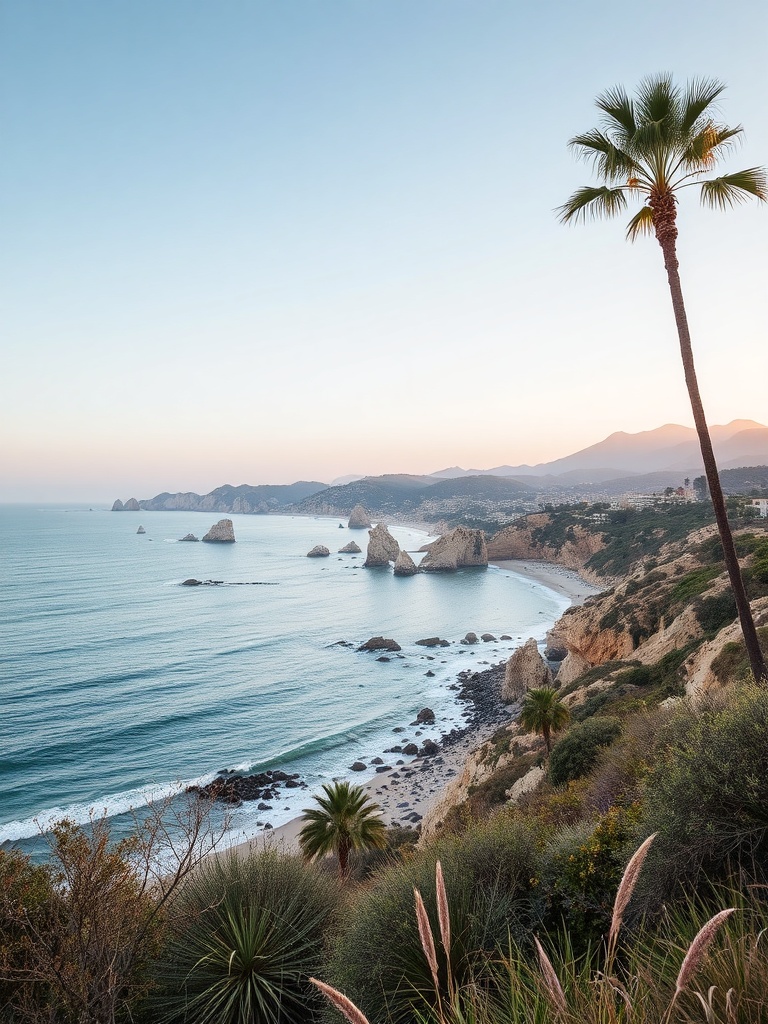
Malibu captures the imagination for good reason — dramatic cliffs, wide sandy beaches, iconic surf breaks and winding canyons offer a coastal escape that feels both glamorous and grounded. Whether planning a short visit or exploring local trails and tide pools, understanding Malibu’s natural rhythms and community priorities will help you make the most of the coastline.
Top spots to visit
– Surfrider Beach: Famous for its long right-hand point break, Surfrider draws surfers and spectators.
The pier nearby provides panoramic views and easy access to restaurants.
– Zuma Beach: Wide sand and consistent waves make Zuma ideal for families and beach activities. Lifeguards are usually present; check local advisories for conditions.
– El Matador and Point Dume: Sea caves, dramatic bluffs and excellent sunset vantage points reward a short walk from roadside parking. These areas can involve stairs and uneven terrain — wear sturdy shoes.
– Malibu Creek State Park and Solstice Canyon: For inland adventure, these preserves offer hiking, rock climbing and glimpses of native flora and wildlife. Trails range from gentle walks to more strenuous climbs.
Practical visiting tips
– Arrive early for the best parking and quieter beaches, especially on weekends and holidays. Street parking and lots can fill quickly.
– Check tide charts and surf reports before exploring tide pools or low-lying areas — tides and strong currents change access and safety.
– Respect private property and local access points; many coastal lots are private and public access points should be used responsibly.
– Bring sun protection, reusable water, and waste bags. Public restrooms are available at major beaches but can be limited at smaller coves.
Outdoor etiquette and safety
– Observe posted safety warnings and lifeguard directions. Rip currents are common along the coast; if caught in one, swim parallel to shore to escape the flow.
– Keep dogs on leashes where required and clean up after them.
Some beaches restrict dogs during peak hours or seasons.
– Drones and commercial filming often require permits; check local regulations before flying or operating equipment.
Conservation and coastal challenges
Malibu’s beauty comes with environmental responsibility. Coastal erosion, sea level shifts and wildfire risk shape stewardship efforts across the region.
Native dune and coastal sage habitats are sensitive; staying on designated paths and avoiding trampling vegetation helps preserve biodiversity. Participation in local cleanups and supporting conservation organizations focused on shoreline protection and habitat restoration amplifies community efforts.
Dining and culture
Malibu’s dining scene leans into fresh, coastal ingredients with an emphasis on farm-to-table offerings. Beachside cafés and upscale restaurants near the pier and along the Pacific Coast Highway cater to a range of tastes, from relaxed post-surf lunches to refined evening meals.
The city’s strong creative presence is reflected in galleries, community events and occasional open-air concerts.
A lasting coastal experience
Visiting Malibu is as much about slowing down as it is about seeing sights. Take time to watch surfers at dawn, explore a canyon trail, or simply listen to waves from a bluff. By combining thoughtful planning, respect for the environment and an openness to local rhythms, a trip to Malibu can be restorative and inspiring for every kind of traveler.