How the Oscars Are Changing: Streaming, Inclusion, and Awards Campaigns

The Academy Awards remain a cultural touchstone, blending cinematic artistry, industry politics, and red‑carpet spectacle.

Academy Awards image

For viewers and filmmakers alike, the Oscars continue to shape careers, influence film distribution, and reflect broader shifts in storytelling and production.

Streaming and distribution dynamics
Streaming services have reshaped how films reach voters and audiences.

While theatrical release still carries prestige for awards consideration, major streaming platforms now run sophisticated awards campaigns and invest in theatrical windows when strategic. That mix of platform-first releases and limited theatrical runs means that the definition of a “film” for Oscar contention is more fluid than ever, and filmmakers weigh festival premieres, platform partnerships, and release timing to maximize visibility.

Diversity, inclusion and the production pipeline
The Academy’s evolving policies and membership changes have pushed inclusion higher on the agenda. Producers and studios are increasingly attentive to representation both on-screen and behind the camera, because casting, hiring practices, and creative leadership can influence awards eligibility and critical reception.

This shift nudges production choices earlier in development, encouraging diverse writers, directors, and crew participation rather than retroactive fixes.

Campaigning, awards season strategy and prediction signals
Awards campaigns are multi‑layered operations combining screenings, Q&A events, targeted advertising, and outreach to Academy voters.

Digital platforms and social media have added new tools—short-form clips, curated video messages, and virtual screenings help films reach voters beyond traditional industry screenings. While critics’ groups, film festivals, and guild awards still provide strong predictive signals, surprises and upsets remain part of the appeal. Savvy campaigns focus on storytelling around a film—craft, performances, and cultural impact—rather than just ad buys.

Voting mechanics and category trends
Some of the Academy’s voting methods are designed to balance broad consensus with recognition of excellence across many films. Certain categories tend to reward technical innovation and sustained craft—cinematography, editing, production design—while acting and directing categories often spotlight career‑defining performances. International and non‑English language films have gained more visibility, reflecting global storytelling’s influence on the Academy’s tastes and the growing prominence of filmmakers working outside traditional Hollywood systems.

Red carpet: fashion and sustainability
The red carpet remains a high‑visibility platform where designers and actors showcase creativity. Sustainability has become a recurring theme: more stars opt for vintage dressing, eco‑friendly fabrics, and capsule wardrobes. That trend reflects wider industry pressures to reduce fashion’s environmental footprint and to align red‑carpet imagery with contemporary values.

Cultural relevance and public perception
The Oscars face perennial debates about relevance, diversity, and the role of awards in a fragmented media landscape. Some viewers treat the ceremony as appointment television—an event to watch live—while others consume highlights online. Producers continually tweak the show format to balance runtime, entertainment, and the industry’s need to honor craft.

Political and social conversations often surface during acceptance speeches, making the ceremony a barometer of broader cultural moments.

How to follow the season
To stay informed, track festival lineups, guild awards, and critics’ polls for early momentum. Pay attention to platform release strategies and how studios position their films for voters. For casual viewers, curated nominee lists, roundups from trusted critics, and themed watchlists make it easier to experience the films shaping awards conversations.

The Academy Awards continue to evolve alongside the film industry itself—an annual crossroads where art, commerce, and culture intersect, and where new voices and formats increasingly reshape what excellence in filmmaking looks like.


SAG Awards Guide: Why Peer‑Voted Wins, Ensemble Nods and Streaming Dominance Matter

The SAG Awards remain one of the most closely watched nights on the awards calendar, offering a clear snapshot of acting excellence and industry momentum.

Organized by the performers’ union, these awards are distinctive for being voted on by peers — thousands of actors whose choices spotlight craft over spectacle.

That peer-driven focus gives the SAG Awards outsized influence on other major prizes and provides an emotional, often career-defining validation for winners.

What makes the SAG Awards unique
– Peer voting: Nominees and winners are chosen by union members, creating a recognition from fellow actors rather than critics or industry executives.

A nominating committee selects finalists, and the full membership votes to determine winners.
– Ensemble emphasis: The ensemble awards for film and television celebrate collaborative achievements — an increasingly relevant category as streaming-series writing and long-form storytelling elevate supporting ensembles.
– The statuette: Known simply as “The Actor,” the bronze figurine of a performer holding the masks of comedy and tragedy symbolizes the craft-focused nature of the event.

Why the awards matter
Acting winners at the SAGs often gain momentum heading into other major awards. Because the voting body is composed of actors, a SAG win signals grassroots industry endorsement.

For performers, that recognition can translate into higher visibility, stronger negotiating power, and future creative opportunities. For audiences, the SAG Awards highlight performances and ensembles worth seeking out.

Trends shaping recent ceremonies
– Streaming dominance: As platforms continue to invest in prestige dramas and limited series, streaming projects feature more prominently across categories.

That shift reflects how talent follows substantive roles, regardless of distributor.
– Diversity and representation: The awards have increasingly acknowledged performers from a broader range of backgrounds, reflecting ongoing industry efforts to diversify storytelling both on-screen and behind the camera.
– Sustainability and statements on the red carpet: Fashion choices at the SAG Awards increasingly emphasize sustainability and designer collaboration with social causes.

Red carpet moments now blend style with statements — from support for union causes to awareness campaigns — making the carpet itself a platform for advocacy.
– Spotlight on stunt performers: Recognition of stunt ensembles and stunt coordination has grown, highlighting the physical artistry that supports many high-profile productions.

How to watch and engage
Broadcasts and streaming partners typically make the ceremony accessible to a broad audience. Social media conversations around nominees, red carpet looks, and acceptance speeches create a lively real-time experience — especially as clips and soundbites circulate quickly across platforms. For fans, following ensemble nominees can lead to discovering new series and films that might otherwise fly under the radar.

What to look for this season
Pay attention to ensemble nominations, which often reveal collaborative projects resonating with actors. Also watch for breakout performances from limited series; these can mark the start of rapid career ascents. Finally, take note of any speeches or statements that signal the community’s priorities, such as fair labor practices, inclusion, and creative recognition.

SAG Awards image

The SAG Awards continue to serve as both celebration and barometer — honoring individual and ensemble achievements while reflecting the industry’s shifting landscape. Whether tracking potential awards season frontrunners or simply celebrating great acting, the ceremony offers a concentrated look at the performances shaping contemporary entertainment.

How to Get Nominated for a Grammy: Insider Guide to Submissions, Voting, and Promotion

The Grammys remain the music industry’s high-profile moment where artistry, commerce, culture and spectacle converge. While the awards show still celebrates songwriting and production craft, the landscape around the ceremony has evolved — driven by streaming, genre fluidity and audience engagement across social platforms.

How nominations and voting work
Nominations are generated through a process run by the Recording Academy, with entries submitted by labels, distributors and eligible creators.

Members of the Academy — including performers, songwriters, producers and engineers — vote in genre categories and craft fields.

Screening processes ensure submissions are placed in appropriate categories, and the final ballot reflects peer recognition from industry professionals. That peer voting structure means credibility with colleagues often matters as much as chart success.

Trends shaping the Grammys
– Genre blending: Artists who mix pop, hip-hop, country, electronic and global influences tend to stand out.

Categories no longer contain artists strictly defined by a single genre, and crossover projects get attention.
– Streaming’s influence: Playlist placements and viral moments can increase visibility with Academy members and the public. However, artistic craft and peer respect remain central criteria.
– Global music spotlight: Expanded recognition for non-English-language work and international collaborations reflects a broader, more global outlook.
– Social conversation: Red carpet moments, surprise performances and memorable acceptance speeches generate social buzz that amplifies nominations and wins.

Common criticisms and institutional shifts
The Grammys have faced scrutiny over representation and transparency.

Calls for greater diversity among nominees and voting members have prompted the Academy to pursue outreach, membership diversification and updated category definitions. While debates continue, the ceremony increasingly showcases a wider range of voices and sounds.

Why a nomination still matters
A nomination or win delivers tangible benefits: spikes in streaming and sales, heightened media visibility, premium booking opportunities and long-term credibility within the industry. For many artists, recognition from peers leads to collaborations, sync placements and expanded international exposure.

How artists can improve their chances
– Submit properly: Ensure releases are entered correctly with accurate metadata, ISRCs and credited contributors. Missed paperwork can disqualify otherwise eligible work.
– Build industry relationships: Active engagement with peers, collaborators and Academy members increases the likelihood of recognition.
– Campaign smartly: A focused campaign includes targeted press, curated listening events for industry voters, compelling EPKs and strategic playlisting.
– Focus on craft: Strong songwriting, distinctive production and professional mixing/mastering remain the core determinants of peer recognition.
– Stay visible: Touring, high-profile collaborations and memorable live performances help maintain relevance during voting windows.

Grammys image

How to watch and engage
Broadcast partners carry the main telecast, while performances and backstage moments are amplified across streaming platforms and social media. Official channels typically offer red carpet coverage, performance clips and nominee interviews. For fans, tuning into pre-show content and following official social handles provides the best real-time experience.

The Grammys will continue to evolve as music itself changes. Artists who prioritize quality, understand the submission and voting mechanics, and use modern promotional tools increase their chances of being noticed. For listeners, the ceremony offers a snapshot of industry recognition and sometimes introduces surprising, genre-defying work worth exploring.

Beverly Hills Travel Guide: Luxury Shopping, Best Sights, Dining & Local Tips

Beverly Hills: A Compact Guide to Luxury, Culture, and Local Tips

Beverly Hills has long been synonymous with luxury shopping and star-studded streets, but the neighborhood offers much more than designer storefronts. Whether you’re planning a short sightseeing stop or a longer stay, knowing where to go and what to expect helps you make the most of this compact, walkable enclave.

What to See and Do
– Rodeo Drive: The iconic shopping street remains the magnet for luxury brands and window-shopping.

Stroll the three-block stretch, explore side streets for charming boutiques and galleries, and look for public art installations that add visual interest between stores.
– Beverly Gardens Park: This landscaped linear park features the famous Beverly Hills sign, cactus gardens, and walking paths ideal for a relaxed morning walk or a sunset photo stop.
– Cultural venues: The city’s performing arts center hosts a varied program of theater, dance, and music. Nearby galleries showcase contemporary and local artists, making this area a surprising hub for culture beyond retail.
– Architectural attractions: Drive or walk through residential neighborhoods to see a mix of architectural styles — from Mediterranean and Spanish Revival to sleek modern estates and mid-century homes. Greystone Mansion is a noteworthy landmark frequently appreciated for its gardens and cinematic history.

Dining and Nightlife
Beverly Hills caters to all tastes, from elegant fine dining to cozy neighborhood cafes.

Many restaurants emphasize seasonal, locally sourced ingredients and offer curated wine lists. For a quieter evening, look for intimate bistros on side streets; for a more energetic scene, the main avenues feature lounges and bars with refined service.

Smart Shopping Tips

Beverly Hills image

– Appointments and private shopping: Some high-end boutiques offer private appointments or personalized shopping experiences; calling ahead can save time and enhance the visit.
– Sales tax and receipts: Keep track of receipts if you’re traveling, and be aware that some tax-free options available to international visitors require documentation.
– Window-shopping etiquette: It’s common for stores to watch for serious shoppers; being polite and upfront about browsing keeps interactions smooth.

Practical Travel Tips
– Parking and transportation: Street parking is available but limited; public parking structures and ride-hailing services are convenient alternatives.

Walkable routes connect main attractions, so pack comfortable shoes.
– Privacy and respect: Celebrities live and work in the area. If you’re hoping for a sighting, keep a respectful distance and avoid trespassing. Many residents value discretion.
– Climate and packing: The local climate is mild and sunny most of the time. A light jacket for evenings and sunscreen for daytime outings is a good combination.

Real Estate and Lifestyle Trends
The local real estate market places a premium on privacy, outdoor living, and upgraded technology. Properties often feature landscaped courtyards, pools, and smart-home systems. There’s a growing emphasis on sustainable landscaping and water-wise gardens, as well as electric vehicle chargers and energy-efficient upgrades.

A Neighborhood That Blends Glamour with Everyday Life
While Beverly Hills is famous for its glamour and luxury offerings, it also functions as a vibrant neighborhood with parks, cultural programming, and a lively dining scene. Whether you’re browsing Rodeo Drive, enjoying a quiet park, or exploring architectural gems, the city offers a distinct blend of upscale amenities and community character that rewards both first-time visitors and regulars.

SAG Awards: How Peer Voting and Ensemble Recognition Boost Actors’ Careers — Tips for Performers

The SAG Awards — presented by the Screen Actors Guild‐American Federation of Television and Radio Artists — remain one of the most respected honors for performers, prized for being voted on by peers. Unlike many industry awards that separate critics, journalists, and industry branches, the SAG Awards reflect the opinions of working actors and performers, lending a particular weight to wins and nominations.

What makes the SAG Awards distinctive
– Peer voting: Nominees are chosen by specially selected nominating committees of SAG-AFTRA members, and winners are decided by the union’s entire voting membership. That peer-to-peer recognition is a powerful career credential.
– Ensemble focus: The awards celebrate both individual achievement and group artistry. Categories for ensemble casts in film and television reward collaborative storytelling, highlighting the chemistry and collective work that often define memorable projects.
– The statuette: Winners receive “The Actor,” a bronze statuette that has become a recognizable symbol of acting excellence.

Categories that matter
Major acting categories honor leading and supporting performances across motion picture and television, and there are also awards for ensemble casts and stunt ensembles. The inclusion of stunt recognition underlines how performance extends beyond dialogue, acknowledging the physical artistry and risk many productions require.

Cultural influence and industry impact
Because actors vote for actors, SAG recognition frequently aligns with broader industry momentum. A SAG win can strengthen an awards campaign, boost a performer’s visibility, and influence casting and development conversations. For many nominees, a SAG nod signals respect from colleagues and can open doors to higher-profile projects and better negotiating power.

Trends shaping the awards
– Streaming and global content: Streaming platforms and international productions have reshaped the nominee pool, increasing the diversity of storytelling and talent considered.
– Ensemble storytelling: With writers and creators leaning into serialized, character-rich narratives, ensemble categories often spotlight shows and films that distribute dramatic weight across multiple performers rather than relying on a single star.
– Social and sustainability statements: Red carpet choices and acceptance speeches frequently reflect broader cultural conversations—social causes, sustainability, and equity in the industry are commonly visible themes.

How the awards affect careers
A nomination or win can translate into tangible benefits: elevated industry recognition, stronger bargaining position, and increased audience attention. For emerging actors, ensemble nominations especially can introduce them to industry decision-makers and new viewers.

Practical tips for performers
– Understand eligibility and submission rules through SAG-AFTRA channels and production teams; campaigns are often coordinated by agents and publicists but awareness on the performer’s part is useful.

SAG Awards image

– Prioritize ensemble chemistry and professional relationships; ensemble recognition often arises from consistent, collaborative work.
– Use acceptance time wisely: peers and industry leaders watch speeches closely; concise, authentic remarks that reflect gratitude and values tend to resonate.

The SAG Awards continue to be a unique barometer of acting excellence, celebrated for their peer-driven approach and for honoring the collaborative nature of performance. Whether signaling career milestones or elevating ensemble storytelling, they remain central to how the industry recognizes and rewards actors’ work.

Bel Air Real Estate Guide: Luxury Homes, Canyon Living, and Essential Buyer Tips

Bel Air keeps a unique place in the public imagination: a hillside enclave where lush canyons meet manicured estates, and urban convenience sits behind gates and mature landscaping. Whether you’re drawn by architecture, privacy, or proximity to cultural amenities, this neighborhood offers a blend of Los Angeles glamour and quiet, leafy refuge.

Real estate and architecture
Bel Air’s real estate market is defined by scarcity and diversity.

Bel Air image

Properties range from classic Mediterranean villas and stately traditional homes to clean-lined modern masterpieces and restored mid-century designs.

Large lots, significant elevation changes and canyon settings give each property distinct character—views, privacy and outdoor living spaces are often the primary selling points.

Renovation is common, but so are thoughtfully executed teardowns that make way for custom builds. Buyers and owners should factor in hillside engineering, drainage, and long-term landscape maintenance when weighing costs.

Lifestyle and amenities
Life in Bel Air is oriented around privacy and convenience. The neighborhood includes tucked-away restaurants, boutique hotels with refined dining and outdoor terraces, and several exclusive clubs. For more diverse shopping and nightlife, nearby neighborhoods supply high-end retail, cinemas and a wider restaurant scene.

Cultural destinations and scenic drives are within easy reach: museum campuses, botanical parks, and iconic scenic roadways provide weekend options that feel close but not crowded.

Outdoor space and environment
Bel Air’s canyons and mature trees are central to its appeal. Franklin Canyon Park and other nearby green spaces offer trails, ponds and a surprising sense of wilderness within the city grid. For homeowners, sustainable, drought-tolerant landscaping is both practical and increasingly preferred—native plants, smart irrigation and fuel-reduction strategies enhance resilience while keeping yards beautiful. Hillside properties also require attention to wildfire preparedness and water management; professional landscaping and defensible-space planning become essential for long-term stewardship.

Community and preservation
A strong community ethos informs planning and preservation efforts. Local associations often engage on traffic, zoning, and canyon protection issues, balancing development pressures with the desire to preserve neighborhood character and natural habitats. Architectural controls in some sections aim to maintain scale and sightlines, while individual homeowners pursue projects that harmonize with the landscape.

Practical tips for visitors and buyers
– For visits: respect private property and gate protocols; many noteworthy homes are best admired from public viewpoints or during curated house tours when available.
– For buyers: work with a realtor experienced in hillside properties; get thorough geotechnical and environmental inspections; budget for landscaping, privacy measures and possible retrofit work.
– For homeowners: prioritize drainage, slope stabilization and defensible space—these reduce risk and protect property values.

Bel Air continues to attract those who want upscale living wrapped in greenery, with swift access to city amenities.

The neighborhood’s enduring draw lies in that contrast—privacy and panoramic settings coupled with cultural and commercial convenience nearby—making it a distinctive part of the urban landscape that rewards careful stewardship and tasteful design.

How the Oscars Are Evolving: What Filmmakers Need to Know About Streaming, Diversity, Global Cinema and Awards-Season Strategy

The Academy Awards remain one of the most closely watched cultural touchstones for film fans, industry insiders, and fashion observers.

While the golden statuette symbolizes recognition of craft and storytelling, the ceremony itself has evolved into a complex ecosystem that reflects changes in distribution, diversity initiatives, and audience habits.

Shifting eligibility and distribution
The way films qualify for Oscar consideration has adapted to changes in how audiences watch movies. Theatrical exhibition still carries prestige, but streaming premieres and hybrid releases are now common.

Producers often plan limited theatrical runs to satisfy traditional eligibility expectations while using streaming platforms to reach wider audiences. This flexibility has broadened the pool of contenders and shifted the calculus for release timing and festival strategies.

Diversity, inclusion, and voting changes
The Academy’s efforts to diversify both membership and the types of stories honored have reshaped voting dynamics. New membership invitations and outreach to underrepresented communities have expanded the voting base, which often results in a wider range of nominees across categories.

Producers aiming for Best Picture now routinely consider inclusion standards and on- and off-screen representation when planning casting and crew hires, making social impact part of the awards strategy.

The rise of international cinema
International films and filmmakers have an increasingly prominent place in the Oscars conversation.

Awards recognition no longer follows a narrow commercial template; subtitled films and non-English-language features can capture mainstream attention and critical acclaim. Film festivals remain crucial launchpads, building momentum and visibility for titles that may later contend in multiple categories beyond the international feature slot.

Campaigns, strategy, and the awards season calendar
Oscar campaigns are multifaceted efforts that combine critics’ screenings, awards circuit engagements, targeted advertising, and social media outreach. Smaller films lean on word-of-mouth, festival buzz, and niche campaigning to stand out, while larger studios deploy broader campaigns that include screenings for Academy voters and strategic release dates designed to remain top of mind during voting. Metrics like critic scores, awards-nomination momentum, and specialized audiences often matter more than raw box office when predicting nominees.

Red carpet and cultural impact
The red carpet remains a high-profile stage where fashion, politics, and personal branding converge.

Sustainable fashion choices are gaining attention, with more celebrities prioritizing ethical designers, vintage looks, or reuse statements that generate media coverage and signal values alignment. The ceremony itself continues to be a platform for cultural conversations, from acceptance speeches that highlight social issues to curated performances that showcase filmmaking craft.

Technology, transparency, and future directions
Technology plays a larger role in how films are seen and how awards narratives form. Social media algorithms can amplify moments and campaigns overnight, while analytics help studios target outreach more effectively. At the same time, calls for greater transparency around nominations and voting processes persist, prompting ongoing conversation about how to balance tradition with modernization.

Academy Awards image

Why it matters for filmmakers and audiences
For filmmakers, the Oscars can drive career-defining exposure, enhance distribution opportunities, and broaden audience reach.

For audiences, the ceremony is both a celebration of cinematic achievement and a reflection of evolving tastes and cultural priorities. Watching how the Academy adapts—through membership changes, eligibility adjustments, and shifts in what kinds of stories get honored—offers a window into the broader state of the film industry.

The Academy Awards continue to be more than a single-night event. They’re a mirror of the film ecosystem’s current tensions and innovations—where art, commerce, technology, and social values intersect, shaping which stories rise to the brightest spotlight.

Car-Free Los Angeles: How to Explore the City by Transit, Bike & Foot

Los Angeles without a car is more possible—and more enjoyable—than many realize. With expanded transit options, growing bike and scooter networks, and better pedestrian-friendly streets, L.A. now invites visitors and locals to explore beyond freeways and parking hassles. Here’s a practical guide to navigating the city sustainably while seeing the best neighborhoods, parks, and food stops.

Why go car-free in L.A.?
– Avoid traffic and parking costs
– Reduce your carbon footprint
– Discover neighborhoods at a human pace
– Access streets and markets that cars can’t reach

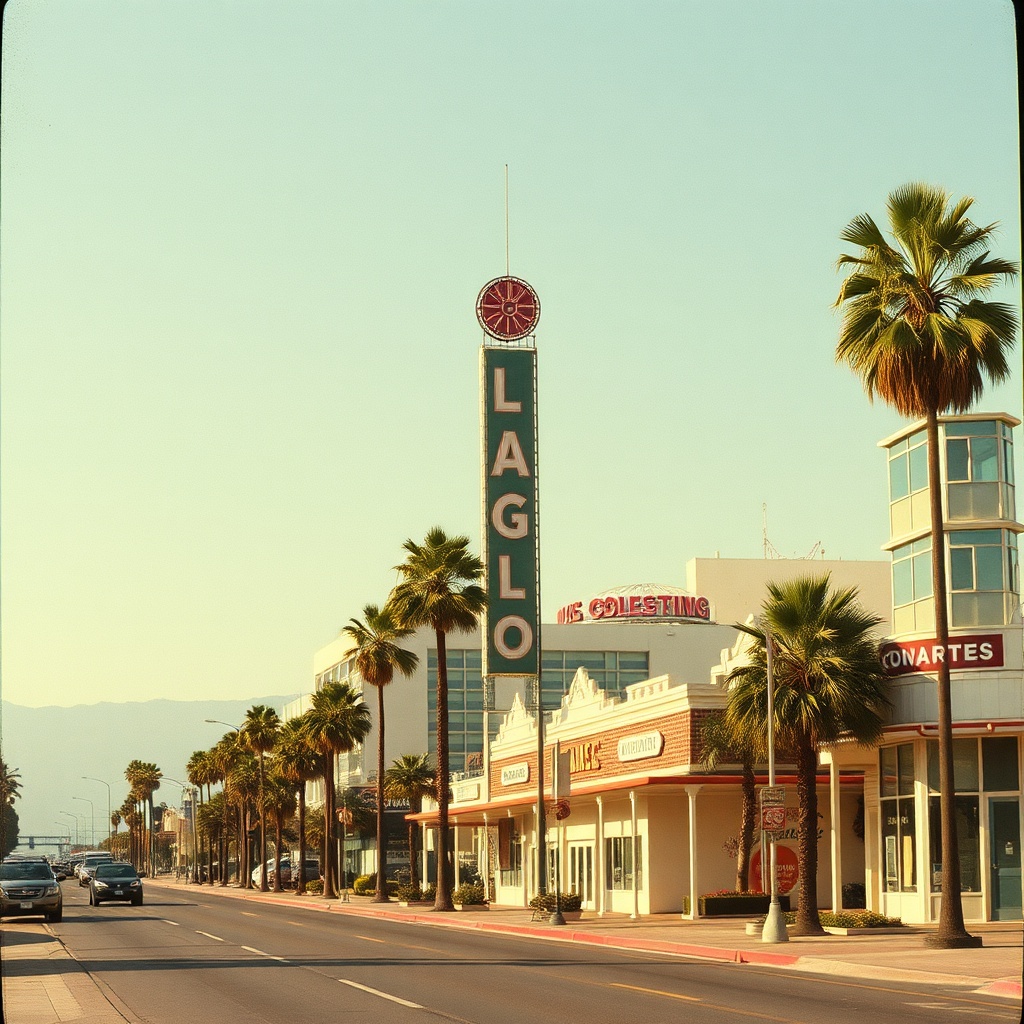
LA image

Getting around
– Metro Rail and buses: Rail lines connect key districts across the city and make many museum, downtown, and beach trips straightforward. Pair rail with local buses for short hops.
– Microtransit and ride-hail: Short on time or traveling late? Microtransit shuttles and ride-hail options fill gaps between stations and destinations.
– Micromobility: E-scooters and bike-share systems are widespread.

They’re ideal for short trips and final-mile connections. Always follow local safety rules and park devices considerately.
– Bike routes: Protected lanes and shared-use paths have expanded, including stretches along the waterfront and through several neighborhoods.

A sturdy hybrid or e-bike helps with L.A.’s hills and longer distances.

Neighborhood highlights reachable without a car
– Downtown L.A.: Walkable clusters around museums, historic theaters, and Grand Central Market offer easy daytime and evening options. Rail access connects several spots within a short walk.
– Venice and Santa Monica: Rail plus bike-friendly streets make the beachfront, boardwalk, and Third Street Promenade accessible without driving.
– Silver Lake and Echo Park: Trendy eateries, independent shops, and green spaces are best enjoyed on foot or by bike.
– Koreatown: A dense culinary destination where walking between restaurants and late-night spots is the norm.

Outdoor escapes and green spaces
– Griffith Park: Trails, viewpoints, and the observatory are reachable via transit and a short ride-share or bike portion. The park offers a classic L.A.

outdoor experience without freeway stress.
– The LA River and new greenways: Revitalized stretches feature pedestrian paths, bike lanes, and public art, turning formerly industrial corridors into pleasant routes for walking and cycling.
– Beachfront paths: The Strand and beachfront promenades link multiple coastal communities and are ideal for cycling or a long walk.

Food and culture on foot
– Markets and food halls: Central markets and neighborhood food halls put diverse dining options in compact areas—perfect for sampling without switching parking spots.
– Pop-up and street events: Regular open-streets events temporarily prioritize people over cars, spotlighting local businesses and connecting neighborhoods in a festive way. Check local listings for upcoming routes and schedules.

Practical tips
– Buy a reloadable transit card or mobile pass for convenience.
– Plan multi-modal trips with transit apps that combine rail, bus, bike, and scooter options.
– Carry a compact lock if you plan to bike—lock parking can be limited.
– Pack light and wear comfortable shoes; L.A. neighborhoods reward strolling.

Choosing to explore Los Angeles without a car opens up neighborhoods that often get missed from the freeway.

With transit, bikes, and more pedestrian-friendly street design, the city is increasingly built for people who want to move slowly, eat well, and discover corners of L.A.

that feel newly accessible.

Posted in LA

How Artists Can Improve Their Grammy Odds: Release Timing, Metadata, Promotion & Performance Strategies

The Grammys remain one of the most influential milestones in a music career, shaping public perception, industry opportunities, and streaming momentum. As the awards evolve alongside listening habits and industry practices, artists and teams looking to stand out need a strategy that balances great music with smart promotion and attention to the voting process.

Grammys image

Why the Grammys still matter
A Grammy nod or win can amplify an artist’s catalog, generate new touring opportunities, and attract sync and partnership deals. Beyond commercial impact, the awards are widely seen as a cultural barometer—highlighting trends, elevating underrepresented voices, and sparking conversations about genre, identity, and creative innovation.

Key trends shaping the Grammys
– Streaming-first listening: Streaming dominates how audiences discover music, which affects visibility and playlist traction—both critical signals for voters and the wider public.
– Genre fluidity: Boundaries between genres are increasingly porous.

Cross-genre collaborations and hybrid sounds often gain attention for their creative risks.
– Transparency and inclusion: There has been stronger focus on broadening representation among nominees and voters, and on clearer category definitions.
– Performance and spectacle: Live awards performances and red-carpet moments still create cultural buzz that can drive streams and media coverage.

Practical steps to improve Grammy prospects
– Release strategy: Time releases to maximize visibility during the submission and voting windows by coordinating singles, videos, and press cycles. Staggered content—audio, visuals, remixes—keeps momentum.
– Metadata and registration: Ensure every track has accurate metadata, ISRCs, and registered credits with performing rights organizations and music distribution partners.

Proper registration ensures eligibility and accurate crediting.
– Quality production and mastering: Grammy voters are professionals who listen closely. Invest in high-quality recording, mixing, and mastering to make your work stand up in critical listening environments.
– Build a campaign team: Labels or independent artists benefit from publicists, radio promoters, and awards-savvy consultants who understand the submission process, member outreach, and storytelling that resonates with voters.
– Engage with music community: Networking with peers, collaborators, and industry professionals increases awareness. Participate in showcases, curated playlists, and industry events where voting members may discover new work.
– Media and playlist strategy: Target influential playlists, podcasts, and editorial coverage.

Strong editorial support and sustained playlisting can drive the kind of attention that complements a formal awards campaign.
– Compelling visual content: Music videos, behind-the-scenes footage, and distinctive visuals strengthen a narrative.

Award voters often notice projects that present a cohesive artistic vision.

Performance and public moments
Grammys performances can redefine an artist’s profile. Plan sets that balance artistic integrity with moments that translate in social clips and press headlines. Costume and staging choices often become cultural talking points—think in terms of shareable visuals and storytelling.

What artists should prioritize now
Focus on craftsmanship and sustained audience growth. Short-term campaigns can spark buzz, but consistent catalog quality, authentic fan relationships, and professional presentation are what drive long-term recognition.

Use award attention as part of a broader career plan: nominate the right work, tell the right story, and let the music do the heavy lifting.

Whether you’re an emerging artist or an established act, staying aware of industry shifts and executing a thoughtful release and promotion plan will give your work the best chance to be heard—and considered—when Grammy conversations begin.

The Filmmaker’s Guide to Oscar Campaigns: Eligibility, Strategy, and Common Pitfalls

The Academy Awards remain the entertainment industry’s most visible marker of prestige, with effects that ripple across careers, box office returns, and streaming strategies. Understanding how the Oscars work and how to position a film for consideration can make the difference between a forgotten release and a campaign that attracts attention, distribution deals, and lasting cultural impact.

How the Oscars are decided
Voting is handled by the Academy’s membership, which is organized into branches representing different crafts—actors nominate actors, directors nominate directors, and so on.

For most categories, members of the relevant branch submit nomination ballots; after nominees are announced, all voting members who meet screening requirements cast final ballots to determine winners. The Best Picture category uses a preferential voting system in the final round, which rewards broad support and can benefit films with diverse appeal.

Eligibility basics
Although rules evolve, the Academy consistently requires films to meet specific exhibition and submission criteria to qualify. Traditionally this includes a qualifying theatrical run and formal submission of screening materials.

Some categories, like short films, documentaries, and animated features, have additional festival-qualification paths or special screening requirements. Filmmakers should review the Academy’s official rules for the most current requirements before planning a release or festival strategy.

Strategic campaigns that work
Oscar campaigns are part marketing, part outreach, and part community building. Successful campaigns focus on visibility, credibility, and narrative. Key components include:

– Early festival buzz: Target festivals that align with a film’s tone and audience to generate reviews and critical attention. Festivals can create a foundation for awards conversations.
– Targeted screenings: Host industry and critics’ screenings in major markets to ensure Academy members have opportunities to view the film.
– Awards-friendly messaging: Frame the film’s themes and performances in ways that resonate with voters—human stories, craft excellence, and social relevance often gain traction.
– Earned media and reviews: Positive critical coverage and feature profiles increase awareness and help sustain momentum through nomination voting periods.
– Peer outreach: Personal connections within branches matter.

Panels, Q&As, and events that highlight specific crafts (acting, cinematography, editing) showcase the work to the people who nominate in those categories.

Academy Awards image

The impact of nominations and wins
Recognition from the Academy can dramatically increase a film’s visibility. Nominations often spark renewed theatrical interest, higher streaming viewership, and expanded international distribution. For creatives, an Oscar nod or win enhances career prospects, leading to larger budgets and more creative control. For designers, stylists, and brands, the red carpet is a high-value showcase that generates media coverage for seasons to come.

Common pitfalls to avoid
– Waiting too late: Effective awards campaigns require planning well before release.
– Overextending the message: A clear, authentic narrative focused on craft tends to land better than scattershot messaging.
– Ignoring craft communities: Failing to engage the specific branches (for example, songwriters for Best Original Song) reduces the chance of nominations in specialized categories.

Final thought
Navigating the Academy Awards landscape is both art and strategy. Filmmakers and teams who combine strong creative work with informed, respectful campaigning increase their chances of breaking through. Thoughtful planning around eligibility, screenings, and peer engagement positions a film to be seen—and remembered—when awards conversations begin.