Los Angeles Travel Guide: What to See, Where to Go & How to Get Around

Los Angeles Guide: What to See, Where to Go, and How to Get Around

Los Angeles is a city of neighborhoods, microclimates, and endless discovery. Whether you’re a first-time visitor or a local looking to explore more, a few practical tips and neighborhood highlights can make the sprawling city feel manageable — and exciting.

Top things to do
– Visit major museums and cultural hubs: art, science, and performance venues offer rotating exhibitions and programs that appeal to all interests.
– Hike iconic trails: trailheads in Griffith Park, Runyon Canyon, and the Santa Monica Mountains provide urban viewpoints and skyline panoramas.
– Hit the coast: Venice Beach boardwalk, Santa Monica Pier, and quieter stretches like El Matador offer distinct beach experiences.
– Explore food scenes: from taco stands and Korean BBQ to upscale farm-to-table spots, LA’s culinary landscape is famously diverse.
– Catch live music or a show: venues across Downtown, Hollywood, and Hollywood adjacent neighborhoods host everything from underground bands to major touring acts.

Neighborhoods worth exploring
– Downtown LA (DTLA): A compact mix of historic theaters, public markets, and a growing skyline. Great for food halls and late-night bars.
– Silver Lake & Echo Park: Known for indie shops, coffee culture, and scenic reservoir walks. Ideal for boutique shopping and brunch.
– Koreatown: A 24-hour dining and karaoke paradise with some of the city’s best late-night eats.
– West Hollywood & Sunset Strip: Nightlife hubs with stylish restaurants, clubs, and boutique hotels.
– Venice & Santa Monica: For beachfront life, street performers, and bikeable promenades.
– Highland Park & Boyle Heights: Emerging hotspots for galleries, bakeries, and dynamic food scenes rooted in community history.

Getting around
Traffic is part of the LA experience, but options beyond driving are increasingly viable. The Metro rail and bus network connects key districts and continues to expand, making it easier to link museums, downtown, and some beachside neighborhoods.

Ride-hailing apps, bike-share, and electric scooters fill in shorter trips.

For scenic routes, consider biking the Marvin Braude Bike Trail or using rideshare to access trailheads that public transit doesn’t reach easily.

Popular navigation and transit apps help with real-time routing and transit schedules.
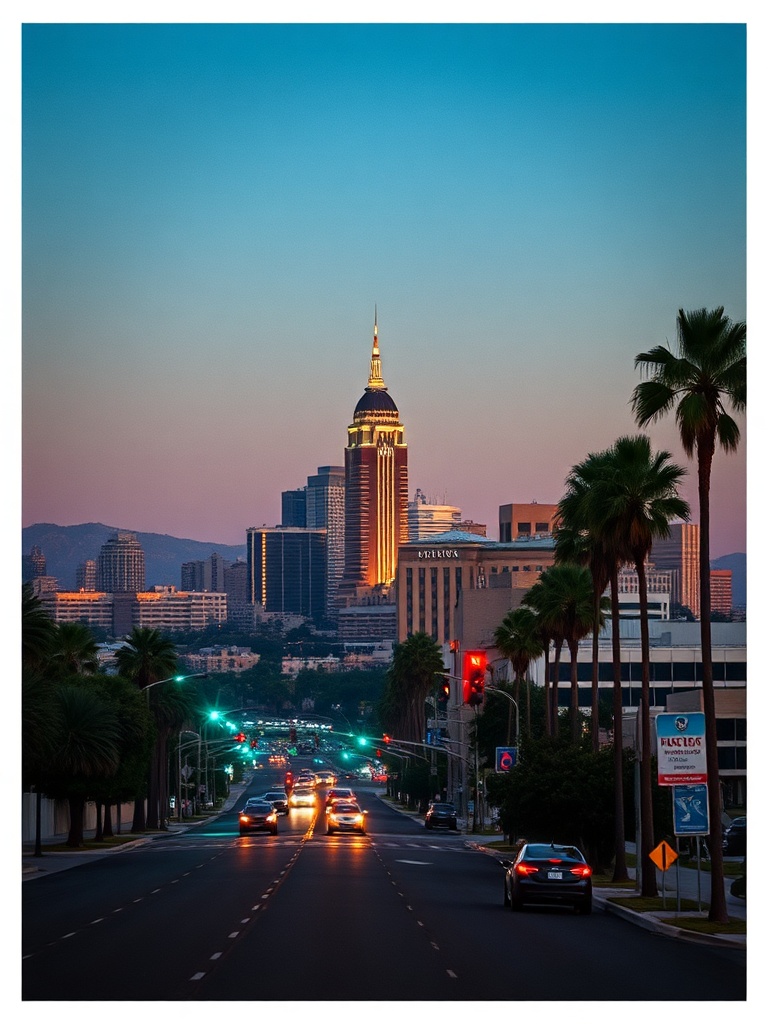
LA image

Food and drink highlights
LA’s food scene ranges from street food to fine dining. Look for neighborhood farmers markets for fresh produce and artisanal goods. Late-night diners and specialized ethnic eateries keep the city buzzing late.

Neighborhood-specific specialties — tacos in East LA, banchan and barbecue in Koreatown, vegan innovation in Silver Lake — reflect LA’s cultural mosaic.

Practical tips
– Avoid peak commute times on major freeways and plan downtown visits for midday when parking and traffic are easier.
– Book popular attractions and restaurant reservations in advance, especially for weekend visits.
– Pack layers: coastal fog and inland sunshine can make temperatures vary widely within short distances.
– Use localized search terms when planning (neighborhood + activity) to find hidden gems and avoid tourist traps.
– Be mindful of safety by staying in well-lit, populated areas at night and keeping valuables secure.

Sustainability and new trends
Sustainable dining, electric vehicle infrastructure, and urban green spaces are shaping how Angelenos live and explore. Rooftop gardens, adaptive reuse of historic buildings, and community-driven markets reflect a city balancing growth with livability.

Los Angeles rewards curiosity. Take time to wander neighborhood streets, try different cuisines, and follow what interests you — the city often reveals its best surprises off the main avenues.

Posted in LA

Explore Los Angeles Neighborhoods: A Vibe-by-Vibe Guide

Los Angeles is a city of layers—coastline, canyons, cultural neighborhoods, and endless food choices. Whether you’re visiting for a weekend or carving out new routines, approaching LA with a neighborhood-by-neighborhood plan makes the city feel manageable and rewarding.

Start with neighborhoods
– Downtown LA (DTLA): A compact mix of museums, modern architecture, and bustling food halls. Walk from Grand Central Market to the Walt Disney Concert Hall and pick a rooftop bar for skyline views.
– Hollywood & East Hollywood: Beyond the Walk of Fame, explore independent theaters, vintage shops, and lively eateries. Nearby Koreatown offers late-night dining and karaoke.
– Westside (Santa Monica and Venice): Enjoy the beach boardwalk, seaside bike paths, and eclectic street performers.

The Venice canals and Abbot Kinney Boulevard are great for strolling and boutique shopping.
– Silver Lake & Echo Park: Trendy coffee shops, vinyl stores, and a lively dining scene define these neighborhoods—perfect for a relaxed afternoon discovering local spots.
– San Gabriel Valley & East LA: For authentic, regional cuisine—especially Asian and Mexican flavors—venturing east pays off.

Getting around
Traffic influences how you schedule the day. Use public transit for central corridors—Metro lines connect key neighborhoods—and ride-share or bikes for door-to-door flexibility.

Dockless scooters and bike-share are common for short hops, but watch bike lanes and local regulations. If you drive, allow extra time for parking and use apps to find garages or street meters.

Outdoor essentials
LA’s abundant outdoor options are a major draw. Hikes range from short viewpoints to more ambitious canyon trails—choose one that matches your fitness and time. Beaches are scenic and vary by vibe: family-friendly piers, lively boardwalks, or quieter coves. Bring sunscreen and layered clothing—coastal breezes can cool temperature quickly.

Food and drink
The city’s culinary scene reflects global cultures. Street tacos, Korean barbecue, Vietnamese banh mi, and fusion tasting menus can all be part of the same day. Visit a weekend farmers market for fresh produce and local goods, or plan a food-hall crawl to sample multiple vendors. Tipping is customary at restaurants and for services; check menus for service charges.

Cultural and creative highlights
LA’s museum and live performance landscape is broad.

Major contemporary art collections sit alongside smaller galleries and experimental theaters. Film and music history permeates the city, and local cinemas often screen repertory films, indie premieres, and festivals. For architecture and public art, stroll neighborhoods rather than trying to cram sites into a single day.

Local etiquette and safety

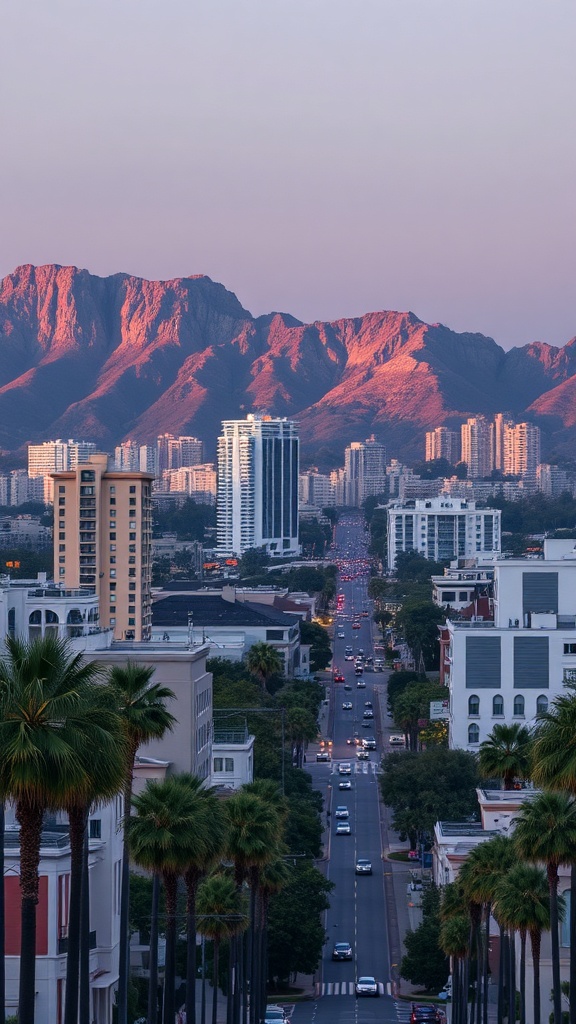
LA image

Be courteous with space, especially on crowded hikes or transit.

LA is pet-friendly in many spots—expect to see dogs—and nightlife can run late. Keep valuables secure, remain aware of surroundings in unfamiliar areas, and follow posted signs for trail or beach closures.

Plan your days by vibe rather than distance
Instead of trying to cover every “must-see,” pick a vibe—coastal chill, culinary adventure, cultural immersion, or nature escape—and explore deeply. That approach turns a busy city into a series of satisfying neighborhood experiences and reveals the local rhythms that make Los Angeles uniquely compelling.

Posted in LA

Beverly Hills Beyond Rodeo Drive: Insider Guide to Shopping, Parks, Dining & Real Estate

Beverly Hills remains a global shorthand for glamour: palm-lined boulevards, immaculate landscaping, and an upscale shopping and dining scene that draws visitors from around the world.

But beyond red-carpet imagery, the city offers a layered experience that blends public green spaces, architectural variety, and a small-city municipal feel that often surprises first-time visitors.

Rodeo Drive and shopping allure
Rodeo Drive is the headline draw — a three-block stretch that showcases high-fashion boutiques, jewelry houses, and flagship stores.

Window shopping here is as much about the curated storefronts and people-watching as it is about the purchases.

For a quieter retail experience, explore the surrounding streets and small galleries where local designers and independent boutiques offer distinctive finds.

Parks, public art, and iconic spots
Beverly Hills balances its luxury branding with carefully maintained public spaces. Strolling along the city’s garden pathways reveals public art installations, seasonal plantings, and several pocket parks that provide shade and respite from busy retail corridors. The well-known public sign and nearby gardens make for a popular photo stop, but quieter spots like tucked-away plazas and residential walking routes often reward visitors with a more authentic neighborhood feel.

Dining and wellness scene

Beverly Hills image

The culinary scene here caters to a broad spectrum: exclusive tasting menus and private dining experiences sit alongside relaxed bistros, cafés, and international options. Many restaurants emphasize locally sourced produce and refined service. Wellness is part of the local lifestyle, with boutique fitness studios, high-end spas, and beauty destinations that focus on personalized treatments and holistic care.

Real estate and residential character
Real estate in Beverly Hills is notable for its diversity of architectural styles — from Mediterranean villas and modernist glass-and-steel homes to historic estates set on lush parcels. Privacy is a premium: gated properties, mature landscaping, and hillside retreats offer seclusion while remaining close to city amenities. Buyers and renters often prioritize access to top-notch municipal services, neighborhood schools, and proximity to major business and entertainment hubs.

Sustainability and city planning
Though luxury often takes the spotlight, the city also engages with sustainability and long-term planning. Water-wise landscaping, energy-efficiency initiatives, and investments in public infrastructure reflect a focus on maintaining urban quality of life amid high demand. Streetscape improvements and attention to walkability contribute to a pedestrian-friendly environment that complements the city’s visual appeal.

Practical tips for visiting
– Parking: Public parking garages and metered street parking are available, but busy shopping corridors fill up quickly; allow extra time during peak periods.
– Mobility: Rideshares and local shuttles are convenient alternatives for short hops between attractions.
– Timing: Weekdays and early mornings typically offer a calmer experience for exploring shops and parks.
– Reservations: Popular restaurants and guided experiences often require advance booking.

Beverly Hills is more than a luxury postcard. It’s a compact, curated urban environment that combines high-end retail and dining with thoughtfully maintained public spaces, diverse residential life, and a steady focus on quality of life. Whether visiting for a quick shopping trip, a wellness retreat, or to scout real estate, the city offers layers of discovery that reward both casual tourists and repeat visitors.

What the Grammys Measure: A Practical Guide to Nominations, Voting, and Artist Strategy

What the Grammys Actually Measure — and How Artists Can Make the Most of Them

Grammys image

The Grammys remain a defining benchmark for artistic recognition in recorded music.

While awards don’t always correlate directly with commercial success, they signal industry validation that can open doors to collaborations, higher-profile bookings, and broader media attention. Understanding how the process works and what matters to voters helps artists and teams plan smarter campaigns without chasing vanity metrics.

How nominations and voting work
– Submission: Record labels, independent artists, or rightsholders submit recordings for consideration in eligible categories. Accurate metadata and clear credits are essential; incomplete submissions risk disqualification during screening.
– Screening: Panels review submissions to ensure entries are placed in the appropriate categories and meet basic eligibility criteria.

This step filters out ineligible or miscategorized work before voting begins.
– Nominations: Voting members of the Recording Academy cast ballots to determine nominees. Some fields use nominating committees or review panels to refine ballots and ensure quality representation; the Academy has emphasized more transparency around these practices recently.
– Final voting: Once nominees are set, voting members choose winners based on artistic excellence. Votes are audited externally to maintain integrity.

What influences voters
Voters are music professionals, so artistic merit and peer recognition carry the most weight. Considerations that tend to influence votes:
– Craft and originality: Strong songwriting, production, arrangement, and performance quality matter.
– Industry visibility: Consistent touring, critical acclaim, and high-profile collaborations increase awareness among voters.
– Professional presentation: Clean credits, clear liner notes, and accessible reference materials for voters make it easier for work to be fairly assessed.
– Reputation: Longstanding artistic integrity and contributions to the craft often tip the scales in contested categories.

Smart strategies for artists and teams
– Prioritize metadata and credits: Ensure all contributors are properly credited across digital platforms and submission forms.

Errors can disqualify entries or create confusion during screening.
– Prepare a voter-friendly press kit: Provide concise context around the project—creative intent, production notes, and standout tracks—so voters grasp the work quickly.
– Focus on peers: Engage with the music community genuinely. Relationships with fellow professionals increase the likelihood that your work will be heard by voting members.
– Balance visibility and integrity: Touring, festival appearances, targeted publicity, and playlisting raise awareness. Campaigns should emphasize artistic merit rather than aggressive promotion.
– Choose categories wisely: Some releases fit multiple categories; pick the one where the work’s strengths align with likely voter priorities.

What winning — or being nominated — can do
A Grammy nomination often translates to increased streaming, higher ticket demand, better sync opportunities, and a stronger negotiating position with labels and promoters.

For emerging artists, a nomination can accelerate career momentum; for established artists, it can reinforce a legacy.

What fans should know
The televised ceremony highlights a fraction of the awards and tends to prioritize high-profile performances. Fans interested in the broader scope can follow full nominee and winner lists, explore nominated albums and songs, and track behind-the-scenes coverage to understand why certain projects resonated with peers.

The awards are not a perfect mirror of popular taste, but they remain a powerful recognition of craft within the music industry. Artists who combine excellent recordings with meticulous submission practices and authentic professional engagement give themselves the best chance when peers cast their votes.

Here are 10 SEO-friendly blog title options. Recommended pick is first (optimized for length and keywords).

Bel Air: A Guide to Lifestyle, Homes, and Things to Do

Bel Air is one of the most iconic residential neighborhoods on the Westside of Los Angeles, known for its dramatic canyons, sprawling estates, and quiet, private streets. For people who value privacy, architectural diversity, and easy access to both natural escapes and city amenities, Bel Air remains a top choice.

What makes Bel Air special

Bel Air image

– Privacy and prestige: Many homes sit behind gates and long drives, offering seclusion that’s rare inside a major city.

Security, mature landscaping, and large lots create a park-like atmosphere.
– Architectural variety: Expect to find everything from classic ranch houses and mid-century modern masterpieces to ultra-contemporary glass-and-concrete homes. Renovations and custom builds blend modern amenities with the neighborhood’s original charm.
– Natural setting: Steep canyons, native plantings, and viewpoints make Bel Air feel removed from urban density.

Nearby ridgelines and trails provide quick escapes for walking and hiking.

Neighborhood highlights
– Bel Air Crest and gated estates: Several communities within Bel Air offer additional privacy and concierge-style amenities, appealing to buyers who want a secure compound feel.
– Mulholland Drive views: Many properties on the northerly slopes enjoy sweeping views of the city and ocean, especially from elevated lots and rooftop terraces.
– Local clubs and dining: While Bel Air itself prioritizes residential calm, nearby areas offer upscale dining, private clubs, and boutique shopping.

It’s easy to access cultural and entertainment options without compromising quiet living.

Things to do
– Explore nearby trails: Public and semi-public trails wind through adjacent hills and parks. Hikes range from gentle canyon strolls to more strenuous ridge walks with city panoramas.
– Drive or stroll the residential boulevards: The quiet streets showcase a range of landscaping styles and architectural details—an easy way to appreciate the neighborhood’s character.
– Visit nearby cultural destinations: Museums, gardens, and performance venues are a short drive away, making Bel Air a convenient home base for cultural outings.
– Golf and country clubs: Private clubs in and around Bel Air provide golf, tennis, dining, and social events for members.

Tips for buyers and residents
– Prioritize privacy needs: If seclusion matters, look for properties with established perimeter landscaping and gated access. Consider noise exposure from nearby thoroughfares when choosing a lot.
– Think long-term about maintenance: Large grounds and unique architectural elements require ongoing upkeep; factor landscape and structural maintenance into planning.
– Work with local specialists: Real estate agents, architects, and contractors who regularly work in Bel Air understand permit nuances, hillside engineering, and design considerations for steep lots.
– Check HOA and community rules: Some pockets have homeowner associations or private road agreements that affect renovations, landscaping, and access.

Getting around
Bel Air offers a quieter pace while remaining reasonably connected to major employment, shopping, and cultural hubs. Commuting times vary with traffic patterns, so plan for peak-hour travel when scheduling appointments or outings.

Bel Air continues to attract people seeking a sophisticated residential experience that balances natural beauty with exclusive living. Whether you’re exploring the architecture, seeking a tranquil home site, or simply enjoying a scenic walk, Bel Air presents a unique slice of Los Angeles living.

Here are five SEO-friendly blog title options — pick one or I can tailor further for meta length or social sharing:

Los Angeles Unpacked: Where to Go, What to Do, and How to Experience the City Like a Local

Los Angeles is a city of contrasts — ocean and mountains, freeways and bike lanes, global cuisine and neighborhood dives. Whether visiting for the first time or rediscovering the city, a mindful approach makes it easier to navigate traffic, sample standout food, and find quieter moments among the hustle.

Getting around
Public transit has expanded, making rail and bus options a practical alternative to driving for many trips. Rideshares remain convenient for late nights or cross-town trips, while biking and electric scooters are increasingly common for short distances in flatter neighborhoods. Plan extra time for peak travel windows and consider combining transit with walking to enjoy neighborhoods at street level.

Neighborhood essentials
– Downtown LA: Museums, rooftop bars, and a growing restaurant scene. Great for arts and architecture lovers.
– Hollywood & Griffith Park: Iconic attractions and scenic hikes with city views.

– Santa Monica & Venice: Beach culture, boardwalk energy, and a lively bike path connecting both.

– Silver Lake & Echo Park: Trendy cafés, indie shops, and relaxed evenings at small music venues.
– Koreatown: Late-night dining, karaoke, and a dense cluster of affordable, high-quality restaurants.
– Little Tokyo & Olvera Street: Cultural hubs for food, festivals, and historic sites.

Outdoor options
The region’s mild Mediterranean climate encourages outdoor living. Popular hikes deliver skyline and ocean vistas; beach walks and tide pools offer easy escapes; and parks provide picnic and recreation spots. For a different perspective, try a morning beach walk followed by an urban hike to see how natural landscapes frame the city.

Food and drink

LA image

Los Angeles is a culinary melting pot — street tacos and high-end dining sit side by side. Farmers markets showcase seasonal produce and specialty vendors. For coffee, seek independent roasters in neighborhood shops rather than chain locations. Reservations are useful for busy restaurants, while food halls and casual markets provide faster, diverse options for groups.

Arts, culture, and entertainment
LA’s museums and performance venues cover classical art, contemporary installations, film history, and live music. Neighborhood galleries and pop-up shows are excellent ways to discover emerging artists. The entertainment industry still permeates the city’s identity, but local theater, comedy clubs, and community arts centers keep the creative scene approachable.

Practical tips
– Parking: Street parking can be limited; check signage and apps for regulations and lot availability.
– Safety: Treat the city like any large urban area — stay aware of surroundings, secure belongings, and travel in well-lit areas at night.
– Weather: Layers work best — coastal fog can give way to warm afternoons inland.
– Connectivity: Many cafés and public spaces offer Wi-Fi; a mobile plan with data helps for navigation and local apps.
– Sustainability: Bring a reusable bottle and bag. Many businesses discourage single-use plastics and stocking filtered water is common.

What’s changing
The city keeps evolving — infrastructure projects, new restaurants, and cultural spaces open regularly. Emphasis on climate resilience, urban greening, and alternative transportation is shaping neighborhoods and public spaces. This makes LA a living city where each visit can feel fresh.

Whether seeking iconic attractions or small, unexpected moments, Los Angeles rewards curiosity. Move beyond the map: chat with locals, explore side streets, and let the city’s neighborhoods reveal their stories.

Posted in LA

SAG Awards: Why Peer-Driven, Ensemble Honors Matter in Awards Season

The SAG Awards—presented by SAG-AFTRA—are among the most respected honors for actors, prized for being peer-driven and focused squarely on performance. Unlike many industry prizes judged by critics or critics’ groups, these awards are voted on by fellow performers, giving them a distinctive prestige that can boost careers and shape momentum during awards season.

What makes the SAG Awards unique
The centerpiece is recognition by colleagues. Categories include individual acting awards for lead and supporting roles across film and television, plus the coveted ensemble prizes that celebrate the collective work of a cast.

There are also awards that honor stunt ensembles and a life achievement honor recognizing career-long contributions. This emphasis on ensemble and peer recognition highlights collaboration and craft rather than just star power.

How winners are chosen
Nominations and winners are decided by SAG-AFTRA members. The process involves nominating groups from the membership and then a full membership vote to determine winners.

That peer-review mechanism means actors evaluate performances with a deep understanding of technique, nuance, and the challenges of the craft—making a SAG statuette a meaningful mark of professional esteem.

Why the SAG Awards matter
A SAG Award can be career-defining. Receiving recognition from fellow actors often translates to increased industry visibility, stronger negotiating power, and enhanced credibility on future projects.

For ensemble-driven projects—where chemistry, timing, and interplay are crucial—the ensemble award shines a spotlight on the collaborative achievement rather than an individual turn.

Trends shaping the ceremony
Streaming platforms have reshaped the landscape of film and television eligibility, blurring traditional lines between mediums. As a result, nominations now regularly include performances from streaming series and platform-produced films alongside theatrical releases and network programming.

Parallel to that, growth in high-quality scripted television and limited series has expanded the pool of standout performances, making competition fiercer and the awards more reflective of varied storytelling formats.

Representation and inclusion

SAG Awards image

Diversity and inclusion remain central issues in casting and award recognition. The SAG Awards have increasingly reflected a broader range of voices and stories, recognizing performances that highlight underrepresented communities and new perspectives. This trend is aligned with ongoing industry conversations around authentic representation, equitable opportunities, and inclusion both on-screen and behind the scenes.

Campaigning and the awards season effect
While public-facing campaigns—screenings, press events, interviews, and guild outreach—play a role in keeping performances top of mind, the peer-based voting model makes genuine craft and community respect crucial. A win or nomination at the SAG Awards often signals strong support among actors and can influence the tone of subsequent industry voting.

What to watch for at the ceremony
Expect standout moments honoring ensembles, surprise wins where peer respect outweighs box-office or buzz, and heartfelt speeches focused on craft and collaboration. The inclusion of stunt ensemble awards and the lifetime achievement tribute also provides a broader view of the many disciplines that contribute to memorable screen performances.

For audiences and industry observers alike, the SAG Awards remain a vital barometer of acting excellence. They celebrate the subtleties of performance and the power of ensemble storytelling, offering insight into which performances truly resonate within the acting community.

Here are five SEO-friendly title options (recommended: 1):

Bel Air: privacy, prestige, and the evolving luxury landscape

Bel Air is one of Los Angeles’s most recognizable neighborhoods, known for sweeping estates tucked behind tall hedges, winding hillsides, and a culture of privacy.

For residents and curious visitors alike, it offers a blend of old-world glamour and contemporary design that makes it a unique enclave within the city.

What defines Bel Air

Bel Air image

– Seclusion and scale: Large lots, mature landscaping, and gated driveways create a sense of retreat despite proximity to major cultural hubs. Streets curve around the foothills of the Santa Monica Mountains, providing dramatic views and natural buffers from the city below.
– Architectural variety: Mediterranean villas, mid-century modern homes, and cutting-edge glass-and-steel residences stand side by side.

Many estates keep original details while others have been reimagined with modern amenities and sustainable systems.
– Community-minded planning: The neighborhood’s founding vision emphasized open space and generous parcel sizes to protect privacy and preserve scenic corridors, a principle that continues to influence development decisions.

Places to know and ways to experience Bel Air
– Hotel Bel-Air: This storied luxury hotel and its manicured gardens provide one of the few public-facing ways to experience the neighborhood’s ambiance. Dining or afternoon tea there offers a glimpse of the refined lifestyle associated with the area.
– Scenic drives and viewpoints: Mulholland Drive and the winding local roads deliver iconic Los Angeles panoramas.

Driving through slowly reveals architectural variety and lush, often dramatic, landscaping.
– Nearby culture and recreation: Bel Air’s location places it close to major museums, university campuses, and hiking in the Santa Monica Mountains, making it easy to combine privacy with city life.

Real estate and lifestyle trends
Bel Air’s real estate scene balances preservation and reinvention. Longstanding estates are frequently updated to accommodate modern living—think home automation, wellness-focused amenities, and sustainable upgrades—while some properties are entirely rebuilt with contemporary designs that play on indoor-outdoor living. Professional property management, high security standards, and discreet service providers support the neighborhood’s lifestyle.

For prospective buyers and visitors
– Respect privacy: Many homes are privately owned and not open to the public. Photographers and visitors should be mindful of gated properties and local ordinances.
– Work with local specialists: Real estate agents and architects who have experience in Bel Air can provide insight into lot restrictions, hillside engineering, and neighborhood associations.
– Plan for logistics: While Bel Air feels removed, access to core city services, schools, and cultural institutions is straightforward—traffic considerations aside, as in any major metro area.

Why Bel Air remains relevant
Bel Air’s appeal comes from more than prestige; it’s about a particular way of living—privacy blended with proximity to culture, open space framed by considered architecture, and a community that values both legacy and thoughtful modernization. Whether one is studying trends in luxury real estate, seeking a quiet urban retreat, or simply curious about Los Angeles neighborhoods, Bel Air represents a distinctive chapter in the city’s story.

Why the Grammys Still Matter: How Artists, Producers & Songwriters Can Boost Their Chances of Nomination

The Grammys remain one of the most influential touchstones in the music industry, shaping careers, spotlighting new talent, and reflecting shifts in how music is made and consumed. As the awards evolve, so do the strategies artists and teams use to gain recognition—and the ways audiences perceive prestige.

Why the Grammys still matter
A Grammy nod or win can dramatically increase visibility across streaming platforms, radio, and booking opportunities.

For emerging artists, a nomination often translates into higher-profile festival slots and licensing interest. For established acts, it reinforces legacy and can introduce catalog tracks to new listeners. Beyond commercial impact, Grammys carry symbolic value: peer recognition from the Recording Academy signals professional validation.

What’s changing in the awards landscape
The music ecosystem has been reshaped by streaming, genre fusion, and global collaboration. These forces influence nominations and category definitions, prompting conversations about how to best recognize hybrid styles and international sounds. The Academy has been responding with initiatives aimed at better reflecting the diversity of creators and the modern listening landscape, alongside efforts to increase voting transparency and member engagement.

Key areas artists should focus on
– Craft impeccable recordings: Production quality, strong vocal/instrumental performances, and professional mixing/mastering remain essential. The recording itself is the primary artifact being judged.
– Accurate credits and metadata: Properly credited songwriters, producers, engineers, and sample clearances ensure eligibility and recognition for contributors. Metadata errors can derail submissions.
– Strategic releases: Timing a release to maximize exposure during submission windows and related promotional cycles helps.

Coordinating singles, videos, and press can improve visibility among voters and tastemakers.
– Build industry relationships: Active membership and engagement with the Recording Academy community, plus relationships with peers and influencers, can increase awareness. Networking matters, but the work must speak for itself.
– Campaign smartly: Targeted press, playlist pitching, and outreach to industry voters are common components of a campaign. Authentic storytelling around a release helps cut through noise.

Producers, engineers and songwriters: rising recognition
More attention is being paid to technical contributors whose work shapes the sound. Categories that honor production, engineering, and songwriting are increasingly viewed as crucial career milestones.

Ensuring these credits are properly registered not only aids eligibility but can also secure recognition for behind-the-scenes creatives.

How audiences engage with the Grammys
Grammy night continues to be a cultural moment—an intersection of live performances, fashion, and viral moments. Social media amplifies reactions and can shift public perception of nominees, while streaming platforms often curate playlists that boost nominated artists.

Fan engagement, while not the primary voting mechanism, contributes to momentum and industry buzz.

Staying adaptable

Grammys image

The most successful artists and teams combine timeless craft—great songs and performances—with savvy navigation of the modern music economy. Staying informed about Academy procedures, prioritizing clean metadata and rights management, and investing in high-quality production are basics that never go out of style.

Whether you’re an artist aiming for a first nomination or a longtime professional navigating category changes, focusing on exceptional music, clear credits, and purposeful promotion maximizes chances of recognition. The Grammys may continue to evolve, but the fundamentals of creating compelling, expertly executed music remain the surest path to standing out.

1) Visiting Malibu: Beaches, Surf, Hikes & Sustainable Travel Tips

Malibu remains a magnetic stretch of coastline where dramatic cliffs, surf-ready breaks, and a slow-paced luxe lifestyle meet serious conservation work.

Whether you’re planning a day trip or thinking about longer stays, knowing where to go and how to respect the place makes the experience richer.

Beaches and surf
Malibu’s beaches each have a personality.

Zuma Beach is broad and family-friendly with lifeguards and plenty of sand for kids and picnics. Surfrider Beach, near the pier, is legendary among longboarders for its long, rolling waves and iconic lineup. For cliff-backed coves and sea caves, El Matador State Beach offers dramatic scenery and great photo opportunities at low tide. Always check local conditions—rip currents and sneaker waves can change the safety profile quickly.

Outdoor recreation beyond the sand
The Santa Monica Mountains behind Malibu hold a network of trails for hikers and mountain bikers. Point Dume Headland provides sweeping ocean vistas and chances to spot migrating whales from shore when conditions favor sightings. Malibu Creek State Park is a favorite for longer treks, rock climbing, and birdwatching; its creek and rock formations make it feel like an inland oasis. Pack water, sun protection, and sturdy footwear—trail surfaces can be rocky and exposed.

Food, drink, and local flavor
Malibu blends coastal casual with refined dining. Sea-to-table restaurants and casual cafés highlight fresh seafood, locally sourced produce, and creative cocktails. For a change of pace, explore hilltop eateries and tasting rooms that showcase wines grown in the nearby mountains. Expect a mix of laid-back beach shacks and high-end venues—reservations help for popular spots.

Malibu image

Environmental stewardship and community resilience
Malibu faces ongoing environmental challenges that shape daily life. Coastal erosion, sea-level rise, and watershed health influence beach access and planning. Wildfire risk and drought concerns drive community efforts around defensible space, water conservation, and fire-resistant landscaping. Local stewardship groups and volunteers frequently lead beach cleanups, lagoon restoration projects, and native-plant landscaping initiatives—visitors are encouraged to support or participate when possible.

Practical tips for visiting
– Traffic and parking: Pacific Coast Highway is scenic but can be slow during peak hours. Arrive early for popular beaches or plan for sunset timing. Respect posted parking rules; some areas require permits or have time limits.
– Respect private property: Much of Malibu’s coastline borders private homes. Stick to public access points and avoid climbing on private stairs or fences.
– Leave no trace: Pack out trash, use reef-safe sunscreen, and avoid disturbing wildlife or nesting birds.
– Safety: Swim near lifeguard stations when available, check surf conditions, and be cautious on rocky shorelines at high tide.

Cultural notes
Malibu’s creative energy attracts artists, filmmakers, and musicians, which is reflected in local galleries, outdoor concerts, and occasional community festivals. The balance between development and preservation is an ongoing conversation, and community voices play a big role in shaping policy and projects.

Why it matters
Visiting Malibu is as much about scenery as it is about stewardship.

The dramatic coastline and mountain backdrop will draw you in; how you move through the landscape—respectfully and sustainably—helps keep it special for residents and future visitors. Whether you’re chasing waves, hiking a ridge, or savoring a sunset from the pier, a mindful approach ensures Malibu’s natural beauty endures.