Los Angeles without a car is more possible—and more enjoyable—than many realize. With expanded transit options, growing bike and scooter networks, and better pedestrian-friendly streets, L.A. now invites visitors and locals to explore beyond freeways and parking hassles. Here’s a practical guide to navigating the city sustainably while seeing the best neighborhoods, parks, and food stops.
Why go car-free in L.A.?
– Avoid traffic and parking costs
– Reduce your carbon footprint
– Discover neighborhoods at a human pace
– Access streets and markets that cars can’t reach
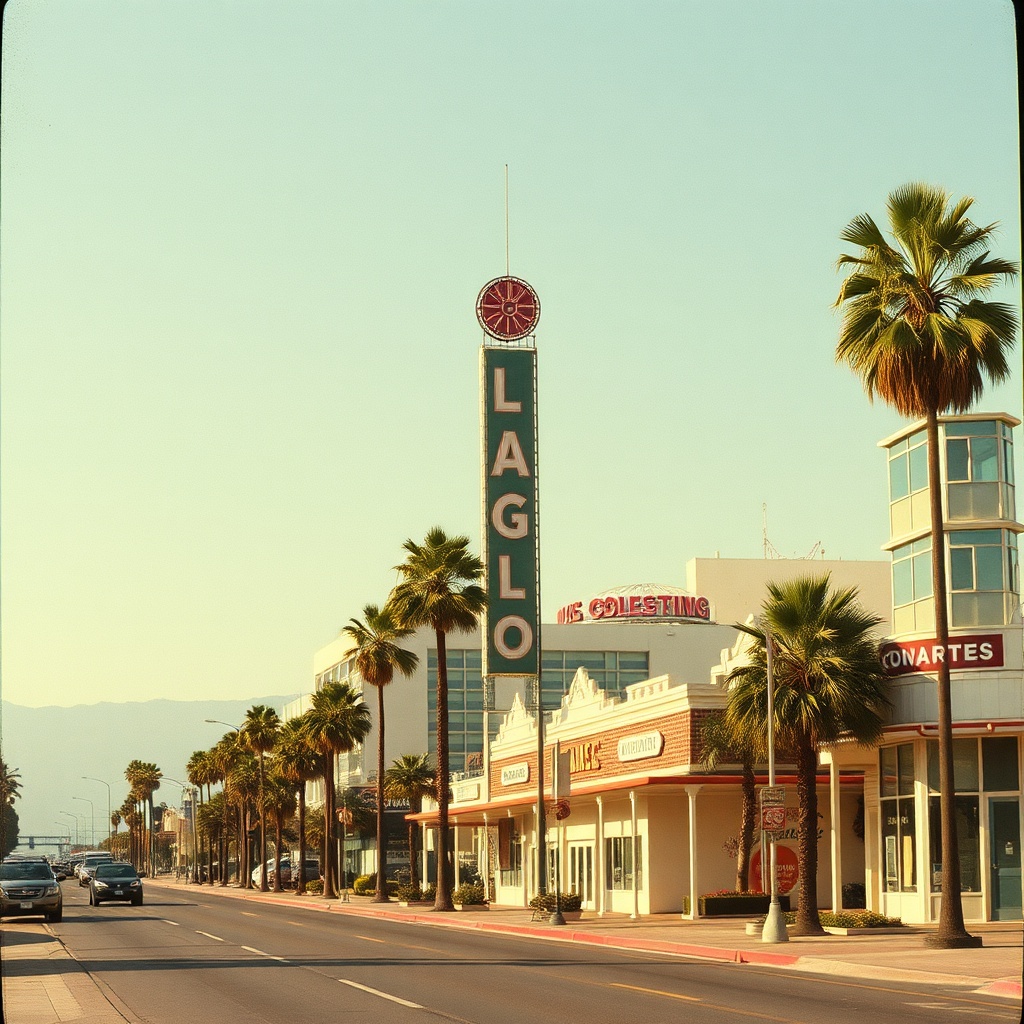
Getting around
– Metro Rail and buses: Rail lines connect key districts across the city and make many museum, downtown, and beach trips straightforward. Pair rail with local buses for short hops.
– Microtransit and ride-hail: Short on time or traveling late? Microtransit shuttles and ride-hail options fill gaps between stations and destinations.
– Micromobility: E-scooters and bike-share systems are widespread.
They’re ideal for short trips and final-mile connections. Always follow local safety rules and park devices considerately.
– Bike routes: Protected lanes and shared-use paths have expanded, including stretches along the waterfront and through several neighborhoods.
A sturdy hybrid or e-bike helps with L.A.’s hills and longer distances.
Neighborhood highlights reachable without a car
– Downtown L.A.: Walkable clusters around museums, historic theaters, and Grand Central Market offer easy daytime and evening options. Rail access connects several spots within a short walk.
– Venice and Santa Monica: Rail plus bike-friendly streets make the beachfront, boardwalk, and Third Street Promenade accessible without driving.
– Silver Lake and Echo Park: Trendy eateries, independent shops, and green spaces are best enjoyed on foot or by bike.
– Koreatown: A dense culinary destination where walking between restaurants and late-night spots is the norm.
Outdoor escapes and green spaces
– Griffith Park: Trails, viewpoints, and the observatory are reachable via transit and a short ride-share or bike portion. The park offers a classic L.A.
outdoor experience without freeway stress.
– The LA River and new greenways: Revitalized stretches feature pedestrian paths, bike lanes, and public art, turning formerly industrial corridors into pleasant routes for walking and cycling.
– Beachfront paths: The Strand and beachfront promenades link multiple coastal communities and are ideal for cycling or a long walk.
Food and culture on foot
– Markets and food halls: Central markets and neighborhood food halls put diverse dining options in compact areas—perfect for sampling without switching parking spots.
– Pop-up and street events: Regular open-streets events temporarily prioritize people over cars, spotlighting local businesses and connecting neighborhoods in a festive way. Check local listings for upcoming routes and schedules.
Practical tips
– Buy a reloadable transit card or mobile pass for convenience.
– Plan multi-modal trips with transit apps that combine rail, bus, bike, and scooter options.
– Carry a compact lock if you plan to bike—lock parking can be limited.
– Pack light and wear comfortable shoes; L.A. neighborhoods reward strolling.
Choosing to explore Los Angeles without a car opens up neighborhoods that often get missed from the freeway.
With transit, bikes, and more pedestrian-friendly street design, the city is increasingly built for people who want to move slowly, eat well, and discover corners of L.A.
that feel newly accessible.