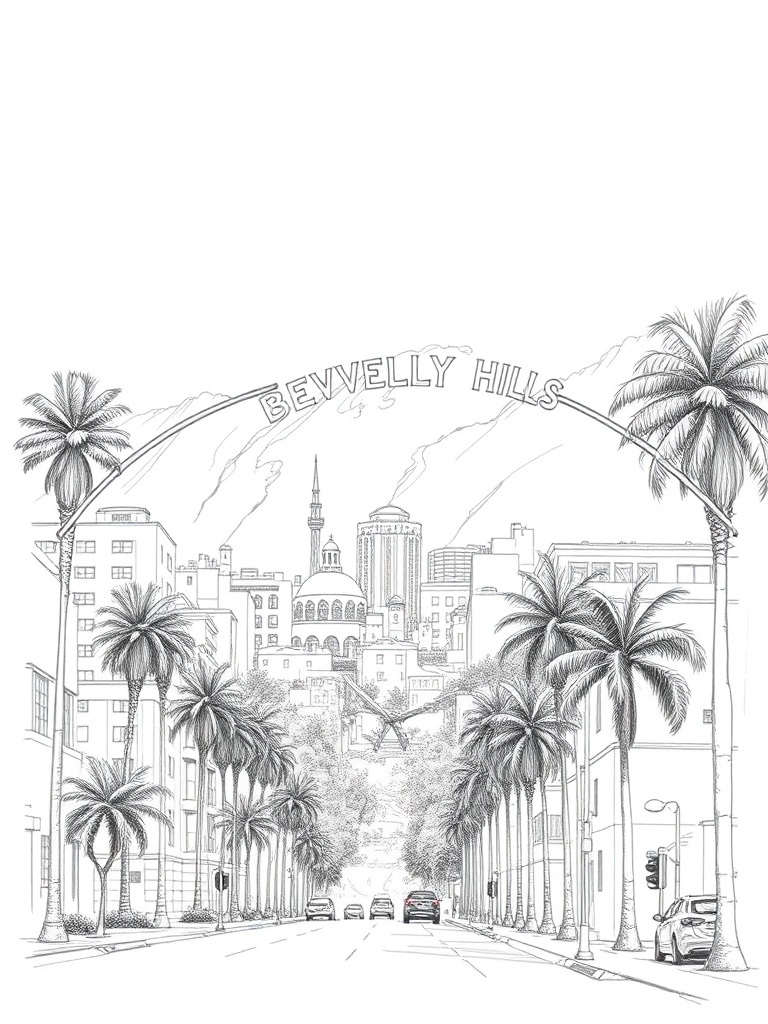
Beverly Hills remains synonymous with luxury, but the way people experience that luxury is changing. Rodeo Drive still draws visitors for window shopping and high-end boutiques, yet the district and surrounding neighborhoods have been evolving toward a more immersive, sustainable, and community-minded model of luxury retail and hospitality.
What’s changing on Rodeo Drive and beyond
Retail is becoming experiential. Flagship stores integrate curated art installations, private salons, and bespoke services that encourage linger time rather than quick transactions. Pop-up collaborations between fashion houses, local artisans, and galleries create rotating moments of discovery that keep repeat visitors engaged.
Concierge-driven experiences — from private styling sessions to exclusive access to behind-the-scenes ateliers — are now standard offerings that elevate a shopping trip into a personalized lifestyle experience.
Dining and leisure are blurring lines with shopping. High-end boutiques increasingly include in-store cafés, tasting rooms, or rooftop lounges. This fusion lets shoppers relax and socialize without leaving the retail corridor, creating a day-to-night rhythm that supports independent restaurants and local hospitality brands.
Sustainability and technology shaping luxury
A growing emphasis on sustainability is visible in storefront design and operations. Many retailers and hospitality venues are adopting energy-efficient lighting, water-saving landscapes, and eco-conscious materials. Electric vehicle charging stations and valet providers offering EV-friendly services reflect a broader shift toward low-emissions travel for visitors and residents alike.
Technology enhances convenience and storytelling. Augmented-reality experiences allow shoppers to preview garments or learn a product’s provenance.
Mobile-first concierge apps and reservation platforms make it easier to coordinate dining, shopping, and private appointments, while digital art displays and immersive signage create dynamic public spaces.
Art, culture, and neighborhood character
Public art and cultural programming play a major role in shaping Beverly Hills’ identity. Rotating outdoor installations, curated window displays, and seasonal events transform streetscapes into open-air galleries. At the neighborhood level, a mix of pocket parks, pedestrian-friendly sidewalks, and boutique hotels keeps the area walkable and inviting, encouraging longer visits that benefit local businesses.
Real estate and lifestyle interplay
Luxury real estate and retail support one another. High-end developments focus on lifestyle amenities — private wellness spaces, rooftop gardens, and concierge services — that complement the shopping and dining ecosystem. For buyers and renters seeking an urban-suburban hybrid, Beverly Hills offers a compact, amenity-rich environment where daily errands can include coffee at an independent café, a lunchtime gallery stop, and an evening reservation at a chef-driven restaurant.
Tips for visiting with purpose
– Time your visit for weekday mornings or early afternoons to avoid peak crowds.
– Book restaurant reservations and private shopping appointments in advance.
– Look for mixed-use spaces that combine art, dining, and retail for a fuller experience.
– Use public transit or EV options where possible to reduce parking hassle and environmental impact.
Why it matters
The evolution of Beverly Hills reflects broader shifts in how people value shopping, dining, and neighborhood life.
Luxury is moving from conspicuous consumption to curated experiences, sustainability, and community connection. Whether visiting for a boutique discovery, a culinary outing, or simply to soak up the atmosphere, the area offers an approachable, modern take on glamour — one that balances heritage with thoughtful innovation.