Malibu blends dramatic coastline, world-class surf, and a low-key luxe lifestyle that draws beach lovers, hikers, and food fans.
Whether you’re planning a day trip or exploring local neighborhoods, Malibu delivers scenic beaches, outdoor recreation, and a strong conservation ethic that shapes how the community and visitors use the coast.
What to see and do
– Beaches: Popular stretches like Zuma Beach and Surfrider Beach offer long sandy expanses, reliable waves, and picnic areas.
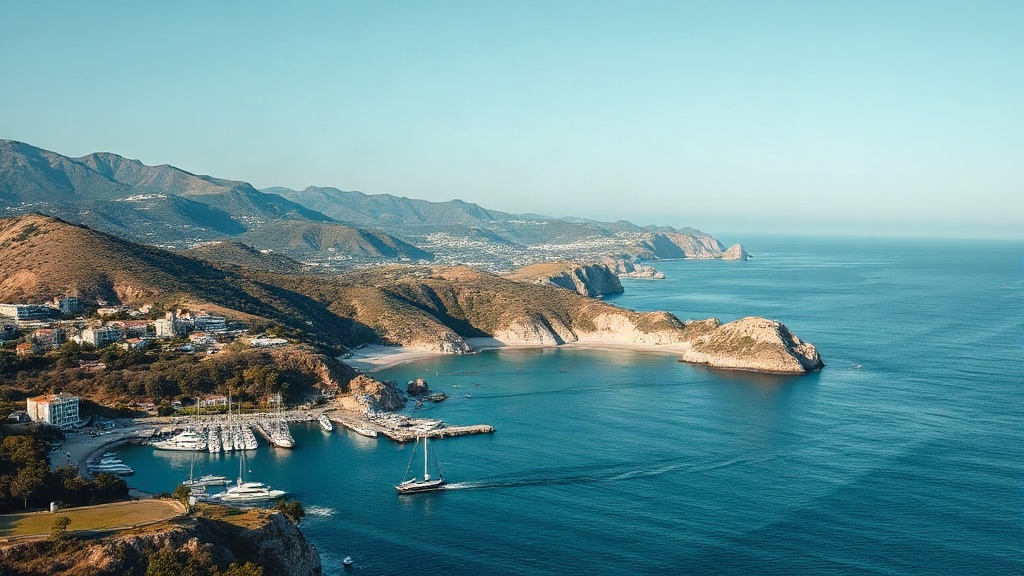
For tide pools and sea caves, explore Leo Carrillo State Park and the rock formations near El Matador State Beach. Point Dume’s bluff provides panoramic ocean views and seasonal wildlife sightings from a dramatic overlook.
– Surf and water sports: Malibu’s breaks are legendary—Surfrider’s long right is ideal for longboarders when conditions align. Paddleboarding, kayaking, and snorkeling opportunities can be found at calmer coves; local outfitters offer rentals and guided tours.
– Hiking and nature: The Santa Monica Mountains rise quickly from the shore, offering accessible trails like Solstice Canyon and Escondido Falls that weave through coastal scrub, oak woodlands, and shaded canyons. Malibu Creek State Park adds rolling hills, rock pools, and cinematic history along well-marked trails.
– Cultural stops and dining: Stroll the Malibu Pier for classic coastal vistas and casual seafood, or explore the Malibu Country Mart for boutique shopping and elevated eateries. The area’s culinary scene ranges from farm-focused bistros to relaxed taco spots—farm-to-table sourcing and seafood freshness are common themes.
Practical tips for visiting
– Arrive early: Parking fills up quickly on popular weekends and holidays. Early arrival boosts chances of a prime spot and calmer beach conditions.
– Tide awareness: Check tide charts before visiting tide pools or sea caves; low tide exposes more marine life while incoming tides can close off access.
– Respect wildlife and habitat: Stay off sensitive dunes, avoid disturbing nesting birds or marine mammals, and pack out what you pack in. Many coastal restoration projects are in place to protect dunes and native vegetation—follow posted signs.
– Traffic and access: The Pacific Coast Highway is the main artery and offers scenic driving, but traffic can be heavy. Consider combining a beach visit with a nearby hike or meal to make the most of travel time.
Safety and stewardship
Wildfire risk and coastal erosion are ongoing concerns that influence building practices, evacuation planning, and beach management.
Residents and visitors are encouraged to stay informed about local advisories, practice defensible-space principles for private properties, and follow posted safety information at parks and beaches.
Water conservation and responsible recreation are also central to preserving Malibu’s natural resources.
Why Malibu endures as a destination
Malibu’s appeal lies in its juxtaposition of raw coastal beauty and curated small-town amenities. From sunrise surf sessions to sunset bluff walks, the coastline offers accessible ways to connect with nature while still enjoying culinary, cultural, and leisure options. With an emphasis on conservation and thoughtful use of public spaces, Malibu remains a place where outdoor adventure and coastal living coexist—making it worth visiting frequently or savoring slowly.