How Celebrities Build and Protect Their Personal Brand on Social Media: Authenticity, Monetization, Legal Protections & Crisis Strategies

How celebrities build and protect their personal brand in the age of social media

Celebrities today navigate an attention economy where a single post can boost an album, launch a business, or spark controversy. Managing a celebrity brand now mixes traditional PR, savvy social media strategy, legal protections, and mental-health boundaries. Understanding how public figures cultivate authenticity while protecting their reputation offers lessons for anyone building a visible presence.

Crafting an authentic narrative
Authenticity is the currency that converts followers into fans. Celebrities who share behind-the-scenes moments, personal values, and causes they genuinely support tend to maintain stronger long-term engagement. That doesn’t mean oversharing. Successful public figures balance intimacy with curation: select moments that reinforce their persona—whether that’s creative, philanthropic, or entrepreneurial—and present them consistently across platforms.

Diversified content strategy
Different platforms serve different purposes.

Celebrities image

Short-form video captures immediacy and personality; longer videos or interviews deepen storytelling; photos showcase lifestyle and partnerships; written posts or newsletters allow thoughtful context. A diversified content mix reduces reliance on any single algorithm and reaches varied audience segments. Key tactics include:
– Repurposing content across channels with platform-specific tweaks
– Staggering releases to build anticipation for major projects
– Mixing evergreen content (timeless insights, staple looks) with topical posts (tour dates, new releases)

Monetization and longevity
Celebrities increasingly treat their name as an intellectual property asset. Revenue streams often include branded partnerships, product lines, production companies, stakes in startups, and content subscriptions. Smart deals align with personal values and audience expectations.

Licensing and equity agreements provide longer-term income than one-off endorsements.

Reputation and crisis management
Crisis preparedness is essential.

Media training, rapid-response plans, and a trusted communications team allow for measured responses when controversies arise. Effective crisis strategies focus on transparency, accountability, and corrective action—rather than silence or defensiveness.

Legal counsel often works alongside PR to manage defamation, privacy breaches, and contract disputes.

Protecting privacy and mental health
High visibility can strain personal life. Many celebrities set firm boundaries—private family accounts, closed social circles, and strict media policies—to protect loved ones.

Mental health support, including therapy and digital detoxes, is common. Balancing accessibility with personal safety helps sustain creative energy and public goodwill.

Legal protections and business structure
Personal brands benefit from formal legal protections: trademarking names and logos, negotiating clear contract terms, and structuring business entities to separate personal finances from ventures. Non-disclosure agreements and controlled content approvals help manage collaborations and leaks.

Sound legal planning preserves creative control and reduces risk.

Collaborations and community building
Strategic collaborations—between musicians, actors, creators, or brands—amplify reach and introduce celebrities to new audiences. Collaborations that feel organic and mutually beneficial tend to resonate more than purely transactional partnerships. Engaging directly with communities through live events, fan-first drops, and philanthropic initiatives builds loyalty that transcends algorithm changes.

Lessons for emerging public figures
Aspiring creators and public figures can learn from celebrity playbooks: prioritize authenticity, diversify platforms and income, prepare for crises, and protect privacy and legal interests. With consistent storytelling and smart business planning, a personal brand can become a durable career asset rather than a fleeting moment of fame.

Staying adaptable matters most.

Platforms change, audiences evolve, and cultural expectations shift. Celebrities who keep values at the core of their public presence—and who treat their brand as both creative expression and strategic asset—are best positioned to thrive amid whatever comes next.

How the Academy Awards Are Changing: Streaming, Diversity, Global Cinema, and the Future of the Oscars

The Academy Awards remain the film industry’s most watched and scrutinized night, blending prestige, spectacle, and cultural conversation. While the trophies and red carpet glamour endure, the ceremony and the industry around it have evolved noticeably, reflecting changes in how films are made, distributed, and celebrated.

One major shift is how streaming services have reshaped awards strategy. Films that once relied on long theatrical windows now navigate hybrid release plans to meet eligibility while maximizing audience reach.

That has encouraged studios and distributors to be more strategic about limited theatrical runs, festival premieres, and targeted marketing to ensure visibility among Academy voters. For filmmakers, the trade-off can be greater creative freedom and wider exposure, but also a heightened need to cut through an increasingly crowded awards season.

Diversity and representation continue to be central themes.

Expanded outreach and membership reforms have diversified the Academy’s voting body, which influences nominations across all categories. This has opened the door for more international voices, filmmakers from underrepresented communities, and projects that had been overlooked in earlier eras. At the same time, conversations about equitable recognition, behind-the-scenes opportunities, and inclusion in technical categories remain active priorities throughout the industry.

International films are finding larger global audiences and stronger awards momentum. Subtitled and non-English-language movies are no longer niche festival favorites; they can become major cultural touchstones thanks to global streaming and robust festival circuits. The Best International Feature Film category now sits alongside broader recognition across directing, writing, and acting categories, signaling a more integrated view of world cinema.

Red carpet moments still dominate headlines, but sustainability and purpose-driven fashion have gained prominence. Many designers and celebrities are choosing vintage, recycled, or responsibly produced couture, turning the red carpet into a platform for environmental and ethical messaging. That shift mirrors wider industry commitments to reducing carbon footprints on set and promoting greener production practices.

Campaigning for awards has become more sophisticated and data-driven. Traditional methods—press screenings, critics’ dinners, and print ads—are now complemented by targeted digital outreach, social media narratives, and curated screenings for specific voting blocs. Guild awards and critics’ prizes retain powerful influence, often shaping momentum heading into the final voting period. At the same time, there’s growing scrutiny on transparency and ethics in campaigning, prompting studios and PR teams to refine their approaches.

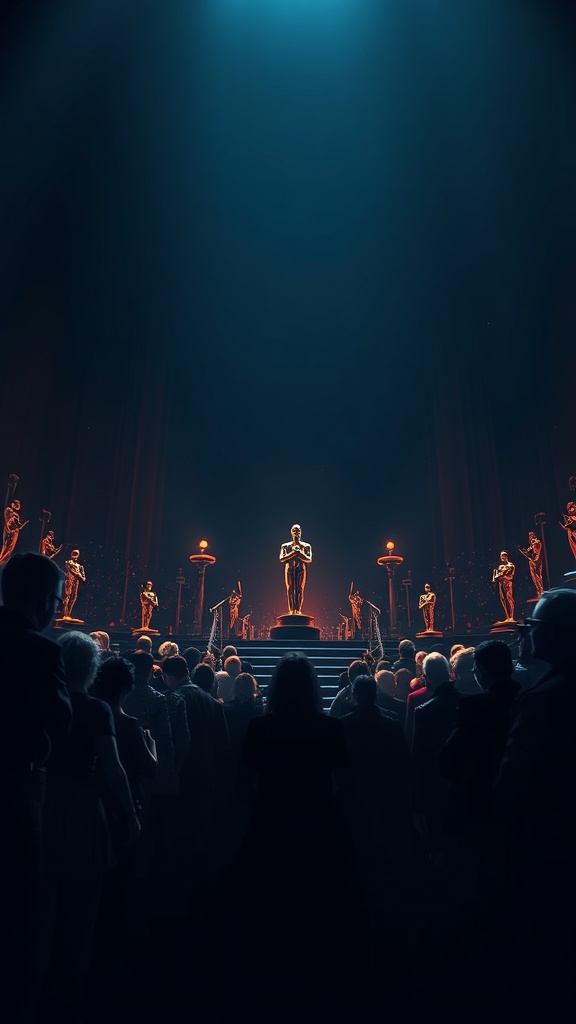
Academy Awards image

Viewer engagement with the ceremony itself is changing. Producers seek a balance between honoring cinematic craft and maintaining a television-friendly pace that keeps audiences tuned in. This has led to creative staging for technical awards, musical performances, and pacing experiments to keep the broadcast lively while still respecting the artistry being recognized.

For filmmakers and performers, an Academy Award nomination or win continues to be a career catalyst—boosting box office, opening doors for future projects, and cementing creative legacies. The honor remains a powerful credential in a crowded marketplace, influencing funding, distribution, and audience interest long after the night’s celebrations end.

As film culture continues to adapt, the Academy Awards act as a mirror for the industry’s priorities and tensions—celebrating artistry while negotiating commercial realities, global perspectives, and changing audience habits. The night will likely keep evolving, but its role as a focal point for cinematic achievement and cultural conversation looks set to endure.

Hollywood Reinvented: How Theaters, Streaming, Franchises and Indies Are Reshaping Film

Hollywood is undergoing a quiet reinvention as studios, theaters, creators, and audiences adapt to changing habits and technologies.

The core product — a compelling story delivered on screen — remains unchanged, but how films are financed, made, marketed, and experienced is shifting in ways that matter for fans and industry watchers alike.

Rethinking the theatrical experience
Movie theaters are elevating the theatrical outing into an event.

Premium formats like IMAX and Dolby Cinema continue to draw audiences for spectacle-heavy releases, while multiplexes add luxury seating, curated food-and-drink options, and private screening experiences to compete with home comfort. Event cinema — live concerts, theatrical play broadcasts, and immersive fan showings — helps theaters deepen community ties and diversify revenue beyond traditional box office cycles.

The hybrid distribution playbook
Studios and streaming platforms now work more closely than ever. Hybrid release strategies give some films a shortened exclusive theatrical window followed by streaming availability, balancing box office potential with long-tail platform revenue and subscriber value. Meanwhile, day-and-date releases remain a tactical choice for certain titles that serve niche audiences or perform better on demand. Data from platforms and theaters informs these decisions, making distribution a more dynamic, analytics-driven process.

Franchises vs. original voices
Franchise tentpoles still command attention and investment, but there’s a renewed appetite for original stories. Audiences are drawn to fresh voices across genres — whether high-concept thrillers, intimate dramas, or boundary-pushing comedies.

Studios are pairing franchise building with risk-managed bets on original content, often incubated through specialty divisions or partnerships with independent producers and festivals.

Independent films and festival power
Film festivals and specialty distributors remain a vital path for indie filmmakers to find an audience and critical momentum. Festivals serve as discovery ecosystems where buzz, awards, and savvy festival runs translate into distribution deals and streaming placements. Independent films are also benefiting from subscription platforms that target cinephile audiences, widening access beyond traditional arthouse circuits.

Marketing in the age of social media
Marketing teams have shifted from mass-broadcast campaigns to precision, engagement-focused strategies.

Influencer partnerships, viral creative assets, and social-first trailers drive awareness among younger demographics, while experiential pop-ups and fan events create shareable moments.

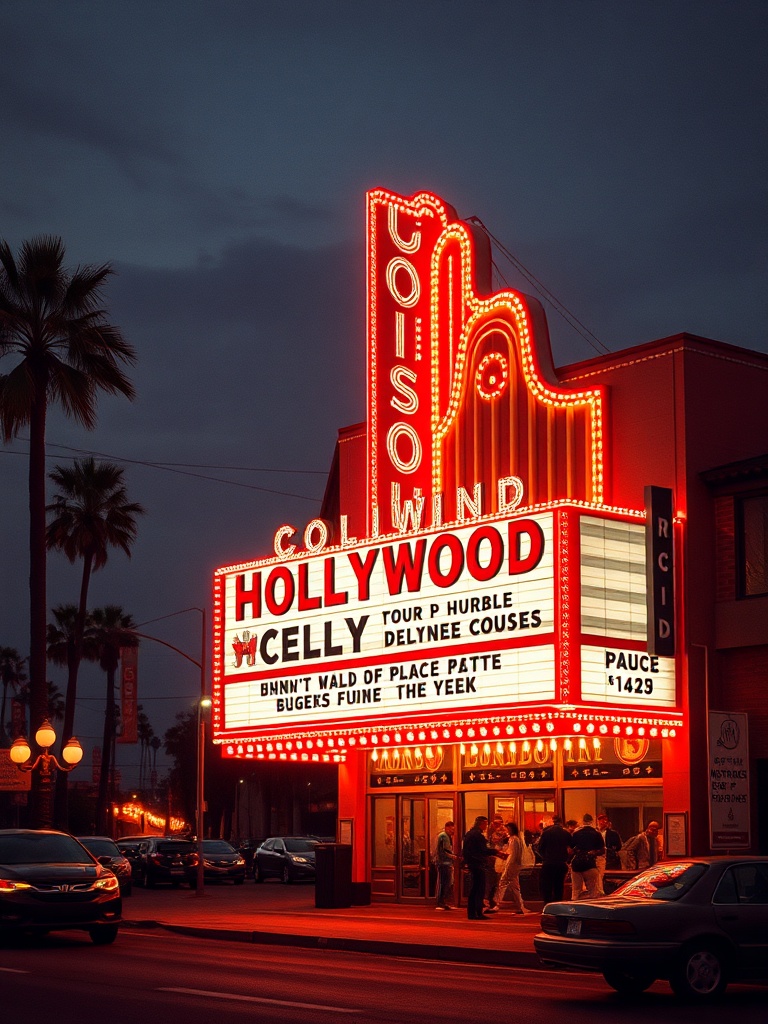
Hollywood image

Studios now integrate fandom marketing earlier in a film’s lifecycle to build communities that sustain long-term interest, merchandising, and franchise potential.

Global markets and storytelling
International box office performance continues to shape storytelling choices and casting decisions.

Films that translate emotionally across cultures — or that incorporate global talent and locations — often unlock substantial overseas returns.

At the same time, studios leverage localized marketing and co-productions to deepen global resonance.

Talent, inclusion, and sustainability
Diversity and inclusion initiatives are influencing creative staffing, casting, and greenlighting. Audiences expect representation both in front of and behind the camera, and films that reflect diverse perspectives often find passionate support. Environmental sustainability on set, from reduced waste to energy-efficient production methods and remote collaboration tools, is also becoming a standard part of planning and reporting.

What to watch for
Expect continued experimentation with release windows, more immersive theatrical offerings, and a balancing act between franchise economics and original storytelling. The most successful projects will be those that combine strong creative vision with smart distribution, audience-first marketing, and an eye toward global opportunity.

For moviegoers, that means more ways to discover films they love — whether at a packed theater for a big-screen spectacle or from home for a quiet, powerful indie drama. Hollywood’s evolution is about expanding choices while protecting the core thrill of great storytelling on screen.

Celebrity Branding: Building Authentic Brands Without Sacrificing Privacy or Mental Health

How Celebrities Build Authentic Brands While Protecting Privacy and Mental Health

Celebrities image

Celebrities navigate a unique tension: fans crave access and authenticity, while public exposure can erode privacy and strain mental health. Successful public figures today are those who master the balance between transparency and boundaries, turning visibility into a sustainable brand without sacrificing wellbeing.

Why authenticity matters
Audiences respond to authenticity. Whether it’s an actor sharing studio shots, a musician posting behind-the-scenes clips, or an athlete explaining training setbacks, genuine moments build trust and long-term loyalty. Authenticity fuels engagement and makes brand partnerships feel earned rather than transactional, which often leads to higher-value collaborations and stronger fan relationships.

Strategies for controlled authenticity
– Selective sharing: Post content that reveals personality or values without exposing private routines or relationships.

Highlight work, causes, and carefully curated personal moments instead of a minute-by-minute life feed.
– Themed content pillars: Create consistent pillars—work, wellness, causes, and moments of joy.

This provides variety while keeping posts cohesive and on-brand.
– Planned vulnerability: Sharing challenges or setbacks in a controlled way humanizes celebrities while maintaining narrative control. Pair personal stories with resources or lessons to make vulnerability constructive.
– Professionalized storytelling: Use a small, trusted creative team to craft captions, visuals, and video that reflect authentic voice but pass a privacy and brand vetting process.

Protecting privacy without losing connection
– Set clear boundaries: Define what is off-limits—family locations, children’s identities, private medical details—and communicate those boundaries to team members and close collaborators.
– Media protocols: Have standardized responses for intrusive questions or false rumors. A consistent policy reduces impulsive reactions that can amplify negativity.
– Digital hygiene: Limit location tagging, review privacy settings on platforms, and manage third-party apps to reduce data exposure.

Many celebrities create separate personal accounts with strict access controls for close friends and family.

Mental health as a brand priority
Public life can amplify stress and scrutiny. Prioritizing mental health isn’t just humane—it’s strategic. Fans increasingly respect and support celebrities who publicly normalize therapy, downtime, and self-care practices. Strategies include:
– Scheduling regular downtime and device-free windows to decompress
– Engaging professionals—therapists, coaches, and wellness experts—to manage public pressures
– Training teams on crisis communication so issues are addressed promptly and reflect care rather than defensiveness

Turning visibility into impact and revenue
Celebrities expand influence through brands and philanthropy while staying true to their audience. Successful approaches:
– Purpose-driven partnerships: Align endorsements with personal values to preserve credibility and fan trust.
– Direct-to-fan offerings: Launching curated product lines, memberships, or exclusive content creates revenue streams that deepen fan relationships without overexposure.
– Strategic philanthropy: Partner with nonprofits and campaigns that reflect authentic commitments; transparent reporting on impact builds goodwill.

Managing fan interaction and online discourse
Healthy engagement fosters community without fueling toxicity. Tactics include curated Q&A sessions, exclusive fan clubs, and moderated comment environments for sponsored or branded content. Delegating everyday moderation to a trusted team reduces the emotional toll of negative interactions.

Maintaining mystique
Mystique can be an asset. Not every moment needs to be shared. Leaving some aspects private preserves curiosity and mystique, which can enhance cultural value and long-term interest.

By balancing openness with boundaries, prioritizing mental health, and aligning partnerships with personal values, celebrities can cultivate enduring brands that resonate with fans and sustain careers without sacrificing wellbeing.

Bel Air Real Estate Guide: Luxury Homes, Privacy & Modern Upgrades

Bel Air blends quiet, leafy residential streets with the kind of luxury living that draws attention worldwide.

Nestled against the Santa Monica Mountains, the neighborhood offers a unique mix of privacy, natural beauty, and easy access to the cultural and business centers of Los Angeles.

For buyers, residents, and visitors, Bel Air delivers an upscale lifestyle that balances seclusion with connectivity.

What defines Bel Air
Bel Air’s character comes from its large, estate-style properties set back from winding roads and hidden behind gates and mature landscaping. Architectural styles range from classic Mediterranean and mid-century modern to contemporary glass-and-steel designs.

Mature trees, private creeks, and canyon views create a park-like environment that stands in contrast to denser urban neighborhoods nearby.

Lifestyle and amenities
– Privacy and security: Many homes feature gated driveways, perimeter security systems, and on-site staff quarters. These elements appeal to high-profile residents and families seeking discretion.
– Outdoor living: Expansive yards, infinity pools, outdoor kitchens, and designed landscapes are common. Residents value al fresco entertaining, fitness spaces, and integrated indoor-outdoor layouts that make the most of mild climate and scenic views.
– Proximity to cultural destinations: Top museums, performing arts venues, high-end shopping, and gourmet dining are just a short drive away. Renowned universities and private schools are also nearby, making the area attractive to families focused on education and cultural access.
– Active lifestyle options: Hiking trails and scenic drives offer outdoor recreation, while private clubs and boutique fitness studios provide structured wellness options.

Real estate trends and considerations
Bel Air real estate typically emphasizes privacy, architectural quality, and land. Buyers often look for properties that allow for personalization—whether that means restoring an iconic mid-century home or replacing a dated structure with a modern compound.

Key considerations for prospective buyers:
– Maintenance and operating costs: Large estates come with higher upkeep expenses for landscaping, pools, and staff. Budgeting for these is essential.

Bel Air image

– Renovation potential: Many properties present opportunities for updating systems, adding sustainable technologies, or reimagining floor plans to suit modern lifestyles.
– Zoning and permitting: Hillside regulations and historical considerations can affect construction plans. Working with local architects and planners fluent in municipal requirements helps avoid costly delays.
– Market positioning: Homes that emphasize privacy, sustainability features, and smart-home integration often command stronger interest from discerning buyers.

Sustainability and modern upgrades
Sustainability has become a priority for many Bel Air homeowners.

Common upgrades include drought-tolerant landscaping, water-wise irrigation, solar installations, battery storage, EV chargers, and energy-efficient HVAC systems. These improvements not only reduce environmental impact but also enhance long-term property value and appeal.

Living in Bel Air: practical tips
– Work with local specialists: Choose real estate agents, architects, and contractors familiar with Bel Air’s unique topography and permitting processes.
– Prioritize privacy features: Landscaping, sightlines, and security planning matter as much as interior finishes.
– Think long term: Consider maintenance budgets and how spaces can adapt for aging in place or multi-generational living.
– Explore the neighborhood: Drive or walk different sections to get a sense of microclimates, view corridors, and traffic patterns.

Bel Air remains a standout choice for those seeking an upscale residential enclave with generous outdoor space, architectural distinction, and close access to cultural and academic hubs. Whether buying, renovating, or simply visiting, the neighborhood rewards a thoughtful approach that honors both privacy and community.

Ultimate Malibu Guide: Beaches, Surfing, Hiking & Dining

Malibu remains one of the most magnetic stretches of California coast—where dramatic bluffs meet long sandy beaches, world-class surf breaks roll in, and a relaxed coastal lifestyle blends with high-end dining and culture. Whether you’re planning a day trip or scouting the coastline for a longer stay, Malibu delivers a mix of natural beauty, outdoor adventure, and community-driven conservation.

Beaches and surfing
Malibu’s beaches are its headline act.

Zuma Beach offers wide sands, family-friendly amenities, and reliable waves for swimmers and bodysurfers. Surfrider Beach at the Malibu Pier is famous for its long, peeling right-handers that attract longboarders and surf enthusiasts from around the world. For a more dramatic coastline, Point Dume and El Matador State Beach reward visitors with sea stacks, tide pools, and cliff-top outlooks—ideal for photography or a sunset stroll. Remember that beach conditions change quickly; check local advisories and tide charts before exploring tide pools or venturing onto rocks.

Outdoor exploration
The Santa Monica Mountains provide a scenic backdrop and extensive trails for hikers, mountain bikers, and equestrians. Popular routes lead to scenic overlooks, creekside canyons, and hidden waterfalls; some trails offer sweeping views of the Pacific and distant islands on clear days. Malibu Creek State Park is a favored destination for paddling and swimming in calmer pools, while Solstice Canyon combines shaded paths with historic ruins for an easy, rewarding hike.

Malibu image

Culture, food and local flavor
Malibu’s coastal dining scene balances casual seafood shacks with upscale farm-to-table restaurants.

Fresh, locally sourced seafood and produce shape menus, and several eateries capitalize on ocean views with patios and sunset seating. The Malibu Pier remains a cultural anchor—strolling the pier or enjoying a meal with an ocean breeze is quintessential Malibu. Nearby, boutique wineries, art galleries, and small museums add local flavor without the bustle of a big city.

Conservation and community
Malibu’s beauty faces persistent pressures: coastal erosion, storm-driven runoff, and wildfire risk in the surrounding hills. Local residents and environmental organizations focus on shoreline protection, habitat restoration, and water-quality monitoring to keep beaches safe and resilient.

Public awareness campaigns encourage responsible recreation—pack out what you bring, respect wildlife and nesting areas, and observe posted advisories after heavy rains when runoff can temporarily affect water quality.

Practical tips for visitors
– Parking can be limited on busy days; arrive early for beaches and popular trailheads.
– Respect private property and stay on designated public access points—Malibu has many gated communities with limited access.

– Bring layers: coastal breezes and marine layer fog can make evenings noticeably cooler than inland areas.
– Check beach advisories and tide times before exploring tide pools or surfing.
– If you’re planning to hike, carry water and a map; some trails receive limited shade.

Why people keep coming back
Malibu blends natural spectacle with a distinct coastal lifestyle. From the rhythm of the surf to cliffside sunsets and a strong community focus on preserving the coastline, it’s a place that encourages slow, considered exploration. Whether you’re chasing a perfect wave, photographing dramatic sea stacks, or simply savoring a meal with an ocean view, Malibu offers a memorable coastal experience that balances relaxation with outdoor adventure.

The Ultimate Malibu Travel Guide: Best Beaches, Surf Breaks, Hikes & Dining Tips

Malibu captures a rare combination: dramatic cliffs, long sandy beaches, surf breaks with world-class reputation, and a laid-back coastal culture that’s both exclusive and welcoming. Whether you’re chasing perfect waves, sunset views from a bluff-top trail, or fresh seafood on the pier, Malibu rewards visitors who value nature, good food, and a slower pace.

Top experiences to prioritize
– Surfing and beaches: Iconic breaks like Surfrider Beach deliver long right-hand waves that attract surfers from around the region. Zuma and El Matador offer wide sandy stretches and dramatic rock formations—perfect for sunbathing, tidepooling, and photography. Note that some beaches have limited parking and patrols, so arrive early on busy days.
– Scenic drives and the PCH: Driving the Pacific Coast Highway is as much the attraction as any single stop. Pull over at designated viewpoints to enjoy panoramic ocean vistas, but avoid parking on shoulders or blocking driveways.
– Hiking and outdoor recreation: Point Dume Natural Preserve, Solstice Canyon, and Malibu Creek State Park offer trails ranging from gentle coastal walks to rugged canyon treks.

Trail conditions can change quickly after storms or fires, so check local trail reports, carry water, and wear sturdy shoes.
– Pier culture and dining: The Malibu Pier is a convenient hub for casual dining with ocean views. Nearby farm-to-table cafes and seafood spots highlight local ingredients—great for a leisurely lunch or a sunset dinner.
– Wildlife and nature immersion: Coastal birdlife, tidepools, and seasonal wildflowers reward patient observers. Respect signage around wildlife habitats and keep a safe distance from marine mammals.

Practical tips for a better visit
– Timing matters: Traffic on the Pacific Coast Highway builds fast. Plan to visit early morning or later in the afternoon to avoid the heaviest congestion and secure easier parking.
– Parking and access: Many popular spots have metered or limited parking. Check official parking areas and be mindful of private property—walking on residential driveways or cliffs is unsafe and discouraged.
– Safety first: Ocean currents and rip tides are strong in places. Swim near lifeguarded zones, heed posted warnings, and never turn your back to the surf while exploring rocks and tidepools.
– Respect the environment: Bring reusable water bottles, pack out what you bring in, and follow posted rules about dogs, fires, and drone use. Supporting local conservation groups helps protect Malibu’s shoreline and hillside ecosystems.

Community and conservation
Malibu’s community balances development pressures with strong conservation efforts. Local initiatives focus on coastal restoration, erosion control, trail maintenance, and wildfire resilience. Visitors can support that work by patronizing local businesses, giving to conservation nonprofits, and practicing low-impact recreation.

Planning suggestions
If you want a quieter experience, explore lesser-known trailheads and beaches a short distance off the main highway. Combine a beach stop with a hike to see Malibu’s changing landscapes in one day.

For a richer visit, book a table at a locally owned restaurant or time your walk for golden hour—sunsets over the Pacific are consistently memorable.

Malibu is more than a postcard coastline; it’s a dynamic coastal community shaped by ocean, canyon, and people. With a little planning and respect for local rules and habitats, it’s one of the best places to soak up Southern California’s outdoors, surf culture, and fresh coastal cuisine.

Malibu image

Why the SAG Awards Matter: How Peer Voting, Ensemble Wins, and Streaming Shape Awards Season

The SAG Awards — presented by SAG-AFTRA — are among the most closely watched indicators of acting achievement in film and television. What sets these awards apart is the voting body: winners are chosen by fellow performers, so recognition comes directly from an actor’s peers.

That peer-driven focus gives the SAG Awards a unique credibility and often predicts broader industry momentum.

What matters at the SAG Awards
– Peer recognition: Actors voting for actors tends to reward craft, nuance, and ensemble chemistry. Performances that resonate within the acting community often rise to the top.
– Ensemble emphasis: The award for Outstanding Performance by a Cast (or Ensemble) highlights collaborative storytelling. For many projects, that prize carries as much cachet as individual honors.
– Television parity: TV categories have grown in prominence, reflecting shifting viewing habits and prestige streaming content. Limited series and anthology formats now compete on equal footing with ongoing dramas and comedies.

SAG Awards image

– Industry signal: Because the voting base overlaps with other guilds and industry influencers, SAG outcomes often shape awards-season narratives and red-carpet buzz.

How nominations and winners are decided
Nominations are selected through a nominating process made up of SAG-AFTRA members from across the country, ensuring diverse perspectives on performance work. Once nominees are announced, the full union membership votes to determine winners. This two-step approach balances curated selection with broad participation.

Trends to watch
– Streaming dominance continues to reshape how performances are discovered and rewarded.

Projects released outside traditional theatrical windows are now regular contenders across categories.
– Limited series and prestige television attract star-level talent, making TV categories increasingly competitive and culturally impactful.
– Diversity in casting and storytelling remains a central conversation. Representation on screen and behind the camera influences how peers evaluate performances.
– Fashion and social messaging on the red carpet often amplify winners’ platforms, turning the ceremony into a stage for advocacy as well as style.

Why the SAG Awards matter beyond trophies
Because actors decide the winners, the SAG Awards carry a particular resonance for performers building careers.

A peer-endorsed win can boost a career trajectory, increase bargaining power during contract negotiations, and open doors to higher-profile roles. For audiences and critics, the ceremony also crystallizes which performances have industry support, which can influence viewing habits and streaming promotion.

How to follow and make predictions
– Track ensemble buzz: If a cast has strong chemistry and critical momentum, the ensemble category is often a reliable indicator of wider recognition.
– Watch guild trends: Winners of critics’ awards and director or screenwriter guild honors can create ripple effects that influence acting votes.
– Look at peer appeal: Performances that showcase technical risk, emotional range, or transformative character work often resonate with actor voters.
– Stay attuned to social conversation: Industry insiders and trade coverage provide context around campaigning, screenings, and peer endorsements that inform voter sentiment.

For fans and industry watchers alike, the ceremony provides a snapshot of where acting craft and industry priorities are headed. Whether you’re tracking awards-season narratives, scouting rising stars, or enjoying red-carpet fashion, the SAG Awards remain a key moment when the acting community celebrates its own. Follow live coverage from trusted entertainment outlets and official channels to catch winners, speeches, and standout moments as they unfold.

How Transit, Bikes, and Walkable Streets Are Reclaiming Los Angeles

Los Angeles on the Move: How Transit, Bikes, and Better Streets Are Reclaiming the City

Los Angeles has long been synonymous with car culture, but the city is shifting toward more walkable, bike-friendly, and transit-focused neighborhoods. Investment in public transit, a surge in protected bike lanes, and community-driven street redesigns are reshaping how Angelenos get around — and how visitors experience the city.

What’s changing on the ground
– Public transit is expanding beyond a commuter option into a practical choice for daily life. Light rail and bus networks are improving connectivity between neighborhoods, downtown hubs, and coastal communities, making car-free travel increasingly realistic.
– Micromobility options — bike-share systems, dockless bikes, and e-scooters — have integrated with transit, solving last-mile gaps and adding flexibility to short trips.
– Street redesigns and protected bike lanes are spreading across key corridors, offering safer routes for cyclists and encouraging walking.

Plaza and open-street programs are creating community spaces where cars once dominated.
– Climate-aware planning drives many projects: drought-tolerant landscaping, shaded sidewalks, and permeable pavement help cities adapt to heat and heavy rain events while making streets more pleasant year-round.
– Equity and transit-oriented development are central themes. New housing and commercial projects near transit hubs aim to reduce commute times and lower dependence on cars, though community input and affordable housing remain critical to success.

Why this matters for residents and visitors
Moving around Los Angeles without a car is now attainable for more people.

LA image

Short trips across walkable neighborhoods, combined with reliable rail or bus service for longer distances, reduce stress, parking costs, and carbon emissions.

Safer bike lanes mean families and commuters can choose two wheels with more confidence. For businesses, increased foot traffic and placemaking foster vibrant street life and stronger local economies.

Practical tips for exploring LA without a car
– Plan multimodal trips: combine rail or bus for the long haul with bike-share or scooters for the last mile. Transit apps that show real-time schedules and first/last-mile options make this seamless.
– Choose walkable neighborhoods: Downtown arts districts, coastal promenades, and many neighborhood commercial strips are dense and easy to explore on foot.
– Follow local rules: helmets, bike lane usage, and scooter regulations vary; stay informed to keep trips safe and legal.
– Time trips smartly: off-peak travel can mean faster transit rides and less crowded bike or pedestrian routes.
– Stay comfortable: shade can be sparse on certain streets — carry water and sun protection, especially during hot spells.

Challenges ahead
While progress is clear, challenges remain. Ensuring transit improvements serve low-income neighborhoods, maintaining public safety on late-night routes, and expanding tree canopy and shade infrastructure are ongoing priorities.

Community engagement and equitable funding will determine whether recent gains benefit all Angelenos.

Whether you live here or are visiting, LA’s streets are becoming more diverse in how they’re used: places to travel, linger, shop, and connect. Embracing the changing streetscape opens up a different, more human-scale way to experience the city.

Posted in LA

How Celebrities Balance Authenticity, Privacy, Mental Health, and Business to Build Lasting Fame

Celebrities today face a unique balancing act: staying authentic to fans while protecting personal privacy and building business opportunities. The era of nonstop social media and streaming means fame moves faster, but longevity depends on smart management of public image, mental health, and commercial pursuits.

Why authenticity matters
Audiences crave connection.

When a public figure shares genuine stories or values, their audience engages more deeply and stays loyal. Authenticity boosts trust, which makes brand partnerships, streaming deals, and product launches more effective.

That said, authenticity can be curated—not every detail needs to be shared. The most successful celebrities use authenticity strategically, revealing enough to foster relatability while reserving private life for trusted circles.

Managing privacy without disappearing
Privacy is increasingly precious. Many celebrities adopt layered privacy strategies: compartmentalizing social channels (public-facing platforms versus private accounts), using vetted team members to manage communications, and setting firm boundaries around family and home life. Legal tools—like cease-and-desist letters and careful contract clauses—also help prevent unauthorized use of personal images or private content.

Digital practices that protect privacy:
– Limit geotagging and avoid live check-ins from private spaces
– Use select followers lists or private accounts for close friends and family
– Employ professional teams to handle press inquiries and gatekeep sensitive topics

Turning fame into business

Celebrities image

Fame is a launchpad for entrepreneurship.

Celebrities increasingly extend their influence into direct-to-consumer brands, sustainable fashion lines, production companies, and investment portfolios.

The most enduring ventures align with authentic passions—skincare by someone known for their beauty routines, or eco-minded apparel by a public figure who champions sustainability. Strategic collaborations with established brands, followed by gradual moves into owned brands, often yield the best long-term results.

Key considerations for celebrity business moves:
– Authentic alignment between personal brand and product
– Transparent partnerships to maintain audience trust
– Sustainable and ethical supply chains to appeal to conscious consumers

Protecting mental health and well-being
The pressure to be visible can take a toll. Many public figures now prioritize mental health through therapy, structured downtime, and controlled media exposure.

Breaks from social media, clear off-limits topics, and a supportive inner circle are common strategies.

Equally important: creating contingency plans for intense scrutiny, including PR protocols and mental health support that activates when needed.

For fans and brands: how to engage responsibly
Fans can support celebrities by respecting boundaries—avoiding invasive behavior, not amplifying rumors, and engaging with content that respects creators’ choices. Brands working with celebrities should prioritize genuine alignment over short-term virality, offering transparent deals and creative control that honors the talent’s authenticity.

The evolving landscape offers both challenges and opportunities.

With thoughtful boundaries, strategic business planning, and a strong support network, celebrities can sustain influence while protecting what matters most. Finding that balance is an ongoing process that rewards authenticity, discretion, and purpose-driven ventures.