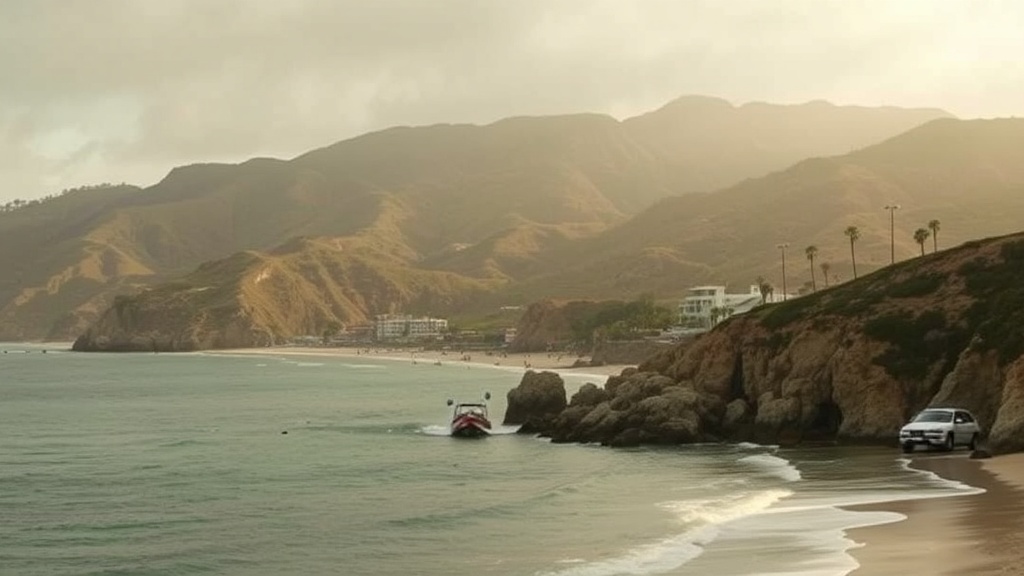
Malibu captures a rare combination: dramatic cliffs, long sandy beaches, surf breaks with world-class reputation, and a laid-back coastal culture that’s both exclusive and welcoming. Whether you’re chasing perfect waves, sunset views from a bluff-top trail, or fresh seafood on the pier, Malibu rewards visitors who value nature, good food, and a slower pace.
Top experiences to prioritize
– Surfing and beaches: Iconic breaks like Surfrider Beach deliver long right-hand waves that attract surfers from around the region. Zuma and El Matador offer wide sandy stretches and dramatic rock formations—perfect for sunbathing, tidepooling, and photography. Note that some beaches have limited parking and patrols, so arrive early on busy days.
– Scenic drives and the PCH: Driving the Pacific Coast Highway is as much the attraction as any single stop. Pull over at designated viewpoints to enjoy panoramic ocean vistas, but avoid parking on shoulders or blocking driveways.
– Hiking and outdoor recreation: Point Dume Natural Preserve, Solstice Canyon, and Malibu Creek State Park offer trails ranging from gentle coastal walks to rugged canyon treks.
Trail conditions can change quickly after storms or fires, so check local trail reports, carry water, and wear sturdy shoes.
– Pier culture and dining: The Malibu Pier is a convenient hub for casual dining with ocean views. Nearby farm-to-table cafes and seafood spots highlight local ingredients—great for a leisurely lunch or a sunset dinner.
– Wildlife and nature immersion: Coastal birdlife, tidepools, and seasonal wildflowers reward patient observers. Respect signage around wildlife habitats and keep a safe distance from marine mammals.
Practical tips for a better visit
– Timing matters: Traffic on the Pacific Coast Highway builds fast. Plan to visit early morning or later in the afternoon to avoid the heaviest congestion and secure easier parking.
– Parking and access: Many popular spots have metered or limited parking. Check official parking areas and be mindful of private property—walking on residential driveways or cliffs is unsafe and discouraged.
– Safety first: Ocean currents and rip tides are strong in places. Swim near lifeguarded zones, heed posted warnings, and never turn your back to the surf while exploring rocks and tidepools.
– Respect the environment: Bring reusable water bottles, pack out what you bring in, and follow posted rules about dogs, fires, and drone use. Supporting local conservation groups helps protect Malibu’s shoreline and hillside ecosystems.
Community and conservation
Malibu’s community balances development pressures with strong conservation efforts. Local initiatives focus on coastal restoration, erosion control, trail maintenance, and wildfire resilience. Visitors can support that work by patronizing local businesses, giving to conservation nonprofits, and practicing low-impact recreation.
Planning suggestions
If you want a quieter experience, explore lesser-known trailheads and beaches a short distance off the main highway. Combine a beach stop with a hike to see Malibu’s changing landscapes in one day.
For a richer visit, book a table at a locally owned restaurant or time your walk for golden hour—sunsets over the Pacific are consistently memorable.
Malibu is more than a postcard coastline; it’s a dynamic coastal community shaped by ocean, canyon, and people. With a little planning and respect for local rules and habitats, it’s one of the best places to soak up Southern California’s outdoors, surf culture, and fresh coastal cuisine.