Malibu: coastal living, outdoor escapes, and why it continues to draw attention
Malibu blends dramatic coastal scenery, active outdoor life, and a culinary scene that highlights fresh seafood and farm-to-table ingredients. Stretching along a famous coastal highway, Malibu is a compact region where public beaches, rugged bluffs, and protected canyons meet high-end residential neighborhoods—making it a compelling destination for day visitors and residents alike.
What to do: beaches, hikes, and surf
– Beaches: Zuma Beach is synonymous with wide sandy shores and family-friendly swimming, while Surfrider Beach and First Point are world-famous among surfers for consistent longboard waves.
For dramatic rock formations and tide pools, El Matador State Beach and Point Dume offer excellent photo opportunities and easy coastal exploration—watch tides and wear sturdy shoes for the access paths.
– Hiking: Malibu’s canyon trails deliver rewarding views without long drives. Popular routes include Solstice Canyon for creek-side paths and ruins, and Malibu Creek State Park for varied terrain and wildlife. Trails can be steep and narrow in places; bring water, sun protection, and check trail conditions before heading out.
– Activities: The Malibu Pier remains a focal point for casual fishing, ocean-view dining, and strolling. Whale watching from the cliffs or a charter can be memorable during migration windows, and guided surf lessons are widely available at the more beginner-friendly breaks.
Dining and local businesses
Malibu restaurants skew toward seafood and Southern California ingredients—expect lots of locally sourced produce, fish straight from the Pacific, and casual beachfront cafés alongside more refined dining rooms. Supporting independent cafés, surf shops, and galleries helps sustain the small-business ecosystem that keeps Malibu vibrant and resilient.
Accessibility and practical tips
– Parking: Public beach lots fill early, especially on weekends and holidays. Arrive early, consider weekdays for a quieter experience, and read posted parking rules to avoid fines.
– Safety: Ocean conditions can change quickly. Heed lifeguard instructions, be aware of rip currents, and supervise children closely. Slippery rocks and rising tides make tide-pool exploration best at low tide with caution.
– Public access: While many homes front the ocean, California’s public access laws preserve the coastline for everyone. Established access paths can be narrow—follow posted signs and stay on designated routes.
– Environmental responsibility: Pack out trash, stay off sensitive dune and bluff areas, and respect marine life. Participating in or supporting local beach cleanups and habitat restoration efforts makes a tangible difference.
Real estate and living considerations
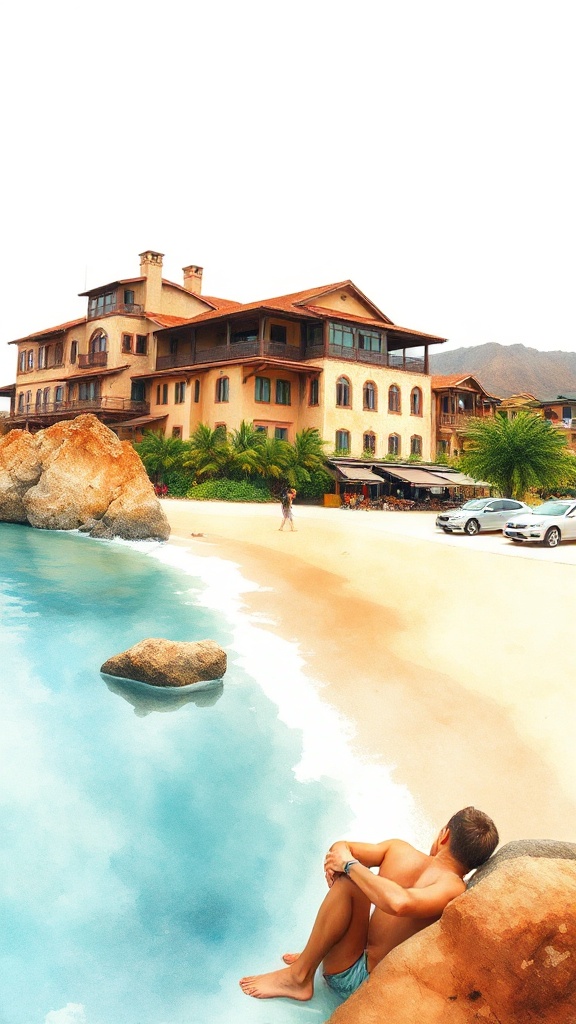
Malibu real estate ranges from modest beach cottages to high-end oceanfront estates. Buyers and renters should factor in coastal maintenance needs, insurance considerations related to wildfire and coastal erosion, and the impact of hillside topography on access and utilities. Working with local professionals who know the community nuances can save time and reduce surprises.
Conservation and community
Community groups and conservation initiatives focus on protecting surf breaks, restoring wetlands, and managing watershed health. Residents and visitors can contribute by staying informed, supporting conservation programming, and choosing low-impact recreation.
Whether you’re chasing waves, scouting a perfect sunset, or exploring canyon trails, Malibu offers an accessible blend of natural beauty and coastal culture. Plan ahead, respect the environment, and you’ll find plenty to enjoy along this iconic stretch of coastline.