The Grammys remain one of music’s most visible milestones, shaping careers and sparking conversations about how art is recognized.
As the industry continues to evolve, the awards show has adapted to reflect changing listening habits, global influences, and ongoing debates about fairness and representation.
What’s changing in the Grammys’ landscape
Streaming has reshaped how hits are measured and how artists build momentum. Playlists, algorithmic discovery, and short-form video virality can propel songs to millions of listeners overnight, influencing nominations and chart performance. At the same time, genre boundaries are increasingly fluid: collaborations that blend pop, hip-hop, electronic, and global styles are more common, and the Academy’s category structure has been adjusted periodically to acknowledge these hybrid forms.
Global music is also more prominent.
Sounds from outside traditional Western pop are crossing over into mainstream playlists and award recognition, reflecting a more connected music ecosystem. The result is a broader palette of nominees and performances that introduce new rhythms, languages, and production approaches to wide audiences.
Debates that matter
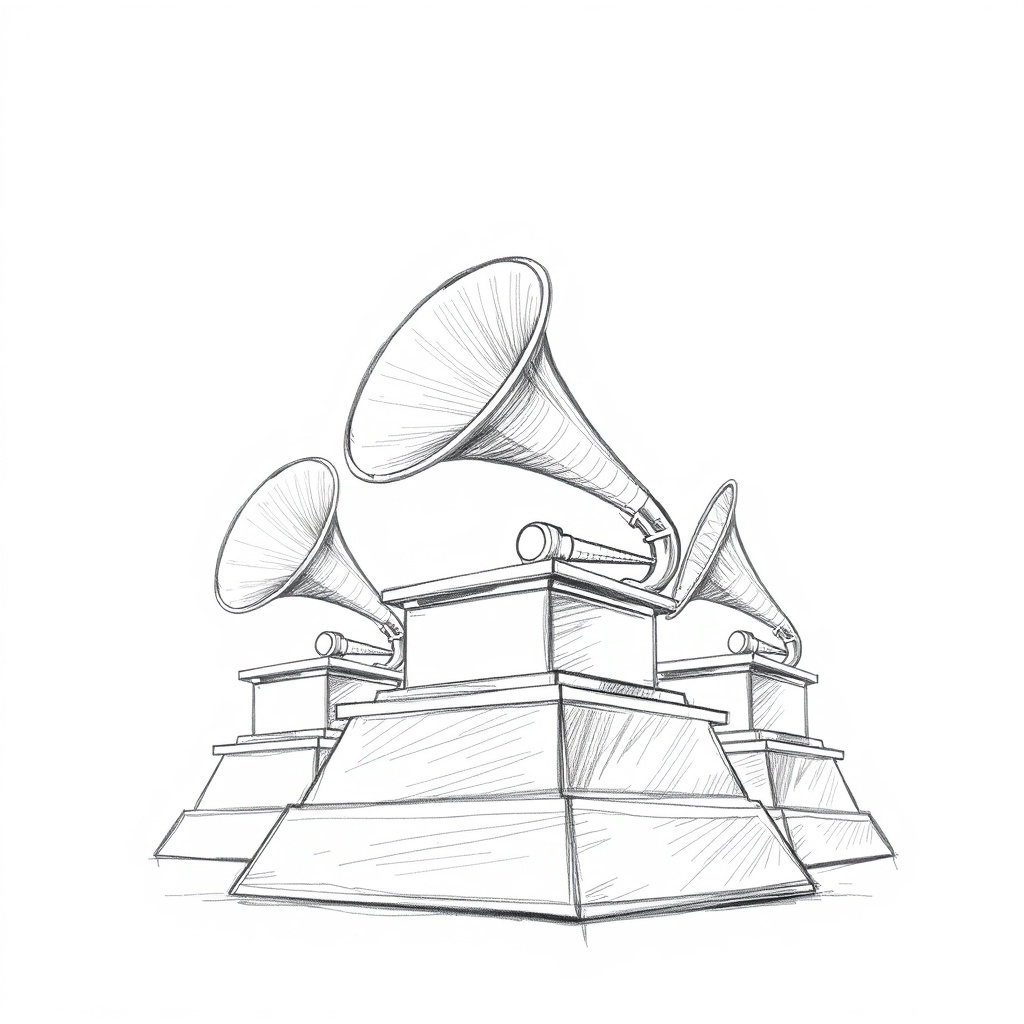
Conversations about transparency and representation remain central. Fans and industry insiders regularly discuss how voting processes work, who gets nominated, and whether the awards reflect cultural trends or industry power structures.
Calls for clearer voting explanations and more diverse Academy membership continue, with meaningful change progressing gradually as the organization seeks to balance tradition and reform.
Impact on careers
A Grammy nomination or win can still meaningfully elevate an artist’s profile—opening doors to new audiences, festival bookings, sync placements, and higher-profile collaborations.
For established acts, awards can reaffirm legacy; for emerging artists, recognition offers a catalyst that can translate into long-term career growth.
What artists can focus on
The pathway to Grammy consideration is ultimately rooted in making great music and getting it heard, but strategic actions matter:
– Build authentic audience engagement across streaming, social platforms, and live shows.
Sustained fan support often translates into playlisting and press.
– Optimize metadata and credits. Proper song and contribution credits ensure producers, writers, and featured artists receive recognition and that works are eligible for the right categories.
– Network within the industry. Relationships with producers, songwriters, and industry peers broaden visibility and opportunities for collaborations that catch voters’ attention.
– Pursue quality recordings and compelling visual assets. Strong production, mastering, and music videos help songs stand out in a crowded field.
What fans can expect from the show
The televised ceremony typically focuses on high-impact performances and surprise collaborations designed to create buzz on social platforms. Red carpet moments, producers’ spotlights, and tribute segments often highlight behind-the-scenes creators as much as headline acts.
Fans play a vital role in amplifying nominees’ moments through social sharing and streaming spikes.
Why it still matters
Beyond trophies, the Grammys function as a cultural touchpoint that highlights trends, celebrates craft, and sparks conversations about music’s future. As listening habits and industry structures continue to shift, the awards will likely keep adapting—balancing legacy categories with new forms of recognition and expanding the conversation around who and what music honors.
Whether you watch for performances, predictions, or to support favorite artists, the Grammys remain a key barometer for what the music world values and how those values are evolving.