Los Angeles is redefining how Angelenos move, live and explore—and transportation sits at the heart of that shift. Once synonymous with car culture, LA is now a dynamic experiment in multimodal mobility: expanded transit, bike-friendly corridors, micro-mobility services, and neighborhood-oriented development are reshaping commutes and local life.
What’s driving change
Several forces are pushing LA away from single-occupancy driving.
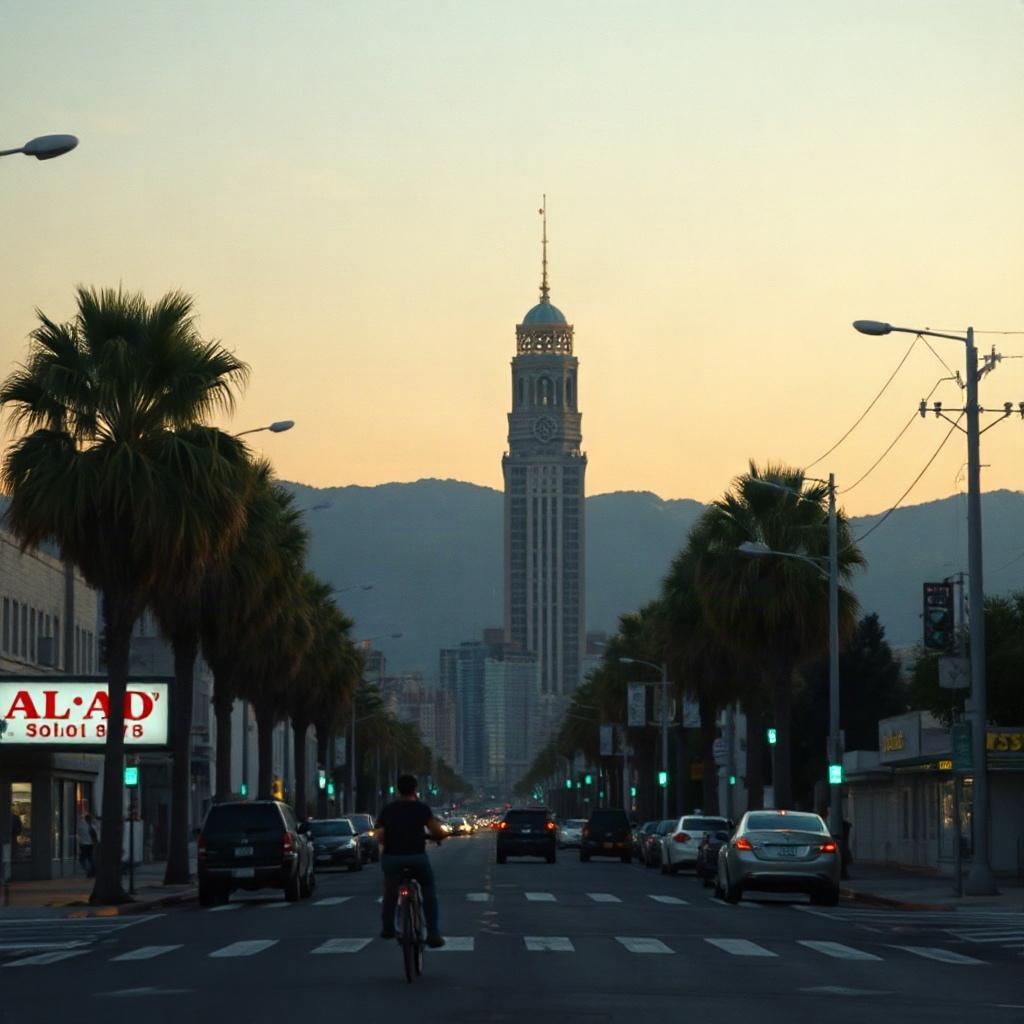
Public agencies and neighborhood advocates are prioritizing safety, air quality and equitable access.
Investments in light rail and bus rapid transit are making transit more reliable. At the same time, streets are being rethought to better serve bicyclists and pedestrians rather than channeling only car traffic.
Tech-enabled options—e-scooters, bike-share and ride-hailing—fill first- and last-mile gaps, offering flexible alternatives for short trips.
How neighborhoods are benefiting
Transit-oriented development is concentrating housing, shops and services near stations. That creates walkable pockets across neighborhoods like Downtown, Koreatown, and along coastal corridors, where residents can run errands, grab coffee, or commute without relying on a car. Local small businesses often see increased foot traffic around improved stations and protected bike lanes, which support a vibrant street life and safer public spaces.
Practical impacts for daily life
Commuters are starting to see shorter and more predictable travel times on congested corridors thanks to bus-only lanes and frequent rail service.
Cyclists benefit from protected lanes and intersection upgrades that reduce conflict with vehicles. For those who still use cars, smarter parking policies and increased car-share options reduce the burden and cost of car ownership.
Environmental wins include reduced emissions and improved street-level air quality where driving gives way to more sustainable modes.
Tips for navigating LA’s mobility mix
– Plan multimodal trips: Combine a rail ride with a scooter or bike-share for the last mile to save time.
– Use transit apps: Real-time arrival data and mobile ticketing reduce wait time and streamline transfers.
– Choose bike-friendly routes: Look for protected lanes and neighborhood greenways to reduce exposure to traffic.
– Time your travel: Off-peak trips often mean faster commutes and more reliable transit service.
– Support local: When new stations open, explore nearby restaurants and shops—local economies benefit from increased access.
What to watch next
Expect continued emphasis on safety and accessibility: more signal upgrades, expanded protected lanes, and creative street redesigns that prioritize people. Community-driven projects—parklets, curbside dining, and open-streets events—are turning road space into public space more often. Private mobility platforms will keep adapting, balancing convenience with regulation and safety.
Why it matters
Transforming mobility in Los Angeles is about more than commute times. It touches housing affordability, public health, climate resilience and neighborhood vitality. When streets are welcoming to pedestrians, cyclists and transit riders, neighborhoods become more connected and economically resilient. For residents and visitors alike, the evolving mobility landscape makes it easier to experience LA’s diverse cultural districts, beaches and green spaces without the stress of long drives.
Whether you’re a daily commuter or a weekend explorer, embracing multimodal options unlocks faster, healthier and more enjoyable ways to get around Los Angeles—turning a sprawling city into a series of connected, livable places.