Malibu Travel and Living Guide: Beaches, Surf, Hikes, Dining, and Coastal Challenges

Malibu: Coastal Charm, Outdoor Adventure, and the Challenges of Living on the Edge

Malibu is synonymous with sun-drenched beaches, iconic surf breaks, and a laid-back coastal lifestyle that draws outdoor lovers, foodies, and anyone seeking ocean views. Stretching along the Pacific Coast Highway and backed by the rugged Santa Monica Mountains, Malibu offers a rare mix of marine recreation and hillside trails, making it a destination worth exploring and a community worth understanding.

Beaches and Surf Culture
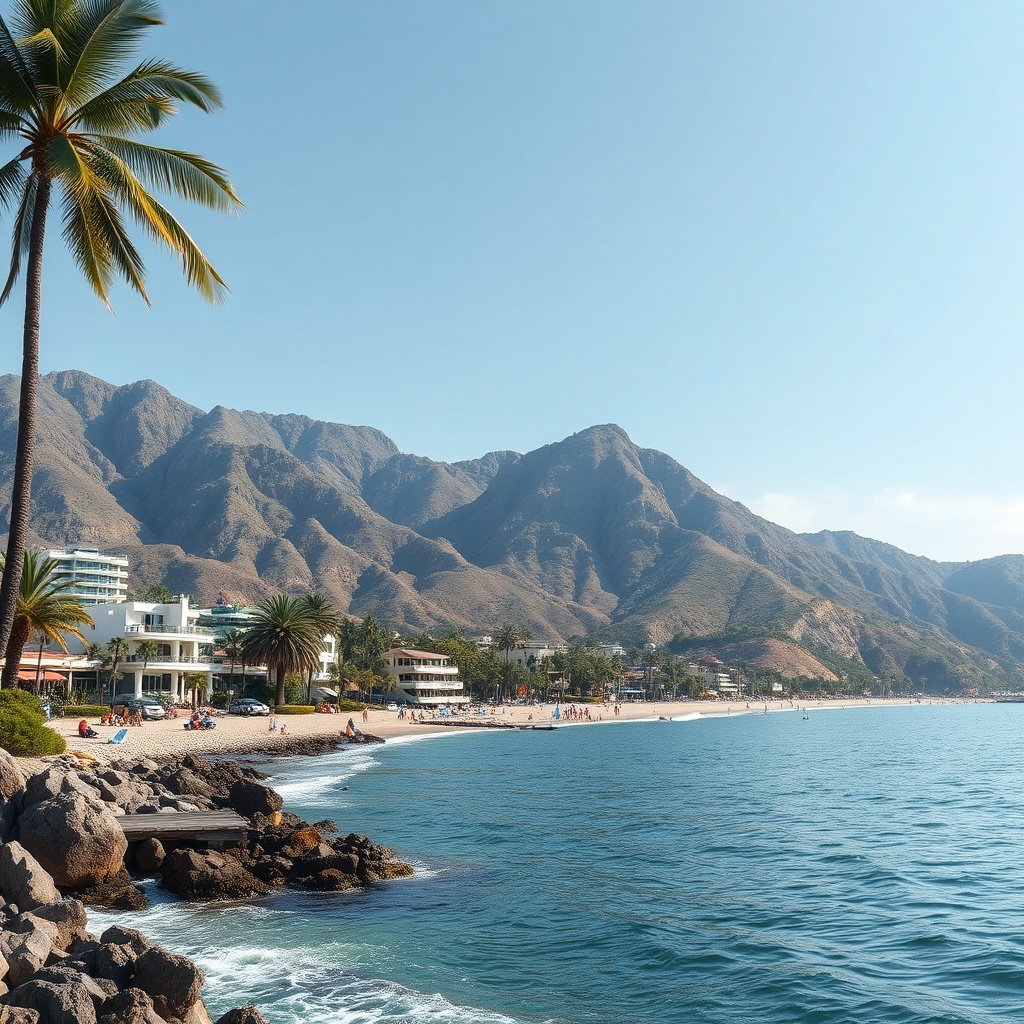
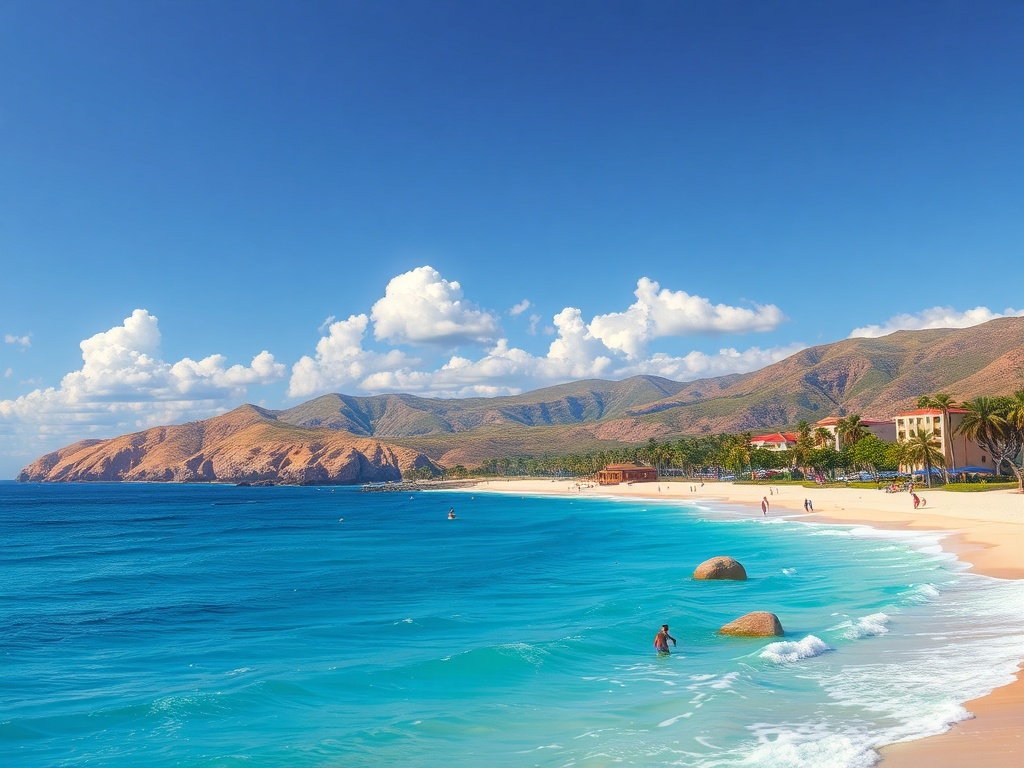
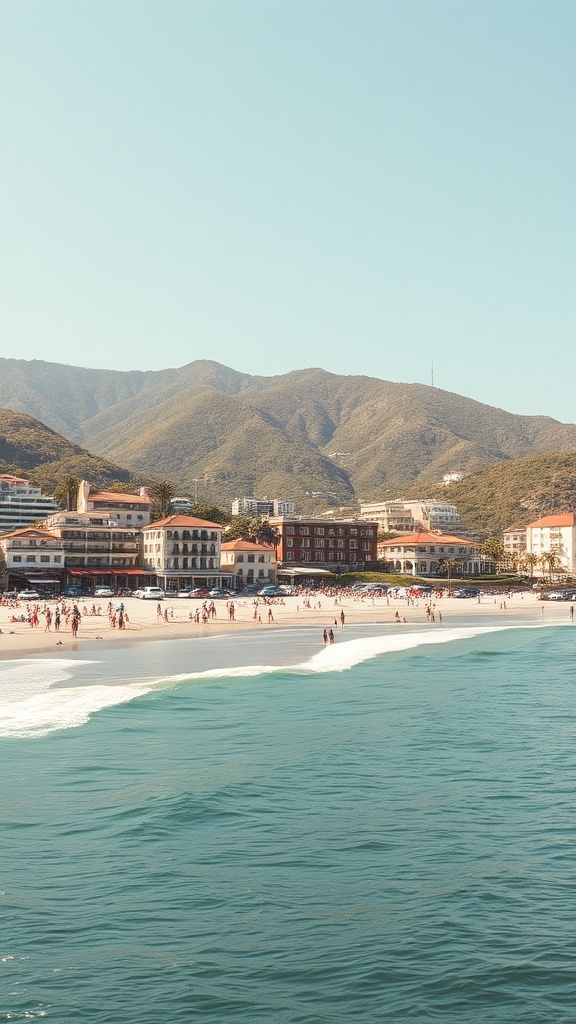
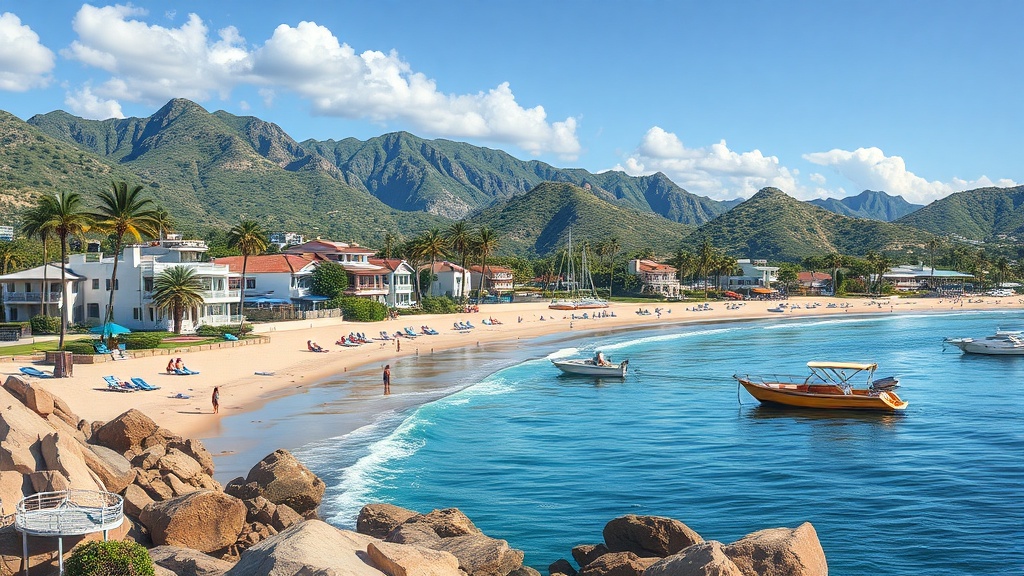
Malibu’s shoreline hosts some of the region’s most famous beaches. Long, sandy stretches invite sunbathing and family outings, while point breaks and reef breaks attract surfers chasing consistent waves.

Malibu image

Surfrider-style surf culture remains central to the local identity: surf shops, coastal festivals, and morning lineups create a communal vibe. For calmer water, coves and tide pools around headlands are perfect for exploring marine life during low tide.

Trails, Parks, and Outdoor Recreation
Hikers and mountain bikers will find the Santa Monica Mountains full of options, from easy coastal overlooks to more rugged canyon routes. Protected areas and state parks offer waterfalls, scenic ridgelines, and opportunities for wildlife viewing — keep an eye out for native birds and coastal flora. Popular access points provide picnic areas, interpretive trails, and opportunities for safe rock climbing or bouldering. Photographers and sunset hunters favor headlands for panoramic ocean vistas that flash different light each day.

Dining, Nightlife, and Community
The dining scene blends casual beachfront cafes with inventive coastal cuisine. Farm-fresh ingredients, locally sourced seafood, and sustainable wine lists dominate menus. Farmers markets and small-batch producers support a growing interest in local food systems, while intimate bars and live-music spots supply a relaxed after-hours scene. Community events — from beach cleanups to outdoor concerts — help preserve Malibu’s small-town feel despite its high-profile reputation.

Real Estate and Lifestyle Considerations
Living in Malibu means accessing spectacular views and a slower pace, but it also demands practical planning. Coastal properties balance architectural innovation with resilience concerns.

The popularity of oceanfront living has prompted thoughtful approaches: homeowners, architects, and planners increasingly consider erosion, flood risk, and fire resilience when designing or renovating properties.

For many residents, lifestyle choices include wildfire-prepared landscaping, water conservation measures, and strategies that minimize environmental impact while protecting property value.

Environmental Challenges and Local Stewardship
Malibu’s dramatic coastline faces ongoing environmental pressures.

Coastal erosion, sea-level fluctuations, and storm-driven changes affect beaches and bluffs. Wildfire risk in the surrounding mountains affects air quality and long-term vegetation patterns. Local stewardship groups, land trusts, and volunteer organizations play a central role in habitat restoration, dune protection, and policy advocacy. Community-driven cleanup projects and habitat surveys connect residents and visitors with hands-on conservation.

Getting There and Getting Around
The Pacific Coast Highway provides a scenic route through Malibu, offering stunning viewpoints that reward a slow drive. Public transit options and bike-friendly routes increasingly support local movement, though a car remains convenient for accessing trailheads and dispersed beaches.

Malibu remains a place where ocean rhythms shape daily life. Whether you come for a sunrise surf, a seaside meal, or a canyon hike, the area offers a blend of natural beauty and engaged community action that helps preserve what makes Malibu special for those who live there and those who visit.

Malibu Travel Guide: Best Beaches, Outdoor Adventures, Dining & Essential Visiting Tips

Malibu: Coastal Charm, Outdoor Adventure, and Smart Visiting Tips

Malibu stretches along a scenic ridge of coastline where rugged bluffs meet the Pacific. Known for world-class surf breaks, dramatic sea caves, and a relaxed yet upscale lifestyle, it’s a destination that blends natural beauty withlaid-back California living. Whether you’re planning a day trip or scouting a longer stay, knowing where to go and what to expect helps you make the most of the coastline.

Best Beaches and Coastal Sights
– Surfrider Beach: Famous for long, peeling right-hand waves, this spot is a favorite with surfers and a prime place to watch local talent.

The adjacent Malibu Pier offers views, fishing, and casual dining.
– Zuma Beach: Wide sand and ample parking make this beach ideal for family outings, sunbathing, and beach volleyball. Lifeguards are usually on duty near main access points.
– El Matador and other pocket beaches: Accessed by stairs and trails, these smaller coves reward visitors with sea stacks, tide pools, and prime sunset photo opportunities.
– Point Dume State Preserve: Headlands, cliffs, and whale-watching vantage points combine for great hiking and birding.

Keep an eye on the tide schedule before exploring below the cliffs.

Outdoor Activities Beyond the Sand
Malibu’s inland trails and state parks offer dramatic canyons, waterfalls, and native plant communities.

Popular hikes provide options for all skill levels; Solstice Canyon features shaded paths and an easy-to-reach waterfall, while Malibu Creek State Park has longer routes with rock pools and rugged scenery. Paddleboarding, snorkeling, and kayaking are excellent for exploring calmer coves; consider guided tours if you’re unfamiliar with currents and local conditions.

Food, Cafés, and Local Flavors
Coastal dining is a highlight, with casual beachside cafés and farm-driven restaurants supplying fresh seafood and produce. Many establishments emphasize sustainable sourcing and outdoor seating with ocean views. For a more relaxed vibe, look for local bakeries and farmer’s market stands serving seasonal fare and artisan goods.

Real Estate and Lifestyle Notes
Malibu real estate attracts people seeking privacy, panoramic ocean views, and close access to nature. Properties range from modest beach cottages to architect-designed hillside estates. Zoning, coastal setbacks, and environmental regulations shape development along the coast, so prospective buyers should work with agents experienced in local rules and shoreline dynamics.

Practical Tips for Visiting
– Parking and traffic: The Pacific Coast Highway is the main route, and it can get congested. Arrive early for beach parking, and consider public transit options or rideshares for popular spots.

Malibu image

– Respect habitats: Tide pools, dune areas, and bird nesting sites are fragile.

Stick to designated paths and avoid disturbing wildlife.
– Safety: Rip currents are common; swim near lifeguarded areas and heed posted warnings. Be aware of changing weather and bring layers—coastal fog can cool temperatures quickly.
– Permits and rules: Some beaches and parks require day-use parking fees or permits for special activities. Check local resources before you go.

Conservation and Community
Local organizations and residents actively work to protect Malibu’s coastline and marine habitats.

Efforts include beach cleanups, habitat restoration, and responsible water management.

Visitors who pack out trash, avoid single-use plastics, and follow trail guidelines help preserve the coastline for future enjoyment.

Malibu offers a mix of adventure and relaxation: sweeping ocean vistas, iconic surf culture, and quiet coves tucked between sea cliffs. With a little planning—respect for natural resources, awareness of local rules, and early arrival—you can enjoy everything this coastal stretch has to offer.

Malibu Travel Guide: Beaches, Hikes, Surfing, Dining & Coastal Conservation

Malibu blends dramatic coastal scenery, outdoor adventure, and a relaxed, upscale vibe that keeps visitors coming back. Whether drawn by wide sandy beaches, cliffside trails, or farm-to-table dining, there’s a balance here between recreation and conservation that shapes the visitor experience.

Beaches and coastal photography
Malibu’s coastline offers contrasts: broad, family-friendly stretches and hidden coves with sea stacks and tide pools. Popular beach choices include a guarded, bustling beach ideal for swimming and sunbathing; a more rugged state beach with photogenic cliffs and sea caves perfect for sunset shots; and a protected surf break famous for long, rideable waves. For photographers, early morning light and late-afternoon golden hour deliver the most dramatic colors and fewer crowds.

Respect posted signs around tide pools and cliffs — those fragile ecosystems recover slowly from disturbance.

Hiking and nature escapes
The Santa Monica Mountains that border Malibu host a network of trails through coastal sage, oak woodlands, and creekside canyons.

Short hikes lead to overlooks with panoramic ocean views, while longer routes connect to a regional trail system for multi-mile treks. Popular walks include a shaded canyon hike to a seasonal waterfall, a bluff trail to a scenic headland with whale-watching vantage points, and a rugged route into a state park known for rock formations and film-history ties.

Wear sturdy shoes, carry water, and be wildfire-aware during dry conditions.

Surfing and water activities
Surf culture is integral to Malibu.

Surf schools operate near gentle point breaks that are great for learners, while experienced surfers seek reef and point breaks that reward timing and skill. Paddleboarding and snorkeling are also common in calmer coves; conditions change with wind and tide, so check local surf reports and heed lifeguard advice.

Malibu image

Dining and local food scene
Malibu’s dining scene ranges from casual, fish-focused shacks to refined, coastal restaurants emphasizing locally sourced produce and seafood.

Farm-to-table eateries on and near the pier are popular for their ocean views and seasonal menus. For a relaxed food experience, seek out beachside cafes serving fresh catches and salads, and look for tasting rooms or small-batch makers in adjacent canyon areas for wine and craft beverages.

Practical tips for visiting
– Plan for traffic on the coastal highway and limited parking near popular beaches; arriving early often helps.
– Bring a reusable water bottle, sunscreen, and a sun hat; services can be sparse away from central areas.

– Cell reception can be intermittent in canyon and headland areas. Download maps if venturing onto remote trails.
– Respect private property and posted access restrictions; many coastal bluffs are adjacent to residential areas.
– Join a beach cleanup or volunteer with local conservation groups to support coastal resilience.

Conservation and community
Malibu places strong emphasis on coastal stewardship. Local organizations, agencies, and residents collaborate on dune restoration, native-plant revegetation, and erosion-management projects. Visitors can contribute by staying on marked paths, packing out trash, and supporting businesses that prioritize sustainability.

Whether seeking a surf session, a sunset photo, a canyon hike, or a leisurely meal with an ocean view, Malibu offers a memorable coastal lifestyle shaped by natural beauty and a community invested in protecting it.

Plan thoughtfully, tread lightly, and the coastline will reward with breathtaking moments and lasting impressions.

Malibu Travel Guide: Best Beaches, Hikes, Food & Safety Tips

Malibu is a stretch of coastline that blends dramatic cliffs, sandy beaches, and a laid-back California vibe — a magnet for beachgoers, hikers, food lovers, and anyone craving ocean views. Whether you’re planning a day trip or scouting a longer stay, knowing what makes Malibu special will help you get the most out of the coastline and community.

Top spots to visit
– Zuma Beach: Wide, sandy, and often less crowded than nearby spots, Zuma is ideal for sunbathing, surfing, and family days. Lifeguards are typically on duty and parking can fill up quickly on peak days, so arrive early.
– Point Dume State Beach: Famous for its overlooks and sea cliffs, Point Dume offers short hikes with panoramic views, dramatic sunsets, and excellent whale-watching vantage points during migration seasons.
– El Matador State Beach: Iconic sea stacks and coves make this a favorite for photographers and romantics.

The stair descent to the beach requires some care but rewards visitors with striking scenery.
– Malibu Pier and Surfrider Beach: A classic gathering place for surfers and fishermen, the pier is lined with eateries and offers a nostalgic coastal atmosphere. Surfrider’s long right-hand break is a draw for longboarders.

Outdoor adventures
Hikers will find a variety of trails, from coastal bluff walks to rugged canyon routes. Malibu Creek State Park and the Santa Monica Mountains offer options for different fitness levels — some trails take you to rock formations, others to creekside meadows and native chaparral.

Always bring water, sun protection, and good footwear.

Check trail conditions and parking requirements before heading out.

Beach etiquette and safety
Respect local rules: many beaches have designated dog hours, protected tide pool areas, and restrictions on fires or amplified music. Tide pools and kelp beds are living ecosystems — observe without removing plants, shells, or wildlife. Rip currents are a real hazard; swim near lifeguarded sections and understand how to escape a current by swimming parallel to shore.

Sustainability and resilience
Malibu’s coastal environment faces challenges like erosion, sea level changes, and wildfire risk in the surrounding hills. Community programs and local agencies focus on dune restoration, native plant landscaping, and responsible development to protect fragile habitats. Visitors can help by staying on marked trails, using refillable water bottles, and packing out all trash.

Food, shopping, and culture
Malibu’s culinary scene ranges from casual beach cafés to upscale restaurants with oceanfront patios. Stop at a seafood spot for locally influenced plates, or visit farmers’ markets for fresh produce and artisanal goods. Art galleries and small boutiques along the main corridor showcase local makers and coastal-inspired design.

Practical tips
– Parking: Many popular beaches have limited parking; plan to arrive early or consider carpooling. Street parking rules are strictly enforced.
– Public transit and biking: Transit options exist but are limited compared with urban centers. Cycling parts of the coastline is scenic but be prepared for wind and limited shoulder space on some stretches.
– Accommodations: Lodging options range from boutique inns to vacation rentals. If privacy and quiet matter, consider booking outside peak periods and confirm cancellation policies.

Whether you’re chasing waves, searching for a cliffside sunset, or simply savoring a seaside meal, Malibu offers a coastal experience that balances natural beauty with thoughtful stewardship. A mindful visit preserves those resources so they stay stunning for everyone who follows.

Malibu image

Ultimate Malibu Travel Guide: Best Beaches, Surf Spots, Hikes, Dining & Coastal Conservation

Malibu blends rugged coastline, world-class surf and a laid-back luxury lifestyle into one of Southern California’s most desirable coastal communities. Whether you’re chasing perfect waves, scenic hikes, farm-to-table dining or coastal conservation efforts, Malibu offers a mix of outdoor adventure and low-key sophistication.

Beaches and surfing
Malibu beaches are legendary. Surfrider Beach is famous for long, peeling right-hand breaks that attract surfers of all levels, while Zuma and Point Dume offer wide sands, tidepools and dramatic cliffs perfect for sunbathing, swimming and photography. For a quieter experience, hidden coves and rocky outcrops along the coast reward explorers who time tides and parking carefully.

Always check surf reports and tide charts before heading out, and respect local surf etiquette.

Hiking and nature
The Santa Monica Mountains border Malibu with a network of trails leading to panoramic overlooks and native chaparral. Popular public access points provide options for short coastal walks or multi-mile hikes through oak woodlands and canyon streams.

Malibu image

Malibu Creek State Park and nearby preserves are excellent for birdwatching, wildflowers in season and, in many areas, safe dog-friendly trails. Keep an eye out for signage that protects sensitive habitats and stay on designated paths.

Dining, shopping and culture
Malibu’s dining scene leans into fresh seafood and seasonal, locally sourced ingredients. Seaside restaurants and casual cafes offer everything from sunset cocktails to farm-style meals with ocean views. Boutique shopping and artisan markets showcase local makers and provide an easy complement to a beach day.

Cultural offerings include community events, outdoor performances and surf culture history—look for opportunities to connect with local arts and restoration projects.

Environmental concerns and community resilience
Coastal erosion, sea level changes and stormwater runoff are persistent concerns for Malibu’s shoreline and watershed. Community groups, local agencies and volunteers frequently focus on habitat restoration—like kelp forest recovery and creek cleanups—and policies to manage development near the bluffs. Wildfires and extreme weather have shaped planning priorities, making resilience measures such as defensible space, home-hardening and evacuation planning essential for residents.

Supporting local conservation organizations and following official advisories helps protect both people and ecosystems.

Practical tips for visitors and residents
– Plan for traffic: Pacific Coast Highway is scenic but can be congested; allow extra travel time, especially on weekends.
– Parking and permits: Popular beaches can fill early; check local parking rules and bring cash or digital payment options.
– Layer up: Coastal marine layers and evening breezes mean temperatures can shift quickly—pack a light jacket.
– Safety first: Observe posted signs at beaches and trails; rip currents can be strong and conditions change rapidly.
– Be respectful: Preserve private property, avoid trampling dunes or sensitive plant life, and follow leash rules for dogs.

Malibu remains a compelling destination for nature lovers, surfers and anyone seeking a coastal escape with a strong conservation ethic.

Frequent outdoor access, community stewardship and an emphasis on sustainable living help keep Malibu’s unique blend of natural beauty and relaxed luxury accessible for residents and visitors alike.

Malibu Travel Guide: Best Beaches, Hikes, Surf Spots & Sustainable Tips

Malibu still feels like the edge of the map — a stretch of dramatic coastline, rolling canyons, and a distinct coastal culture that draws surfers, hikers, and anyone craving ocean air. Whether planning a day trip or scouting a longer stay, Malibu offers a mix of outdoor adventure, relaxed dining, and small-town charm with an emphasis on conservation and outdoor living.

Beaches and surf
Malibu’s beaches each have a distinct character.

Wide, family-friendly sands are ideal for sunning and beach games, while reef breaks attract surfers chasing long, peeling waves. Popular spots for watching surf culture in action also provide excellent opportunities for beginner and intermediate lessons from local surf shops. Always check tide and surf reports before entering the water; rip currents can be strong and conditions change quickly. Lifeguarded beaches are the safest choice for swimmers.

Scenic hikes and overlooks
The nearby coastal canyons and the Santa Monica Mountains open up a network of trails with dramatic ocean views, wildflower meadows, and quiet creek crossings. Look for trails that lead to cliffside overlooks for sunset, or those that wind through fern-lined gullies if you prefer shaded routes. Trail etiquette matters: stay on marked paths, pack out what you pack in, and keep dogs on leash where required to protect wildlife and native plants.

Wildlife and nature stewardship
Malibu’s coastal bluff ecosystems and tidepools are biologically rich and fragile.

Tidepools host an array of intertidal creatures — observe them from a respectful distance and avoid turning over rocks. Coastal bluffs often support rare native plants; staying on trails helps prevent erosion and habitat loss. Many local groups and shops encourage reef-safe sunscreen, plastic reduction, and volunteer beach cleanups.

Malibu image

Supporting these efforts helps preserve the coastline for everyone.

Dining, markets, and local culture
The dining scene favors fresh, locally sourced seafood and California-style menus that pair well with ocean views. Small cafes, farm stands, and weekend markets highlight local produce and artisanal goods — great places to grab picnic supplies before hitting a beach or trail. Boutique galleries and coastal shops add to the relaxed, creative vibe and offer unique souvenirs from local makers.

Practical tips for visiting
– Arrive early on weekends to find parking and avoid crowds. Street and lot restrictions are enforced.

– Bring layers: coastal fog can be cool in the morning and evening, while the sun can be strong midday.

– Respect posted signs for wildlife, restricted areas, and parking; fines can be steep.

– Use reef-safe sunscreen and a reusable water bottle to reduce environmental impact.
– If you plan to hike, bring water, snacks, sun protection, and a map or offline navigation since cell service can be spotty.

Sustainable travel choices
Choosing low-impact activities helps protect the coastline and canyon ecosystems. Opt for guided eco-tours, support businesses that prioritize sustainable practices, and participate in beach cleanups when possible. Small choices—properly disposing of waste, staying on trails, and using reef-safe products—add up and keep Malibu’s natural beauty intact.

Malibu remains a destination where the ocean sets the pace.

With outdoor adventure, mindful tourism, and a strong local stewardship ethic, visitors can enjoy the best of the coastline while helping preserve it for future days of sun, surf, and wide-open views.

Malibu Travel Guide: How to Visit Responsibly—Surf, Hike, and Protect the Coast

Malibu is a stretch of coastline that blends dramatic cliffs, surf-ready breaks, and a culture that prizes outdoor living and coastal stewardship.

Whether visiting for a day or planning a longer stay, understanding how to enjoy Malibu responsibly makes every trip better for locals, wildlife, and future visitors.

Must-see places and activities
– Hit the waves: Surfrider Beach is famous for long, peeling right-hand breaks that attract surfers of many levels. Respect surf etiquette—take turns, don’t drop in, and watch for changing conditions.
– Explore the coves: Sea caves, rocky outcrops, and hidden coves offer prime photo opportunities. El Matador–style cliffs and Point Dume’s headlands reward hikers and photographers with panoramic ocean views and tide pools at low tide.
– Hike and bike: Inland trails through canyon oaks and chaparral reveal a different side of Malibu.

Malibu image

Trails range from easy coastal strolls to more strenuous canyon routes; bring water and proper footwear.
– Beach days: Zuma and other broad, sandy beaches are great for family outings and sunbathing. Lifeguards patrol popular spots, but always keep an eye on kids and be mindful of rip currents.
– Outdoor culture: Kayaking, paddleboarding, and tide-pooling are popular when conditions are calm. Rent gear locally and choose guided options for unfamiliar waters.

Safety and local etiquette
– Check conditions: Ocean and weather conditions can change quickly.

Look up tide charts, surf reports, and local advisories before heading out.
– Rip currents: Learn to spot and escape rip currents—swim parallel to shore until free, then return to land. If unsure, stay within lifeguarded areas.
– Parking and access: Public beach access can be limited.

Use designated parking lots and obey signs to avoid fines and to preserve neighborhoods.
– Respect wildlife and habitats: Many shorebirds and native plants rely on undisturbed nesting and dune areas. Heed fencing and signage, keep dogs on leashes where required, and avoid trampling dune vegetation.

Stewardship and resilience
Malibu faces ongoing pressures from coastal erosion, sea level changes, and wildfire risk. Community-led efforts emphasize natural shoreline restoration, dune protection, native planting, and improved freeway and canyon evacuation planning. Visitors can support these efforts by staying on marked trails, participating in beach cleanups, and supporting local organizations focused on habitat restoration.

Practical tips for a smooth visit
– Pack essentials: Sunscreen, a hat, water, and a basic first-aid kit are must-haves. Mobile reception may be spotty in canyon areas—download maps if necessary.
– Timing: Early morning and late afternoon offer softer light for photos, cooler temperatures for hikes, and reduced congestion.
– Eat local: Malibu’s culinary scene emphasizes fresh seafood and farm-to-table ingredients. Visit local markets and eateries to sample coastal flavors and support small businesses.
– Avoid overcrowding: Weekends and holiday periods attract larger crowds. Consider weekdays or shoulder hours to enjoy quieter beaches and trails.

Leave it better than you found it
Malibu’s appeal comes from a balance of natural beauty and thoughtful human presence. Small actions—packing out all trash, respecting wildlife, following posted rules—help preserve that balance. Whether chasing waves, watching a sunset from a bluff, or wandering a quiet trail, thoughtful visits keep Malibu vibrant and resilient for everyone who loves the coast.

Malibu Travel Guide: Best Beaches, Surf Spots, Safety & Eco-Friendly Tips

Malibu combines rugged coastline, world-class surf, and a relaxed coastal lifestyle that draws visitors and residents alike. Whether you’re planning a day trip or thinking about making Malibu home, knowing where to go and what to expect makes the experience richer and more sustainable.

Malibu image

Highlights and must-see spots
– Zuma Beach: Wide sand and consistent waves make this one of Malibu’s most family-friendly beaches.

Lifeguards are often on duty and parking fills up fast on warm days.
– Surfrider Beach and Malibu Pier: A historic right-hand point break popular with longboarders. The pier is a great vantage point for sunset watching and casual dining.
– Point Dume State Beach: Dramatic cliffs, tide pools, and coastal wildflowers at low tide reward hikers and photographers.
– Malibu Creek State Park: Inland, this park offers scenic trails, rock climbing and opportunities for wildlife viewing away from the coast.
– Adamson House and Malibu Lagoon Museum: Learn about local history and see classic tile work and restored historic landscapes near the lagoon.

Surf, sand and sun-smart tips
Malibu’s surf culture is legendary, but local etiquette matters. Respect priority lines in the water, avoid dropping in on someone’s wave, and be mindful of swimmers near shore. Bring reef-safe sunscreen to protect marine life and reduce chemical runoff that can harm kelp forests and tide-pool organisms.

Practical visitor advice
– Arrive early for parking, especially on weekends and holidays. Street and lot restrictions are enforced.
– Check tide and swell forecasts before heading to tide-pool areas; low tide reveals the best pools and sea life.
– Layer clothing: coastal fog can make mornings cool while afternoons warm quickly under direct sun.
– Pack water and minimize single-use plastics. Water sources on some beaches and trails are limited.

Environmental challenges and stewardship
Malibu faces coastal erosion, stormwater runoff, and wildfire risk — natural processes intensified by development pressures and climate-related shifts. Local nonprofits, volunteers and agencies often organize beach cleanups, native dune restoration, and watershed projects aimed at improving water quality and habitat for native species like steelhead trout and coastal birds.

Residents and visitors can help by participating in community cleanups, using native landscaping to reduce irrigation needs, and choosing public transit or carpooling when possible to ease traffic and emissions along the Pacific Coast Highway (the main coastal route).

Safety and preparedness
Wildfire season and sudden coastal storms are part of the regional reality. Homeowners are encouraged to maintain defensible space, follow local evacuation guidance, and have emergency plans and kits ready.

For visitors, know your exit routes and stay aware of weather advisories and posted closures for beaches or trails.

Dining and local culture
Malibu’s dining scene leans toward fresh, ocean-inspired menus with an emphasis on local seafood and farm-direct produce. Farmer’s markets, casual beachfront cafes and a few destination restaurants all offer ways to taste the coast. Check operating hours and reservation policies before visiting to avoid disappointment.

Enjoying Malibu responsibly
Malibu rewards those who slow down and pay attention — whether watching surfers carve a long right, hiking a quiet ridge trail, or enjoying a sunset at the pier. Respect for the coastline, wildlife and local communities helps keep Malibu’s beaches and hills beautiful for everyone who comes to experience them.

Ultimate Malibu Travel Guide: Best Beaches, Top Hikes, Dining and Conservation Tips

Malibu blends dramatic coastline, world-class surf, and a strong conservation ethic into one of the most sought-after coastal destinations. Whether you come for the waves, the hiking, or simply to soak up oceanfront views, knowing where to go and what to respect makes the experience richer.

Top beaches and coastal highlights
– Surfrider Beach: Famous for its long right-hand point break, this is a must for surfers and for watching classic longboard lines. The adjacent Malibu Pier offers a scenic vantage point and casual dining.
– Zuma Beach: Wide sand and reliable surf make Zuma ideal for family outings and beach sports. Lifeguards and ample parking help manage large crowds.
– El Matador State Beach: Dramatic sea stacks, sea caves, and tide pools reward those willing to navigate the steep stairs. Low tide offers the best access and photography opportunities.
– Point Dume State Beach & Preserve: Cliffs with panoramic views and seasonal wildflowers; it’s a favorite for whale-watching from the bluff during migration windows.

Outdoor adventures beyond the sand
Malibu is framed by the Santa Monica Mountains, giving hikers and climbers a variety of terrain. Trailheads at Solstice Canyon and Escondido Falls lead to lush canyons and waterfalls. Malibu Creek State Park offers longer routes through oak woodlands and a striking rock formation popular with climbers and birdwatchers. Pack water, wear sturdy shoes, and plan around tide and heat conditions.

Dining, shopping, and local flavor
The area mixes casual seafood shacks with high-end waterfront restaurants.

Pier-side cafés and the Malibu Country Mart are good bets for relaxed meals and boutique shopping. Local fish markets serve fresh catch, while beachfront eateries provide prime sunset seating—arrive early for the best tables.

Conservation and coastal challenges
Malibu’s coastal beauty comes with environmental responsibilities.

Coastal erosion, storm-driven sand changes, and wildfire risk shape how communities plan and adapt. Local and regional agencies, alongside community groups, work on beach restoration, water-quality programs, and habitat protection for sensitive species like shorebirds and native plants. Visitors can help by staying on marked paths, disposing of trash properly, and observing posted wildlife protections.

Practical tips for visiting
– Timing: Traffic along the Pacific Coast Highway can be heavy; mornings and weekdays are generally less congested. Allow extra time during weekends and holidays.
– Parking: Some popular beaches have limited parking; consider alternative lots or nearby commercial areas and walk in when possible.
– Safety: Ocean conditions vary—strong rip currents and sneaker waves occur. Swim near lifeguarded areas and heed posted warnings.
– Respect private property: Much of Malibu’s coastline borders private homes; public access points may be limited. Follow public access signs and use designated beach entrances.

Living and real estate notes
Malibu’s real estate attracts those seeking coastal living, but development is often constrained by environmental regulations and the need to protect public access. Homeowners and prospective buyers should be aware of coastal setbacks, bluff stability, and emergency evacuation routes.

Malibu remains a rare combination of rugged natural beauty and coastal culture. Whether you’re catching a surf session, exploring hidden coves, or hiking mountain trails, thoughtful planning and respect for the landscape ensure the place stays vibrant for visitors and locals alike.

Malibu image

Malibu Travel Guide: Beaches, Surf, Hikes, Dining & Conservation Tips

Malibu remains one of the most magnetic stretches of coastline—an effortless mix of iconic surf culture, dramatic cliffs, and a laid-back yet upscale lifestyle. For anyone drawn to ocean views, fresh seafood, and outdoor adventure, Malibu offers a compact but richly varied experience that rewards both the day-tripper and the local.

Beaches and surf
Malibu’s shoreline has distinct personalities. Long, rideable waves at the famous surf breaks attract longboarders and those chasing classic, glassy lines. Family-friendly beaches offer broad sand, picnic areas, and gentle waves for kids. For dramatic scenery and tidepool exploration, the rocky coves and sea stacks are unforgettable at low tide. Beach access can vary—some spots have large parking lots, others require a short walk—so plan ahead and arrive early on busy weekends.

Parks and hiking
The hills and canyons behind the coast are threaded with accessible trails and shaded creek crossings. Popular outings include canyon hikes with ocean lookouts, easy nature walks through coastal bluffs, and more rugged routes that lead into mountain vistas. Many trails provide birdwatching and wildflower viewing during peak seasons; trail conditions can change after storms, so checking local trail reports helps avoid surprises.

Malibu image

Dining and local flavor
Dining in Malibu spans casual fish tacos and beachside cafes to high-end dining rooms with ocean-to-table menus. Farmers markets and farm-to-table spots highlight seasonal produce and sustainable seafood, reflecting a local emphasis on freshness and environmental responsibility. For a relaxed experience, bring a picnic to a beach or bluffside bench and enjoy the sunset with unobstructed ocean views.

Conservation and coastal resilience
Conservation is central to Malibu’s identity. Community groups, local agencies, and volunteers work on lagoon restoration, dune protection, and habitat enhancement to support native plants and coastal wildlife. Shoreline changes from storms and rising seas have prompted discussion about long-term planning—balancing property protection with natural beach dynamics encourages creative approaches like managed retreat and living shoreline techniques. When visiting, practicing leave-no-trace principles, staying off sensitive dune vegetation, and following posted rules for wildlife areas help preserve those places for future visitors.

Wildfire preparedness
The surrounding hills are part of a fire-adapted landscape, so wildfire awareness and defensible-space practices are part of living in or visiting the region.

Residents and renters often take precautions such as clearing vegetation near structures and keeping emergency kits handy. Visitors can help by obeying fire regulations, avoiding open flames in restricted areas, and reporting hazards to local authorities.

Marine life and tidepool etiquette
Malibu’s coastal waters are rich with marine life. Tidepools, kelp beds, and offshore areas support diverse species, making respectful wildlife viewing important. Avoid touching or removing marine organisms, keep a safe distance from seals and seabirds, and observe any protected-area signage. Offshore marine protected areas help sustain fisheries and biodiversity—supporting them through responsible recreation keeps the ecosystem healthy.

Practical tips
– Check beach access and parking rules ahead of time; some lots fill quickly.
– Bring layers—coastal fog and breezes can make evenings cool.
– Pack reusable water bottles and trash bags to reduce litter.
– Respect private property and posted signs near cliff edges and private beaches.
– Look up local alerts for beach closures, water quality advisories, or trail conditions.

Whether you come for the surf, the scenery, or a quiet day by the sea, approaching Malibu with curiosity and respect makes the visit more rewarding and helps protect this special coastline for everyone who follows.