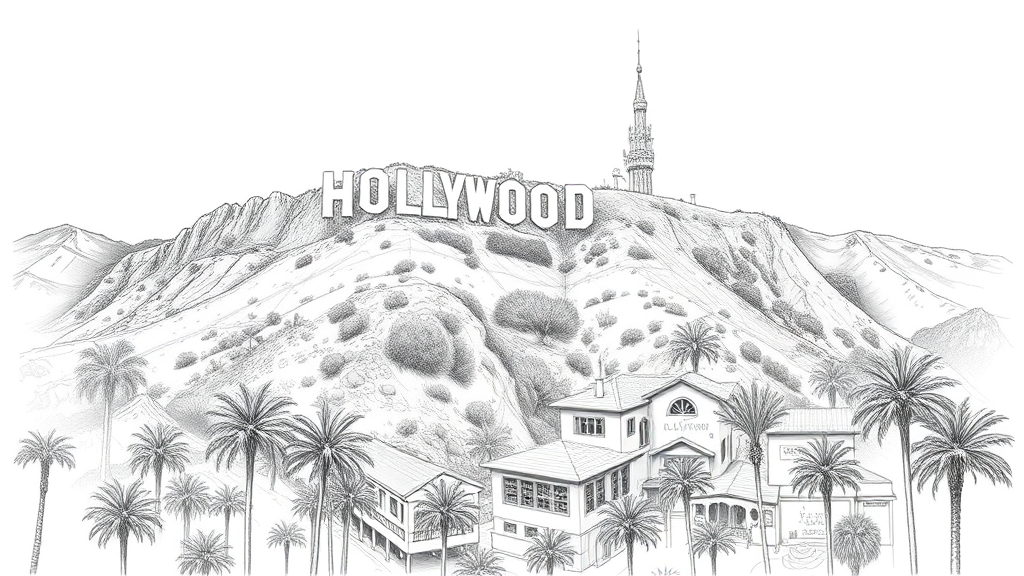
1. “Hollywood’s Digital Revolution: The Rise of Streaming Platforms”

The entertainment landscape has been witnessing a dramatic shift lately. Hollywood, the world’s renowned hub for film and television production, is no stranger to this transformation.

While traditional cinema and prime-time television have long been the cornerstone of the industry, a new titan has emerged: streaming platforms.

The allure of streaming platforms has been growing for both audience members and Hollywood’s elite. These platforms offer accessibility and convenience that was previously unprecedented. With a simple click, viewers can access a world of entertainment from the comfort of their homes.

There is no need to wait in line at a box office or follow rigid television schedules. Moreover, the breadth of content available online caters to a variety of interests, ensuring everyone can find something they enjoy.

Hollywood’s A-listers have not failed to notice the allure of this new platform. Well-established actors and directors are increasingly creating and starring in web series and films. Streaming platforms provide a wider creative canvas, allowing for experimental storytelling and challenging narratives that may not see the light of day in traditional cinema.

For actors and creators, these platforms offer opportunities for long-form storytelling. An eight-episode series provides more room for character development and complex narratives than a two-hour film. This creative freedom can lead to more fulfilling roles and projects, attracting even the most prestigious names in Hollywood.

The rise of streaming platforms, however, does not signal the end of cinema or television. Instead, it is an expansion of the industry, a third titan entering the arena.

Traditional movie releases and television shows continue their reign, but now they coexist with online content.

While some might see this as a competition, it is, in fact, a symbiotic relationship.
Hollywood image

The traditional forms of media serve as a launching pad for emerging talent who then go on to experiment in the digital space. Conversely, digital platforms offer exposure to fresh faces who might get their big break in cinema or television.

There are challenges associated with this shift, naturally. The oversaturation of content can be overwhelming for the audience. With so many choices at their disposal, it can be difficult for viewers to decide what to watch.

For creators, the competition has never been fiercer. Standing out in a crowded digital space requires creativity and innovation on a whole new level.

Despite these challenges, the shift to streaming platforms is a step forward for Hollywood. It diversifies the industry, providing more opportunities for creators and a wider array of content for consumers. It’s a win-win situation that only elevates the entertainment scene as a whole.

Today, as we delve deeper into the digital age, the transformation of Hollywood is evident. The embrace of streaming platforms is not just a trend, but a paradigm shift in how we consume and create content. This shift is shaping the future of the entertainment industry, promising an exciting era of innovative storytelling and boundless entertainment.

Breaking Barriers: The Rise of Diversity and Inclusion in Hollywood’s Film Industry

As the heartland of the world’s film industry, Hollywood has always been a beacon of dreams and fantasies. Yet, for all its glitz and glamour, the industry has not been without criticism, primarily for its lack of diversity and inclusion. However, over recent years, we’ve seen a promising shift towards a more inclusive and diverse Hollywood.

The current landscape of the industry shows that Hollywood is stepping up its game, embracing diversity and inclusion like never before. Today, the industry is making strides to ensure that the stories they tell are reflective of the world we live in, acknowledging the richness and depth of our diverse society.

One of the ways that this transformation is becoming more apparent is through the movies and TV shows being produced. Audiences are being treated to a greater array of narratives that cross cultural, racial, and gender boundaries. We’re seeing more and more films and series that not only feature diverse characters, but also explore different cultural perspectives and experiences.

More significantly, this shift isn’t just happening on screen, but off screen as well. Hollywood has awakened to the reality that diversity needs to be inherent in the entire film-making process, from the writers’ room to the director’s chair. Hence, there’s been a push for a more diverse workforce in the industry, creating opportunities for people of all backgrounds and experiences.

The impact of this change is evident in the number of accolades and recognition that diverse films, series and talents are receiving. It’s not uncommon today to see the spotlight shining on films helmed by women directors, TV series written by minority writers, or actors of color winning top acting awards.

These victories are a testament to the industry’s commitment to breaking barriers and making space for underrepresented voices.

Moreover, audiences today demand representation. People want to see characters that look like them, stories they can connect with, and experiences that resonate with their own.

This demand fuels the drive for diversity and inclusion, encouraging Hollywood to break away from its traditional mold.

However, while significant strides have been made, it’s crucial to remember that there’s still much work to do. True representation isn’t just about ticking boxes or fulfilling quotas; it’s about authentically representing the spectrum of human experience.

As such, the industry needs to continue learning, evolving, and pushing the boundaries of inclusivity.

In recent years, Hollywood has taken important steps towards a more inclusive and diverse industry. By championing diverse voices and stories, the industry is moving away from its traditional limitations and stepping into a new era of film-making.

Hollywood image

This evolution not only enriches the film and TV landscape but also ensures that Hollywood continues to be a place where everyone’s story can be told.

The rapid transformation of Hollywood is a testament to the industry’s adaptability and willingness to evolve. As audiences continue to patronize diverse and inclusive content, the hope is that this trend will continue to grow. After all, in a world as diverse as ours, the stories we tell should be just as varied.

In the grand tapestry of Hollywood’s narrative, the threads of diversity and inclusion are now being woven more tightly than ever. This shift is not only an important stride for the industry, but for society as a whole, reaffirming that our stories, in all their diversity, are important, worthy, and deserving to be told.

1. “Exploring the Unending Attraction to Hollywood Biopics”

The Unending Fascination with Hollywood Biopics

The allure of Hollywood is undeniable and its world of cinema continues to be an intriguing mix of creativity, glamour, and storytelling prowess.

Among its varied genres, one that has garnered immense interest from both audiences and critics alike is the biopic. And, it’s evident that this fascination is far from fading.
Biopics offer an intimate look into the lives of public figures, from musicians and actors to political leaders and inventors. These films provide a behind-the-scenes peek at the triumphs and trials these individuals face, making them relatable to audiences worldwide.

There’s a thrill involved in viewing the world from the perspective of people who have made their mark on history.

What gives biopics a unique edge is their grounding in reality.

They are not just the products of a creative mind but are carefully crafted narratives based on real-life events and characters. This generates a sense of authenticity that draws audiences in. People are naturally curious and biopics feed this curiosity, allowing them to gain insights into the lives of individuals they admire or despise.
Moreover, these films explore the human element in these larger-than-life figures, showing them as fallible and vulnerable.

This helps to break down the barriers often erected around celebrities, making them seem more human and less like untouchable idols.
Biopics also offer a platform for filmmakers to delve into socio-political issues. These films often tie in with significant events, movements, or periods in history.

In a way, they serve an educational purpose, enlightening audiences about critical moments in the past and the individuals who played pivotal roles in shaping them.

Adding to this, the sheer effort that goes into the making of a biopic is commendable.

From in-depth research and meticulous scripting to remarkable performances, these films are often a labor of love. The actors involved usually undergo extensive physical and emotional transformations to seamlessly embody the characters they portray. This dedication is often rewarded with critical acclaim and recognition in the form of prestigious awards.
However, it’s important to remember that while biopics aim for authenticity, they’re not documentaries.

They are based on real-life events, but not every detail can be accurately represented. There’s a fine balance to strike between storytelling and historical accuracy, and filmmakers must navigate this with care to preserve the integrity of their work.

Critics might argue that the genre is overused or that it’s a safe bet for filmmakers wanting to attract audiences and win awards. However, the public’s interest in these films shows no signs of waning. They continue to be a hit at the box office, indicating that the appeal of biopics is enduring.

Hollywood image

Today, as Hollywood continues to churn out more biopics, it’s clear that the genre is here to stay. These films captivate audiences, providing them with an enlightening and entertaining form of escapism.

They carry the power to stir emotions, provoke thought, and even inspire change. So, as long as there are compelling stories to tell and curious audiences to engage, the fascination with biopics will continue to be a prominent feature in the world of Hollywood cinema.

Emerging Movements Reshaping the Entertainment Industry: New Trends in Hollywood

Hollywood, the global epicenter of the entertainment industry, has a rich history of stirring emotions, captivating imaginations, and shifting societal norms. However, today’s Hollywood is far from a static entity – it continuously evolves, adapting to changing consumer tastes, technological advancements, and global trends. So, what are some of the most notable trends currently shaping Hollywood’s landscape?

One of the most significant shifts in Hollywood is the increasing emphasis on diversity and inclusion. This trend has been fueled by audiences demanding more representative narratives and characters. Film and television studios are heeding this call by producing content that reflects the myriad of cultures, races, and experiences found in society.

From casting a more diverse range of actors to telling stories that challenge conventional norms, Hollywood is working to broaden its horizons.

Simultaneously, the rise of streaming platforms has revolutionized the way we consume entertainment. Gone are the days when viewers had to wait a week for the next episode of their favorite show.

Today, audiences have the luxury of watching entire seasons at their own pace. This shift has not only changed viewing habits but also transformed the way content is produced. With less emphasis on weekly ratings, creators can delve deeper into character development and intricate plotlines.

Furthermore, this surge in online platforms has also led to a dramatic increase in the quantity and variety of content available. As the competition between platforms heats up, there’s a push for unique, high-quality content that stands out from the crowd.

This trend is leading to a new era of creativity and innovation in Hollywood, with a wide array of genres and styles on display.

In addition, environmental sustainability has become a significant focus within the industry. Production companies are taking steps to reduce their carbon footprint, from employing energy-efficient technology on set to adhering to waste reduction policies. This commitment extends beyond production, with red carpet events and award ceremonies also prioritizing green initiatives.

Hollywood image

Lastly, the role of social media in Hollywood cannot be overstated.

Platforms like Instagram, Twitter, and TikTok give stars direct access to their fans, allowing them to build personal brands and cultivate loyal followers. Simultaneously, social media provides a platform for audience feedback, influencing everything from casting decisions to fashion trends.

Despite the many challenges and disruptions, Hollywood continues to evolve and adapt, maintaining its position as a global trendsetter in the entertainment industry. As we look forward, there’s no doubt that these trends will continue to shape the way we create, consume, and think about entertainment. From increased diversity and the rise of streaming to the influence of social media and commitment to sustainability, Hollywood is setting the stage for an exciting future.

Breaking the Fourth Wall: How Hollywood is Revolutionizing Cinema with Immersive Storytelling

Unveiling the Magic: Hollywood’s Transition to Immersive Storytelling

Hollywood has always been at the forefront of innovation when it comes to storytelling. From the early days of silent films to the advent of sound and technicolor, each progression has brought a new dimension to the way stories are told and experienced.

Today, we stand on the precipice of a new era with the emergence of immersive storytelling, a technique that is rapidly transforming the cinematic landscape.

Hollywood image

Immersive storytelling is all about blurring the lines between the audience and the narrative, making viewers active participants in the unfolding drama. This breakthrough in filmmaking is not just about 3D visuals or surround sound; it’s about creating an all-encompassing sensory experience that is nothing short of astonishing.

In recent years, we have seen a proliferation of films employing Virtual Reality (VR) and Augmented Reality (AR) technologies to enhance the narrative experience. These technologies are not merely used for their novelty aspect; they enrich the story’s depth and emotional resonance. Filmmakers are no longer confined to a two-dimensional plane; they now have the power to take audiences on a journey, a true exploration of their created world.

One compelling illustration of this trend is the recent surge in ‘choose your own adventure’ films. This innovative approach allows viewers to participate directly in the narrative, making decisions that influence the story’s outcome.

This interactive feature ushers in a new level of engagement and emotional investment, a testament to Hollywood’s evolving narrative strategies.

Immersive storytelling has also found a champion in blockbuster franchises and superhero films. The utilization of IMAX screens, 4DX theaters, and special effects heavy productions serve to draw audiences into the heart of the action. These films don’t merely present a story, but rather strive to make the audience part of it, a strategy that has seen significant success at the box office.

Streaming platforms are also tapping into this trend, continuously exploring new mediums to deliver an immersive viewing experience.

From exclusive behind-the-scenes content to interactive features and bonus material, these platforms are keen on providing a rich, multi-layered narrative that transcends the traditional viewing experience.

This shift towards immersive storytelling isn’t just about spectacle; it’s about connection. As filmmakers weave these immersive elements into their narratives, they are redefining the relationship between audience and film. A movie is no longer just a passive form of entertainment but an interactive journey that plays on our senses, elicits our emotions, and challenges our perception of the world.

Despite the technological advancements driving this trend, the heart of immersive storytelling remains the same – the power of a compelling narrative. As filmmakers experiment with these new tools, their ability to tell a captivating story will always be the ultimate determinant of success.
Today, as we look to Hollywood’s innovative approach to storytelling, we are reminded of the magic of cinema’s early days. Like the first audiences who gasped at the sight of a moving train on screen, we find ourselves equally captivated by these new, immersive experiences.

Despite all its glitz and glamour, it’s clear that at the heart of Hollywood’s success lies its unwavering commitment to storytelling.

As we stand on the cusp of this exciting new era, one thing is certain: Hollywood will continue to push boundaries, reshape norms, and redefine our cinematic experience. In this brave new world of immersive storytelling, audiences are no longer merely spectators; they are active participants, ready to embark on a narrative journey like never before.

Embracing Realism: The Emergence of Authentic Storytelling in Hollywood

The Rise of Authentic Storytelling in Hollywood

Recently, a significant shift in Hollywood’s approach to storytelling has been observed.

The industry is moving away from known formulas and cliches, striving instead for authenticity and relatability. This trend is not just confined to indie films but is also making its way into mainstream cinemas, influencing the likes of big-budget blockbusters and television dramas.

Today, audiences are increasingly seeking out stories that reflect their own experiences and challenges. They want narratives that do not shy away from the complexities and nuances of real life. As the demand for authenticity in storytelling rises, Hollywood is responding, creating content that is grounded in reality.

One way Hollywood has been achieving this is through “lived experience” storytelling. In other words, the industry is giving a platform to writers and directors who have a personal connection to the stories they’re telling. This has led to a surge of diverse voices and narratives that challenge stereotypes and provide a more realistic representation of society.

In addition, the rise of streaming platforms is also contributing to this shift. These platforms are commissioning content that is more daring and boundary-pushing than one might typically find in mainstream cinema. This creative freedom is encouraging filmmakers to delve into unconventional narratives and present audiences with unique perspectives and compelling stories.

But what exactly does “authentic storytelling” mean in the context of Hollywood? Essentially, it means telling stories that resonate with audiences on a deep, emotional level. It’s about reflection and representation, about providing a mirror for audiences to see themselves and their experiences portrayed on screen. It’s about crafting narratives that are emotionally honest, whether they’re exploring the complexities of human relationships, the struggles of marginalized communities, or the trials and tribulations of everyday life.

As the trend for authentic storytelling continues to grow, Hollywood is seeing an exciting influx of new voices. These are storytellers who have the courage to tackle challenging subjects and the skill to do so in a way that is both engaging and thought-provoking.

They’re offering fresh takes on conventional narratives, injecting new life into familiar genres and breaking down barriers in the process.

The rise of authenticity in Hollywood storytelling isn’t just about diversity or representation, though these are certainly important aspects.

It’s about a fundamental shift in the way stories are being told and consumed. It’s a move towards narratives that acknowledge the complexities of life, that embrace the grey areas, and that aren’t afraid to challenge the status quo.

In the end, the move towards more authentic storytelling is a win for everyone. Audiences are treated to a wider array of narratives that reflect the diverse range of human experiences. Filmmakers and writers are given the freedom to tell the stories that matter to them. And Hollywood, as an industry, benefits from a richer, more varied pool of content.

As storytelling continues to evolve and adapt to the changing times, it’s clear that authenticity is here to stay.

And as Hollywood continues to embrace this trend, we can look forward to more movies and TV shows that resonate with us on a deeply personal level.

Hollywood image

Because in the end, that’s what good storytelling is all about: connection, reflection and the power of shared experiences.

Leading the Reel Revolution: How Hollywood Continues to Shape the Global Film Industry

Hollywood: A Beacon of Change in the Film Industry

Hollywood, fondly known as Tinseltown, has been a temple of dreams for many, a place where fantasy collides with reality. It has been a beacon of change for years, setting the pace for the global film industry. From its enchanting beginnings to the modern era of digital film, Hollywood has consistently evolved to meet the changing needs and desires of its audience.

An ever-evolving industry, Hollywood has been quick to adapt and innovate, embracing digital technology to create stunning visuals and immersive experiences. The advent of high-definition cameras and advanced animation tools has paved the way for astonishingly realistic graphics, opening up a world of new possibilities for storytelling and visual representation. Today, we see films that are visually stunning, with lifelike animations and graphics that would have been unthinkable not too long ago.

Beyond technological advancements, Hollywood has been making strides in increasing diversity and representation in film and TV. Recent years have seen a rise in female-led movies and the casting of people of color in major roles. More and more films are being made that challenge societal norms and push the boundaries of conventional storytelling. These changes reflect the industry’s recognition of its global audience and a commitment to inclusive storytelling.

Moreover, Hollywood’s influence is not confined to the film and TV industry alone. It extends to fashion, lifestyle, and even our perceptions of the world. From the iconic ‘little black dress’ made famous by Audrey Hepburn in “Breakfast at Tiffany’s” to Brad Pitt’s rugged, casual style in “Fight Club”, Hollywood sets the trend, influencing fashion scenes across the globe.

More recently, Hollywood has also been instrumental in promoting environmental consciousness. Many of its top actors are vocal advocates for sustainability, and their influence has been instrumental in raising awareness about climate change and the need for conservation. Hollywood films themselves, often showcase themes of environmental preservation, subtly weaving in messages that inspire viewers to reflect on their impact on the planet.

Hollywood image

The impact of Hollywood extends even further to the tourism industry. Fans flock from all over the world to visit the sets of their favorite films and TV shows, and to experience firsthand the glamour and excitement of Hollywood. This has led to the creation of numerous jobs and has significantly boosted local economies.

Yet, for all its glamour and influence, Hollywood is not without its challenges. The recent wave of discussions around mental health, harassment, and the portrayal of gender in Hollywood films reflects an industry in the process of self-reflection and reform. These ongoing conversations are a testament to Hollywood’s willingness to grow and evolve not just in its craft, but in its values as well.

Hollywood, in essence, is a microcosm of society. It reflects our realities, dreams, and aspirations while simultaneously influencing them. This dual role of reflection and influence gives Hollywood a unique power to shape culture, values, and perceptions. As it continues to navigate the evolving global landscape, Hollywood remains a beacon of change, ever ready to adapt, innovate, and influence.

Unraveling the Timeless Appeal of Hollywood: A Journey Through Cinema, Fashion, and Music

Hollywood – a world unto itself, a metropolis of dreams, and the ultimate hub of global entertainment. Nestled in the heart of Los Angeles, this cinematic paradise continues to shape and shift the contours of the global film industry.

Today, we delve into the vibrant aura of Hollywood, its irresistible allure, and how it constantly reinvents itself to maintain its timeless charm.

Hollywood has, for decades, been the axis around which the global film industry revolves. From the Golden Age of Hollywood to the modern era of digital cinema, this region has consistently produced content that has not only entertained scores of audiences worldwide but also revolutionized the art of filmmaking.

A significant part of Hollywood’s appeal lies in its ability to embrace change.

Recently, we’ve seen a noticeable shift towards diversity and inclusion, with filmmakers from different cultures, races, and genders contributing to the kaleidoscope of cinematic experiences.

The industry is progressively moving away from typecast narratives, embracing stories that reflect the diverse tapestry of our global society.

Moreover, Hollywood’s influence extends beyond the world of cinema. It is also a driving force in the music industry, with many renowned musicians and bands finding their start in the region’s thriving music scene. Indeed, the Hollywood Bowl is viewed as a coveted platform for live performances, hosting an array of music genres from classical symphonies to rock concerts.

The fashion industry is another sphere where Hollywood leaves an indelible mark.

Celebrities don Hollywood’s latest styles during red carpet events, setting trends that influence global fashion. The region also plays host to numerous fashion weeks, with top designers showcasing their collections against the glamorous backdrop of Tinseltown.

Today, Hollywood is not just about films; it’s about creating a holistic entertainment experience.

It’s about immersive theme parks, like the renowned Universal Studios Hollywood, that allow fans to step into their favorite movie scenes. It’s about iconic landmarks, like the Hollywood Walk of Fame or the Hollywood Sign, that offer a taste of cinematic history. And it’s about glamorous events like the star-studded Oscars ceremony, which captivates global audiences year after year.

That said, the essence of Hollywood remains rooted in storytelling.

Hollywood image

Whether it’s a heartwarming romantic comedy, a gripping action thriller, or a thought-provoking drama, the magic lies in the myriad tales that unfold on the silver screen. Each film is a testament to the creative genius that thrives in this entertainment mecca, offering viewers a chance to escape reality and step into a world of imagination.

The enduring appeal of Hollywood is a testament to its adaptability, creativity, and commitment to entertainment excellence.

As it continues to innovate and evolve, Hollywood remains a beacon for dreamers and creators, shaping the realm of global entertainment while maintaining its timeless charm and charisma.

From aspiring actors to seasoned filmmakers, from ardent film buffs to casual viewers, the enchantment of Hollywood continues to captivate hearts and minds worldwide.

As we move forward, it’s safe to say that Hollywood’s golden era is not a bygone age, but an ongoing narrative. With its unyielding spirit of innovation, diversity, and creative storytelling, the world of Hollywood promises to remain as inspiring, influential, and immortal as ever.

Charting the Journey: The Rise of Diversity and Inclusion in Hollywood’s Landscape

Hollywood, a name synonymous with glitz, glamour, and countless dreams, is known worldwide as the epicenter of the American film industry.

Rising to prominence in the early 20th century, this cinema capital has a rich history. One of the most significant developments in Hollywood’s recent narrative is the conscious effort towards promoting diversity and inclusion, a measure that is reshaping the industry as we know it.

The face of Hollywood is changing. No longer are movies and television shows dominated by a single narrative or ethnicity. In recent times, Hollywood has taken significant steps towards championing diversity and inclusion, ensuring that the media landscape is a true reflection of the world’s populace.

This shift has not happened overnight but is a continual process that has evolved over time. The increasing representation of previously marginalized communities – be it in terms of race, gender, or sexual orientation – is a testament to the industry’s commitment to opening doors to talent from various walks of life.

For an industry that has long been criticized for its lack of diversity, this change has been both welcome and overdue. From the rise of female directors and producers, to stories that explore varied cultures, the industry is working hard to break away from its traditional molds.

This commitment to diversity is not only seen in the cast and crew but also in the storylines being developed.

From narratives that tackle social justice issues to those that explore non-traditional relationships, today’s Hollywood is making a concerted effort to showcase stories that mirror the diverse experiences of its global audience.

The impact of this shift is evident in the critical and commercial success of movies that embrace diversity. Films with a diverse cast and crew have been receiving accolades, underlining that quality content, irrespective of its creators’ background, can resonate with audiences worldwide.

What’s more, the digital era has played a crucial role in this shift. Streaming platforms have proven instrumental in bringing diverse content to the forefront.

Hollywood image

These platforms, with their global reach, are creating opportunities for storytellers around the world, further diversifying the Hollywood landscape.

The commitment to diversity also extends to representation at industry events and award ceremonies.

Initiatives are in place to ensure a more fair and balanced representation, with the ultimate aim being that everyone in Hollywood, regardless of their background, has an equal chance to shine and be celebrated for their contributions.

It’s clear that Hollywood is making strides in the right direction, but there’s still a long way to go. The industry must continue its efforts to foster an environment that champions diversity in all forms. After all, the beauty of storytelling lies in its ability to capture the rich tapestry of human experiences, transcending boundaries and connecting hearts across the globe.

Thus, the evolution of diversity and inclusion in Hollywood is a powerful testament to how far the industry has come and the progressive journey it continues to embark on.

It is a reminder that the magic of Hollywood does not just lie in its ability to entertain but also in its power to uplift, inspire and champion change.

Redefining Hollywood: The Unstoppable Rise of Streaming Services and its Impact on Global Entertainment

In the heart of Los Angeles, Hollywood has always been a beacon of dreams and glamour. From its palm-fringed boulevards to the iconic Hollywood sign, it’s a place where thousands of aspiring artists flock yearly in hopes of making their dreams come true. Today, this vivacious district is undergoing a significant transformation, and it’s all thanks to the evolution of film and television streaming services.

Once known for the glitz and glamour of traditional movie-making, Hollywood is currently witnessing a radical shift in its landscape. With a constant rise in the popularity of streaming platforms such as Netflix, Amazon Prime, Hulu, and Disney+, the way we consume entertainment has seen a dramatic change.

Not only are we seeing a shift from traditional cinema viewing to home streaming, but there’s also a noticeable change in the kind of content being produced.

Streaming platforms are pushing boundaries with their original content, forcing traditional filmmakers to rethink their strategies.

These platforms have opened up an avenue for innovative, diverse, and globally inclusive content. And because of the competition, they strive to provide their subscribers with fresh, high-quality content regularly, leading to a significant increase in the production of shows and movies.

This trend is not only changing the way Hollywood operates but also affecting its economy.

The film industry has always been a significant contributor to the L.A.

economy, but with the rise of streaming services, we are seeing an uptick in jobs related to digital content production. From writers, directors, and actors to crew members, the demand for talent is higher than ever before.
The rise of streaming platforms has also resulted in a more democratized Hollywood. Earlier, making it big in the industry was often about knowing the right people and being at the right place at the right time. Today, with these platforms scouting for fresh, diverse talent worldwide, opportunities are no longer limited to those with inside connections.

While movie theaters still hold a special place in our hearts, there’s no denying that streaming services have provided us with a convenient, affordable, and diverse way of consuming entertainment. This shift in viewing habits has led to the creation of content that’s more experimental and inclusive, reflecting the diversity of its global audience.

However, nothing remains static, and this digital revolution is no exception.

Even as streaming platforms continue to dominate, the question of how they will evolve and adapt to future changes remains. Will they maintain their current momentum, or will they succumb to a new form of entertainment technology? Only time will tell.
Regardless of the future outcomes, Hollywood’s evolution is a testament to its adaptability and resilience. As we embrace these new forms of entertainment, one can’t help but appreciate how Hollywood continues to evolve, maintaining its status as a global entertainment powerhouse. It’s fascinating to witness how Hollywood remains relevant, even as the world around it changes.

Hollywood image

As we move forward, there’s no doubt that streaming services will continue to shape the face of Hollywood.

What remains to be seen is how this industry will innovate and adapt to ensure its survival and growth. Given Hollywood’s history of resilience and adaptability, we can expect a riveting show.