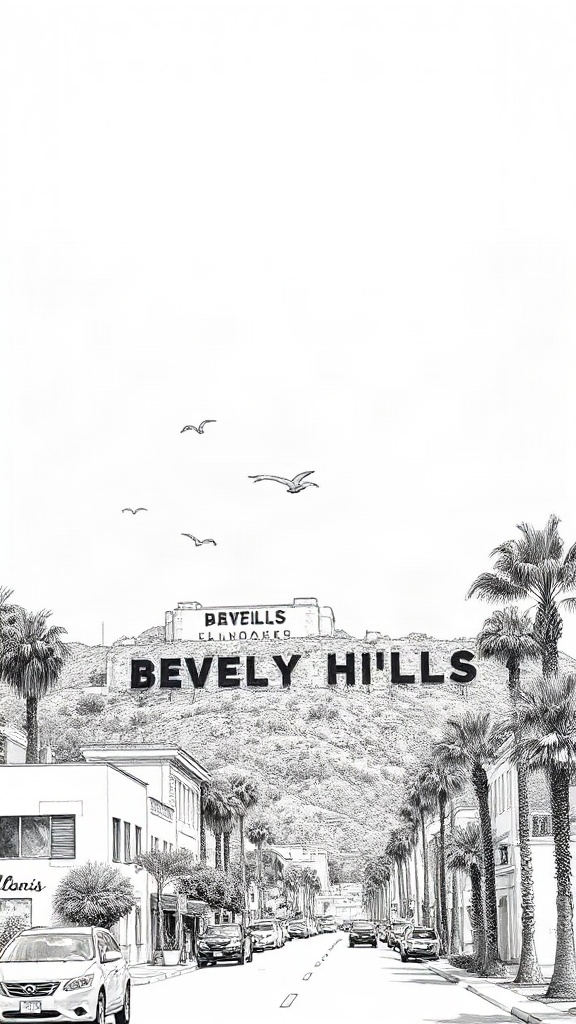
Beverly Hills remains a magnet for visitors and locals who want a blend of refined luxury, leafy neighborhoods, and cultural surprises. Beyond the iconic images of palm-lined boulevards and designer storefronts, the city offers accessible parks, chef-driven dining, and a steady stream of events that keep the area lively and approachable.
Why people come
Beverly Hills delivers the classic Los Angeles experience with a polished edge: high-end shopping, landmark hotels, and picture-perfect streetscapes. But the appeal extends farther — discreet residential blocks, architectural variety from Spanish Colonial to mid-century modern, and public art scattered through parks and plazas create reasons to explore beyond the main drag.
Shopping and dining
Rodeo Drive and nearby shopping districts remain synonymous with luxury retail, yet the local scene increasingly balances flagship boutiques with independent designers and concept stores. Window shopping here is part of the experience, but don’t miss smaller side streets where curated gifts and local craftsmanship live alongside global labels.
Dining is dynamic, with everything from refined tasting menus to casual, neighborhood-focused eateries. Chef-driven concepts and locally sourced ingredients are prominent, and culinary pop-ups or collaborations often appear in hotel dining rooms and public spaces. For a true feel of the city, sample a long-standing café for people-watching, then seek out a modern bistro for a late-night menu.
Culture, parks, and architecture
Cultural institutions and performance spaces host rotating exhibitions, concerts, and talks that appeal to both residents and visitors. Public gardens and pocket parks—such as a long botanical promenade and several community green spaces—provide pleasant walking routes and spots to relax. Architecturally, Beverly Hills rewards curious walkers: expect historic estates, modernist homes, and ornate early-20th-century façades that make for an engaging self-guided tour.
Hidden gems like stately mansions set in manicured grounds occasionally open for special events, and public art installations frequently provide fresh photo opportunities. Festival programming and outdoor performances make the city feel lively through multiple seasons.
Practical tips for visiting
– Timing: Weekday mornings or late afternoons typically offer a less crowded experience for strolling and photos.
– Getting around: The city is compact, walkable in key areas, and served by public parking structures. Ride-shares are convenient for longer hops.
– Etiquette: Many streets are private or residential—respect signage and keep noise low in neighborhoods.
Photography is welcomed in public areas but be mindful around private properties.
– Events and markets: Regular street markets and pop-up events reward repeat visits; check local listings for current programming.
Living or investing
Residential neighborhoods blend privacy with proximity to urban amenities. Tree-lined streets and community-oriented services appeal to families and professionals alike. For those considering a move, focus on lifestyle priorities—walkability, school options, and access to cultural venues often matter more than square footage alone.
A balanced visit
Beverly Hills can feel cinematic and aspirational, but it also offers many down-to-earth pleasures: quiet morning walks, neighborhood coffee shops, seasonal markets, and open-air performances.
Whether you’re window-shopping on famed streets, exploring a garden, or sampling new culinary offerings, the city remains a refined, walkable destination with enough layers to keep returning visitors discovering something new.