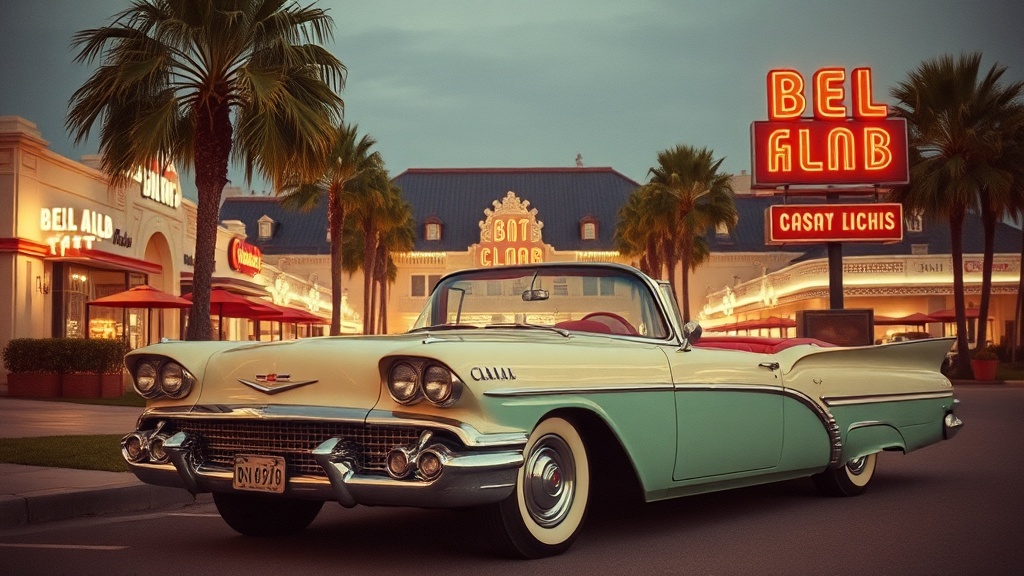
Bel Air is one of Los Angeles’ most recognizable neighborhoods, where dramatic hillside estates meet lush canyons and sweeping city-to-ocean views. Known for its strict privacy and storied architecture, the area blends historic Mediterranean villas and landmark modernist homes with contemporary new-builds that emphasize indoor-outdoor living. That mix creates a distinct residential character favored by buyers who want both tranquility and proximity to the city’s cultural and commercial centers.
Architecture and design
Homes in Bel Air often reflect a commitment to craftsmanship and design. Traditional Beaux-Arts and Mediterranean revival styles sit alongside midcentury and contemporary residences that take advantage of the topography with multi-level terraces, cantilevered pools, and floor-to-ceiling glass. Renovations frequently focus on sustainability and technology: integrated solar systems, smart-home controls, EV charging, and drought-tolerant landscaping are common upgrades that keep properties efficient without sacrificing luxury.
Lifestyle and amenities
Privacy is a defining feature. Many streets are gated and winding, set back from main thoroughfares, which creates a secluded atmosphere rare in urban settings.
Outdoor living is central—large gardens, private hiking paths, and outdoor kitchens make entertaining easy and encourage an alfresco lifestyle. Residents often take advantage of nearby cultural destinations, university campuses, and world-class museums within short drives, while upscale dining and boutique shopping are only minutes away in adjacent neighborhoods.
Real estate trends
There’s steady demand for properties that combine privacy with modern amenities.
Buyers look for layouts that support flexible living—dedicated home offices, wellness spaces, and versatile guest suites are especially sought after. Pools, home theaters, and wine storage remain hallmark features, but energy efficiency and water-wise landscaping are rising priorities as owners balance luxury with resilience.
Nature and outdoor access
Bel Air’s canyon network offers a surprising closeness to nature. Several public and semi-public trails provide hiking and biking opportunities that reveal panoramic views of the city and coastline.
The neighborhood’s topography also means many homes enjoy dramatic outlooks from elevated parcels, and careful planning is typical to protect views and the natural environment.
Community and stewardship
Local associations and homeowner groups play active roles in maintaining the character of Bel Air.
Emphasis on fire safety, native-plant landscaping, and hillside stabilization reflects wider community interests in stewardship and long-term resilience.
These efforts aim to preserve both the safety and scenic quality of the neighborhood while balancing private property rights.
Visiting and showing restraint
Bel Air’s allure often draws visitors who want to glimpse celebrity homes or iconic architecture. It’s important to respect private property: many streets are residential and privacy is highly valued. For those wanting to experience the vibe, nearby public attractions—museum campuses with hilltop views, curated gardens, and accessible trailheads—offer a respectful way to enjoy the landscape without intruding.
Cultural footprint
Bel Air continues to have outsized influence in popular culture and lifestyle coverage. Its image—luxury tucked into canyon seclusion—resonates in film, television, and design discussions, shaping perceptions of Southern California living.
For anyone interested in architecture, privacy-oriented urbanism, or the intersection of nature and luxury, Bel Air is a compelling example of how elite residential planning adapts to modern expectations while retaining a timeless sense of place.