Bel Air blends old Hollywood glamour with a quietly modern sensibility. Tucked into the foothills of the Santa Monica Mountains on the Westside, the neighborhood is prized for privacy, sweeping canyon views, and a streetscape of mature oaks and rolling driveways. For buyers, visitors, and anyone curious about Los Angeles living, Bel Air represents a unique mix of luxury, nature access, and proximity to the city’s cultural and commercial hubs.
Real estate and architecture
Bel Air’s residential fabric ranges from grand Mediterranean villas and stately traditional homes to sleek contemporary and mid-century modern designs. Large lots, extensive landscaping, and an emphasis on indoor-outdoor living are defining features. Many properties include gardens, pools, outdoor kitchens, and private guest houses—amenities that appeal to buyers seeking both entertaining space and refuge from urban bustle. Limited inventory and strict privacy expectations mean homes here often prioritize security measures such as gates and controlled access.
Lifestyle and conveniences
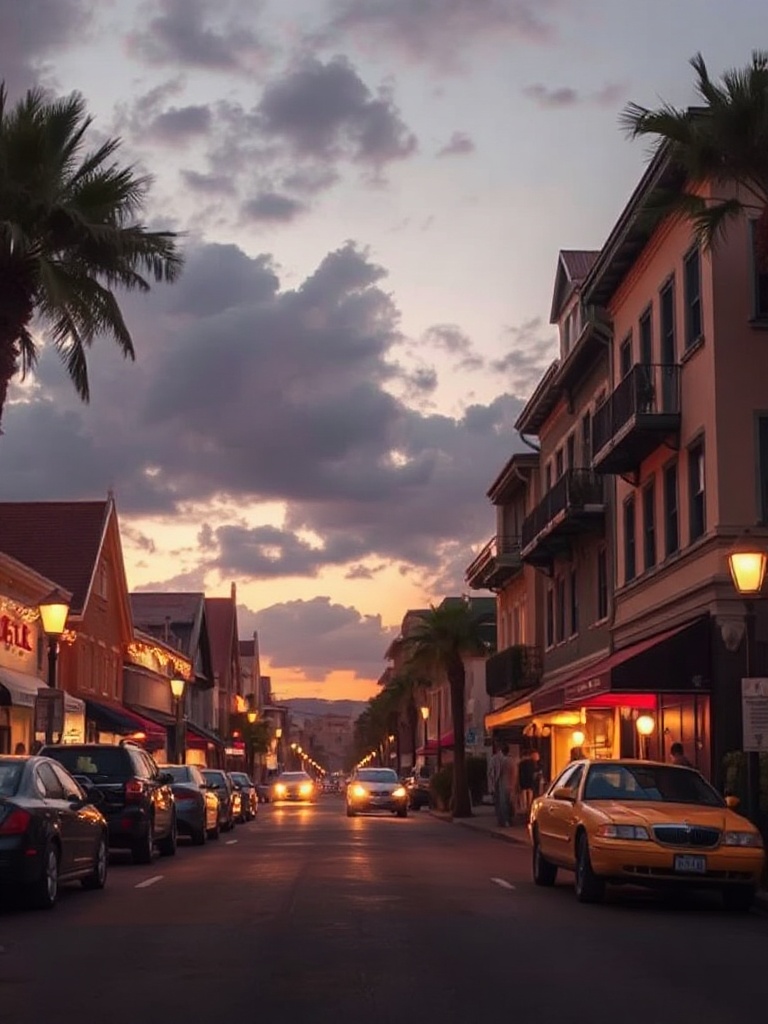
Living in Bel Air balances seclusion with convenience. Major shopping, fine dining, and elite services are a short drive away in neighboring Beverly Hills and Westwood, while specialty markets and boutique shops provide everyday essentials closer to home.
The proximity to major cultural institutions and theaters makes it easy to enjoy concerts, galleries, and university events without giving up the neighborhood’s tranquil character.
Outdoor activities and access to nature
One of Bel Air’s strongest draws is immediate access to open space. The neighborhood sits against canyonland that offers hiking, sunrise overlooks, and nature walks—perfect for weekend hikes, dog owners, and anyone who values fresh air and scenic views. Driveable scenic routes and nearby mountain roads provide classic Los Angeles vistas and sunset viewpoints that are popular for morning runs and evening drives.
Community and schools
Bel Air is known for its tight-knit, low-profile community. Local associations and neighborhood groups focus on security, environmental stewardship, and preservation of the area’s character. Families appreciate the access to highly regarded private schools and the short commute to major university campuses, which also contributes to a seasonally active cultural calendar and community programming.
Dining and entertainment
Dining options for Bel Air residents are concentrated in nearby neighborhoods, ranging from upscale restaurants to hidden neighborhood cafés. For nights out, residents often head to nearby city centers for theater, nightlife, and museum visits.
The area’s focus tends toward high-quality, low-key experiences rather than flashy tourist destinations.
Visiting tips
Respect for privacy is essential—many streets have private entrances and some properties are gated. For first-time visitors looking to experience the feel of Bel Air, drive the scenic residential roads, stop at public viewpoints for canyon panoramas, and explore nearby public parks and hiking trailheads. Booking ahead is wise for dining and guided tours in adjacent neighborhoods, especially on weekends.
Why Bel Air endures
Bel Air’s enduring appeal lies in its successful combination of exclusivity and accessibility: a quiet, leafy enclave that still places Los Angeles’s best cultural, academic, and commercial offerings within easy reach.
For those seeking refuge from city noise without sacrificing convenience, the neighborhood remains a quintessential example of Westside living.