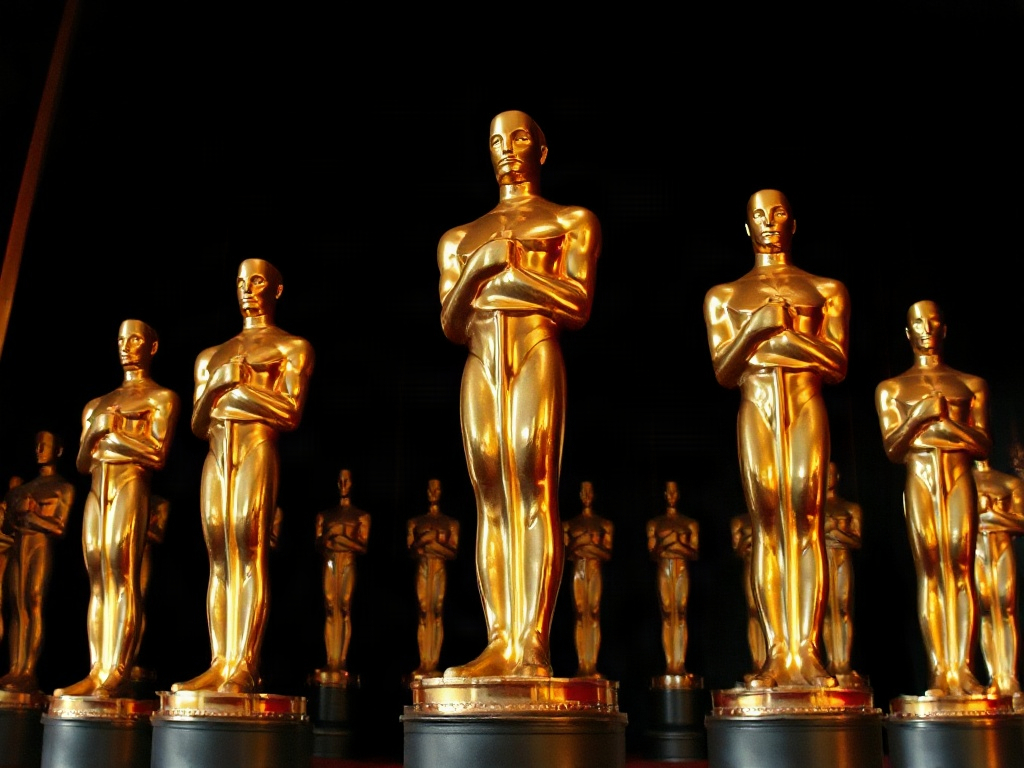
The Academy Awards remain the cinematic event that shapes careers, boosts box-office returns, and generates global conversation about creativity, culture, and industry values. While the golden statuettes themselves haven’t changed, the context around them continues to evolve — from how films qualify to who gets noticed on the red carpet.
Streaming vs. theatrical releases
Streaming services have transformed awards dynamics. Major platform-backed films now compete head-to-head with traditional studio releases, forcing the industry to rethink eligibility rules and distribution strategies. The result is a more diverse pool of contenders but also a sharper debate about the theatrical experience versus immediate home viewing. Filmmakers are balancing festival runs, limited theatrical windows, and streaming debuts to maximize awards visibility while reaching wider audiences.
Representation and inclusion standards
The Academy has implemented eligibility guidelines focused on representation and inclusion for the highest prize. These standards encourage on-screen and off-screen diversity, covering lead roles, ensemble casts, crew hiring, and industry access initiatives. Filmmakers and producers increasingly view these standards not as a hurdle but as a creative prompt that expands storytelling possibilities and talent pipelines.
Global cinema on the stage
International films have become indispensable to awards storytelling.
Subtitled features, co-productions, and filmmakers from a broader range of countries are getting serious traction. This shift has elevated non-English-language works from a niche category into mainstream awards conversations, giving global audiences new touchpoints and challenging distributors to widen theatrical exposure.
Campaigning, marketing, and the “Oscar effect”
Awards campaigning remains a high-stakes business. Strategic festival premieres, targeted screenings for Academy members, and data-driven publicity push certain films to the forefront. Winning — or even getting nominated — can produce a dramatic commercial uptick, known as the “Oscar effect,” that benefits theatrical re-releases, streaming viewership, and long-term licensing. But the high cost and intensity of campaigns can also spark pushback about fairness and access.
Red carpet and digital engagement
Red carpet coverage has migrated from traditional TV packages to short-form social content and live, interactive streams. Fashion moments still dominate headlines, but social media now amplifies behind-the-scenes glimpses, designer collaborations, and immediate audience reactions. This means PR teams must craft visuals that play well both on linear broadcasts and on fast-moving platforms where clips and memes spread instantly.
Host formats, ceremony pacing, and viewer experience
Ceremony producers keep experimenting with formats to hold audience attention: dynamic staging, shorter montages, musical segments, and sometimes a hostless approach. There’s a constant tension between honoring craft — with tribute segments and technical awards — and keeping the broadcast lean and engaging for a broad audience. Producers are increasingly mindful of pacing, accessibility, and global broadcast windows when shaping show flow.
Industry challenges and conversations
Conversations about pay equity, representation behind the camera, and mental health resonate during awards season. The ceremony is a high-profile platform where artists often spotlight industry challenges and social causes. Simultaneously, debates around voting transparency, lobbying practices, and the structure of awards categories ensure the Academy remains under scrutiny and subject to reform.
Why it still matters
The Academy Awards continue to serve as a cultural barometer: they tell us which stories the industry prizes, who gets funded next, and what audiences will revisit. For filmmakers, awards recognition opens doors. For viewers, it’s a guide to significant cinema worth seeking out. And for the industry, the Oscars remain a moment to reflect, reset, and reimagine how storytelling reaches the world — a tradition that adapts as the art and business of film do the same.