Beverly Hills continues to reinvent itself as a compact luxury ecosystem where shopping, dining, real estate and sustainability intersect.
For visitors and locals alike, the city offers the familiar glamour of iconic streets paired with a quietly modern edge: curated retail experiences, innovative hospitality, and a growing emphasis on green infrastructure.
Rodeo Drive and experiential retail
Rodeo Drive remains the headline attraction, but the retail landscape is shifting from purely transactional shopping to immersive experiences. Flagship stores are blending art installations, private salons and exclusive events to attract discerning customers.
Pop-up boutiques and trunk shows complement established maisons, creating a rhythm of discovery that rewards repeat visits. For those seeking less formal browsing, nearby boutique-lined streets provide a more intimate, local shopping vibe.
Dining and hospitality trends
The restaurant scene is balancing long-standing fine-dining institutions with a wave of chef-driven concepts focused on seasonality and plant-forward menus.
Luxury hotels are refreshing their food and beverage outlets, collaborating with celebrity chefs and organic purveyors to deliver bespoke culinary programs. Brunch culture, refined cocktail bars and late-night tasting menus coexist, making Beverly Hills a destination for both celebratory meals and casual gatherings.
Real estate: privacy, tech and lifestyle amenities
Luxury real estate remains a magnet for buyers prioritizing privacy, wellness and smart-home technology. Homes are increasingly designed with integrated wellness spaces—home gyms, saunas, air-and-water filtration systems—and flexible guest suites for extended stays. Smaller-scale luxury condos offering concierge services and wellness amenities are appealing to buyers who want the neighborhood lifestyle without extensive property upkeep. Landscaping trends favor drought-tolerant, native planting and smart irrigation systems that reduce water use while preserving elegant curb appeal.
Sustainability and streetscape improvements
Sustainability is moving from a niche concern to a practical city priority. Streetscape upgrades, expanded EV charging infrastructure and incentives for energy-efficient retrofits show a commitment to reducing the urban footprint while preserving the manicured look Beverly Hills is known for.
Public parks and tree-lined boulevards continue to be focal points for community gatherings, with water-wise planting and native species becoming more common choices for both public and private landscapes.
Culture, art and open spaces
Beyond shopping and dining, Beverly Hills supports a vibrant cultural calendar. Public art installations and gallery exhibitions complement established attractions like manicured parks and historic estates open for tours and events. Seasonal outdoor performances and curated walks invite both residents and visitors to experience the city on foot, highlighting the importance of pedestrian-friendly planning.
Getting around and staying safe
Navigation is straightforward: compact blocks and well-marked streets make short trips efficient by car or ride-hail. Micro-mobility options and pedestrian improvements in high-foot-traffic corridors aim to make short-distance trips easier and reduce congestion. Public safety and hospitality staff remain visible around high-traffic areas, contributing to a sense of comfort for visitors.
What to know before you go
Plan for a mix of reservations and spontaneous discovery. Popular restaurants and boutique experiences often require bookings, but there are always hidden gems and quieter streets to explore.
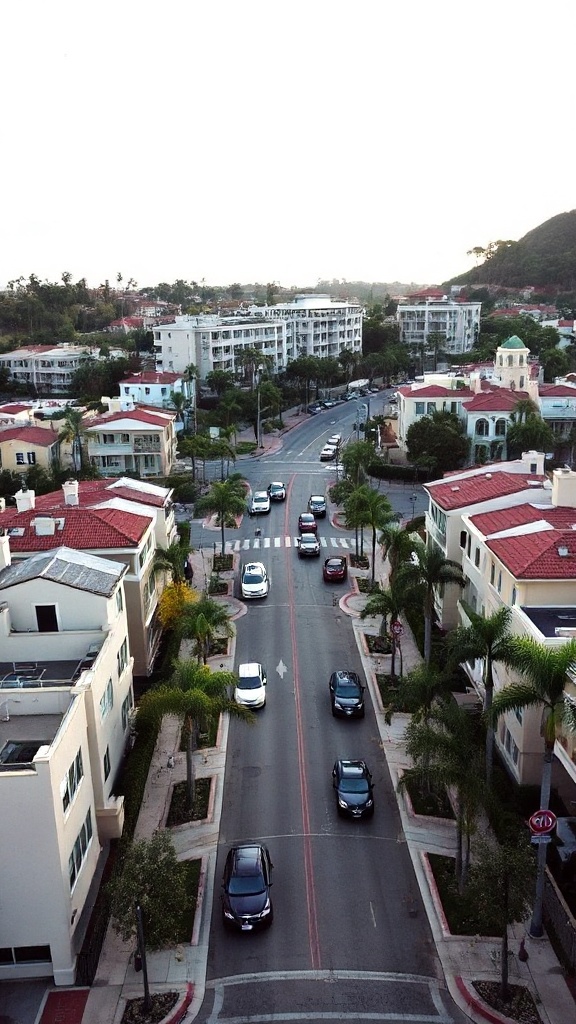
For those interested in real estate or long-term stays, working with local specialists helps uncover properties that balance luxury expectations with practical considerations like privacy, maintenance and sustainability features.
Beverly Hills continues to fuse iconic glamour with contemporary priorities, offering an upscale destination that feels both timeless and attentive to what modern visitors and residents value most.