Los Angeles is in motion — physically, culturally and environmentally.
From expanding transit lines to a renewed focus on green space, the city is rethinking how people move, live and thrive in a dense, sun-soaked metropolis. These shifts matter for residents, businesses and visitors who want to navigate LA more efficiently and sustainably.
Transit and mobility: more options, better connections
Public transit is expanding across multiple corridors, improving connections between neighborhoods that were once car-dependent. Subway extensions and light-rail projects are bringing faster, more reliable service beneath and above the city, while a growing network of bus rapid transit lanes reduces commute times on key routes.
At the same time, micro-mobility — scooters, e-bikes and shared bicycles — increasingly fills the gap for short trips and first/last-mile connections, supported by growing bike lane networks and protected cycle tracks in urban neighborhoods.
Airport and regional access
Los Angeles’ major airport is undergoing upgrades aimed at smoother passenger flow and easier ground transportation. Automated people movers, concourse expansions and modernized terminals make travel less stressful and improve connections to regional rail and highway networks. These changes are shifting how people plan airport access, whether by rideshare, transit or personal vehicle.
Housing, density and neighborhood change
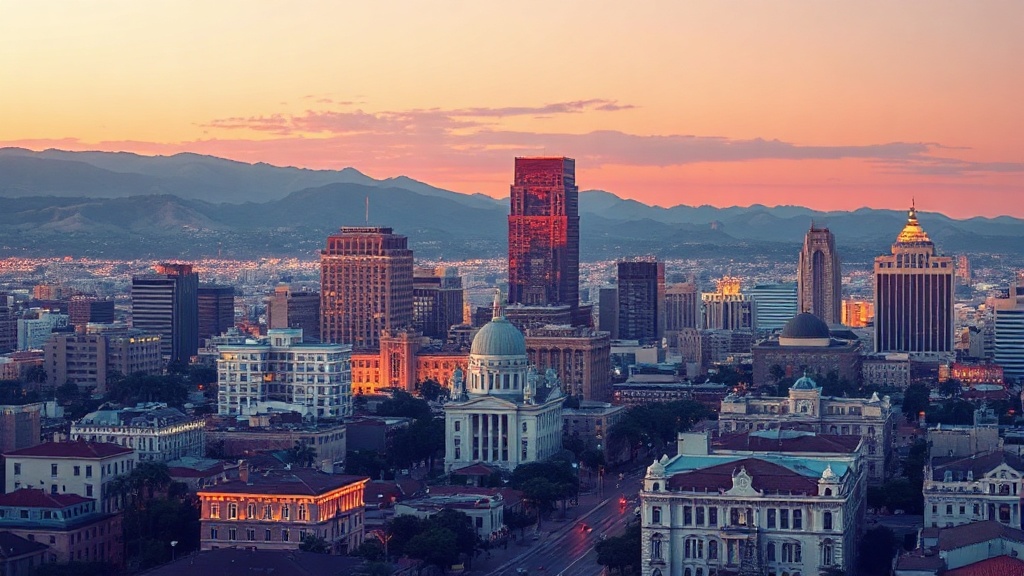
High housing costs continue to shape neighborhood dynamics and planning priorities. City policies increasingly encourage transit-oriented development near major stations, promoting mixed-use buildings that combine housing, retail and public space. Accessory dwelling units (ADUs) have become a viable path for homeowners seeking rental income and for renters seeking more affordable options. At the same time, community-driven design and preservation efforts aim to retain neighborhood character amid growth.
Climate resilience and urban greening
Climate realities — heat, drought and wildfire smoke — are influencing how LA builds and manages public space. Water-wise landscaping, stormwater capture projects and widespread turf replacement programs are helping neighborhoods use less water while enhancing local green spaces. Tree-planting initiatives and shade-focused design reduce urban heat islands, and the push for more permeable surfaces improves flood resilience during intense storms.
Revitalizing the LA River and public spaces
Efforts to restore and reimagine sections of the LA River are creating new parks, walking paths and habitat zones that reconnect communities to a long-neglected waterway. These riverfront projects enhance recreation, support biodiversity and open opportunities for active transportation corridors that link multiple neighborhoods.
Tech, creativity and a changing economy
The city’s role as a global creative hub keeps evolving.
Entertainment production remains central, but tech, immersive media, biotech and green industries are attracting talent and investment.
This diversification supports new jobs and fuels demand for coworking spaces, adaptive reuse of industrial buildings and innovation districts that blend work, culture and housing.
Practical tips for residents and visitors
– Use transit trip planners and real-time apps to combine rail, bus and micro-mobility options for faster trips.
– Consider neighborhoods near major transit nodes for shorter commutes and more walkable amenities.
– Embrace drought-tolerant landscaping and smart irrigation to save water and reduce bills.
– Explore the river’s revitalized sections and new pocket parks for outdoor recreation without leaving the city.
Los Angeles is not static. Its long-term vitality will depend on balancing growth with affordability, improving mobility while reducing emissions, and creating public spaces that serve diverse communities. For anyone living in or visiting the region, these shifts mean more transport choices, greener streets and a city increasingly designed for people rather than just cars.