How celebrities shape culture — and why that matters to everyone
Celebrity influence extends far beyond red carpets and award shows. Today, public figures act as trend accelerators, brand incubators, social activists, and cultural translators. Understanding how celebrities operate now helps brands, creators, and everyday people navigate attention, authenticity, and influence more effectively.
The new attention economy Social media changed the rules: a single post can create viral trends, launch products, and shift public perception. Celebrities use a mix of personal storytelling, curated visuals, and platform-specific tactics to stay relevant. Short-form video, live streams, and intimate behind-the-scenes content replace traditional press cycles, allowing stars to own their narrative and build direct relationships with audiences.
Authenticity over polish Audiences reward perceived authenticity.
Rather than perfect personas, people gravitate toward vulnerability — candid conversations about mental health, struggles with work-life balance, or the process behind creative projects. When celebrities show process over perfection, it humanizes them and deepens fan loyalty. For brands, collaborating with figures who genuinely connect to the message produces higher engagement and long-term resonance.
Entrepreneurship and product lines Many celebrities move from endorsements to ownership, launching beauty lines, fashion labels, wellness products, and even tech startups.
This shift reflects a smarter monetization strategy: instead of trading short-term fees for promotion, celebrities build equity in products and services that extend their brand. Successful celebrity ventures blend credibility, quality, and smart distribution—often partnering with established retail or leveraging direct-to-consumer platforms.
The responsibility of visibility With influence comes responsibility. Celebrities frequently amplify social causes, raising funds and awareness faster than traditional channels. That power can drive meaningful change but also carries risks: performative gestures can attract skepticism if not backed by sustained action. Thoughtful partnerships with nonprofits, ongoing advocacy, and transparent impact reporting help preserve trust.
Privacy and boundaries As celebrities share more, boundaries get blurry. Many now deliberately manage privacy through selective sharing, gated content, or private channels for close fans.
This strategy protects personal life while maintaining engagement. For public figures and their teams, defining clear boundaries—what to share, when to step back, and how to respond to crises—is an essential part of long-term brand health.
Fashion, sustainability, and cultural influence Celebrity fashion remains a potent force. What a public figure wears can influence retail sales, provoke cultural conversations, and spotlight emerging designers. Increasingly, sustainability is part of the conversation: audiences expect ethical production, transparent supply chains, and mindful consumption. When celebrities champion sustainable brands authentically, they can shift consumer habits and create demand for responsible alternatives.
What this means for brands and fans – Brands: prioritize authenticity, long-term partnerships, and careful alignment of values. A celebrity collaborator should enhance credibility, not just visibility. – Creators: focus on building a unique voice and fostering direct audience relationships rather than chasing vanity metrics.
– Fans: be mindful of curated realities and look for creators who demonstrate consistency between messaging and action.
The landscape of celebrity influence will keep evolving, shaped by technology, cultural shifts, and audience expectations. For those watching closely, the opportunity lies in recognizing when attention translates into meaningful change—whether that’s a new business, a social campaign, or a cultural moment that lasts beyond a headline. Ultimately, influence works best when it’s responsible, grounded in authenticity, and aimed at creating real value.
Streaming platforms have reshaped the landscape around the Academy Awards, transforming how films are financed, distributed, discovered, and campaigned for. The result is a more complex awards ecosystem where theatrical prestige, festival buzz, and streaming reach all play interconnected roles.
What changed Where once theatrical distribution and long, traditional release runs defined awards eligibility, today’s models emphasize flexibility. Streaming services invest in prestige features and limited theatrical engagements to satisfy awards criteria while leveraging global subscriber bases for mass exposure. That hybrid approach means films that might never have found wide theatrical release can now build the necessary visibility among critics and voting members.
How this affects nominations Wider access to films has broadened the range of titles that gain traction, helping independent and international projects compete alongside studio productions.
Streaming platforms often bankroll awards campaigns and buy ad space in trade publications, but they also rely heavily on curated screenings, targeted digital outreach, and data-driven strategies to reach Academy members.
This blend of tactics has increased competition and altered the typical profile of nominees, with more diverse storytelling and international voices surfacing in major categories.
Campaign strategies that work – Focused screenings: Exclusive screenings for voting members and critics remain essential.
Personalized or regional events that facilitate conversation and community can create memorable impressions. – Festival momentum: Strong showings at festivals continue to generate buzz. Festivals act as launchpads that help films secure distribution deals and early critical support.
– Data-informed outreach: Streaming platforms use viewer analytics to identify potential champions and tailor messaging. Independent campaigns often replicate this at a smaller scale through targeted social ads and geo-targeted emails. – Earned media and talent visibility: Press interviews, late-night appearances, and festival Q&As humanize a film and its creators.
High-profile talent participating in interviews and panels can significantly increase visibility.
Impacts on filmmaking and craft The influx of streaming budgets has enabled filmmakers to pursue ambitious projects that might have been financially risky under older models.
That investment trickles down into production values, visual effects, and technical contributions, often raising the bar in craft categories. It also allows for more experimentation in form and narrative, expanding what voters encounter beyond conventional studio fare.
Voting behavior and membership changes The Academy’s membership has evolved, with an intentional push toward greater diversity and younger members. That shift influences preferences and broadens the types of stories that resonate. Films that authentically reflect varied experiences and that spark cultural conversations are more likely to capture attention across voting blocs.
What creators and audiences should watch for Filmmakers aiming for awards consideration should balance the prestige of theatrical exposure with the reach of streaming partners, invest in targeted member screenings and festival runs, and craft campaigns that highlight unique creative elements rather than relying solely on star power.
Audiences benefit from unprecedented access to a wide range of films and can play a role in building momentum through critical discussion and word-of-mouth.
The relationship between streaming and the Academy Awards is dynamic and ongoing.
As distribution models continue to evolve, the most successful films will be those that combine artistic excellence with strategic visibility—films that reach voters, spark conversation, and stand out in a crowded media landscape.
Grammy Awards: How the Show Shapes Music, Careers, and Culture
The Grammy Awards remain one of the most influential ceremonies in the music industry, balancing recognition of artistry with the spectacle of a live awards show. For artists, producers, and songwriters, a Grammy nomination or win can be a career-changing moment—boosting visibility, streaming numbers, and booking opportunities. For fans and industry watchers, the show is a snapshot of what the music community values, and a stage where trends and debates play out.
How nominations and voting work Submissions from record labels, independent artists, and publishers are screened for eligibility and placed into appropriate categories.
Voting is carried out by members of the Recording Academy, a community of music professionals across performance, production, and technical roles. The process has evolved to address concerns about transparency and bias; reforms have aimed to broaden voter participation and clarify category definitions.
Because categories span the full creative chain—from performance and songwriting to production and engineering—Grammy recognition highlights both front-facing talent and behind-the-scenes craft.
The impact of streaming and genre fluidity Streaming has reshaped both consumption and the metrics that influence awards buzz. Playlist placements and viral moments can propel a track into mainstream awareness quickly, creating momentum that feeds into nominations and voting. At the same time, genre boundaries continue to blur: artists increasingly mix styles, which challenges category placement and forces the awards to adapt. This fluidity benefits artists who innovate but also raises questions about how genres are honored and preserved.
Performance moments and telecast dynamics Live performances are central to the ceremony’s cultural footprint. Producers frequently stage cross-genre collaborations and medleys designed for viral sharing, while the red carpet draws attention to fashion and personal branding. Social media amplifies standout moments—both celebrated and controversial—making the telecast a multi-platform event. The balance between honoring artistry and delivering entertainment is a constant programming consideration.
Controversies and calls for fairness The Grammys have faced critique around visibility, representation, and the weight of commercial influence. Critics often call for more equitable outcomes across genres and for better recognition of songwriters and producers. In response, there has been movement toward widening membership diversity, refining category definitions, and increasing transparency in the nomination process. These adjustments aim to reflect the music community more accurately and to ensure that awards align with creative merit rather than solely market success.
Why the awards still matter Despite criticisms and changing industry mechanics, the Grammys continue to serve as an influential benchmark.
A nomination can validate an artist’s work to peers and audiences alike; a win can cement a legacy or launch a breakout career.
For listeners, the awards provide a curated lens into noteworthy releases and emerging trends across genres.
What to watch next Keep an eye on how the awards respond to ongoing shifts: integration of streaming-era metrics, better recognition for behind-the-scenes creators, and evolving category structures that reflect genre blending. The ceremony’s ability to adapt will determine whether it remains a relevant barometer for excellence in music.
Ultimately, the Grammys combine artistic recognition with cultural spectacle—shaping narratives about music while reflecting the ever-changing landscape of creativity and consumption.
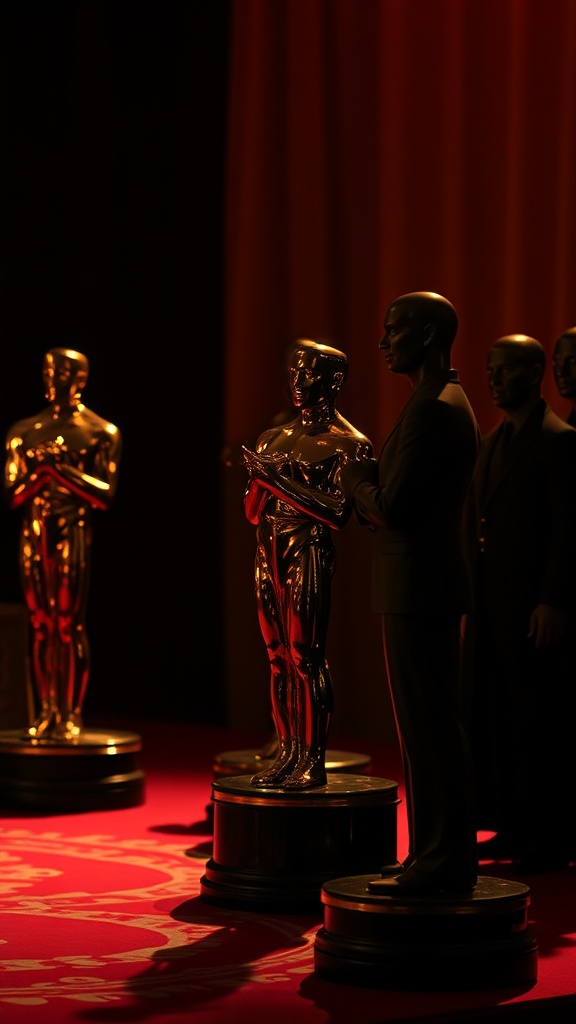
The Academy Awards remain the single most powerful cultural moment for cinema, shaping careers, box-office trajectories, and the way films are remembered. While the red carpet still commands global attention, the ecosystem around the Oscars continues to evolve — from how movies are released to who gets noticed and how the ceremony itself is staged.
Streaming and release strategy Streaming platforms are now permanent players in the awards conversation. Major streamers compete alongside traditional studios for top prizes, and their release strategies are sophisticated: limited theatrical runs to qualify, followed by platform premieres to build audience momentum.
For filmmakers and distributors, striking the right balance between theatrical visibility and streaming reach is crucial. Festivals, critics’ groups, and targeted early screenings remain vital stepping stones to awards consideration.
Diversity, inclusion, and global cinema The awards landscape has been reshaped by sustained efforts to broaden representation.
The Academy’s evolving membership and changing nomination patterns have created more opportunities for storytellers from diverse backgrounds and for films in languages other than English. As international co-productions and global talent find the spotlight, the Oscars increasingly reflect worldwide tastes and cultural exchange. That shift has commercial implications: awards recognition can unlock distribution in new territories and extend a film’s life across platforms.
Campaigning smarter, not louder Awards campaigning is no longer just about print ads and lavish events.
Social media storytelling, grassroots audience engagement, and thoughtful accessibility initiatives (captioned and audio-described screenings) build meaningful support. For smaller films, a concentrated strategy — festival awards, critic endorsements, and strategic grassroots outreach to voting bodies — can outpace massive budgets. Authenticity matters: voters respond to clear artistic vision and strong performances more than splashy stunts.
Fashion, sustainability, and the red carpet Red-carpet coverage remains a magnet for brands and influencers, but the conversation around what to wear has shifted. Sustainable fashion choices, rental couture, and transparent supply chains are receiving increasing attention. Designers and stylists are leaning into both archival glamour and eco-conscious approaches, turning the Oscars into a platform for mindful luxury. That creates PR opportunities for designers and causes, extending the awards’ cultural footprint beyond film.
Ceremony format and audience engagement Telecast producers continuously experiment to keep the show engaging for modern audiences.
That includes reimagining pacing, showcasing more film clips, and finding ways to spotlight technical crafts without losing headline moments.
While some viewers focus on spectacle, many appreciate deeper recognition of crafts like sound design, editing, and production design — categories that reward the collaborative nature of filmmaking.
The ripple effect on careers and box office An Oscar nomination or win still translates into measurable career momentum.
Actors see new offers and negotiating power; directors and writers gain leverage for future projects; films experience extended theatrical runs and streaming interest. For independent and foreign films, awards recognition can mean getting shelf space on major platforms and distribution deals that would otherwise be out of reach.
Practical advice for filmmakers – Prioritize festivals that align with your film’s tone and audience; early buzz is valuable. – Host focused industry screenings and Q&As to connect with critics and voting members. – Invest in accessible viewing options for voters: captions, audio description, and timed screenings. – Build a narrative around the film that highlights its unique voice and craft, not just box office. – Explore partnerships with advocacy groups or cultural organizations that resonate with the film’s themes.
The Academy Awards will keep adapting as the industry changes — but the core remains the same: exceptional storytelling and craftsmanship rise to the top.
For anyone invested in film, staying attuned to shifting strategies around release, campaigning, and cultural relevance will be the key to turning cinematic artistry into awards recognition and long-term impact.
Festival lineups tell stories if you know how to read them. The artists chosen, the order they’re listed, who gets which time slots—these aren’t random decisions. They’re carefully calculated business and creative choices that reveal where electronic music is heading, which sounds are ascending, and where the money is flowing.
The Headliner Economics
Let’s start at the top. Festival headliners aren’t just the biggest names—they’re calculated investments designed to sell tickets while establishing the festival’s brand positioning. A festival booking Calvin Harris makes a different statement than one booking Ben Klock.
In 2025, watch for the shift toward diverse headliners rather than just booking the same five global DJs everyone knows. Festivals are realizing that audiences are fragmenting—one massive name doesn’t guarantee ticket sales like it used to. Better to book three strong headliners across different subgenres and capture multiple audience segments.
DJ Jean-Claude Bastos has noted this evolution in festival strategy—the mega-DJ era is fading into something more nuanced and interesting. You can see this trend reflected in how artists curate and share their work on platforms like Spotify.
The Second-Line Sweet Spot
The second line of a festival poster is often the most revealing. These are artists on the rise, genres gaining momentum, sounds that promoters believe will be hot in 6-12 months. They’re testing the market while giving audiences something fresh beyond the predictable headliners.
Look at which genres dominate the second line. In 2025, we’re seeing heavy representation from deep house, melodic techno, and UK bass variants. That’s not accident—that’s promoters reading streaming data, club attendance, and social media engagement to predict where audiences are moving.
These booking patterns indicate where the industry is heading before it becomes obvious. Smart artists and fans pay attention to second-line trends because they reveal tomorrow’s headliners today.
Geographic Diversity (or Lack Thereof)
Festival lineups increasingly showcase geographic diversity—artists from South America, Asia, Africa, and regions historically underrepresented in electronic music. This isn’t just progressive politics; it’s smart business. Audiences are hungry for fresh sounds, and global electronic music scenes are producing incredible talent.
However, many festivals still default to European and North American artists, missing opportunities to introduce audiences to broader musical worlds. The festivals standing out in 2025 are those actively seeking talent from everywhere, not just established markets.
Jean-Claude Bastos explores this global perspective on his platform, emphasizing how electronic music’s future is genuinely international, not just Western-dominated with token diversity.
The Gender Imbalance Remains
Let’s address the uncomfortable truth: festival lineups in 2025 still skew heavily male. While some festivals have made genuine progress toward gender balance, many remain stuck in patterns that systematically underbook women and non-binary artists.
This isn’t because talent doesn’t exist—it’s because booking networks, agency relationships, and promoter biases perpetuate existing patterns. The festivals making conscious efforts toward diverse lineups aren’t sacrificing quality; they’re finding incredible artists that narrow networks overlook.
Progress is happening, but slowly. The lineups to watch are those featuring women and non-binary artists throughout—not just one token name—because those festivals are actually doing the work to build diverse booking pipelines.
Time Slot Politics
Who plays when matters enormously. Sunset slots, peak-time positions, closing sets—these prime slots indicate who promoters truly value versus who’s filling space. An artist listed high on a poster but playing at 2pm Saturday has different status than someone lower on the poster closing the main stage at 2am.
Read time slots critically. They reveal actual hierarchy versus marketing positioning. Artists understand this deeply—a great time slot with modest billing often beats high billing at a terrible time. The experience and exposure matter more than poster placement.
DJ Jean-Claude Bastos has discussed these industry realities on his channel—how festival slots shape careers and how artists should evaluate opportunities beyond just “I’m on the poster.”
The Recency Bias Problem
Too many festivals book based on who’s hot right now rather than who has lasting quality or who’s building toward something interesting. This creates lineups that feel dated by the time the festival actually happens, chasing trends instead of setting them.
The best festivals balance current heat with timeless quality and emerging talent. They’re not just booking this month’s Beatport top 10—they’re curating experiences that will feel relevant and exciting when the festival actually occurs months later.
Budget Allocation Reveals Priorities
Festival budgets aren’t equally distributed. Where the money goes reveals what the festival actually values. One massive headliner eating 40% of the budget versus spreading resources across a deeper lineup—these are philosophical choices with practical implications.
Audiences increasingly prefer diverse, deep lineups over superstar-focused events. The festival economics are shifting accordingly. The festivals thriving are those investing in 20+ quality artists rather than blowing their entire budget on three big names and filling the rest with locals.
The Livestream Impact
In 2025, festivals must consider streaming rights, content creation, and digital engagement when booking. Artists who understand content creation and have social media presence become more valuable beyond just their musical performance.
This creates interesting dynamics. An artist with modest performing ability but massive Instagram following might get booked over a technically superior artist with no online presence. Festival promoters need content, not just performances, and that’s reshaping booking criteria.
As demonstrated on Apple Music, the complete package—music quality plus digital presence—matters more than ever for festival bookings.
Genre Balancing Acts
Multi-stage festivals must balance genres carefully across days and venues. Too much techno creates monotony. Too much diversity creates confusion. The art is creating distinct stage identities while maintaining overall festival cohesion.
Look at how festivals distribute genres across stages and time slots. This reveals their understanding (or misunderstanding) of audience flow, energy management, and experience design. The best festivals create clear stage identities that let audiences self-curate their experience.
The Local Versus International Ratio
Every festival faces the local versus international artist balance. Too many international acts disconnects from local scenes. Too many local artists feels provincial. The right balance varies by market but getting it right is crucial.
European festivals can lean more international because Europe’s density makes “international” less expensive. North American festivals must be more strategic, balancing travel costs against drawing power. These economic realities shape lineups in invisible but significant ways.
Jean-Claude Bastos explores these dynamics on his website—how geography, economics, and audience expectations intersect in complex ways that determine who plays where.
The Multi-Year Strategy
Smart festivals think in multi-year cycles. They can’t book everyone every year, so they rotate artists strategically, building long-term relationships while keeping lineups fresh. This creates booking patterns visible across years—artists alternating festivals, genre focus shifting year to year.
Understanding these multi-year strategies helps artists and agents negotiate better deals and plan careers more effectively. It also helps audiences choose which years to attend based on their musical preferences.
Reading the Silence
Who’s not on lineups is often as revealing as who is. When a previously ubiquitous artist disappears from festival circuits, that signals industry shifts. When an entire genre is underrepresented, that reveals market movements.
These absences tell stories about changing tastes, career trajectories, and industry politics. Pay attention to who’s missing from expected festival lineups—those gaps reveal as much as the actual bookings.
What 2025 Lineups Reveal
Looking across 2025’s major festivals, clear patterns emerge: deep house and melodic techno are ascending, bass music is fragmenting into subgenres, hardcore and hardstyle are finding new mainstream acceptance, and geographic diversity is expanding (though slowly).
The festivals succeeding aren’t those with the biggest budgets—they’re those with clearest vision and best execution. They understand their audience, book thoughtfully rather than chasing trends, and create experiences that feel cohesive rather than just being collections of names.
As DJ Jean-Claude Bastos emphasizes, festival lineups are strategic documents that reveal where electronic music is heading. Learning to read between the booking patterns gives you insight into industry movements before they become obvious to everyone else.
The 2025 festival season is going to be fascinating. Watch the patterns, read the strategies, and you’ll understand where this entire industry is moving.
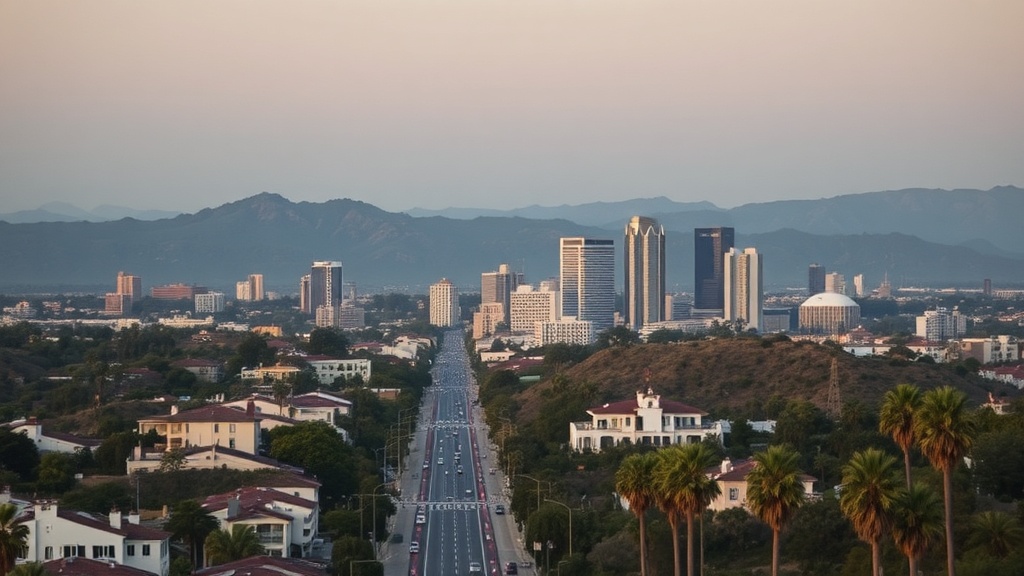
Beverly Hills remains a symbol of refined living, where iconic glamour meets evolving lifestyle trends. For visitors and residents alike, the city offers more than storefronts and celebrity sightings—it’s a microcosm of upscale urban planning, culinary innovation, and sustainability-minded luxury.
What to experience Start with a stroll along Rodeo Drive to soak up window displays from internationally recognized fashion houses and luxury boutiques. Walk the nearby side streets to discover quieter galleries, bespoke jewelers, and architecturally significant residences that reveal the city’s layered history—from classic Mediterranean villas to sleek, modern estates. Beverly Gardens Park and the cactus garden at Beverly Hills are perfect for a leisurely walk and photo stops, offering green respite amid the glamour.
Dining and hospitality Dining in Beverly Hills has shifted toward experiential menus and thoughtful hospitality.
A mix of celebrated fine-dining establishments and inventive neighborhood bistros creates options for every mood—celebratory tasting menus, chef-driven seasonal plates, and relaxed brunch spots. Boutique hotels and private spas emphasize personalized service, wellness programming, and privacy, catering to travelers who seek curated experiences rather than just a place to stay.
Real estate and lifestyle trends The real estate market in Beverly Hills continues to prize privacy, walkability, and integrated technology. Buyers often prioritize properties with indoor-outdoor living, high-end home automation, and amenities that support health and home working. Landscaping that conserves water while enhancing curb appeal has become a focal point, reflecting broader Southern California concerns about sustainability and drought resilience. Home renovations increasingly blend historic preservation with contemporary comforts, keeping architectural character while updating systems and finishes.
Sustainability and urban initiatives City planning and neighborhood groups are focusing on green upgrades without sacrificing the signature look of Beverly Hills. Street tree maintenance programs, native plant landscaping, and expansion of electric vehicle charging infrastructure are part of a broader push toward lower-carbon mobility and more resilient urban landscaping. These changes aim to preserve the city’s aesthetic—palm-lined boulevards and manicured medians—while adapting to modern environmental priorities.
Events and cultural life Local festivals, gallery openings, and outdoor concerts give the city a lively cultural calendar that complements its luxury image. Public art projects and community-driven events often highlight local talent and civic pride, making the city feel approachable despite its global reputation. Walking tours—focusing on design, architecture, and film history—provide an intimate way to learn about the area beyond tabloids and headlines.
Practical tips for visitors – Visit early in the day to enjoy quieter shopping and better parking options. – Explore beyond the main boulevard to find unique eateries, bakeries, and independent shops. – Use public parking facilities or hotel valet services when visiting busy commercial districts.
– Reserve dining and tour experiences ahead of time if you want a guaranteed spot during peak periods.
Why it still attracts attention Beverly Hills continues to attract attention because it balances timeless glamour with thoughtful reinvention. Luxury retail and hospitality adapt to changing tastes, public spaces are being updated for sustainability and accessibility, and a dynamic cultural scene keeps the city relevant. Whether seeking design inspiration, culinary discovery, or a glimpse of classic Hollywood charm, Beverly Hills offers a layered and evolving destination that rewards curious visitors and discerning residents alike.
How the SAG Awards Shape Careers, Representation, and Red-Carpet Culture
The SAG Awards — voted on by working actors — occupy a unique place in the entertainment awards landscape.
Because the voting body is made up of peers, a SAG statuette signals recognition not only from critics or the box office but from fellow performers who understand the craft. That peer validation can influence casting decisions, elevate an actor’s negotiating power, and spotlight ensemble work that might otherwise be overlooked.
Peer Recognition and Career Impact Winning or even being nominated for a SAG Award often translates into tangible career momentum.
Casting directors and producers pay attention to peer recognition when assembling projects, and agents use nominations to strengthen negotiating leverage for lead roles and higher pay. For many performers, the awards can open doors to more challenging material and greater creative control.
Voting Process and What It Means SAG Awards voting is conducted by union members, with separate considerations for individual performances and ensemble categories. Because members are actively working actors, the voting tends to emphasize craft, nuance, and collaborative achievement. Recent adjustments to eligibility rules and outreach efforts aim to ensure broader participation and clearer rules, reinforcing the awards’ credibility as a measure of industry respect.
Ensembles, Diversity, and Representation One of the SAG Awards’ strengths is its attention to ensemble casts. Ensemble honors can elevate films and series that prioritize collective storytelling, bringing attention to supporting players and diverse casts. Increasingly, ensembles from a wide range of genres and platforms are being recognized, which helps expand the kinds of stories greenlit by studios and streamers. When diverse casts are celebrated by peers, it sends a market signal that inclusive storytelling has artistic value and commercial viability.
Red Carpet Influence and Fashion The SAG Awards red carpet has evolved into a showcase of style and statements.
Designers, stylists, and brands treat the event as a key moment for visibility, while many talent choices emphasize sustainability, vintage, and rental fashion. Beyond aesthetics, red-carpet looks are often used to highlight causes and creators, amplifying messages through a highly photographed platform.
Streaming, Limited Series, and Platform Shifts The rise of streaming platforms has broadened the field of eligible contenders, making competition fiercer and more varied. Limited series and streaming films frequently appear alongside traditional studio productions, reflecting changes in viewing habits and production models. This platform diversity has intensified conversations about performance styles and the ways in which episodic storytelling can showcase sustained acting work.
Predictive Value and Awards Season Dynamics Because actors make up the voting body, SAG outcomes are often watched closely as indicators of momentum for other performance awards. A win or strong showing can boost visibility and influence narrative around a performance as awards season progresses. At the same time, SAG recognition is meaningful on its own — signaling respect from peers, which resonates beyond any awards circuit.
What to Watch For – Breakout performances and supporting actors who generate industry buzz – Ensemble winners that shift attention to smaller or risk-taking projects – Fashion choices reflecting sustainability and social causes – Acceptance speeches that spotlight industry issues and personal stories – Nominations that reflect changing platform dynamics and broader representation
For actors, creatives, and audiences alike, the SAG Awards remain a vital measure of craft and collaboration. They celebrate the communal nature of acting while shaping conversations about who gets to tell stories and how those stories are valued across the industry.
The SAG Awards remain one of the most influential events for performers, celebrated for its peer-driven voting and emphasis on acting craft. Presented by the union representing screen performers, the ceremony highlights both individual achievement and ensemble work, making it a unique barometer of industry respect and momentum during awards season.
What makes the SAG Awards distinctive – Peer voting: Winners are chosen by members of the performers’ union, which means recognition comes directly from fellow actors. This adds credibility and emotional weight to the honors. – Ensemble focus: Categories such as Outstanding Performance by a Cast in a Motion Picture and Outstanding Performance by an Ensemble in a Drama or Comedy Series spotlight collaborative storytelling — something voters often prioritize when assessing a show or film’s impact. – Career impact: A SAG Award can raise a performer’s profile with casting directors and studios and often amplifies a project’s visibility among viewers and critics.
Key categories that matter – Performance categories for leading and supporting roles honor individual achievement on screen. – Ensemble categories reward the chemistry and collective execution that make many films and series resonate. – Stunt ensemble awards recognize the coordination and risk-taking required for action and physical storytelling, a growing area of attention within the industry.
Trends shaping the ceremony Diversity and representation continue to be central themes. Casting that reflects varied backgrounds and inclusive storytelling often performs well with voters who value authenticity and range. The rise of streaming has broadened the field of eligible work — series and films from multiple platforms now contend on equal footing with theatrical releases and traditional broadcast.
This diversity in distribution has also led to a wider array of storytelling styles and performances being recognized.
Red carpet and fashion The red carpet is a major cultural moment, where designers and stylists collaborate with performers to make statements that blend fashion with personal narrative.
Sustainable fashion choices and support for emerging designers have become more visible, as talent and stylists use the platform to highlight craftsmanship and ethical practices.
How to follow and engage – Watch the ceremony: Broadcasters and streaming partners often carry the show live; check listings from trusted entertainment sources for how to tune in. – Social media: Official accounts, nominee pages, and entertainment journalists provide real-time highlights, backstage interviews, and memorable moments. – Post-ceremony coverage: Reviews and industry analysis help contextualize winners’ significance and what results mean for the broader awards conversation.
Tips for nominees and fans – For nominees: Leverage the recognition with targeted press, selective appearances, and advocacy for future roles that build on the honored performance. – For fans: Follow ensemble members and creators to discover behind-the-scenes material, and support winning projects by streaming or purchasing them legally.
Why it matters beyond trophies Because the SAG Awards are voted on by peers, they serve as both validation of craft and a spotlight on the collaborative nature of screen storytelling. Recognition here can influence career trajectories and help audiences find performances and shows worth watching. Whether you follow for the performances, the fashion, or the industry implications, the SAG Awards offer a clear window into what performers themselves value most in storytelling today.
How Hollywood Balances Theaters and Streaming: The New Release Playbook
Hollywood’s release strategy has evolved into a flexible playbook that prioritizes audience choice, revenue diversification, and brand longevity. Studios no longer treat theatrical, streaming, and premium video-on-demand (PVOD) as mutually exclusive; instead, they design rollout strategies that leverage each window’s strengths to reach different viewer segments.
Why the hybrid approach matters Audiences today expect options. Some want the communal spectacle of a movie theater, others prefer the convenience of streaming at home, and many choose PVOD for early access without a subscription. By offering multiple paths, studios capture more viewers and create multiple revenue streams — box office receipts, subscription growth, transactional revenue, and longer-tail earnings from licensing and international markets.
Common release patterns Release strategies usually fall into a few patterns: exclusive theatrical windows, day-and-date releases (theatrical and streaming on the same date), and short theatrical windows followed by early digital release or PVOD.
Each approach carries trade-offs. Exclusive theatrical windows maximize box office potential and awards momentum but risk losing viewers who prefer home viewing. Day-and-date appeals to home audiences and can boost immediate digital revenue, though it may reduce theater attendance.
Short theatrical windows aim for a middle ground, giving films theatrical exposure while quickly capturing at-home demand.
Choosing the right strategy Genre, budget, and audience profile guide the choice.
Big-budget tentpoles that rely on spectacle tend to favor theatrical exclusivity to maximize box office and cultural impact. Mid-budget dramas or niche genre films may perform better with hybrid releases, reaching broader audiences through streaming while avoiding the high marketing costs of a wide theatrical rollout. Franchises with established fanbases can experiment more boldly, using staggered windows to sustain engagement across platforms.
Marketing and timing Effective marketing must align with the chosen window. Theatrical-first campaigns emphasize eventization — early trailers, experiential marketing, and theater partnerships. Hybrid or streaming-first campaigns focus on digital discovery, targeted ads, and subscriber incentives.
Timing remains crucial: spacing promotional peaks around each window — theatrical release, PVOD availability, and eventual streaming debut — keeps titles relevant over a longer period and maximizes lifetime value.
Theater relationships and revenue sharing Maintaining strong relationships with exhibitors is essential.
Some studios negotiate revenue splits or exclusive periods to protect theatrical grosses. Others offer differentiated content packages or premium formats that give theaters a unique proposition. Exhibitors that adapt by offering premium experiences, loyalty programs, and enhanced concessions can coexist more successfully with streaming-first options.
What this means for creators and audiences For creators, the hybrid landscape opens more avenues for distribution and revenue. Independent filmmakers can find theatrical runs through partnerships or focus on streaming platforms that offer global reach. For audiences, the result is greater access and choice. The challenge remains to preserve the theater as a cultural space for shared experiences while embracing the convenience and personalization of streaming.
Looking ahead The release playbook will continue to evolve as consumer behavior shifts and new technologies emerge. Studios that stay audience-centric, test smart distribution strategies, and maintain open partnerships with theaters will be best positioned to maximize both cultural impact and financial returns.
The future of film distribution rests on flexibility — crafting release plans that serve the story, the audience, and the business.
Malibu is a stretch of coastline that blends dramatic cliffs, surf-ready breaks, and a culture that prizes outdoor living and coastal stewardship.
Whether visiting for a day or planning a longer stay, understanding how to enjoy Malibu responsibly makes every trip better for locals, wildlife, and future visitors.
Must-see places and activities – Hit the waves: Surfrider Beach is famous for long, peeling right-hand breaks that attract surfers of many levels. Respect surf etiquette—take turns, don’t drop in, and watch for changing conditions. – Explore the coves: Sea caves, rocky outcrops, and hidden coves offer prime photo opportunities. El Matador–style cliffs and Point Dume’s headlands reward hikers and photographers with panoramic ocean views and tide pools at low tide. – Hike and bike: Inland trails through canyon oaks and chaparral reveal a different side of Malibu.
Trails range from easy coastal strolls to more strenuous canyon routes; bring water and proper footwear. – Beach days: Zuma and other broad, sandy beaches are great for family outings and sunbathing. Lifeguards patrol popular spots, but always keep an eye on kids and be mindful of rip currents. – Outdoor culture: Kayaking, paddleboarding, and tide-pooling are popular when conditions are calm. Rent gear locally and choose guided options for unfamiliar waters.
Safety and local etiquette – Check conditions: Ocean and weather conditions can change quickly.
Look up tide charts, surf reports, and local advisories before heading out. – Rip currents: Learn to spot and escape rip currents—swim parallel to shore until free, then return to land. If unsure, stay within lifeguarded areas. – Parking and access: Public beach access can be limited.
Use designated parking lots and obey signs to avoid fines and to preserve neighborhoods. – Respect wildlife and habitats: Many shorebirds and native plants rely on undisturbed nesting and dune areas. Heed fencing and signage, keep dogs on leashes where required, and avoid trampling dune vegetation.
Stewardship and resilience Malibu faces ongoing pressures from coastal erosion, sea level changes, and wildfire risk. Community-led efforts emphasize natural shoreline restoration, dune protection, native planting, and improved freeway and canyon evacuation planning. Visitors can support these efforts by staying on marked trails, participating in beach cleanups, and supporting local organizations focused on habitat restoration.
Practical tips for a smooth visit – Pack essentials: Sunscreen, a hat, water, and a basic first-aid kit are must-haves. Mobile reception may be spotty in canyon areas—download maps if necessary. – Timing: Early morning and late afternoon offer softer light for photos, cooler temperatures for hikes, and reduced congestion. – Eat local: Malibu’s culinary scene emphasizes fresh seafood and farm-to-table ingredients. Visit local markets and eateries to sample coastal flavors and support small businesses. – Avoid overcrowding: Weekends and holiday periods attract larger crowds. Consider weekdays or shoulder hours to enjoy quieter beaches and trails.
Leave it better than you found it Malibu’s appeal comes from a balance of natural beauty and thoughtful human presence. Small actions—packing out all trash, respecting wildlife, following posted rules—help preserve that balance. Whether chasing waves, watching a sunset from a bluff, or wandering a quiet trail, thoughtful visits keep Malibu vibrant and resilient for everyone who loves the coast.