Bel Air Real Estate Guide: Luxury Homes, Privacy, and Insider Tips for Buyers and Sellers

Bel Air stands among the most recognizable neighborhoods for luxury living, privacy, and Southern California glamour. Perched in the foothills of the Santa Monica Mountains, it offers a unique combination of serene residential streets, dramatic canyon and city views, and easy access to major cultural and commercial centers.

What defines Bel Air
– Seclusion and privacy: Many properties are gated or located on long drives framed by mature landscaping, attracting residents who value discretion. Extensive setback requirements and low-density zoning preserve the neighborhood’s quiet character.
– Architectural variety: Expect Spanish Revival, Mediterranean estates, mid-century modern gems, and contemporary glass-and-steel homes. Renovation and bespoke design are common as owners modernize interiors while preserving grand exteriors and lush grounds.
– Natural setting: Canyons, ridgelines, and mature oak and sycamore trees give the area a park-like feel. Trails and pocket green spaces offer outdoor recreation without a long commute to the coast.

Lifestyle and amenities
Bel Air’s residential focus means most daily commerce happens just outside its borders in nearby Westwood, Brentwood, or the adjacent commercial corridors.

Yet the neighborhood provides top-tier private clubs, intimate local markets, and access to excellent wellness and fitness options. Cultural amenities, top universities, high-end shopping, and coastal escapes are typically a short drive away.

Real estate trends and considerations
High-end buyers often prioritize privacy, security, and acreage. Outdoor living—resort-style pools, expansive terraces, outdoor kitchens—is a major selling point, as is flexible interior space that accommodates remote work, home theaters, and wellness suites.

Sustainability upgrades such as solar, water-wise landscaping, and smart-home systems are increasingly common.

For prospective buyers:
– Work with a local agent who understands Bel Air’s micro-neighborhoods and discreet market dynamics.
– Inspect hillside properties carefully for drainage, erosion, and fire-hardening features; ask about landscape maintenance costs.
– Prioritize privacy measures, access roads, and emergency routes; consider long-term security and insurance needs.

For sellers:
– Staging outdoor spaces and highlighting views can significantly impact buyer interest.
– Invest in modern mechanicals and smart-home features to justify premium pricing.
– Professional photography and virtual tours are essential, since many buyers evaluate properties from outside the area before visiting in person.

Bel Air image

Community and practical tips
Active neighborhood associations and local civic groups influence planning and conservation efforts, preserving the residential character while addressing infrastructure and safety concerns. Because of the geography, residents often participate in community preparedness around wildfire and storm response.

Getting around
Car travel remains the primary mode of getting in and out of Bel Air, but traffic patterns can vary by time of day. Proximity to major arteries makes commutes to business districts manageable for many, while cultural venues, dining hotspots, and coastal areas remain within relatively short drives.

Why people choose Bel Air
Bel Air appeals to those seeking an elevated residential experience: dramatic settings, generous lots, and a lifestyle that blends privacy with proximity to the best cultural and recreational offerings of the region. Whether searching for a tranquil family estate, an architectural showpiece, or a discreet retreat, the neighborhood continues to represent one of the most coveted residential addresses in the area.


How Celebrities Shape Culture: Influence, Responsibility & Strategy for Brands and Society

How Celebrities Shape Cultural Conversations: Influence, Responsibility, and Strategy

Celebrities image

Celebrities have always played a role in shaping trends, but the dynamics of influence have evolved. With massive social followings, diversified income streams, and heightened public scrutiny, modern celebrities are cultural accelerants — amplifying causes, redefining style, and shifting consumer behavior. Understanding how they operate helps fans, brands, and media navigate the landscape.

Reach and resonance: more than followers
Social media gives celebrities direct lines to audiences that once required traditional media. Posts, short videos, and live streams can turn a private moment into a viral conversation. Reach matters, but resonance is the multiplier: content that feels authentic — a behind-the-scenes look, a candid reflection, or tangible action — prompts engagement, media pickup, and real-world impact. For brands, partnering with a celebrity whose values align with the campaign yields higher trust and long-term loyalty than sheer follower counts.

Activism and philanthropy with a spotlight
Celebrities increasingly use visibility to advance causes, from local community projects to global advocacy. Philanthropic initiatives tied to measurable outcomes and local partners avoid the pitfalls of performative gestures.

Transparent giving, matched-fund campaigns, and celebrity-led foundations can mobilize resources quickly, but effectiveness depends on sustained commitment and expertise.

When a public figure combines platform, funding, and credible partnerships, the result can be transformative — for both beneficiaries and public perception.

Personal brands: diversify, authenticate, dominate
The typical celebrity portfolio now goes beyond film and music. Many expand into fashion lines, beauty labels, wellness brands, publishing, and equity stakes in startups. This diversification leverages personal equity into recurring revenue while giving fans tangible ways to support an icon. Successful extensions reflect the celebrity’s authentic interests and aesthetics; forced or mismatched ventures tend to underperform.

Savvy celebrities treat brand launches like product businesses — focusing on product-market fit, customer experience, and consistent storytelling.

Mental health and authenticity as cultural currency
Openness about mental health, setbacks, and recovery has humanized many public figures. Sharing struggles invites empathy and reduces stigma, but it also demands careful boundary-setting. Audiences respond strongly to vulnerability presented with responsibility — when it’s paired with resources, therapy advocacy, or calls to action, it does more than generate headlines. For fans, this authenticity fosters deeper connections; for celebrities, it can be a powerful platform for change when managed thoughtfully.

Sustainability and ethical influence
Consumers increasingly expect ethical practices from the people they admire. Celebrities championing sustainability must back claims with verifiable actions: sustainable production methods for fashion lines, carbon offsets for tours, or transparent supply chains. Greenwashing threatens credibility; authenticity requires measurable commitments and independent verification. When celebrities lead by example, they can accelerate broader industry shifts toward responsible production and consumption.

What this means for fans and brands
Fans should evaluate celebrity messaging critically: check for depth, consistency, and supporting actions rather than one-off statements. Brands seeking partnerships should prioritize alignment in values, audience fit, and long-term collaboration over one-off boosts. Media and communicators must balance coverage of celebrity actions with scrutiny, celebrating genuine impact while calling out superficiality.

Celebrities will continue to influence cultural conversations.

The ones that endure are those who combine platform with purpose, authenticity with accountability, and creativity with competence — turning fame into a force that shapes what we buy, believe, and aspire to.

The Ultimate Guide to Getting Around Los Angeles Without a Car: Transit, Bikes, Scooters & Walking

Getting around Los Angeles without a car is easier than many expect. As streets and policy shift toward more transit, bike lanes, and pedestrian-friendly streets, LA is evolving into a city where walking, wheeling, and hopping on public transit are practical options for daily life and sightseeing. Here’s a practical guide to navigating LA like a local.

Why multimodal travel works in LA
Los Angeles has long been associated with driving, but investments in rail, bus rapid transit, protected bike lanes, and micromobility have created real alternatives to single-occupancy vehicles.

LA image

Transit expansions and improved first/last-mile connections mean fewer transfers, reduced travel stress, and a smaller environmental footprint. For visitors, using a mix of transit, ride-hail, and shared bikes or scooters often saves time in congested neighborhoods.

Top options for getting around
– Rail and rapid buses: Light rail, subway, and dedicated busways link major neighborhoods, cultural hubs, and employment centers. These lines reduce travel time on popular corridors and connect to regional rail for longer trips.
– Buses: Frequent local and rapid bus routes serve areas not covered by rail. Bus rapid transit corridors offer faster service with fewer stops and dedicated lanes.
– Micromobility: Bike-share and electric scooters fill the first/last-mile gap.

Protected bike lanes and growing bike networks make short trips safer and more comfortable.
– Regional rail and commuter lines: These services connect LA to neighboring counties, airports, and outlying suburbs—handy for longer-distance commuters and weekend plans.
– Rideshare and on-demand shuttles: Complement transit during off-peak hours or for door-to-door convenience where fixed-route service is limited.

Practical tips for smoother trips
– Plan multimodal journeys: Use a transit app that combines rail, bus, micromobility, and rideshare options. Real-time arrivals and trip planners reduce uncertainty.
– Use the local transit card or mobile ticketing: Many systems have interoperable fare cards or apps that let passengers transfer between modes seamlessly.
– Time trips strategically: Peak congestion affects car travel; rail and busways can be faster during busy hours. For scenic routes, consider off-peak travel to enjoy neighborhoods without crowds.
– Try bike lanes for short hops: Downtown, Venice, and parts of South LA have emerged as bike-friendly areas.

A foldable bike or e-bike can be a great way to explore multiple neighborhoods.
– Watch parking rules and curb policies: Curb management is changing fast—loading zones, ride-hail stands, and timed parking are common. Checking signs and apps prevents fines.

Safety and accessibility
Accessibility is a priority across the transit network, with elevators, ramps, and audible announcements at many stations. For safety, stick to well-lit routes, follow local helmet laws, and park or lock micromobility devices properly.

Community-led efforts continue to push for safer crossings, lower speed limits, and expanded protected lanes to make streets safer for everyone.

What to expect next
Ongoing investments and policy shifts are shaping a more connected and sustainable city.

Expect incremental improvements to service frequency, expanded bike infrastructure, and smarter curbside management as demand for multimodal choices grows. For residents and visitors alike, embracing a mix of transit, micromobility, and walking unlocks a more relaxed and efficient way to experience LA.

Next time planning a trip across the city, consider leaving the car parked and mixing modes—the result is often less stress, more discovery, and a chance to see LA at street level.

Posted in LA

How to Win Oscars in the Streaming Era: Release Strategy, Representation & Craft for Filmmakers

The Academy Awards remain the most visible showcase of cinematic achievement, but the landscape around nominations and wins has shifted. Filmmakers, studios, and audiences now navigate a mix of theatrical tradition and streaming-era realities, while the Academy’s evolving rules and industry-wide discussions about representation shape what gets celebrated on the stage.

Streaming vs. theatrical: a new balance
Streaming platforms have moved from the margins to the center of awards conversation.

High-profile films released on streaming services are routinely contenders across major categories, increasing access for diverse filmmakers and international projects.

At the same time, the theatrical experience still matters: a strategic theatrical run—often coupled with targeted festival premieres—can boost visibility among voters who favor cinema-first releases. The sweet spot for awards hopefuls is a hybrid approach that respects theatrical exhibition while leveraging the wide reach of streaming for sustained conversation.

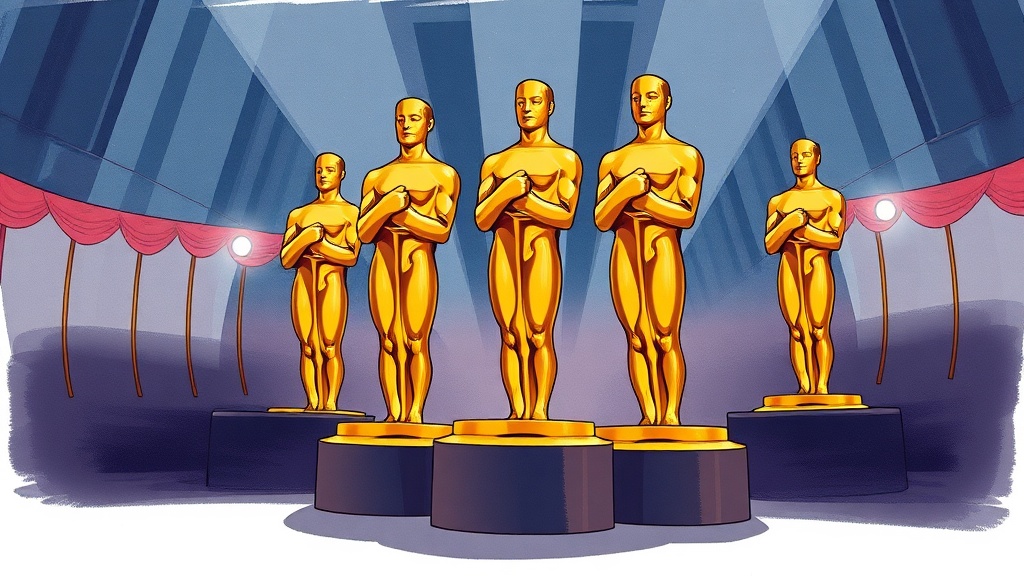
Academy Awards image

Representation and eligibility standards
To reflect a broader range of voices, the Academy has implemented eligibility standards emphasizing on-screen representation, creative leadership, and industry access. These standards encourage producers to be intentional about casting, crew diversity, and outreach efforts. For films aiming for Best Picture consideration, meeting one or more of these standards is an important part of planning, not an afterthought.

Filmmakers who incorporate inclusive hiring practices and community engagement into production benefit from both a stronger creative process and clearer awards positioning.

Campaigning smarter, not louder
Awards campaigning has grown more sophisticated.

The classic “For Your Consideration” screenings and mailed screeners are now complemented by virtual events, social campaigns, and targeted screenings for critics and guild members.

Authenticity resonates: Q&As, behind-the-scenes storytelling, and community partnerships often make a film feel more meaningful than a broad advertising blitz. Cost-effective tactics—leveraging partnerships with film societies, engaging critics early, and using festival momentum—can outperform expensive, unfocused campaigns.

International cinema gaining ground
Non-English-language films are earning more attention across categories beyond Best International Feature. Global streaming and festival exposure have narrowed the gap, allowing international filmmakers to compete in writing, directing, acting, and technical categories. Translating cultural specificity into universal themes, while ensuring accessible distribution for Academy voters, increases the likelihood of crossover recognition.

Technical categories and craft appreciation
Technical and craft categories—editing, sound, visual effects, production design—often predict broader awards momentum. Films that showcase innovative craft can build credibility with guild voters, who influence Academy members. Investing in high-caliber post-production, delivering immersive sound mixes for theatrical exhibition, and highlighting craft teams in campaign materials can elevate a film’s profile among voters who prize cinematic technique.

What filmmakers should know
– Plan distribution strategically: combine qualifying theatrical runs with streaming availability to maximize reach.
– Address representation standards early: inclusive hiring and outreach can be part of eligibility strategy.
– Use festivals and critics to build momentum: early awards attention often starts with strong festival showings and critical buzz.
– Highlight craft and collaborators: technical awards and guild recognition can create pathways to broader nominations.

The Academy Awards continue to adapt while retaining a central role in celebrating cinema. Success increasingly depends on thoughtful release strategy, genuine storytelling that reflects diverse experiences, and campaigns that build sustained, meaningful engagement with both voters and audiences. For filmmakers and producers, understanding these dynamics is essential to turning cinematic ambition into awards recognition.

Bel Air Real Estate Guide: Luxury Architecture, Privacy & Hillside Living in Los Angeles

Bel Air: a quietly gated enclave that blends longtime Los Angeles glamour with leafy, hillside living. Known for winding streets, mature canopies of trees, and high-profile residences, Bel Air remains one of the city’s most coveted neighborhoods for buyers, designers, and visitors seeking a quieter luxury experience away from the denser parts of the city.

Real estate and architecture
Bel Air’s housing stock is celebrated for its architectural variety.

Spanish Colonial revival villas, Modernist glass-and-steel structures, and classic Mediterranean estates sit side by side on large properties, often with expansive gardens and sweeping canyon or city views. Buyers are drawn to properties that combine privacy with high design; many homes incorporate indoor-outdoor living, smart-home systems, and sustainable features such as drought-tolerant landscaping and solar installations. Because lot sizes and topography vary, renovation projects can range from thoughtful interior reworks to full-scale hillside engineering—buyers and architects who understand local permitting processes gain the best outcomes.

Lifestyle and outdoor amenities
Despite its reputation for exclusivity, Bel Air offers accessible green spaces and recreational options. Streets are ideal for scenic drives and short hikes, and several trailheads connect to larger networks across the Santa Monica Mountains, offering a welcome escape for walkers, runners, and mountain bikers. Nearby public parks and equestrian centers support an outdoors-oriented lifestyle, while private clubs and community centers host fitness classes, tennis, and social events.

Culture and community
Bel Air maintains a strong neighborhood association presence focused on preservation, traffic mitigation, and public safety. Residents often collaborate with local stakeholders to protect open space, manage development impacts, and maintain the peaceful character that defines the area. The local school choices and nearby cultural institutions make the neighborhood attractive for families seeking a balance of privacy and access to city amenities.

Security and privacy
Privacy is integral to Bel Air’s appeal.

Many properties are gated, and discreet security details are common for high-profile homeowners. The neighborhood’s road network and landscape design naturally limit through-traffic, which helps preserve a residential atmosphere. For prospective homeowners, working with local security consultants and landscaping professionals can maximize both aesthetics and safety without compromising privacy.

Bel Air image

Design trends and sustainable upgrades
Current trends emphasize low-water landscaping, native plant palettes, and outdoor living rooms that extend usable space year-round.

Interior design often favors neutral, calming palettes with natural materials—stone, wood, and linen—paired with modern conveniences like integrated lighting and energy-efficient systems.

Sustainable upgrades such as greywater systems, efficient HVAC, and electric-vehicle charging have become standard considerations for new buyers and renovators.

Tips for visitors and buyers
Visitors should respect residential privacy—many iconic estates are private, and public photography is best kept to scenic overlooks and public trails. Prospective buyers should partner with agents experienced in navigating hillside properties, understand homeowners association rules, and budget for maintenance typical of luxury estates, including landscaping, hillside stabilization, and security systems.

Bel Air continues to represent a unique blend of urban access and secluded living, appealing to those who value design, privacy, and proximity to Los Angeles cultural offerings. Whether considering a move, scouting design inspiration, or planning a respectful visit, Bel Air rewards careful attention to design, landscape, and community values.

Bel Air Real Estate & Lifestyle: A Buyer’s Guide to Luxury Canyon Living

Bel Air remains one of the most coveted neighborhoods in Los Angeles, known for its sweeping canyon vistas, privacy, and architectural variety. Nestled in the hills between Westwood and Beverly Crest, this residential enclave blends old Hollywood glamour with modern luxury living, appealing to buyers and visitors seeking serenity close to the city.

Why Bel Air stands out
Bel Air’s appeal comes from a rare combination: large estates set on private, tree-lined streets, easy access to urban amenities, and abundant green space. Architectural styles range from classic Mediterranean and Tudor manors to cutting-edge contemporary homes with expansive glass walls and infinity pools. Low commercial development preserves the quiet, residential character many residents prize.

Lifestyle and amenities
Outdoor enthusiasts find plenty to do without leaving the neighborhood. Scenic hiking and walking trails in the Santa Monica foothills offer panoramic views and fresh-air escapes.

Small pocket parks and canyon areas provide space for morning runs, dog walks, and weekend picnics. Nearby cultural attractions and museums make Bel Air a convenient home base for arts and entertainment.

Bel Air image

Dining and shopping are concentrated just outside the immediate residential area, in neighboring Westwood, Brentwood, and Beverly Hills. These districts offer a wide range of choices from high-end restaurants to casual cafés and boutique shopping.

For residents, private country clubs and exclusive neighborhood events also contribute to a close-knit social scene.

Real estate insights
Bel Air real estate is defined by privacy, space, and customization. Buyers typically prioritize properties with gated entries, mature landscaping, and room for outdoor living and entertaining.

Recent preferences include homes designed for flexible living — home offices, wellness spaces, and multi-generational layouts — plus upgrades like solar systems, electric vehicle chargers, and smart-home integration.

Architectural preservation and thoughtful renovations are common. Many homeowners invest in professional landscaping to enhance drought-tolerant features and reduce maintenance, while architects blend historic charm with modern amenities to maximize both comfort and resale appeal.

Safety and community
The neighborhood’s strong sense of community is supported by active civic groups and neighborhood associations focused on safety, traffic management, and preserving residential character. Private security measures are common, and many streets feature controlled gates. Residents often cite the combination of neighborhood stewardship and natural surroundings as a top reason for choosing Bel Air.

Practical tips for visitors and buyers
– Explore on foot where possible: quiet streets and scenic overlooks are best enjoyed at a relaxed pace.
– Use a local real estate specialist if shopping for property — they can navigate privacy requirements and unique lot considerations.
– Plan visits around weekdays for less traffic; weekends can be busier near trailheads and nearby attractions.
– If considering renovation, prioritize permits and neighborhood guidelines to respect architectural harmony and zoning rules.

Bel Air’s enduring attraction comes from its ability to balance exclusivity with convenience. Whether drawn by the tranquility of canyon living, the prestige of storied estates, or the proximity to Los Angeles cultural hubs, this neighborhood continues to offer a refined residential experience.

Explore neighborhoods, local trails, and listings to get a true sense of what makes Bel Air distinctive.

SAG Awards Explained: How Peer Voting, Ensemble Wins, and Streaming Trends Shape Acting Recognition

The SAG Awards remain one of the most closely watched indicators of acting excellence and industry sentiment. Run by SAG-AFTRA, these awards highlight peer recognition—actors voting for actors—which gives them unique clout during awards season and in shaping public perception of performances, ensembles, and the projects that matter.

Why actors care
The value of a SAG Award is twofold. First, it’s peer validation: winners are chosen by fellow performers, making the accolade especially meaningful for careers and negotiations. Second, the awards often serve as a bellwether for other major ceremonies. Strong showing in the acting categories or the ensemble prize frequently boosts visibility and box office or streaming traction for films and series.

What the categories signal
Core categories include lead and supporting performances in film and television, plus a prized ensemble cast award that recognizes collaborative storytelling. The ensemble award has grown in prestige as audiences embrace serialized storytelling and large-cast projects. Limited series and television movie performances are also spotlighted, reflecting TV’s elevation as a creative platform for actors.

Trends shaping outcomes
Streaming platforms continue to change the landscape, with prestige series and auteur-driven films available to wider audiences. This shift increases the diversity of projects considered and sometimes blurs the line between film and television acting careers.

Another ongoing trend is global storytelling: non-English performances and international productions are earning more attention from acting peers, expanding the types of performances that resonate on the SAG ballot.

Industry dynamics and participation
Contract negotiations and labor actions have influenced how actors engage with awards.

Campaign strategies have adapted—blending traditional screenings and panels with more targeted, digital-focused outreach. When high-profile performers participate in campaigns, it can sway awareness among a voting body that sizes into the tens of thousands. Conversely, limited campaigning or boycotts can alter the competitive field and open opportunities for under-the-radar performances.

Predicting winners
Look to a combination of industry buzz, critics’ reception, and prior peer recognition. Performances that generate sustained conversation—through critical acclaim, festival attention, or notable ensemble work—tend to perform well.

SAG Awards image

The ensemble award is often a wildcard; a highly collaborative cast with balanced screen time can outperform projects with a single standout star.

Red carpet and cultural impact
The SAG Awards red carpet remains a major cultural moment for fashion and social messaging.

Performers use the platform to highlight designers, social causes, and emerging talent. Social media amplifies those moments instantly, turning red-carpet statements into broader cultural conversations that can influence voter and audience sentiment.

How fans can engage
Fans can follow nomination announcements and view nominated performances through streaming services, theatrical releases, and platforms that host the highlighted work.

Watching ensembles and performances in context helps appreciate why peers recognize certain actors. Live broadcasts and after-show coverage offer commentary, interviews, and behind-the-scenes perspective that deepen the viewing experience.

The bottom line
SAG Awards continue to matter because they reflect the opinions of working actors and celebrate collaborative craft. Whether tracking frontrunners or discovering underseen performances, the ceremony offers a clear snapshot of what resonates among creative peers—and what might be shaping the wider awards conversation. Keep an eye on nominations and ensemble recognition to spot projects and performances that are gaining momentum.

Bel Air Real Estate Guide: Luxury Living, Privacy, and Timeless Appeal

Bel Air: Luxury Living, Quiet Streets, and Timeless Appeal

Nestled among winding canyons and lush eucalyptus, Bel Air remains one of the most sought-after neighborhoods for those who prize privacy, architecture, and proximity to city amenities.

Known for its expansive lots, manicured landscaping, and a mix of classic and contemporary homes, the area delivers a unique combination of seclusion and convenience that attracts families, creatives, and high-net-worth buyers.

What makes Bel Air stand out
– Privacy and prestige: Many properties are gated or set back from the road, offering a sense of retreat not easily found in denser urban neighborhoods. The community’s leafy streets and canyon views create a park-like atmosphere.
– Architectural variety: Mediterranean villas, Spanish Colonial homes, mid-century modern gems, and ultra-modern glass-and-steel estates coexist, giving the neighborhood a visually rich character. Renovation and adaptive reuse are common, blending historic charm with modern amenities.
– Natural setting: Native landscaping, mature trees, and easy access to hiking trails provide outdoor lifestyle options.

Scenic drives along ridgelines offer panoramic views of the city and ocean on clear days.

Bel Air image

Lifestyle and local amenities
Bel Air’s residential character means commercial amenities are concentrated along its borders in neighboring districts.

Upscale dining, boutique shopping, cultural institutions, and major universities are a short drive away, letting residents enjoy urban conveniences without sacrificing a quieter home environment. A historic, iconic hotel in the neighborhood offers refined dining and events, serving as a social anchor for the area.

Real estate trends and buyer priorities
Demand often centers on lot size, privacy features, architectural pedigree, and the potential to renovate or rebuild. Buyers typically prioritize:
– Lot orientation and topography: Flat, buildable parcels are rare and highly prized; hillside lots appeal to buyers seeking views but require careful evaluation for access and construction complexity.
– Security and access: Gated entries, advanced security systems, and discreet service areas are standard preferences.
– Outdoor amenities: Pools, guest houses, terraces, and integrated landscaping are key selling points for lifestyle-focused buyers.

For sellers and buyers
Sellers benefit from highlighting privacy, unique architectural elements, and outdoor living spaces. High-quality photography—dusk shots, aerial drone views, and detailed interior staging—helps homes stand out online and attract the right buyers.

Buyers should work with agents who have local experience and an understanding of parcel-specific issues such as grading, easements, and scenic easement restrictions. Considering renovation feasibility and long-term maintenance costs is important when evaluating older estates versus new construction.

Visiting and exploring
Respect for resident privacy is essential when visiting.

Public vantage points and designated scenic overlooks provide the best opportunities to absorb the neighborhood’s character.

For those touring properties, plan visits through a licensed agent and be mindful of gated access and posted restrictions.

Why Bel Air endures
The neighborhood’s enduring appeal comes from a rare mix: expansive private properties close to the city’s cultural and commercial centers, an eclectic architectural landscape, and natural beauty that feels intentionally preserved. Whether seeking a secluded family compound, a modern architectural statement, or an investment in prestige real estate, Bel Air continues to offer options that blend luxury with a timeless sense of place.

How the Oscars Reflect a Changing Film Landscape: From Streaming and Diversity to Sustainable Red Carpets

How the Academy Awards Reflect a Changing Film Landscape

The Academy Awards remain one of the most watched and discussed cultural events, acting as a high-profile mirror for the film industry’s evolving priorities.

While the statuette still symbolizes craft and prestige, the broader conversation around the Oscars now centers on inclusion, distribution shifts, sustainability, and how audiences connect with cinema.

Shifting distribution and eligibility
Streaming services transformed how films reach viewers and awards voters. Hybrid release strategies — combining limited theatrical runs with streaming premieres — have blurred traditional lines between cinema and home viewing. Academy eligibility rules adapted in response, creating pathways for films that prioritize both theatrical presence and streaming accessibility. The result: a wider variety of titles, from intimate indie dramas to big-budget streaming originals, contend for top honors.

Diversity, representation and membership changes
Efforts to diversify the Academy’s membership and voting body have reshaped nomination lists and outcomes. Outreach initiatives aim to include more voices across race, gender, geography, and professional disciplines, which has broadened the types of stories recognized.

This shift encourages studios and filmmakers to champion underrepresented narratives and talent, making awards season an arena for visibility as much as celebration.

Campaign culture and awards strategy
Campaigns around the Oscars are increasingly data-driven and global. Public relations teams craft targeted screenings, digital campaigns, and awards-qualifying runs tailored to voters’ preferences. Social media platforms amplify grassroots enthusiasm and can make breakout moments viral overnight. For cinephiles, following guild awards, critics’ groups, and festival buzz remains a reliable way to spot likely contenders.

International cinema and cross-border collaboration
International films are no longer relegated to a single category.

Greater access via streaming platforms and international co-productions has elevated global storytelling onto the mainstage. Subtitled films that once had limited release can now build meaningful momentum with viewers worldwide, challenging perceptions of what qualifies as “mainstream” awards fare.

Fashion, red carpet and sustainability
The red carpet continues to be a key cultural touchpoint, but fashion narratives have evolved. More celebrities prioritize sustainable choices — vintage gowns, garment rental, and ethically produced outfits — signaling a shift in how fashion and fame intersect. Designers and stylists increasingly use the platform to highlight craftsmanship and environmental responsibility.

Telecast format and audience engagement
Broadcasts have experimented with runtime, segmenting, and star-studded performances to maintain audience interest. Producers balance honoring craft categories with creating moments that resonate widely on social media.

Academy Awards image

Shorter, sharper telecasts and creative staging aim to keep both traditional viewers and younger audiences engaged.

What viewers can watch for
– Emerging talent: Look beyond headline names to breakthrough actors, directors, and screenwriters who generate critical buzz.
– Festival winners: Films that perform well at major festivals often carry awards-season momentum.

– Guild awards: Recognition from peers in cinematography, editing, and production design can foreshadow Academy outcomes.
– Streaming contenders: Pay attention to films that combine critical acclaim with strong platform support — they often become frontrunners.

The Academy Awards continue to adapt, balancing tradition with innovation.

For filmmakers, the ceremony remains a pinnacle of recognition; for audiences, it’s a way to discover films that reflect current cultural conversations and cinematic craft. Whether you follow every category or tune in for the red carpet, the Oscars still shape how we talk about movies and the stories that move us.

7 Celebrity Personal Branding Strategies to Grow Your Public Profile, Influence, and Income

Celebrities today treat personal brand-building as a professional art. Beyond red-carpet moments and headline roles, many public figures cultivate careers that span entertainment, entrepreneurship, and activism. Understanding the strategies they use offers useful lessons for anyone looking to grow a public profile or work with high-profile talent.

Authenticity and storytelling
Audiences crave authenticity. Successful celebrities share curated glimpses into their lives that feel genuine—behind-the-scenes footage, candid reflections, or passion projects that reveal values. Storytelling ties disparate activities together: projects, partnerships, and personal causes become chapters in a consistent narrative.

That narrative turns occasional attention into long-term engagement and makes endorsements feel like natural extensions of the person behind the brand.

Strategic platform use
Different social platforms serve different purposes. Short-form video platforms excel for spontaneity and trends; image-led networks showcase visual aesthetics and product collaborations; long-form channels and newsletters allow deeper conversation.

Top celebrities tailor content to each environment while maintaining a coherent voice. Cross-promotion and repurposing content help maintain visibility without exhausting creative resources.

Diversification and revenue streams
A celebrity’s name is a versatile asset when paired with the right ventures.

Celebrities image

Licensing, beauty and fashion lines, production companies, equity investments, and curated retail collaborations are common ways to monetize influence while building legacy.

Strategic partnerships with reputable brands can lend credibility; direct-to-consumer offerings let creators retain control and higher margins.

Many public figures invest in teams—brand managers, legal counsel, and creative directors—that turn visibility into sustainable businesses.

Reputation management and crisis response
Public figures face heightened scrutiny, so proactive reputation management is crucial. Clear communication during controversies, timely acknowledgments when appropriate, and consistent demonstrations of values rebuild trust faster than silence or defensiveness.

Many celebrities also use controlled pauses—stepping back from social channels—to reset narratives and protect mental health. Behind every public statement is legal and PR strategy; media training helps maintain composure under pressure.

Privacy, boundaries, and mental health
Balancing exposure with privacy preserves longevity. Setting boundaries—what topics are off-limits, how close followers get to family life, and which events are shared—protects both wellbeing and mystique. Celebrity mental health advocacy has also helped normalize these boundaries, showing fans that stepping away is a responsible choice, not a career risk.

Authentic partnerships and causes
Endorsements work best when aligned with personal beliefs.

Product partnerships feel more persuasive when the celebrity genuinely uses or supports the product. Similarly, charitable work and advocacy amplify public impact when connected to lived experience or long-term commitments. Audiences are adept at spotting performative gestures, so sustained engagement and transparency matter.

Lessons for aspiring creators
– Define a clear narrative: what you stand for matters more than fleeting trends.
– Choose platforms deliberately: match content type to channel strengths.
– Build a small, trusted team: management, legal, and creative support scale opportunities.
– Protect your wellbeing: set digital boundaries and communicate them openly.
– Partner with purpose: align commercial deals with personal values for credibility.

Celebrities who treat their name as a holistic brand—balancing exposure, integrity, and smart business—turn momentary fame into lasting influence. Whether aiming for stardom or growing a niche public profile, these strategies help convert attention into meaningful opportunities.