Malibu blends dramatic coastal scenery, outdoor adventure, and a relaxed, upscale vibe that keeps visitors coming back. Whether drawn by wide sandy beaches, cliffside trails, or farm-to-table dining, there’s a balance here between recreation and conservation that shapes the visitor experience.
Beaches and coastal photography
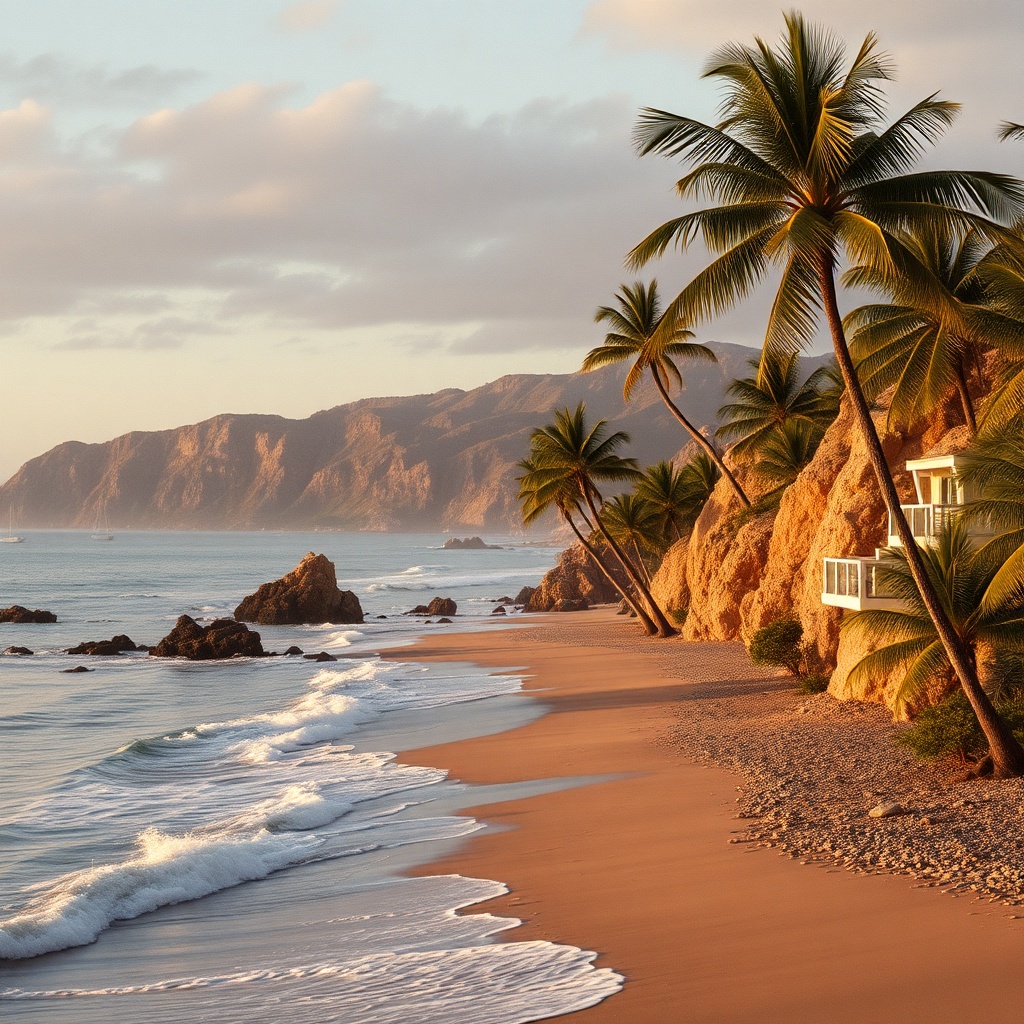
Malibu’s coastline offers contrasts: broad, family-friendly stretches and hidden coves with sea stacks and tide pools. Popular beach choices include a guarded, bustling beach ideal for swimming and sunbathing; a more rugged state beach with photogenic cliffs and sea caves perfect for sunset shots; and a protected surf break famous for long, rideable waves. For photographers, early morning light and late-afternoon golden hour deliver the most dramatic colors and fewer crowds.
Respect posted signs around tide pools and cliffs — those fragile ecosystems recover slowly from disturbance.
Hiking and nature escapes
The Santa Monica Mountains that border Malibu host a network of trails through coastal sage, oak woodlands, and creekside canyons.
Short hikes lead to overlooks with panoramic ocean views, while longer routes connect to a regional trail system for multi-mile treks. Popular walks include a shaded canyon hike to a seasonal waterfall, a bluff trail to a scenic headland with whale-watching vantage points, and a rugged route into a state park known for rock formations and film-history ties.
Wear sturdy shoes, carry water, and be wildfire-aware during dry conditions.
Surfing and water activities
Surf culture is integral to Malibu.
Surf schools operate near gentle point breaks that are great for learners, while experienced surfers seek reef and point breaks that reward timing and skill. Paddleboarding and snorkeling are also common in calmer coves; conditions change with wind and tide, so check local surf reports and heed lifeguard advice.
Dining and local food scene
Malibu’s dining scene ranges from casual, fish-focused shacks to refined, coastal restaurants emphasizing locally sourced produce and seafood.
Farm-to-table eateries on and near the pier are popular for their ocean views and seasonal menus. For a relaxed food experience, seek out beachside cafes serving fresh catches and salads, and look for tasting rooms or small-batch makers in adjacent canyon areas for wine and craft beverages.
Practical tips for visiting
– Plan for traffic on the coastal highway and limited parking near popular beaches; arriving early often helps.
– Bring a reusable water bottle, sunscreen, and a sun hat; services can be sparse away from central areas.
– Cell reception can be intermittent in canyon and headland areas. Download maps if venturing onto remote trails.
– Respect private property and posted access restrictions; many coastal bluffs are adjacent to residential areas.
– Join a beach cleanup or volunteer with local conservation groups to support coastal resilience.
Conservation and community
Malibu places strong emphasis on coastal stewardship. Local organizations, agencies, and residents collaborate on dune restoration, native-plant revegetation, and erosion-management projects. Visitors can contribute by staying on marked paths, packing out trash, and supporting businesses that prioritize sustainability.
Whether seeking a surf session, a sunset photo, a canyon hike, or a leisurely meal with an ocean view, Malibu offers a memorable coastal lifestyle shaped by natural beauty and a community invested in protecting it.
Plan thoughtfully, tread lightly, and the coastline will reward with breathtaking moments and lasting impressions.