Malibu remains a magnetic stretch of coastline where dramatic cliffs, surf-ready breaks, and a slow-paced luxe lifestyle meet serious conservation work.
Whether you’re planning a day trip or thinking about longer stays, knowing where to go and how to respect the place makes the experience richer.
Beaches and surf
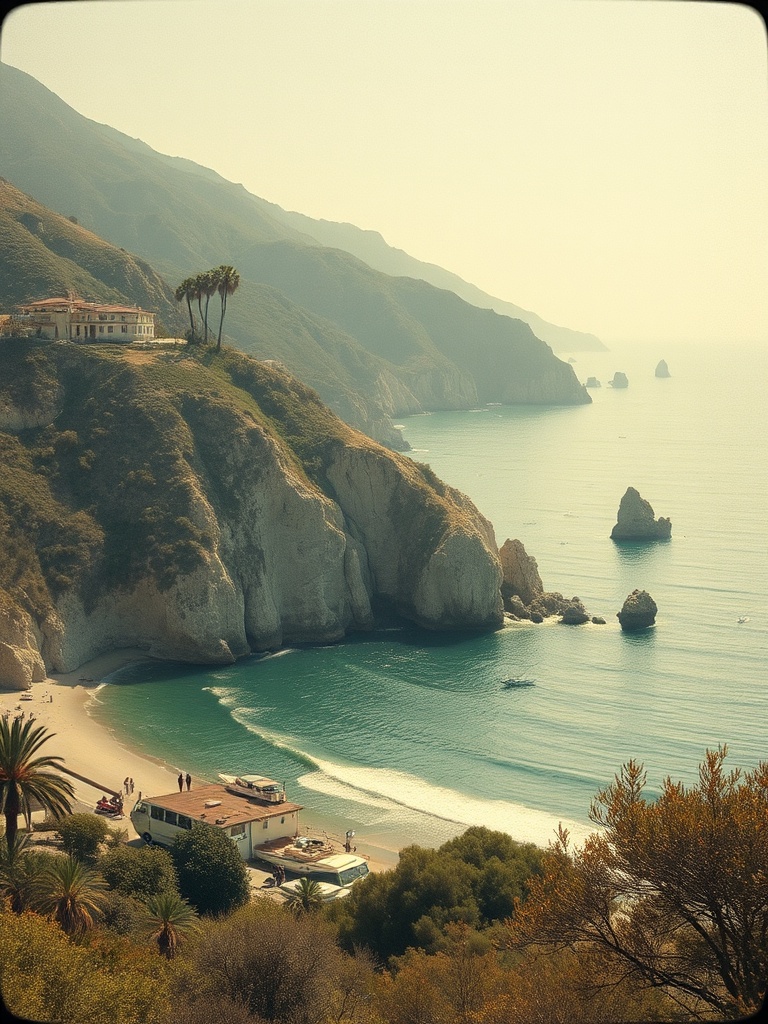
Malibu’s beaches each have a personality.
Zuma Beach is broad and family-friendly with lifeguards and plenty of sand for kids and picnics. Surfrider Beach, near the pier, is legendary among longboarders for its long, rolling waves and iconic lineup. For cliff-backed coves and sea caves, El Matador State Beach offers dramatic scenery and great photo opportunities at low tide. Always check local conditions—rip currents and sneaker waves can change the safety profile quickly.
Outdoor recreation beyond the sand
The Santa Monica Mountains behind Malibu hold a network of trails for hikers and mountain bikers. Point Dume Headland provides sweeping ocean vistas and chances to spot migrating whales from shore when conditions favor sightings. Malibu Creek State Park is a favorite for longer treks, rock climbing, and birdwatching; its creek and rock formations make it feel like an inland oasis. Pack water, sun protection, and sturdy footwear—trail surfaces can be rocky and exposed.
Food, drink, and local flavor
Malibu blends coastal casual with refined dining. Sea-to-table restaurants and casual cafés highlight fresh seafood, locally sourced produce, and creative cocktails. For a change of pace, explore hilltop eateries and tasting rooms that showcase wines grown in the nearby mountains. Expect a mix of laid-back beach shacks and high-end venues—reservations help for popular spots.
Environmental stewardship and community resilience
Malibu faces ongoing environmental challenges that shape daily life. Coastal erosion, sea-level rise, and watershed health influence beach access and planning. Wildfire risk and drought concerns drive community efforts around defensible space, water conservation, and fire-resistant landscaping. Local stewardship groups and volunteers frequently lead beach cleanups, lagoon restoration projects, and native-plant landscaping initiatives—visitors are encouraged to support or participate when possible.
Practical tips for visiting
– Traffic and parking: Pacific Coast Highway is scenic but can be slow during peak hours. Arrive early for popular beaches or plan for sunset timing. Respect posted parking rules; some areas require permits or have time limits.
– Respect private property: Much of Malibu’s coastline borders private homes. Stick to public access points and avoid climbing on private stairs or fences.
– Leave no trace: Pack out trash, use reef-safe sunscreen, and avoid disturbing wildlife or nesting birds.
– Safety: Swim near lifeguard stations when available, check surf conditions, and be cautious on rocky shorelines at high tide.
Cultural notes
Malibu’s creative energy attracts artists, filmmakers, and musicians, which is reflected in local galleries, outdoor concerts, and occasional community festivals. The balance between development and preservation is an ongoing conversation, and community voices play a big role in shaping policy and projects.
Why it matters
Visiting Malibu is as much about scenery as it is about stewardship.
The dramatic coastline and mountain backdrop will draw you in; how you move through the landscape—respectfully and sustainably—helps keep it special for residents and future visitors. Whether you’re chasing waves, hiking a ridge, or savoring a sunset from the pier, a mindful approach ensures Malibu’s natural beauty endures.