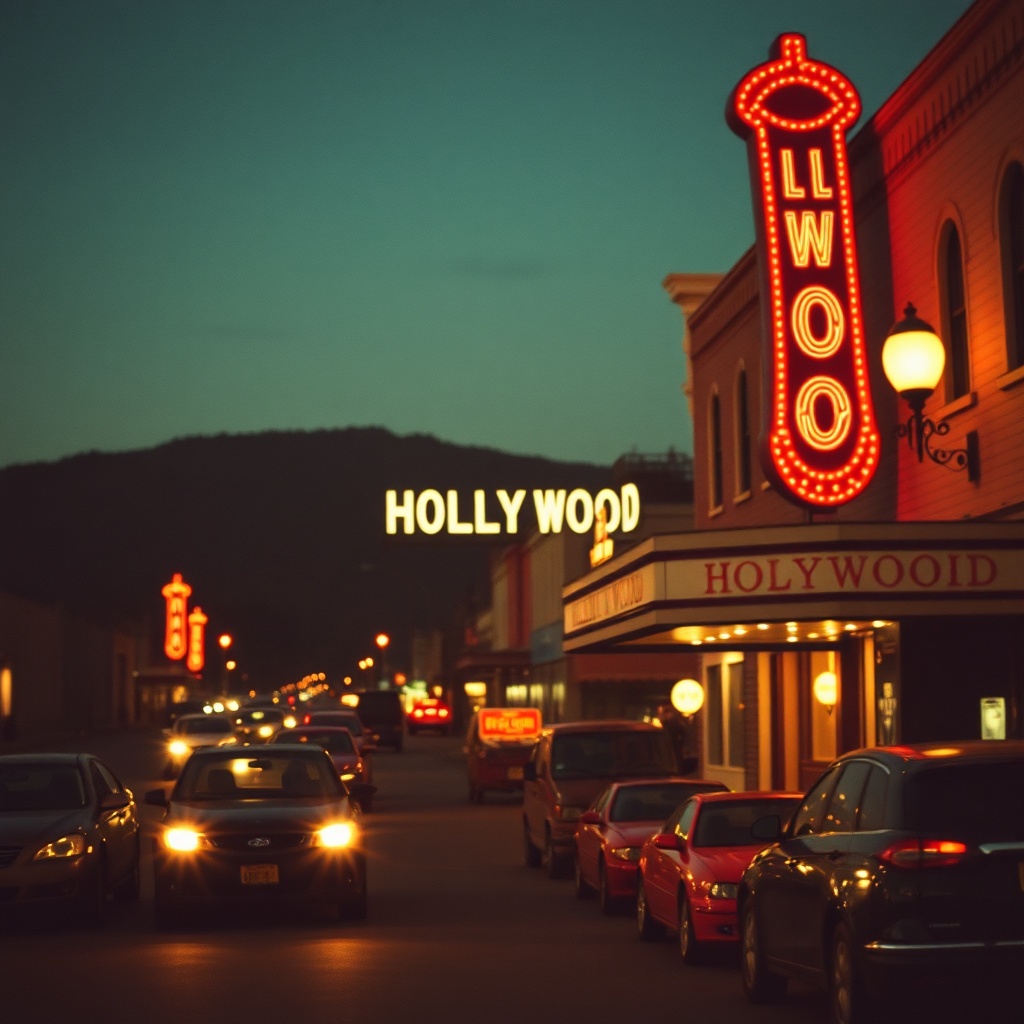
How to Navigate the Oscars: Eligibility, Streaming, Diversity & Campaign Strategies for Filmmakers

The Academy Awards remain the most visible barometer of change in the film industry, reflecting shifts in distribution, representation, technology, and promotion. Filmmakers and studios that understand how the Oscars’ rules and cultural expectations have evolved gain a strategic edge—whether aiming for a nomination, a technical prize, or the prestige that drives long-term audience interest.

Eligibility and distribution: bridging theatrical and streaming
The Academy’s eligibility rules increasingly recognize hybrid release strategies. A qualifying theatrical run is still central for most categories, but flexible windows and platform diversity mean that films can combine limited theatrical engagements with streaming or premium digital releases and still be considered. For filmmakers, the practical takeaway is to prioritize a credible theatrical presence—festival premieres, art-house runs, and targeted city engagements—while coordinating streaming launches to maximize visibility and awards momentum.

Diversity standards and inclusion as criteria
Diversity and inclusion standards have become part of the awards conversation. The Academy encourages better representation on screen and behind the camera, and many films now adopt inclusive hiring and storytelling practices to meet both cultural expectations and eligibility considerations for certain categories. Production teams should document casting, crew diversity, and distribution outreach to demonstrate commitment to inclusive practices that resonate with voters and critics alike.

Global cinema and multilingual storytelling
International films and multilingual storytelling have gained prominence at the Academy. Co-productions, subtitled narratives, and films that cross cultural lines frequently perform well when they combine strong local authenticity with universal themes. Strategic festival placement—targeting festivals known to attract Academy attention—remains a powerful route to building awards buzz and distributor interest.

Campaign strategy: messaging, screenings, and voter engagement
Successful campaigns are multifaceted: they pair smart messaging with targeted screenings for Academy members, thoughtful Q&As, and press that humanizes filmmakers and talent. Earned media—profiles, interviews, craft-focused coverage—often outperforms expensive ad buys because voters respond to storytelling about process, challenges, and craftsmanship. Organize industry-exclusive screenings, prepare concise campaign reels highlighting craft achievements, and leverage social proof from respected critics and guild endorsements.

Craft categories and technical recognition

Academy Awards image

Technical and craft awards offer accessible pathways to Academy recognition.

Visual effects, cinematography, editing, sound, production design, and makeup are areas where smaller-budget films can stand out through innovation and meticulous execution. Documenting your workflow, test footage, before-and-after breakdowns, and behind-the-scenes materials helps voters appreciate the problem-solving and artistry involved.

Practical steps for filmmakers aiming for awards
– Plan distribution early: design a release strategy that secures theatrical eligibility while preserving streaming potential.

– Emphasize craft documentation: compile high-quality supporting materials that explain technical achievements.
– Build relationships: engage with guilds, festivals, and critics who can amplify visibility.
– Tell the story behind the story: voters connect with narratives about making the film—obstacles overcome, creative risks, and collaboration.

– Invest in targeted outreach: screenings, panel discussions, and Q&As tailored to Academy branches boost recognition in specific categories.

The Oscars continue to evolve alongside the industry they celebrate. Understanding how eligibility, representation, distribution, and campaigning intersect gives filmmakers and studios the best chance to turn artistic ambition into awards recognition and enduring audience impact.

Why the Grammys Still Matter: How Wins, Nominations & Campaigns Shape Music Careers

The Grammys remain one of music’s most influential moments, shaping careers, spotlighting emerging sounds, and reflecting changes across the industry. While the show itself is a high-profile broadcast, the real impact of a Grammy stretches far beyond a single night — from streaming spikes and booking fees to long-term credibility for artists and songwriters.

Why a Grammy still matters
A win or even a nomination can significantly raise an artist’s profile.

Industry professionals pay attention: booking agents, festival programmers, sync supervisors, and major labels often use Grammy recognition as a signal of quality. Beyond prestige, measurable benefits frequently include increased streaming and sales, higher performance fees, and more doors for collaboration. For songwriters and producers, award recognition can translate into higher demand and better negotiating power.

How nominations and voting work
The process begins with submissions from record labels and independent artists. Submissions are screened for category eligibility and technical compliance, then reach voting members of the Recording Academy.

These voting members — music creators and industry professionals who meet specific criteria — cast ballots to determine nominees and winners in two rounds of voting.

The system is designed to balance peer evaluation with safeguards that aim to reflect artistic and technical achievement rather than just commercial success.

Category evolution and industry shifts

Grammys image

Categories and criteria evolve as musical trends shift. The organization periodically adjusts categories, creates new ones, or consolidates awards to better represent contemporary forms of music and collaboration. This responsiveness is important because genre boundaries have blurred: artists increasingly blend styles, and global sounds have greater mainstream presence. Streaming and playlist culture have changed how listeners discover music, which influences attention around releases but does not replace the core emphasis on artistry that the awards aim to recognize.

Effective campaigning without overshadowing art
Campaigning is part of the awards landscape, but it’s most effective when it amplifies the music rather than detracting from it. Smart strategies include:
– Timing releases to fit the eligibility window while allowing momentum to build
– Investing in high-quality visuals and live performance clips for media and playlists
– Engaging industry peers and fans authentically on social platforms
– Securing editorial playlist placements and press coverage that highlight the creative story behind a project

Ultimately, authentic artistic excellence remains the strongest case for recognition.

What to watch during the ceremony
Live performances often generate the biggest cultural moments, from unexpected collaborations to powerful tributes. Pay attention to production choices — medleys, reimagined arrangements, and guest features can turn a performance into a viral highlight.

Acceptance speeches and tribute segments also capture the industry’s values and priorities, while red-carpet moments reflect cultural conversations about fashion and identity.

How fans can engage
Fans influence visibility by streaming, sharing, and adding nominated tracks to playlists. Supporting artists through merchandise purchases, concert attendance, and direct engagement helps sustain careers beyond awards season. For those interested in the process, the Academy provides information about eligibility and voting, and some segments of the awards season include public events and showcases that offer closer access to nominees.

The Grammys continue to be a barometer of artistic achievement and industry trends. Whether you follow for the live spectacle, the performances, or to discover emerging talent, the awards offer a concentrated look at where music is headed and which creators are shaping its future.

How to Get a Grammy Nomination: Submission Rules, Campaign Tactics & Production Tips for Artists

The Grammys remain one of music’s most visible benchmarks, shaping careers, playlists, and industry attention. For artists and teams targeting a nomination or a win, understanding how the process works and where attention is focused can make the difference between a quiet release and a breakthrough moment.

What the Recording Academy looks for
Voters prioritize artistry, technical excellence, and creative vision. While commercial success and streaming numbers help raise profile, the core criteria emphasize the recording itself — songwriting, production, musicianship, and overall impact. Projects that feel distinct, well-crafted, and thoughtfully produced tend to resonate with voting members across genres.

Practical steps to increase visibility and credibility
– Plan submissions early: Familiarize yourself with the Academy’s submission rules and the eligibility window. Missing the submission window is the most common avoidable error.

– Choose categories strategically: Competing in overbroad or crowded categories dilutes chances.

Consider genre, song vs.

performance categories, and specialized fields like engineering or packaging where skilled teams can stand out.
– Build a compelling press kit: Include high-quality audio, stems or isolated tracks for technical consideration, credits, artist biography, critical quotes, and data on audience engagement. Clear credits highlight collaborators — producers, engineers, arrangers — who also influence voter perception.
– Amplify professional reviews and industry endorsements: Positive coverage from respected outlets and endorsements from established artists or producers can sway attention among Academy members.

– Prioritize quality over quantity: A focused release strategy with strong singles and cohesive album storytelling often outperforms a high volume of lesser material.

Grammys image

Promotional tactics that matter
Award campaigns are about tasteful visibility rather than aggressive saturation. Key activities that help include targeted listening events for Academy members, professional EPK distribution, well-timed radio and playlist campaigns, and strategic sync placements that increase cultural relevance. Live performances on major platforms or innovative virtual showcases can also generate the kind of buzz that translates into nominations.

The role of collaborators and production
Top-tier engineering, mixing, and mastering are highly influential, especially in technical categories. Recruiting respected producers, session musicians, and engineers can elevate a project’s craft and credibility. Credits are visible to voters, and excellence in these areas is often rewarded independently of commercial metrics.

Trends shaping voter attention
Cross-genre collaboration, authentic storytelling, and sonic originality are recurring themes in recent nominations. Voters increasingly recognize boundary-pushing work that blends tradition with innovation. Additionally, attention to representation and diverse voices across categories is growing, encouraging artists to bring authentic perspectives to their music.

Avoiding pitfalls
Be cautious with overly aggressive or contrived campaigns; authenticity resonates more than hype. Ensure all credits and metadata are accurate to prevent disqualification. Don’t rely solely on streaming numbers—engagement quality, critical response, and industry respect remain essential.

What a nomination or win can do
Recognition from the Academy often leads to renewed streaming interest, expanded touring opportunities, and greater industry clout. For many artists, a nomination validates creative risk-taking and opens doors to collaborations, licensing, and media attention that can have lasting career effects.

Ultimately, the path to Grammy recognition blends artistic excellence with smart, professional campaigning. Focus on the craft, respect the submission process, and build genuine industry relationships — those elements consistently create the foundation for awards-season success.

How Streaming, Theatrical Rules & Public Taste Are Reshaping the Academy Awards — A Practical Guide for Filmmakers & Marketers

How Streaming, Theatrical Rules, and Public Taste Are Shaping the Academy Awards

The Academy Awards remain the entertainment industry’s most visible ceremony, but the path to a statuette has shifted as viewing habits, distribution models, and audience expectations evolve. Filmmakers, studios, and marketers who understand these shifts gain an edge during awards season and beyond.

Academy Awards image

Why eligibility rules matter
Eligibility rules determine which films can compete and how campaigns are run.

Historically tied to theatrical release windows, those rules have been updated to reflect a streaming-first landscape while still valuing the theatrical experience.

For films and distributors, the practical takeaway is clear: a meaningful theatrical presence still matters for awards positioning. Strategic runs in key markets, targeted festival premieres, and carefully timed streaming debuts can maximize a title’s visibility with both Academy voters and mainstream audiences.

The streaming effect on production and promotion
Streaming platforms have expanded the types of films that gain awards attention — from intimate indie dramas to large-scale prestige productions. These platforms can offer substantial promotional budgets and targeted ad buys across social channels, allowing niche films to reach niche voters more effectively. On the flip side, the sheer volume of eligible titles makes discovery harder, so awards campaigns increasingly rely on curated screenings, specialized press coverage, and influencer partnerships to cut through the noise.

Red carpet, fashion, and cultural conversation
The red carpet remains a publicity engine.

Designers, stylists, and publicists use the event to build narratives that extend beyond the film itself — social causes, brand partnerships, and personal branding often amplify a title’s cultural footprint.

A memorable red carpet moment can trigger sustained media coverage and social engagement, which indirectly supports nominations by keeping a film top of mind.

Diversity, representation, and voter outreach
There’s an ongoing emphasis on broadening representation among nominees and voters. That creates opportunities for stories from historically underrepresented communities to find recognition, but it also requires authentic outreach. Campaigns that prioritize genuine engagement with communities, thoughtfully chosen screening events, and contextualized press messaging tend to resonate more strongly with voters and audiences alike.

Sustainability and production practices
Sustainability has become a conversation point for high-profile productions and awards events. Environmentally conscious production choices and green event practices can be incorporated into campaign narratives, appealing to voters and viewers who care about industry responsibility. Small, verifiable steps — carbon-neutral travel for cast, sustainable wardrobe choices, transparent sourcing — make campaigns feel contemporary and conscientious.

Actionable steps for filmmakers and marketers
– Plan a hybrid release strategy: secure theatrical windows in key markets while mapping a timed streaming rollout to keep momentum.
– Prioritize targeted screenings: curated Q&As, critic previews, and voter-only events build relationships that translate into nominations.
– Build a narrative beyond the film: leverage red carpet moments, talent interviews, and cause-based storytelling to sustain media cycles.

The Academy Awards still reward cinematic excellence, but the ecosystem around the ceremony has transformed. Success now depends on marrying quality filmmaking with savvy distribution, authentic community outreach, and sustained public conversation.

For those who navigate these elements well, awards recognition can amplify a film’s cultural impact and commercial reach.

How the Academy Awards Are Evolving — What Movie Fans Need to Know

How the Academy Awards Are Evolving — What Movie Fans Need to Know

The Academy Awards remain the film industry’s most talked-about night, but the landscape around nominations, campaigning, and viewing has been changing. Streaming platforms, shifting eligibility rules, and a sharpened focus on inclusion have reshaped what counts as an awards contender and how audiences engage with the race. Here’s a clear guide to what matters now and how to enjoy the season like a savvy cinephile.

What’s changing about eligibility and inclusion
Eligibility rules continue to adapt to the realities of distribution. Streaming releases now routinely compete alongside theatrical films, but many projects still aim for qualifying theatrical runs or festival premieres to maximize awards visibility. The Academy has also moved to emphasize diversity and inclusion: new standards encourage broad representation among cast, crew, and storytelling perspectives for Best Picture consideration. Filmmakers and distributors increasingly plan release strategies and outreach with those standards in mind.

The rise of streaming and global storytelling
Streaming services have accelerated the internationalization of awards contenders. Films produced outside traditional studio systems can reach global audiences quickly, creating more opportunities for international filmmakers and non-English-language titles to gain traction. That exposure changes campaigning tactics — digital-first strategies, targeted social media outreach, and virtual screenings have become staples alongside classic critic-screening rooms and theater-based gala premieres.

Shortlists, specialty categories, and technical recognition
Pay attention to shortlists in categories like documentary, international feature, and visual effects — these early lists often forecast which projects will gain momentum. Technical and craft awards remain critical markers of industry respect; achievements in editing, sound, cinematography, and production design can build prestige and elevate a film’s overall profile. Following guild awards and critics’ circles is a useful way to spot momentum across these categories.

How the voting process influences strategy
Some categories use preferential ballots or specialized voting segments, which rewards broad appeal as much as passionate niche support. That dynamic makes mid-range acclaim from critics and guild members important: a film that’s well-liked across voting blocs can outperform a polarizing favorite.

For filmmakers and marketers, building consistent, positive conversations among different industry communities is often just as valuable as high-profile star-driven campaigns.

How to follow and enjoy awards season
– Watch the shortlists and nomination announcements: These reveal the field and help prioritize which films to see.
– Build a viewing plan: Organize a shortlist of nominated films by category and genre to diversify your viewing and catch contenders you might otherwise miss.
– Use critic consensus and specialty coverage: Arts and film critics, festival reports, and industry guild awards provide context that can predict nomination trends.
– Host a watch party or a discussion group: Awards night is more fun with friends — consider themed snacks, ballots for picks, and post-show debates.
– Support theatrical runs when possible: Seeing a film in a theater can change your appreciation and helps films that rely on box-office credibility.

Why the ceremony still matters
Beyond trophies, the Academy Awards spotlight craft, spark conversations about film culture, and can boost a film’s audience dramatically. Whether you follow for the glamour, the craft recognition, or the controversies, understanding how streaming, inclusion standards, and global filmmaking influence the field will deepen your appreciation of the season and help you separate flash from lasting achievement.

Academy Awards image

Beverly Hills Insider Guide: Luxury Shopping, Dining & Real Estate

Beverly Hills remains one of the world’s most recognizable neighborhoods for luxury, design, and lifestyle.

Its compact grid, iconic palm-lined streets, and reputation for high-end shopping and dining make it a magnet for visitors and a coveted address for residents seeking privacy, service, and convenience.

Shopping and luxury retail
Rodeo Drive often defines the Beverly Hills shopping experience, but the retail landscape includes a mix of flagship boutiques, independent designers, and curated concept shops. The emphasis today is on personalized service and immersive experiences—private appointments, bespoke tailoring, and in-store events that blend fashion with art and hospitality. Shoppers searching for something unique will also find smaller streets and hidden courtyards where local jewelers, home boutiques, and emerging designers showcase carefully edited collections.

Dining and hospitality
The culinary scene blends opulence with thoughtful, ingredient-driven cooking. High-end restaurants coexist with neighborhood bistros and specialty cafés, so whether the craving is for a tasting menu with expertly paired wines or a casual al fresco brunch, options are close at hand. Hotels and rooftop lounges add to evening life, offering chefs’ menus, craft cocktails, and skyline views that appeal to residents and visitors alike.

Real estate and residential life
Real estate in the area emphasizes architectural diversity—from classic Mediterranean villas to contemporary glass-and-steel designs and historic estates set behind lush hedges. Privacy, landscaping that conserves water, and smart-home integration are common priorities for homeowners. Developers and architects increasingly focus on durability and sustainability without sacrificing luxury: expect energy-efficient systems, drought-tolerant gardens, and EV charging infrastructure in new and renovated properties.

Culture, parks, and public art
Green spaces provide a counterpoint to the glitz. Beverly Gardens Park and other landscaped corridors offer walking paths, seasonal plantings, and public art installations that create accessible outdoor moments in the city. Cultural programming, gallery openings, and small-scale public events bring art and music into the neighborhood, while nearby museums and performance venues expand the cultural options for both locals and visitors.

Practical tips for visitors and residents
– Timing matters: mid-morning and weekday afternoons are typically less crowded for shopping and sightseeing.

Beverly Hills image

– Reservations and private bookings help secure the most sought-after dining and retail experiences.

– Parking is available but can be limited near prime corridors; valet service and rideshares are convenient alternatives.
– Dress and behavior expectations tend to skew polished—business-casual to upscale-casual fits most venues.
– For a quieter experience, explore side streets and residential enclaves where architecture and gardens tell a different story than the main thoroughfares.

Community and future-facing trends
Local priorities include maintaining the balance between tourism and quality of life, supporting small businesses, and advancing sustainability measures that preserve the city’s character while modernizing infrastructure.

Technology and service-oriented hospitality continue to shape how residents interact with businesses—from concierge apps and contactless payments to tailored delivery and home services that reflect a fast-paced, convenience-driven lifestyle.

Beverly Hills offers a layered experience that goes beyond glamour: it’s a place where design, service, and community intersect. Whether the goal is to shop, dine, invest in property, or simply soak up the atmosphere, the neighborhood rewards exploration with a mix of refinement and hidden discoveries.

Malibu Travel Guide: Beaches, Surf, Hiking, Dining & Coastal Conservation

Malibu is where dramatic coastal scenery meets an active, outdoor lifestyle. Stretching along the Pacific with iconic cliffs, wide sandy beaches and tucked-away canyons, it’s a compelling mix of surf culture, nature, and upscale dining. Whether you’re planning a day trip or scouting a longer stay, here’s what to know to make the most of Malibu’s coastline and hinterland.

Beaches and surf
Malibu’s beaches are among the most photographed on the West Coast. Zuma Beach offers long stretches of sand and reliable lifeguard coverage, making it ideal for families. Surfrider Beach, near the Malibu Pier, is famous for its long right-hand point break and is a must for anyone interested in classic Malibu surf culture. For dramatic views and tide pools, Point Dume’s cliffs provide excellent vantage points for sunsets and seasonal whale watching from shore.

Outdoor recreation
The Santa Monica Mountains that back Malibu are threaded with trails for hiking, mountain biking and birdwatching. Malibu Creek State Park contains rolling chaparral, rock pools and the scenic rock formations that draw explorers and photographers. Trails range from easy coastal walks to more strenuous canyon routes; bring sun protection and water, and plan for limited shade on many exposed sections.

Dining and local flavor
Dining in Malibu runs the gamut from casual beachside cafés serving fresh seafood to refined restaurants with panoramic ocean views.

Farmers’ markets and local purveyors emphasize seasonal, locally sourced ingredients—perfect complements to the area’s maritime bounty. For a quintessential experience, stop by a pier-side eatery to enjoy ocean breezes with your meal.

Conservation and water quality
Conservation is central to Malibu’s identity. Local efforts focus on protecting marine habitats, reducing stormwater runoff and restoring coastal wetlands and creeks that feed into the ocean. When visiting tide pools and sensitive habitats, practice leave-no-trace principles: observe wildlife from a distance, avoid removing shells or marine life, and follow posted signage.

Safety, access and practical tips
– Parking: Many popular beaches have paid parking lots that fill quickly on busy days; arrive early or use smaller, less-trafficked access points.

– Rules: Dogs, fires and drones are regulated on different beaches—check local signage and ordinances before you visit.
– Tide pools and cliffs: Watch your footing and be cautious around slippery rocks and receding tides.
– Wildfire and weather awareness: The region can experience high fire danger and strong offshore winds at times—monitor local alerts and have an exit plan if you’re staying overnight.
– Respect private property: Significant portions of the coastline are adjacent to private residences; use public access points and respect closures.

Real estate and coastal stewardship

Malibu image

Malibu’s real estate market is shaped not only by ocean views and celebrity appeal but also by coastal regulations and environmental risks such as erosion and landslides.

Community planning often balances preservation of natural beach access with the need for resilient infrastructure. For prospective buyers or renovators, understanding local permitting processes and conservation rules is essential.

Why Malibu matters
Beyond its scenic beauty, Malibu is a living example of a coastal community negotiating the tensions between development, recreation and conservation. Visitors who come prepared—respecting habitats, following local rules and prioritizing safety—find a place where ocean, mountains and community converge in a uniquely Californian way.

Hollywood’s New Playbook: Rethinking Release Windows, Streaming & Theatrical Marketing

Hollywood is in the middle of a strategic rethink: how to get audiences back into theaters, how to make streaming profitable, and how to balance blockbuster franchises with riskier, original storytelling. The result is a new playbook for releases, marketing and production that filmmakers, distributors and fans should understand.

Rethinking release windows
Studios and streaming services are experimenting with more flexible release windows.

The old long-exclusive theatrical window gave way to shortened windows, premium video-on-demand windows and occasional simultaneous releases.

That flexibility aims to serve different titles differently: tentpole franchises still get a theatrical-first push to maximize box office and event status, while smaller films often head to streaming or premium VOD sooner to reach niche audiences and recoup budgets quickly.

The theatrical experience as an event
To compete with at-home convenience, theaters are leaning into spectacle. Premium formats, upgraded sound and luxury seating sell an experience that can’t be replicated on a TV.

Hollywood image

Studios are packaging event-style marketing — extended trailer campaigns, fan screenings, tie-in concerts and interactive pop-ups — to make opening weekends feel like cultural moments. This approach favors films with visual scale or communal appeal, but clever indie marketers have also used similar tactics on a smaller scale to create buzz.

A new content mix: franchises, mid-budgets and originals
Franchise films remain essential for financing and global reach, but there’s renewed interest in mid-budget films that are easier to profitably place across theatrical and streaming outlets. Streaming platforms continue to commission originals to differentiate their catalogs, while studios hedge bets with a slate that includes big blockbusters, niche genre pieces and star-driven dramas. That balance helps studios navigate unpredictable box office patterns and changing audience habits.

Data-driven decisions without losing creative instincts
Streaming platforms provide deep audience data that informs which projects get greenlit, how films are marketed and which international territories should be prioritized.

That data-driven approach improves targeting and can lower marketing waste, but it also challenges traditional metrics of creative success. Savvy teams combine analytics with creative intuition: letting data guide targeting while creative teams craft the storytelling and marketing hooks that actually move audiences.

Marketing has gone digital-first — but not exclusively
Digital advertising, influencer partnerships and short-form social content dominate campaign strategies because they reach younger viewers efficiently. Viral moments created on social platforms can tip a film into mainstream awareness overnight. Still, studios retain strategic outdoor, TV and experiential buys for titles that benefit from broad reach. Integrated campaigns that coordinate social, experiential and linear tactics perform best because they build both awareness and appointment viewing.

Global strategies and localized appeal
International markets continue to shape how films are funded and distributed. Localized marketing, tailored edits and strategic partnerships with regional distributors help maximize global revenue.

Some films even incorporate local talent or settings to boost appeal in key territories. Navigating regional preferences and censorship environments remains a core competency for modern releases.

Where indie films fit
Independent filmmakers find opportunity in festival circuits, boutique distribution deals and hybrid release strategies. Festivals remain vital launch pads, while flexible distribution allows indies to reach audiences through targeted theatrical runs, streaming premieres or premium on-demand.

Building an organic audience through social channels and community screenings often yields greater long-term value than broad, expensive campaigns.

What to watch next
Expect continued experimentation. Studios and platforms will keep adjusting windows, marketing tactics and production slates as audience behavior evolves. For moviegoers, that means more ways to watch—and more occasions when a trip to the theater feels worth planning. For creators and marketers, the new landscape rewards nimbleness: use data wisely, craft memorable experiences, and match release strategy to a title’s unique strengths.

Malibu Travel Guide: Beaches, Surf, Hikes & Eco Tips

Malibu blends dramatic coastal scenery with an easygoing, upscale lifestyle — a coastal playground where outdoor adventure, surfing culture, and mindful conservation meet.

Whether you’re planning a day trip or exploring as a longer stay, focusing on the coastline, trails, and local food will give you the most authentic experience.

What to see and do
– Beaches and surfing: Malibu’s beaches range from broad, family-friendly stretches to surf breaks famous with locals. Popular spots attract surfers at dawn and offer prime sunset viewing later in the day.

For a quieter experience, arrive early and follow posted parking instructions.
– Iconic spots: A stroll along the pier, dramatic cliffs at Point Dume, and tide pools at the northern beaches are all classic Malibu moments. These areas are great for photography, short hikes, and spotting marine life from afar.
– Hiking and nature: Coastal trails provide spectacular ocean vistas and a chance to see native plants and birds. Choose trails that match your fitness level, wear sturdy footwear, and carry water — coastal winds can make conditions feel more demanding than expected.
– Local dining and cafés: Malibu’s culinary scene emphasizes fresh seafood, farm-to-table produce, and relaxed beachfront dining.

Reservations are common for popular spots, especially on weekends, so plan ahead for a smoother experience.

Responsible coastal recreation
Malibu’s natural beauty depends on careful stewardship. Respect wildlife and habitats by staying on marked trails, observing tide pools without touching or removing organisms, and packing out all trash. Keep an eye on posted signs that indicate seasonal closures or protected areas to preserve nesting birds and fragile ecosystems.

Practical tips for visitors
– Timing: Early mornings provide easier parking, calm surf for photo-friendly waters, and softer light for landscape shots.

Late afternoons offer warmer light and dramatic sunsets but expect crowds.
– Layer up: Coastal microclimates mean cool breezes and stronger sun. A light windbreaker and sunscreen are essentials.
– Tide awareness: Check tide charts before visiting tide pools or planning beach hikes. Low tide reveals the best intertidal sights; high tide can restrict beach access.
– Parking and access: Street parking and public lots can fill quickly near popular beachheads. Consider alternative transportation or plan to arrive outside peak hours.
– Leave no trace: Take food wrappers and single-use plastics with you. Small efforts help maintain clean beaches and protect marine life.

Living with the environment
The community places strong emphasis on fire resilience, water stewardship, and protecting coastal ecosystems. Local initiatives often promote native landscaping, emergency preparedness, and sustainable building practices.

Visitors who respect rules and local customs help support these long-term efforts.

Why Malibu resonates
Malibu’s appeal is simple: dramatic ocean views, accessible outdoor activities, and a laid-back yet refined coastal vibe. Whether you’re seeking surf, a scenic hike, a relaxed meal by the sea, or simply a place to unwind, Malibu delivers a combination of natural beauty and coastal culture that keeps people coming back. Plan thoughtfully, tread lightly, and you’ll get the most out of this iconic stretch of coastline.

Malibu image

Best Outdoor Activities in Los Angeles: Beaches, Hikes, Parks & Outdoor Dining

Los Angeles is best experienced outdoors. With varied microclimates, coastal breezes, urban parks and mountain views, the city invites exploration beyond pedestrian malls and freeways. Whether you’re a visitor or rediscovering local favorites, these outdoor experiences showcase why LA’s public spaces are among its greatest assets.

Top outdoor picks
– Griffith Park and Observatory: Trails range from gentle paths to steep switchbacks with panoramic views of the city and the famous hillside landmark.

LA image

The observatory’s terraces offer skyline photo opportunities without stepping inside.
– Beaches and bike paths: The Santa Monica–Venice coastal stretch is ideal for a seaside ride or walk along the Marvin Braude Bike Trail. For quieter shoreline time, head toward more secluded coves and bluffs north of the city for tide pools and dramatic views.
– The Getty Center gardens: Sculpted gardens, terraced landscapes and outdoor sculpture collections pair art with some of the best landscaped city views available.

Arrive early for softer light and fewer crowds.
– LA River and new greenways: Stretching through neighborhoods, revitalized river sections now feature walking and biking paths, pocket parks, and public art—an evolving urban ribbon connecting communities.
– Echo Park Lake and paddle boating: Rent a pedal boat for a relaxed hour on the water with downtown skyscrapers as a backdrop, or stroll the lakeside for gardens and local vendors.
– Urban hikes and canyons: Runyon Canyon, Baldwin Hills Scenic Overlook and the trails threading the Santa Monica Mountains offer quick escapes where skyline panoramas meet native coastal vegetation.

Outdoor dining, markets and nightlife
Outdoor dining remains a highlight across Los Angeles neighborhoods. Rooftop bars, shaded patios, and food halls with open-air seating keep the city’s culinary scene fresh and accessible. Farmers markets are a weekend staple—perfect for sampling seasonal produce, artisanal foods and neighborhood character.

For nightlife, outdoor concert series, pop-up events and evening markets make it easy to enjoy music and food while staying alfresco.

Getting there and getting around
Traffic can be unpredictable, so mix transportation modes. The Metro system, supplemented by light rail and frequent buses, connects major neighborhoods and is increasingly useful for avoiding parking hassles. Bike lanes and shared-mobility options cover many corridors; docking systems and scooters are widespread but check local rules and parking areas. For longer trips across the region, rideshare offers flexibility, while car-free itineraries work well for concentrated neighborhoods like Downtown, Westside beach cities, and parts of Hollywood.

Practical tips for outdoor days
– Layer up: Coastal fog and inland heat can vary by a few degrees, especially from morning to evening.
– Sun protection: Hats, sunscreen and a refillable water bottle are essentials for hikes and beach days.
– Plan ahead: Popular viewpoints and attractions get busy—reserve timed entries when available or aim for early mornings and late afternoons.

– Respect local ecosystems: Stay on marked trails, pack out trash, and follow posted guidelines for beaches and wildlife areas.

Whether you’re chasing ocean air, mountain views, or vibrant neighborhood life, LA’s outdoor offerings make it easy to craft a day that feels both expansive and immediate. With so many ways to get outside, each visit can reveal a new corner of the city.

Posted in LA