Hollywood is in the middle of a strategic rethink: how to get audiences back into theaters, how to make streaming profitable, and how to balance blockbuster franchises with riskier, original storytelling. The result is a new playbook for releases, marketing and production that filmmakers, distributors and fans should understand.
Rethinking release windows
Studios and streaming services are experimenting with more flexible release windows.
The old long-exclusive theatrical window gave way to shortened windows, premium video-on-demand windows and occasional simultaneous releases.
That flexibility aims to serve different titles differently: tentpole franchises still get a theatrical-first push to maximize box office and event status, while smaller films often head to streaming or premium VOD sooner to reach niche audiences and recoup budgets quickly.
The theatrical experience as an event
To compete with at-home convenience, theaters are leaning into spectacle. Premium formats, upgraded sound and luxury seating sell an experience that can’t be replicated on a TV.
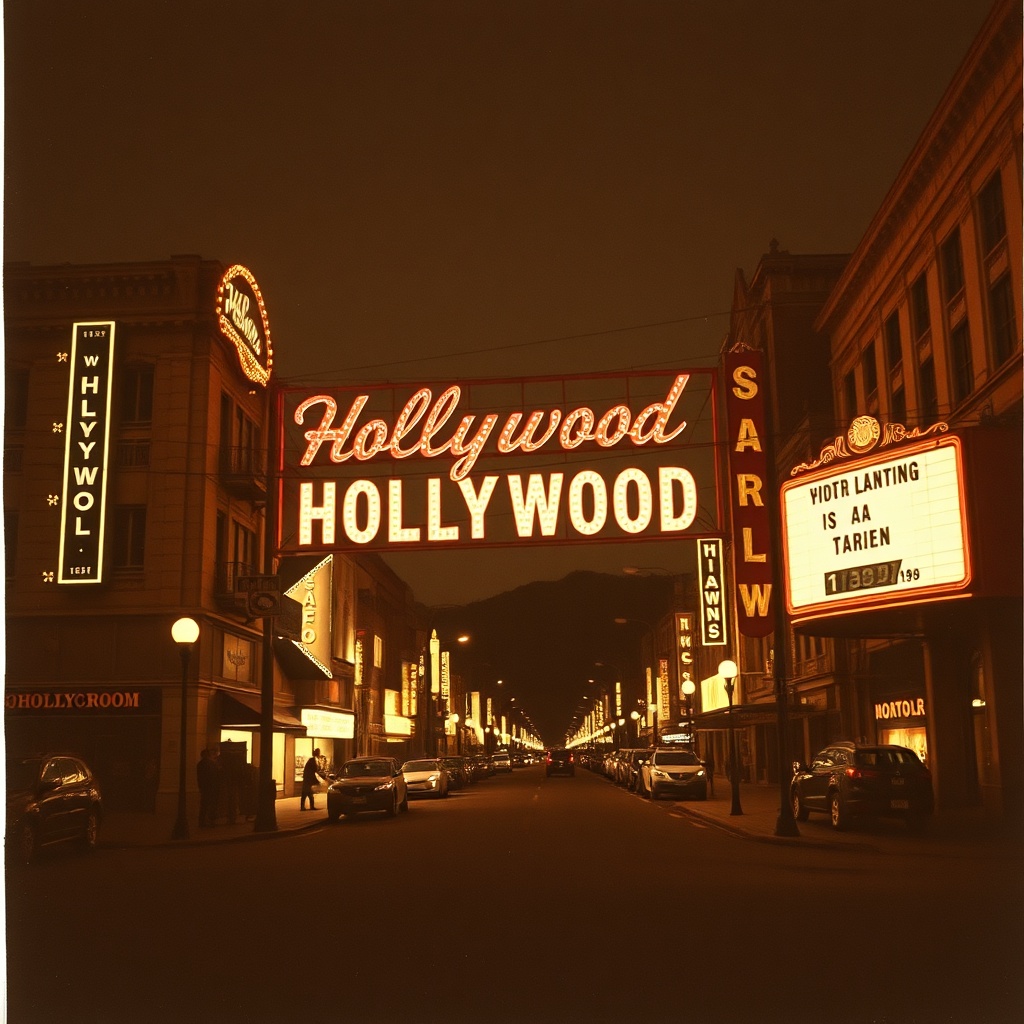
Studios are packaging event-style marketing — extended trailer campaigns, fan screenings, tie-in concerts and interactive pop-ups — to make opening weekends feel like cultural moments. This approach favors films with visual scale or communal appeal, but clever indie marketers have also used similar tactics on a smaller scale to create buzz.
A new content mix: franchises, mid-budgets and originals
Franchise films remain essential for financing and global reach, but there’s renewed interest in mid-budget films that are easier to profitably place across theatrical and streaming outlets. Streaming platforms continue to commission originals to differentiate their catalogs, while studios hedge bets with a slate that includes big blockbusters, niche genre pieces and star-driven dramas. That balance helps studios navigate unpredictable box office patterns and changing audience habits.
Data-driven decisions without losing creative instincts
Streaming platforms provide deep audience data that informs which projects get greenlit, how films are marketed and which international territories should be prioritized.
That data-driven approach improves targeting and can lower marketing waste, but it also challenges traditional metrics of creative success. Savvy teams combine analytics with creative intuition: letting data guide targeting while creative teams craft the storytelling and marketing hooks that actually move audiences.
Marketing has gone digital-first — but not exclusively
Digital advertising, influencer partnerships and short-form social content dominate campaign strategies because they reach younger viewers efficiently. Viral moments created on social platforms can tip a film into mainstream awareness overnight. Still, studios retain strategic outdoor, TV and experiential buys for titles that benefit from broad reach. Integrated campaigns that coordinate social, experiential and linear tactics perform best because they build both awareness and appointment viewing.
Global strategies and localized appeal
International markets continue to shape how films are funded and distributed. Localized marketing, tailored edits and strategic partnerships with regional distributors help maximize global revenue.
Some films even incorporate local talent or settings to boost appeal in key territories. Navigating regional preferences and censorship environments remains a core competency for modern releases.
Where indie films fit
Independent filmmakers find opportunity in festival circuits, boutique distribution deals and hybrid release strategies. Festivals remain vital launch pads, while flexible distribution allows indies to reach audiences through targeted theatrical runs, streaming premieres or premium on-demand.
Building an organic audience through social channels and community screenings often yields greater long-term value than broad, expensive campaigns.
What to watch next
Expect continued experimentation. Studios and platforms will keep adjusting windows, marketing tactics and production slates as audience behavior evolves. For moviegoers, that means more ways to watch—and more occasions when a trip to the theater feels worth planning. For creators and marketers, the new landscape rewards nimbleness: use data wisely, craft memorable experiences, and match release strategy to a title’s unique strengths.