Celebrity Influence: Why Stars Still Shape Culture and How Fans Can Engage Responsibly

Why celebrities still shape culture — and how to engage with them responsibly

Celebrities remain powerful cultural touchstones. Their projects, personal choices, and public statements create trends in fashion, wellness, politics, and charitable giving. But the relationship between famous people and the public has shifted: audiences expect authenticity, not just polished publicity, and celebrities navigate an ever-more-complicated mix of platforms, partnerships, and privacy concerns.

Celebrities image

What drives celebrity influence
– Visibility across platforms: Celebrities now reach fans through film, TV, streaming, podcasts, social channels, and direct-to-fan platforms. That multiplatform presence amplifies influence and blurs lines between personal life and branded content.
– Authentic storytelling: Raw, behind-the-scenes content and candid conversations about mental health, parenthood, or career setbacks resonate more than staged appearances. Audiences reward vulnerability with deeper engagement.
– Business savvy: Many celebrities treat their name as a brand—launching product lines, equity-backed ventures, or creative studios. Those moves turn cultural capital into long-term financial power and influence.

The new privacy paradox
As public figures open up, protecting private life becomes harder. Paparazzi, leaks, and relentless social scrutiny make setting boundaries essential. Some celebrities have turned to legal protections, privacy advisors, and selective sharing strategies to maintain control. Fans play a role too: respectful behavior at public appearances and thoughtful engagement online help keep celebrity interactions sustainable.

Celebrity activism and philanthropy
Prominent figures often use their platforms to spotlight causes, mobilize donations, or raise awareness.

When done authentically, celebrity advocacy can accelerate funding and policy conversations. But performative activism — shallow or short-lived gestures — risks cynicism. The most meaningful celebrity-led initiatives combine visibility with long-term partnerships, measurable goals, and real expertise.

Brand deals and disclosure
The influencer economy and celebrity endorsements are more tightly regulated and scrutinized than before. Transparency about sponsored posts, clear labeling, and honest product experiences have become non-negotiable for credibility. Savvy celebrities choose partnerships that align with their public persona and values; fans reward alignment with loyalty and purchasing behavior.

How fans can engage responsibly
– Pause before sharing: Think about the personal consequences when circulating private photos or rumors.
– Support meaningful work: Donate to causes celebrities endorse if you care about them, and verify that organizations are reputable.
– Spot paid promotion: Look for disclosure language and consider whether the endorsement feels authentic before acting on it.
– Respect boundaries: Autograph lines and premieres aren’t invitations to intrusive behavior; consent matters even when someone is public-facing.

Looking ahead
Celebrity culture will continue to evolve as technology, media platforms, and audience expectations change. The most enduring public figures will be those who balance visibility with integrity—choosing projects that reflect genuine interest, advocating for issues with sustained commitment, and protecting the private corners of their lives. For fans and observers, thoughtful engagement helps ensure celebrity influence remains a force for creativity, community, and positive change rather than spectacle alone.

How Streaming, Eligibility Rules & Inclusion Standards Are Reshaping the Oscars

The Academy Awards remain the film industry’s defining moment, but the paths to nomination and victory have shifted significantly. Streaming platforms, evolving eligibility rules, and new diversity and inclusion standards have reshaped strategies for filmmakers, studios, and viewers who want to understand how contenders rise and fall.

How eligibility and rules changed the game
A major shift is how films qualify for awards. Streaming-first releases now commonly secure a qualifying theatrical run to meet eligibility requirements, blurring the line between “theatrical” and “streaming” releases. The Academy’s eligibility framework also includes representation and inclusion standards that require films seeking top prizes to meet benchmarks across on-screen representation, creative leadership and crew composition, industry access and opportunities, and audience development. Films typically must satisfy at least two of these standards to remain competitive for Best Picture consideration.

What that means for filmmakers and studios
– Release strategy: Opt for a targeted theatrical run when possible.

A limited cinema engagement can boost prestige and ensure awards eligibility while preserving streaming momentum.
– Casting and crew hiring: Intentionally broaden hiring practices to meet inclusion standards and to reflect diverse storytelling voices. This strengthens both creative quality and awards positioning.
– Festival strategy: Film festivals still serve as crucial launchpads. Strong festival buzz and critical acclaim can convert into sustained awards recognition.
– Campaign planning: Traditional “For Your Consideration” campaigns remain essential—screenings, Q&A panels, targeted ads, and direct outreach to voting members complement social media traction and streaming metrics.

Inside the voting process
Understanding how voting works helps decode surprises and snubs. Members of specific branches typically nominate within their discipline (actors nominate actors, directors nominate directors), while Best Picture relies on a preferential voting method that favors broad appeal and consensus. Final winners are chosen by the full voting membership, making crossover support from multiple branches a key advantage.

The influence of streaming platforms
Streaming services have become major players in awards seasons. Their wide reach and sophisticated marketing tools can build massive awareness quickly, but prestige often still hinges on traditional markers: theatrical runs, festival accolades, and critical consensus. Studios balancing prestige with viewership tailor campaigns to capture both critical gatekeepers and a large streaming audience.

Red carpet, fashion, and sustainability
Red carpet moments still generate headlines and cultural conversation. Recently there’s been a notable move toward sustainable fashion—designers highlighting rental options, upcycled materials, and transparent supply chains. These choices resonate with audiences and reflect broader industry conversations about responsibility and image.

What viewers should watch for
– Awards buzz trends: Pay attention to festival winners, critics’ lists, and industry trade coverage for early indicators.
– Streaming traction vs.

theatrical prestige: A film that performs well on a platform and earns festival praise has a strong shot—especially when supported by a smart awards campaign.
– Diversity standards compliance: Films that meet the Academy’s representation and inclusion benchmarks often demonstrate both social relevance and stronger awards positioning.

Academy Awards image

For filmmakers, studios, and viewers alike, the Academy Awards landscape rewards both artistic ambition and strategic planning. Navigating eligibility rules, leveraging the strengths of streaming and theatrical releases, and committing to inclusive practices are now integral parts of building a contender — and the outcomes continue to shape how stories are told and celebrated.

Primary: Best Things to Do in Beverly Hills: Shopping, Dining, Architecture & Day-Trip Tips

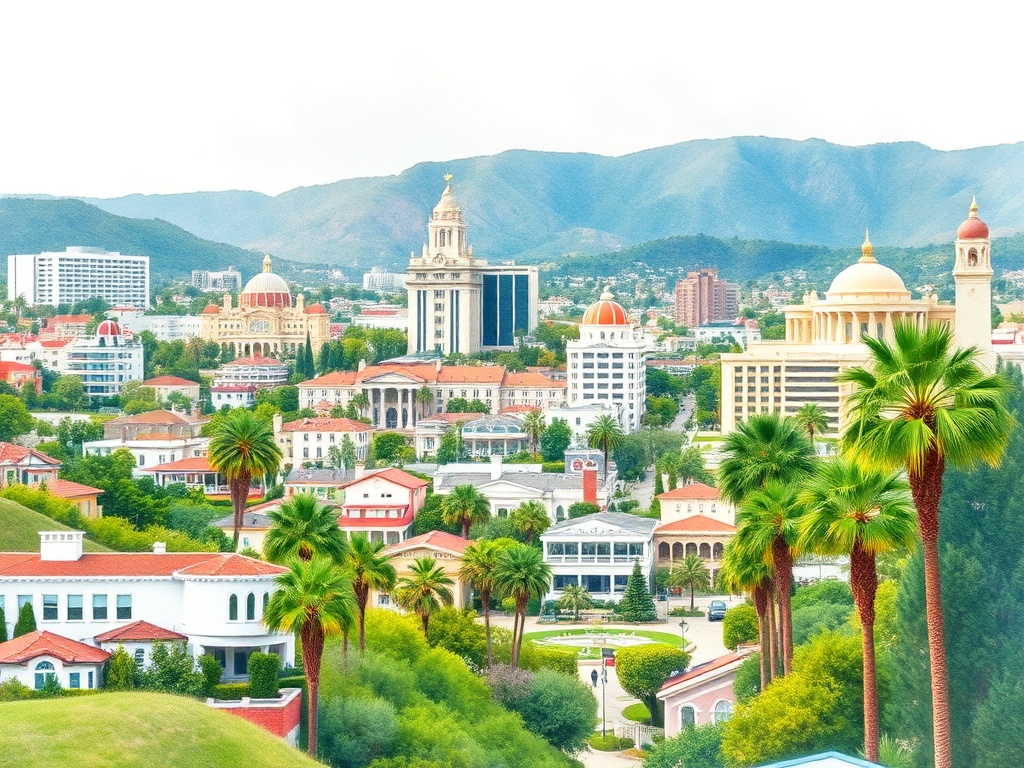
Beverly Hills remains one of the most recognizable neighborhoods for luxury, design, and cultural cachet. Known for its palm-lined boulevards, iconic signage, and world-class shopping, the area blends high-end amenities with surprisingly pleasant public spaces and architectural variety. Whether you’re planning a day trip or scouting neighborhoods, Beverly Hills offers more than celebrity glimpses—there’s history, food, art, and green space to discover.

What to See and Do
– Rodeo Drive and Two Rodeo Drive: Window-shop or browse flagship stores on the famed boulevard. Two Rodeo Drive’s cobblestone lanes and boutique-lined courtyards provide a European feel and great photo opportunities.
– Beverly Gardens Park: Stroll along the cactus garden, rose beds, and the famous Beverly Hills sign—an ideal spot for morning light and relaxed people-watching.
– Greystone Mansion and Park: Explore manicured grounds and dramatic architecture set above the city; the estate often hosts cultural events and outdoor gatherings.
– Cultural venues: Catch a performance or exhibition at local venues known for contemporary programs and community-minded arts initiatives.
– Dining and hospitality: From iconic steakhouses and classic lounges to Michelin-recognized tasting rooms and inventive casual eateries, the dining scene serves both tradition and experimentation. Many hotels also offer celebrated bars and spas worth visiting even if you’re not staying overnight.

Architecture and Neighborhood Character
Beverly Hills mixes Spanish Colonial Revival, Mediterranean, Art Deco, Mid-Century Modern, and contemporary styles. Neighborhoods like the flats, the hills, and historic districts each have a distinct vibe—quiet tree-canopied residential streets contrast with polished commercial corridors.

Preservation efforts help protect architecturally significant homes while allowing sensitive new development, so design-savvy visitors will find plenty to admire.

Shopping and Services
Beyond luxury retail, the city has curated collections of independent boutiques, high-end home stores, and specialty services—from bespoke tailoring to luxury concierge offerings. Personal shoppers and stylists are common; many retailers provide private appointments and discreet entrance options for privacy-minded clients.

Beverly Hills image

Parks, Wellness and Outdoor Life
Public gardens, walking paths, and pocket parks punctuate the city.

Outdoor fitness classes, boutique wellness studios, and spa enclaves cater to a health-conscious clientele. The mild climate makes alfresco dining and open-air experiences enjoyable for much of the year.

Traveler Tips
– Visit early on weekdays to avoid heavier crowds on shopping streets and to find easier parking.
– Book reservations in advance for popular restaurants and spa treatments; many venues fill quickly.
– Dress comfortably for walking—cobblestones, hills, and shaded promenades are best navigated on foot.
– Respect private property and privacy: many residential streets are not public tourist attractions despite their cinematic appeal.

Sustainability and Community
Local initiatives increasingly focus on urban canopy preservation, water-wise landscaping, and clean transportation options. Expect to find EV charging stations, pedestrian-friendly upgrades, and investment in community arts and public gardens—efforts that balance luxury with responsible stewardship.

Whether you’re drawn by architecture, cuisine, upscale shopping, or simply the atmosphere, Beverly Hills offers layered experiences beyond its headline glamour. Plan a flexible itinerary that mixes iconic stops with quieter discoveries to get the fullest sense of this compact but richly varied enclave.

Bel Air Homes: Old‑Hollywood Glamour, Modern Design & Private Hillside Living

Bel Air blends old-Hollywood glamour with contemporary design, offering a unique mix of privacy, hillside views, and urban convenience. Nestled behind gated drives and winding canyons, the neighborhood remains one of the most sought-after residential enclaves for those who value quiet streets, large lots, and proximity to top-tier cultural and educational amenities.

Architecture and streetscape
Architecture in Bel Air spans eras and styles. You’ll find classic Mediterranean and Spanish Revival villas alongside mid-century modern homes and dramatic glass-and-steel contemporary estates. Many properties prioritize indoor-outdoor living, with terraces, infinity pools, and landscaped courtyards that take advantage of canyon and city views. Mature trees and winding roads give the area a park-like feel that sets it apart from denser parts of the city.

Lifestyle and local amenities
Despite its secluded character, Bel Air is close to vibrant neighborhoods and conveniences. Easy access to nearby cultural institutions, boutique shopping, high-end dining, and major universities makes it attractive to families and professionals alike. Private clubs, well-regarded local schools, and boutique fitness studios add to the neighborhood’s draw for residents seeking a balanced, upscale lifestyle.

Outdoor recreation and natural features
Bel Air’s topography provides great opportunities for outdoor activity. Canyons, ridgelines, and pocket parks offer hiking, trail walking, and scenic viewpoints. For many residents, being able to slip into a morning run or an evening walk without leaving the neighborhood is a major quality-of-life benefit. The landscape also encourages wildlife viewing—foxes, birds of prey, and other native species are common sights.

Privacy, security, and smart-home trends
Privacy and security are core priorities in Bel Air. Gated estates, discreet security measures, and mature landscaping create private retreats for homeowners. Smart-home technology has become increasingly integrated into these properties—advanced security systems, home automation for climate and lighting, and whole-property controls are standard expectations for many buyers.

Sustainability and wildfire preparedness
Hillside living comes with environmental responsibilities. Residents and property managers are placing stronger emphasis on water-wise landscaping, native plant restoration, and drought-tolerant garden design to reduce irrigation needs.

Bel Air image

Wildfire preparedness is a consistent focus: creating defensible space, using ember-resistant building materials, and maintaining clear evacuation routes are practical steps that protect homes and neighborhoods.

Real estate outlook and buyer considerations
Demand for Bel Air properties tends to emphasize lot size, privacy, and quality of renovations. Buyers often seek turnkey homes with modernized systems and resilient landscaping, while some are attracted to renovation opportunities that preserve historic character. Sellers benefit from highlighting outdoor living areas, upgrades to energy and fire safety systems, and the property’s privacy profile.

Tips for prospective residents
– Tour a range of property types to understand how lot size and topography impact privacy and maintenance needs.
– Prioritize inspections for hillside properties, focusing on drainage, retaining walls, and vegetation management.
– Ask about neighborhood associations and community plans that influence street maintenance, security, and local services.
– Consider long-term water and wildfire resilience when evaluating landscaping and construction choices.

Bel Air continues to attract those who want a blend of seclusion and city access—properties that deliver thoughtful design, outdoor living, and the practical resilience that hillside living requires. For prospective homeowners and long-time residents alike, careful planning and attention to landscape and safety translate into a lasting and comfortable lifestyle.

Malibu Travel Guide: Best Beaches, Surf Spots, Hiking Trails & Coastal Conservation

Malibu blends a laid-back beach vibe with serious outdoor culture and an ongoing commitment to coastal conservation. Stretching along the Pacific, its iconic coastline, rugged canyons, and coastal bluffs attract surfers, hikers, families, and anyone who appreciates scenic drives and open-air dining.

Why visitors keep coming
– Surf culture: Surfrider Beach is world-famous for its long, peeling right-hand break—perfect for longboarders. Zuma Beach and County Line offer more powerful surf and wide sandy stretches. Regardless of ability, check local surf reports and respect local lineups.
– Scenic drives: The Pacific Coast Highway winds along Malibu’s coastline, offering panoramic ocean views, dramatic cliffs, and pullouts ideal for photos. Expect morning marine layers that burn off into sunny afternoons.
– Outdoor recreation: Beyond the beaches, Malibu Creek State Park and Solstice Canyon provide accessible trails through oak woodlands, waterfalls, and rock formations. Point Dume offers cliff-top views and tide pools at low tide for quiet exploration.

Conservation and coastal challenges
Malibu faces the same environmental pressures that affect many coastal communities: erosion, habitat loss, wildfire recovery, and storm-driven runoff.

Local organizations and residents prioritize dune restoration, native plant revegetation, and water-quality monitoring. After heavy rains, some beaches can experience bacterial contamination from stormwater, so checking local advisories before swimming is wise.

Public access and beach etiquette
Access to the shoreline is protected by coastal policies, but parking and public access points can be limited in some neighborhoods.

Popular beaches fill up early on weekends and holidays.

Observe posted signs, take your trash with you, avoid disturbing wildlife, and be mindful that private homes back much of the coast—stick to official pathways and public access easements.

Where to eat and unwind
Malibu’s dining scene leans toward farm-to-table and seafood-driven menus, many with ocean views. Beachfront cafes and more refined restaurants coexist with casual taco stands and picnic-friendly markets.

For a relaxed meal, consider eateries near the pier or in Malibu Country Mart and the Malibu Lumber Yard, which blend shopping and dining in walkable spaces.

Cultural and family-friendly spots
The Malibu Pier, with its fishing and strolling opportunities, is a welcome gathering point. The Malibu Lagoon and its museum highlight local natural and cultural history, while nearby estates and gardens open occasionally for tours and events. For families, tide pools at protected coves and calmer stretches of beach provide safe, engaging experiences.

Practical tips
– Parking: Bring change or use pay-by-phone options where available; parking fills quickly on sunny days.

Malibu image

– Safety: Strong currents and rip tides are common—swim near lifeguarded areas and heed warnings. Wear sunscreen and layer up: the coastal microclimate can shift quickly.
– Leave no trace: Respect nesting birds, restored dunes, and native plants. Even small actions—staying on trails, disposing of trash properly—help preserve Malibu’s natural charm.

Whether you’re chasing waves, hiking a coastal trail, or simply watching the sunset from a bluff, Malibu offers a timeless coastal experience that balances recreation, culture, and conservation. Plan ahead for weather, parking, and water conditions, and you’ll enjoy some of the most iconic shoreline scenery the coast has to offer.

SAG Awards: Why Actors’ Honors Matter More Than Ever

SAG Awards: Why Actors’ Honors Matter More Than Ever

The Screen Actors Guild Awards are a unique moment in awards season because the winners are chosen by peers. When actors vote for other actors, the results carry a distinct kind of industry validation—an acknowledgement that resonates with casting directors, producers, and audiences alike. That peer-driven aspect is one reason why SAG recognition can have a tangible impact on careers and campaign momentum.

What the awards celebrate
The SAG Awards honor outstanding performances in film and television, with categories for leading and supporting actors, as well as ensemble casts. The ensemble prize is especially notable: it recognizes collaborative storytelling and can elevate a project’s profile more effectively than a single-actor accolade. Stunt ensembles and ensemble casts in drama and comedy series also receive attention, highlighting the breadth of contribution that goes into productions.

Why actors’ votes matter
Because the voting body is composed of fellow performers, a SAG win signals professional respect. Industry insiders often view this as a more meaningful barometer than critics’ prizes or fan-voted awards.

For many nominees, a SAG statuette becomes a talking point that opens doors to new roles, better representation, and increased negotiating power.

SAG Awards image

Predictive power and awards season influence
SAG results are frequently watched for insights into the wider awards landscape. Individual acting winners and ensemble victors are often considered strong indicators of broader industry consensus. Campaign teams and publicists pay close attention, as a high-profile SAG outcome can shift media narratives, influence subsequent voters, and affect promotional strategies.

Fashion, moments, and red-carpet culture
The SAG Awards are also a red-carpet showcase that blends fashion, activism, and memorable speeches.

Performers often use the platform to highlight causes, emerging designers, and collaborative credits. Viewers and journalists expect both style statements and heartfelt acceptance speeches that highlight craft, gratitude, and sometimes social advocacy.

Diversity, inclusion, and representation
The ceremony has become a stage for ongoing conversations about representation in casting and storytelling.

Nominees and winners help signal which stories and performers are gaining traction, and the industry-watchers see the awards as one measure—among many—of how inclusive casting trends are evolving. Studios and showrunners take note when underrepresented performers receive peer recognition, as it can influence future hiring and storytelling decisions.

How to watch and engage
Official channels and streaming partners typically announce coverage details around the event, and social platforms light up with nominee reactions and red-carpet highlights. For viewers who track awards season trends, following nominee interviews, acceptance speeches, and ensemble roundtables provides insight into the creative process behind standout performances.

What to look for next
Keep an eye on ensemble-driven projects and performances that generate strong peer buzz during the season. Because the SAG Awards prioritize acting craft above spectacle, surprises sometimes emerge: breakout performers, overlooked supporting players, and tightly knit casts can all rise to prominence. For anyone interested in acting, casting, or the pulse of the industry, the SAG Awards remain a must-watch gauge of professional acclaim and creative momentum.

Bel Air Real Estate Guide: Buying Luxury Homes, Privacy & Design Trends

Bel Air remains one of the most sought-after neighborhoods in Los Angeles: a gated, tree-lined enclave where midcentury modern estates and Mediterranean villas sit behind tall hedges and private driveways. Known for sweeping canyon and city views, quiet streets, and strict privacy measures, Bel Air attracts people who value discretion, elegance, and proximity to the best of the Westside.

Lifestyle and local highlights
Bel Air balances serene residential character with premium amenities. The iconic Hotel Bel-Air anchors local hospitality with refined dining and manicured grounds, while private clubs and country clubs offer golf, tennis, and social events. Proximity to UCLA, the Getty, Beverly Hills, and Century City means cultural institutions, high-end shopping, and top medical centers are a short drive away. Restaurants and daily conveniences are found nearby in neighboring communities, but many residents prefer the privacy of in-home entertaining and private wellness spaces.

What buyers look for
Luxury buyers in Bel Air often prioritize privacy, security, and views. Properties range from historic landmark estates to modern architectural statements and turnkey renovated homes. Key features that command attention include oversized lots, gated entrances, guest houses or ADUs, home theaters, wellness facilities, and advanced smart-home systems. Sustainable upgrades like solar arrays, water-wise landscaping, and EV chargers are increasingly expected in luxury listings.

Practical considerations for ownership
Purchasing in Bel Air requires attention to more than aesthetics. Hillside properties come with unique maintenance and insurance considerations: slope stability, drainage, and wildfire mitigation are critical. Buyers should confirm compliance with local defensible-space requirements, review grading and drainage reports, and obtain thorough inspections before closing. Seismic retrofits and foundation reinforcements are common on older estates. Association rules and gate access protocols vary between sections of Bel Air, so it’s important to review any community covenants, conditions, and restrictions.

Design and renovation trends
Renovations in Bel Air tend to favor clean, indoor-outdoor living that takes advantage of panoramic views.

Bel Air image

Key trends include expansive glass walls, seamless terraces and pools, minimalist landscaping that conserves water, integrated home automation, and subtle luxury finishes that prioritize comfort and privacy over overt ostentation.

Sustainable materials and energy-efficient systems are frequently incorporated into high-end remodels to reduce operating costs and environmental impact.

Working with local professionals
Because neighborhood nuance matters, buyers and sellers benefit from working with brokers, architects, and contractors who specialize in Bel Air properties. Local experts can advise on permitting challenges, historic-preservation guidelines for older estates, and strategies to maximize natural light and views while preserving privacy. For sellers, targeted marketing that emphasizes lifestyle, security, and unique outdoor spaces often attracts qualified buyers quickly.

Why Bel Air endures
The combination of exclusivity, natural beauty, and convenient access to Los Angeles’ cultural and business hubs keeps Bel Air in high demand. Whether seeking a quiet hilltop retreat, a family estate with room for guests and staff, or a modern architectural showcase, the neighborhood offers a distinctive blend of prestige and livability. For anyone considering a move to Bel Air, careful due diligence and the right local team are the most reliable ways to secure a property that fits both lifestyle and long-term value goals.

Recommended (SEO-friendly, concise):

How Celebrities Are Shaping Sustainable Fashion — And How You Can Follow Their Lead

Celebrities have always set style trends, but their influence now extends beyond aesthetics. With audiences paying attention to choices that reflect values, public figures are increasingly championing sustainable fashion — from renting red carpet looks to launching ethical lines. That shift is changing how mainstream consumers think about clothing, offering practical pathways to a more sustainable wardrobe.

Why celebrity choices matter
High-profile endorsements move markets.

When a widely followed star wears a recycled fabric gown or partners with an ethical brand, millions see sustainable options normalized and desirable. Social platforms amplify these moments, turning one outfit into a conversation about production, transparency, and longevity. The result: more searches for eco-friendly brands, higher visibility for smaller ethical labels, and growing demand for circular fashion options like resale and rental.

Real actions, not just messaging
Meaningful impact comes when celebrity actions match messaging. Some public figures are investing in sustainable brands, joining boards, or creating lines that prioritize materials and worker welfare. Others are adopting wardrobe strategies that reduce consumption — favoring vintage, supporting local artisans, or building capsule closets.

These practices show that sustainable fashion can be stylish, aspirational, and practical at once.

Practical lessons you can apply

Celebrities image

– Embrace rental and resale: Renting special-occasion outfits or buying pre-owned designer pieces cuts waste and extends the life of garments. Look to curated resale platforms and local consignment shops for quality finds.
– Build a capsule wardrobe: Focus on versatile, well-made pieces that mix and match. A smaller, thoughtfully chosen collection reduces impulse buys and keeps outfits fresh without excess.
– Prioritize fabric and care: Natural, durable fibers and proper garment care increase longevity.

Learn repair basics — sewing on buttons, patching elbows, or finding local tailors — to keep clothes in rotation longer.
– Support transparent brands: Choose makers that disclose sourcing, use lower-impact materials, and demonstrate fair labor practices.

Even modest shifts in purchasing can sway brand behavior over time.
– Upcycle and swap: Clothing swaps and DIY upcycling transform unused items into renewed favorites, keeping textiles out of the landfill and sparking creativity.

Red carpet influence with long-term potential
Red carpet moments still generate headlines, but the focus is shifting from one-off spectacle to storytelling.

Celebrities who pair striking design with sustainable credentials are turning public appearances into teachable moments about material choice and craft.

When stylists and designers collaborate to prioritize ethical production, the fashion industry begins to evolve from the supply chain inward.

Challenges and the road ahead
Celebrity endorsement is powerful, but not a cure-all. Greenwashing remains a concern; savvy consumers must look beyond labels and PR.

Systemic change requires policy, supply-chain innovation, and industry-wide adoption of circular practices.

Still, celebrities can accelerate cultural acceptance and fund initiatives that scale sustainable solutions.

A step-by-step mindset
Adopting celebrity-inspired sustainable habits doesn’t require a complete wardrobe overhaul. Start by assessing what’s already owned, choosing quality over quantity on the next purchase, and exploring resale or rental for special events. Small, consistent changes create a ripple effect: demand shifts, brands respond, and sustainable fashion becomes more accessible for everyone.

How the Oscars Work: Voting, Campaign Strategies, and What Wins

The Academy Awards remain the most visible moment for the film industry, where prestige, commerce and cultural conversation intersect.

While the ceremony itself is a single night, what leads up to it is a complex ecosystem of strategy, taste-making and shifting rules that shape which films rise to the top.

How voting works and why it matters
Members of the Academy are divided into branches — actors, directors, writers, cinematographers and more — and many categories are voted on first by the relevant branch, with the full membership voting for Best Picture.

Best Picture uses a preferential ballot that can yield anywhere from five to ten nominees, rewarding broad support rather than just the highest vote totals. Shortlists are used in several categories (documentary, visual effects, international features) to narrow contenders before final nominations are announced.

The power of timing, format and visibility
A film’s release plan strongly affects its awards prospects. Theatrical availability in key markets and a well-timed release window help voters actually see a film.

The rise of streaming has reshaped those expectations: the Academy adjusted eligibility rules to account for different distribution models, but visibility — through screenings, Q&As and targeted showings for voting members — remains essential. Consistent, high-quality exposure often trumps raw marketing spend.

What voters tend to reward
Emotional clarity, technical distinction and community buzz all factor in. Actors and directors often win when their work stands out visibly and repeatedly to their peers; guild awards from actors, directors and producers can create momentum. Technical branches prize innovation and craftsmanship, while music and song voters look for memorable, narrative-driven pieces. Films that balance artistry with emotional accessibility tend to travel far.

Campaign strategies that work
“For Your Consideration” campaigns, screenings and press tours are standard, but authenticity counts. Events that let voters meet filmmakers and see the creative process can overcome obscurity.

Targeting branch-specific voters — for example, hosting cinematography screenings for cinematographers — is efficient.

Strong festival premieres and critics’ awards can jumpstart visibility for smaller titles, turning niche buzz into broader awards readiness.

Why controversies linger
Debates about diversity, representation and transparency persist because the Oscars shape careers and cultural narratives. The Academy has expanded membership and made procedural tweaks to be more inclusive, but the underlying tension between commercial appeal and artistic recognition remains. Accusations of “Oscar bait,” overzealous campaigning, or snubs crop up every season, reflecting the subjective nature of art and the high stakes involved.

Opportunities for independent films
Independent and international films can still break through by concentrating efforts on early critical acclaim, festival momentum and focused outreach to Academy branches.

A clear awards narrative — whether a performer-led story, a technical achievement or a timely cultural theme — helps voters remember and champion a film.

For movie fans and filmmakers alike, the Academy Awards are about more than trophies. They’re a barometer of industry priorities, a marketplace for prestige, and a cultural mirror of what stories and craft are being celebrated. Paying attention to the mechanics behind nominations and wins reveals why certain films rise and how the industry continues to evolve.

Academy Awards image

Essential Malibu Travel Guide: Best Beaches, Surf Spots, Hiking Trails & Conservation Tips

Malibu blends dramatic coastline, laid-back surf culture, and protected natural spaces into a coastal experience that’s both iconic and evolving. Whether you’re planning a day trip or scouting a longer stay, these highlights and practical tips will help you make the most of Malibu’s beaches, trails, dining, and conservation-minded community.

Beaches and Surf
Malibu’s beaches are the primary draw. Surfrider Beach is famous for its long right-hand point break and was recognized as a World Surfing Reserve, making it a must-visit for surfers and spectators. Zuma Beach and El Matador offer expansive sand and strong waves for experienced swimmers—Zuma is family-friendly with lifeguards and plenty of parking when you arrive early.

For dramatic cliffside views and tide pools, Point Dume provides excellent sunset vantage points and seasonal marine life viewing; check tide schedules before heading out.

Hiking and Outdoor Spaces
The Santa Monica Mountains define Malibu’s backcountry, with access to miles of trails and state parks.

Malibu image

Solstice Canyon offers a shaded, relatively easy hike to a waterfall and the remains of old homesteads. Malibu Creek State Park features rugged canyons and the rock formations made famous by television and film locations. Topanga State Park provides higher-elevation ridgelines and panoramic ocean views. Trails can be hot and exposed—bring water, sun protection, and layers for coastal winds.

Dining and Local Flavor
Malibu’s dining scene ranges from casual beachfront cafes to high-end seafood restaurants. The pier area hosts popular spots where farm-to-table ingredients and ocean views meet. The Malibu Country Mart and neighboring Malibu Lumber Yard curate boutique shopping, eateries, and galleries—good for a relaxed afternoon. Local farmers’ markets and artisanal shops are strong on fresh, locally sourced ingredients and sustainable seafood.

Conservation and Community
Conservation is central to Malibu’s identity. Local and national organizations work on coastal preservation, marine protection, and habitat restoration. Ongoing challenges like coastal erosion, wildfire risk, and water conservation shape local planning and community initiatives.

Visitors can support these efforts by following posted rules at beaches and trails, avoiding sensitive habitats, and participating in beach cleanups or local stewardship events.

Practical Tips for Visiting
– Traffic and Parking: The Pacific Coast Highway is scenic but busy—plan travel outside peak commute hours and arrive early for popular beach lots.

Some areas use paid parking or timed limits.
– Respect Private Property: Many coastal bluffs and paths cross private lands; stay on public access points and honor posted signs.
– Tide Awareness: Tide pools and certain beach accesses are best at low tide; high tide can make some spots inaccessible.
– Safety: Ocean conditions change quickly—obey lifeguards, be cautious of rip currents, and don’t underestimate waves near rocky points. Prepare for sun and wind with sunscreen, hats, and windbreakers.
– Pet Rules: Dog regulations vary by beach and season—check local signage before bringing pets.

Why Malibu Matters
Malibu remains a powerful symbol of California’s coastal lifestyle: a mix of surf culture, scenic drives, protected open space, and a community engaged with environmental stewardship. It’s as much a place for active outdoor days—surfing, hiking, tide-pooling—as it is for relaxed evenings watching a Pacific sunset. Respectful visitation helps preserve those qualities for residents and future visitors alike.