Malibu combines rugged coastline, world-class surf, and a relaxed coastal lifestyle that draws visitors and residents alike. Whether you’re planning a day trip or thinking about making Malibu home, knowing where to go and what to expect makes the experience richer and more sustainable.
Highlights and must-see spots
– Zuma Beach: Wide sand and consistent waves make this one of Malibu’s most family-friendly beaches.
Lifeguards are often on duty and parking fills up fast on warm days.
– Surfrider Beach and Malibu Pier: A historic right-hand point break popular with longboarders. The pier is a great vantage point for sunset watching and casual dining.
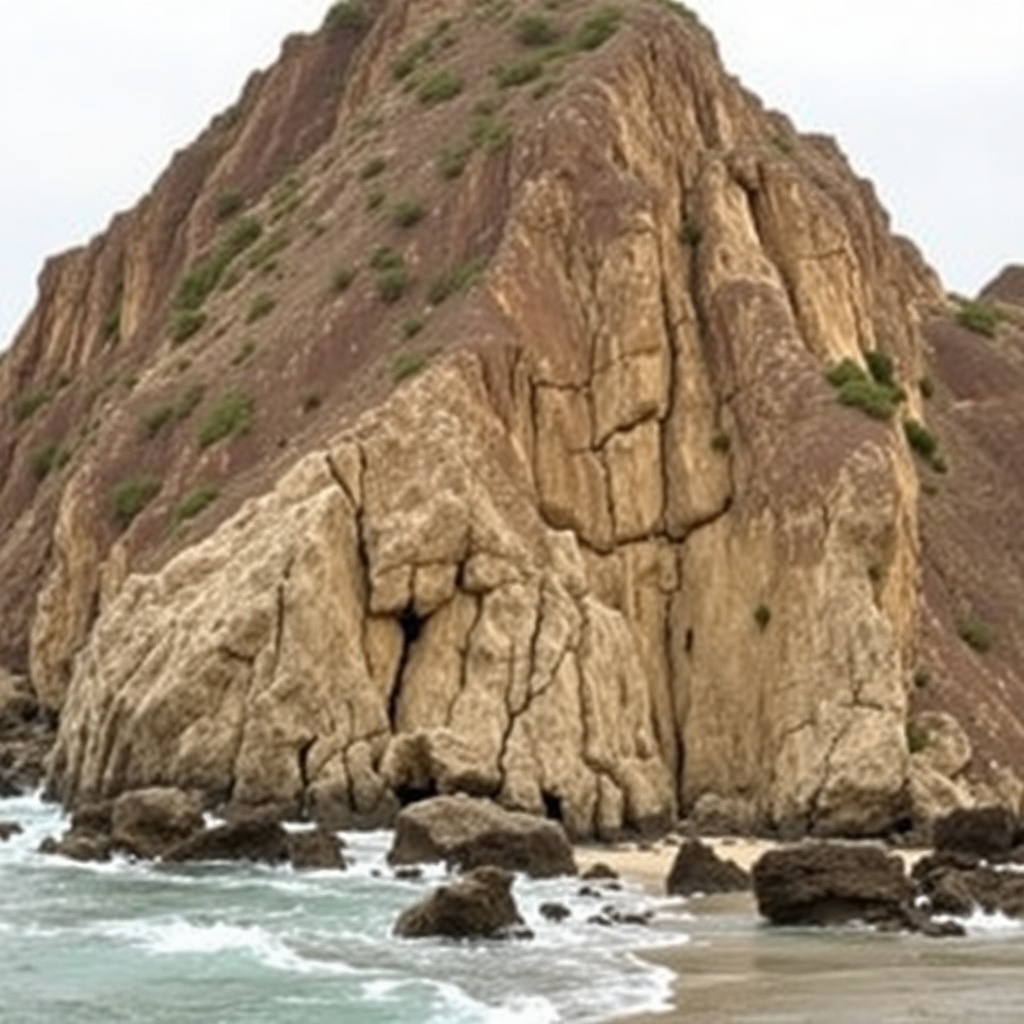
– Point Dume State Beach: Dramatic cliffs, tide pools, and coastal wildflowers at low tide reward hikers and photographers.
– Malibu Creek State Park: Inland, this park offers scenic trails, rock climbing and opportunities for wildlife viewing away from the coast.
– Adamson House and Malibu Lagoon Museum: Learn about local history and see classic tile work and restored historic landscapes near the lagoon.
Surf, sand and sun-smart tips
Malibu’s surf culture is legendary, but local etiquette matters. Respect priority lines in the water, avoid dropping in on someone’s wave, and be mindful of swimmers near shore. Bring reef-safe sunscreen to protect marine life and reduce chemical runoff that can harm kelp forests and tide-pool organisms.
Practical visitor advice
– Arrive early for parking, especially on weekends and holidays. Street and lot restrictions are enforced.
– Check tide and swell forecasts before heading to tide-pool areas; low tide reveals the best pools and sea life.
– Layer clothing: coastal fog can make mornings cool while afternoons warm quickly under direct sun.
– Pack water and minimize single-use plastics. Water sources on some beaches and trails are limited.
Environmental challenges and stewardship
Malibu faces coastal erosion, stormwater runoff, and wildfire risk — natural processes intensified by development pressures and climate-related shifts. Local nonprofits, volunteers and agencies often organize beach cleanups, native dune restoration, and watershed projects aimed at improving water quality and habitat for native species like steelhead trout and coastal birds.
Residents and visitors can help by participating in community cleanups, using native landscaping to reduce irrigation needs, and choosing public transit or carpooling when possible to ease traffic and emissions along the Pacific Coast Highway (the main coastal route).
Safety and preparedness
Wildfire season and sudden coastal storms are part of the regional reality. Homeowners are encouraged to maintain defensible space, follow local evacuation guidance, and have emergency plans and kits ready.
For visitors, know your exit routes and stay aware of weather advisories and posted closures for beaches or trails.
Dining and local culture
Malibu’s dining scene leans toward fresh, ocean-inspired menus with an emphasis on local seafood and farm-direct produce. Farmer’s markets, casual beachfront cafes and a few destination restaurants all offer ways to taste the coast. Check operating hours and reservation policies before visiting to avoid disappointment.
Enjoying Malibu responsibly
Malibu rewards those who slow down and pay attention — whether watching surfers carve a long right, hiking a quiet ridge trail, or enjoying a sunset at the pier. Respect for the coastline, wildlife and local communities helps keep Malibu’s beaches and hills beautiful for everyone who comes to experience them.