The Los Angeles River is shedding its concrete image and becoming a central piece of the city’s push for greener, more connected neighborhoods. What started as a flood-control channel has evolved into a multi-use corridor that blends recreation, habitat restoration, and equitable development—shaping how Angelenos live, move, and play.
What’s changing along the river
– Expanded open space: Parks and pocket greens have appeared along long stretches of the river, turning underused land into places for picnics, running, and community events.
– Continuous bike and pedestrian paths: New segments of trail are linking neighborhoods, making active commutes and weekend rides safer and more enjoyable.
– Habitat and water quality projects: Native plantings, wetlands, and improved stormwater management are restoring habitat for birds and pollinators while helping filter runoff before it reaches the waterway.
– Community-led design: Neighborhood groups and local artists are shaping park concepts, public art, and programming, ensuring projects reflect local cultures and needs.
Why it matters for Angelenos
The river revitalization delivers benefits that extend well beyond recreation. Improved green space can reduce urban heat islands, improve air quality, and provide accessible outdoor options for communities with few park resources. Trail connections make active transportation viable for more people, easing car dependency and creating healthier commuting choices. Ecological restoration supports biodiversity in a dense urban setting, giving city dwellers real opportunities for nature encounters without leaving the metro area.
Neighborhood impacts and real estate
Greener riverfronts attract foot traffic, businesses, and investment. That can be positive—more cafes, fitness studios, and farmer’s markets bring vitality—but it also raises concerns about displacement and affordability. Successful projects pair physical improvements with policy tools and community benefits such as affordable housing, local hiring practices, and small-business support to ensure gains are shared.
How to experience the river now
– Choose a multimodal approach: Combine Metro light rail or local buses with bike-share or walking to reach trailheads. This avoids parking hassles and supports sustainable access.
– Follow mapped segments: The river corridor is a mosaic of open stretches and areas still under construction; check local trail maps and park district updates to plan the smoothest route.
– Look for programming: Community cleanups, guided nature walks, and seasonal festivals are common; joining these events is a great way to meet neighbors and learn about ongoing projects.
– Respect habitats: Stick to paths, bring reusable water, and pack out trash. Many restoration sites are fragile—small actions help protect wildlife and plantings.
Community voices and governance
Long-term success depends on meaningful community engagement and accountable governance.
Local councils, park districts, and advocacy groups are working to ensure planning includes affordable housing strategies, safe routes for people walking and cycling, and opportunities for small local businesses to thrive. Public meetings and volunteer opportunities are open to anyone who wants a say.
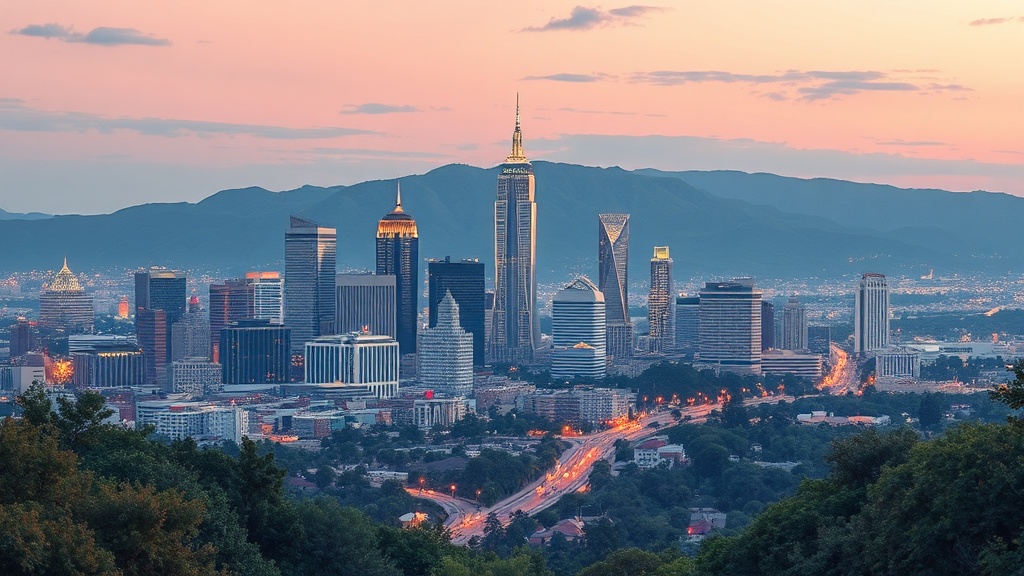
The river as a model for urban change
The Los Angeles River illustrates how infrastructure can be reimagined to serve environmental goals, public health, and community connection at once. For residents and visitors, it’s a reminder that urban transformation is an ongoing process—one that benefits from active participation, thoughtful planning, and a focus on equitable outcomes. Explore a nearby trail, join a community event, or follow local planning updates to stay involved as the corridor continues to evolve.