How the Grammys Are Evolving — and What Artists and Fans Should Watch
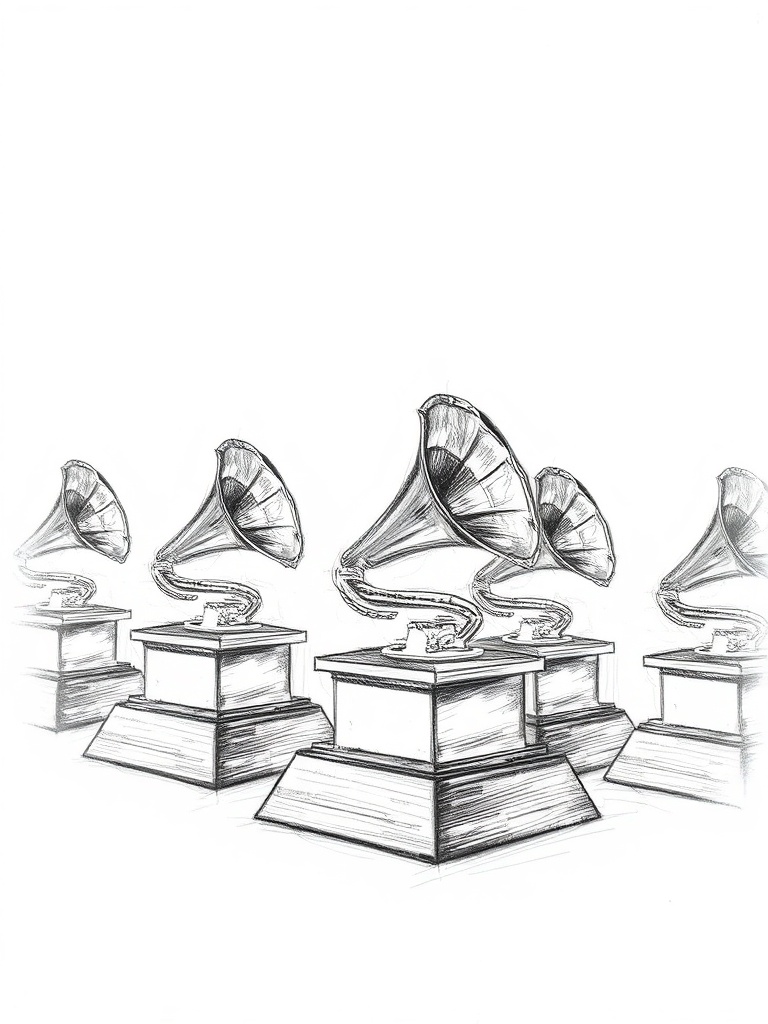
The Grammys remain one of music’s most influential platforms, but the ceremony and the Recording Academy behind it have continued to adapt as the industry changes. For artists, industry professionals, and fans alike, understanding those shifts can make the difference between a surprise nomination and a missed opportunity.
What’s changing in the awards landscape
– Genre fluidity: Genres are blending more than ever. Pop, R&B, hip‑hop, electronic, and global styles increasingly intersect, and the awards are adjusting category names and criteria to reflect that fluidity. Expect more cross‑category nominations and collaborative projects that challenge traditional labeling.
– Global recognition: The Academy has broadened its scope to better include music from outside the mainstream Western market. Categories and submission guidance have evolved to celebrate music produced in different languages and cultural contexts, giving international artists more visibility.
– Streaming and social signals: Streaming numbers, playlist placements, and viral traction now factor into an artist’s visibility. While artistic merit remains central to voting members, measurable audience engagement can help a record get noticed during nomination rounds.
– Campaign transparency and process tweaks: The Recording Academy has been refining submission rules and outreach to members to ensure a fairer, clearer nominating process. That includes updated guidelines, outreach to underrepresented communities, and efforts to help voters find submissions across genres.
– Live performance emphasis: Showcases during the ceremony and special performances have become major talking points. Producers stage unique collaborations and surprise appearances to create memorable moments that fuel post‑ceremony streaming and conversation.
How artists can increase their chances
While there’s no guaranteed path to a nomination, a strategic approach improves the odds:
– Prepare early and follow submission rules: Ensure releases are submitted properly to the Academy and that credits (producers, songwriters, engineers) are accurate. Administrative errors can disqualify otherwise strong entries.
– Build a balanced profile: Combine critical acclaim (reviews, press) with measurable audience engagement (streams, radio, playlist adds). Both influence how work is perceived by voting members.
– Leverage playlists and syncs: Editorial playlist placements and sync licensing can amplify reach and introduce music to new audiences — and to voting members who scout trends.
– Tell the story: Create a clear narrative around a release in your press kit.
Voters are more likely to listen closely when context explains artistic intent, production approaches, or cultural impact.
– Network with care: Engage respectfully with industry peers and Academy members.
Live showcases, panel appearances, and professional relationships can raise awareness of your work.
What fans should watch for
Fans can enjoy the ceremony while also following broader trends. Pay attention to breakout nominees in new or expanded categories, surprise collaborations during the broadcast, and how the awards recognize music from diverse languages and regions. Post‑ceremony streaming surges often reveal the songs and albums that resonated most.
The Grammys will likely continue to evolve alongside how music is made, consumed, and discussed. For artists, staying informed about submission procedures, understanding the role of audience metrics, and crafting a compelling artistic narrative are practical steps that can help music find its way into the conversation.
For fans, the ceremony is a snapshot of culture, highlighting the works that connect across platforms and borders.