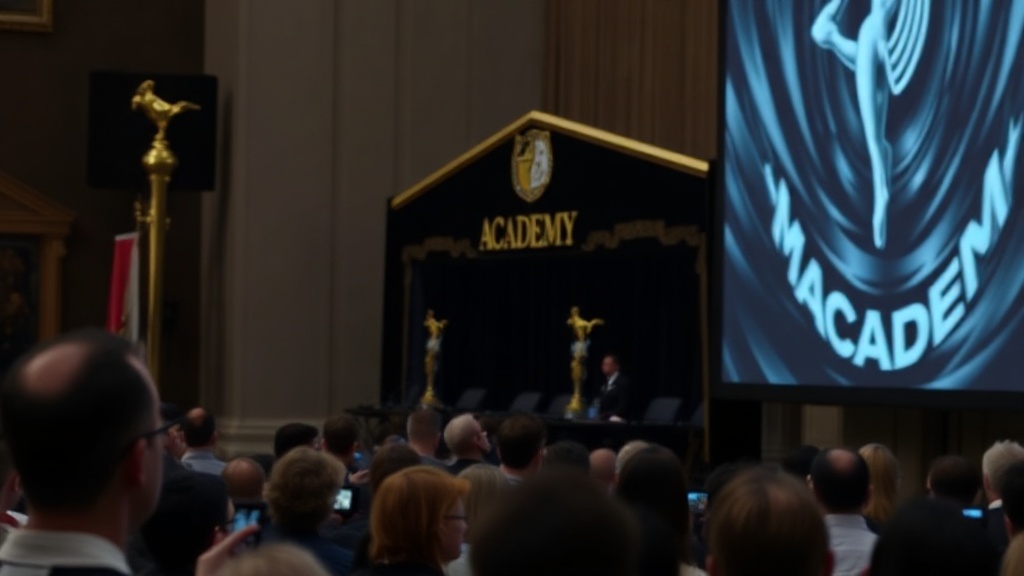
The New Oscars Playbook: How Streaming, Theatrical Windows, and Voting Reforms Shape Academy Awards Strategy

Streaming, theatrical release strategies, and shifting voting rules have reshaped the landscape of the Academy Awards, creating fresh opportunities and new challenges for filmmakers, studios, and audiences. Understanding how the Oscars now operate helps creators plan campaigns that maximize visibility — and helps viewers know where to find nominated films.

How streaming changed eligibility and release strategy
The rise of major streaming platforms fundamentally altered traditional theatrical windows. The Academy adjusted eligibility rules to reflect a hybrid distribution world, requiring a qualifying theatrical run for many categories while also recognizing works that premiered on streaming services. That means filmmakers can reach broad audiences via streaming while still meeting theatrical requirements — typically a limited engagement in key markets combined with broader digital distribution.

For distributors, timing matters. A short, strategic theatrical run in qualifying cities followed by a streaming launch keeps films eligible and maintains awards momentum.

Limited releases at influential festivals remain an effective way to generate early buzz, critical reviews, and word-of-mouth.

Voting reforms and category changes
Voting reforms and category updates have aimed to make nominations more representative and the voting process more transparent. The Academy has tweaked membership composition and voting procedures to encourage a wider range of perspectives among voters, which can influence the types of films that rise to the top. For creators, that means storytelling that connects across diverse audiences — both emotionally and culturally — often performs well.

Best Picture remains highly competitive, with campaigning increasingly sophisticated. Studios and indie distributors use targeted screenings, Q&A events, and curated press to reach niche segments of the voting membership.

Authentic engagement, rather than just high-spend publicity stunts, tends to resonate more with voters who value craft and originality.

Impact on filmmakers and indie cinema
Independent filmmakers benefit from a more flexible distribution ecosystem. Streaming platforms can finance and promote ambitious projects that might not fit traditional studio models, offering a direct path to awards consideration if paired with a qualifying theatrical strategy. Festival acclaim continues to be a powerful launchpad; festivals that draw critical attention can lead to distribution deals and awards-season traction.

However, visibility remains a hurdle. With an abundance of content, breakout films need smart positioning: choose festivals strategically, cultivate early critical support, and plan theatrical windows that align with awards calendars. Grassroots marketing, social media engagement, and partnerships with film societies can amplify reach without requiring blockbuster budgets.

What viewers can expect
For audiences, the modern Oscars landscape means access.

Many nominated films are available on streaming platforms soon after limited theatrical runs, making it easier to watch contenders before the ceremony. Red carpet fashion, moment-making speeches, and the excitement of surprise winners continue to draw broad interest, while the increasing presence of diverse storytellers enriches the line-up of nominees.

Tips for staying tuned in
– Follow major festivals and critics’ circles to spot breakout contenders early.
– Use platform guides and specialty streaming services to find indie and international nominees.
– Attend local screenings or virtual Q&As to deepen appreciation of nominated films’ craft and themes.

The Academy Awards remain a cultural touchstone even as the industry evolves. As distribution models continue to shift, success at the Oscars often rewards films that combine artistic vision with savvy release strategies — and that connect with a wide array of voters and viewers alike.

Academy Awards image

How to Win Oscars in the Streaming Era: Release Strategy, Representation & Craft for Filmmakers

The Academy Awards remain the most visible showcase of cinematic achievement, but the landscape around nominations and wins has shifted. Filmmakers, studios, and audiences now navigate a mix of theatrical tradition and streaming-era realities, while the Academy’s evolving rules and industry-wide discussions about representation shape what gets celebrated on the stage.

Streaming vs. theatrical: a new balance
Streaming platforms have moved from the margins to the center of awards conversation.

High-profile films released on streaming services are routinely contenders across major categories, increasing access for diverse filmmakers and international projects.

At the same time, the theatrical experience still matters: a strategic theatrical run—often coupled with targeted festival premieres—can boost visibility among voters who favor cinema-first releases. The sweet spot for awards hopefuls is a hybrid approach that respects theatrical exhibition while leveraging the wide reach of streaming for sustained conversation.

Academy Awards image

Representation and eligibility standards
To reflect a broader range of voices, the Academy has implemented eligibility standards emphasizing on-screen representation, creative leadership, and industry access. These standards encourage producers to be intentional about casting, crew diversity, and outreach efforts. For films aiming for Best Picture consideration, meeting one or more of these standards is an important part of planning, not an afterthought.

Filmmakers who incorporate inclusive hiring practices and community engagement into production benefit from both a stronger creative process and clearer awards positioning.

Campaigning smarter, not louder
Awards campaigning has grown more sophisticated.

The classic “For Your Consideration” screenings and mailed screeners are now complemented by virtual events, social campaigns, and targeted screenings for critics and guild members.

Authenticity resonates: Q&As, behind-the-scenes storytelling, and community partnerships often make a film feel more meaningful than a broad advertising blitz. Cost-effective tactics—leveraging partnerships with film societies, engaging critics early, and using festival momentum—can outperform expensive, unfocused campaigns.

International cinema gaining ground
Non-English-language films are earning more attention across categories beyond Best International Feature. Global streaming and festival exposure have narrowed the gap, allowing international filmmakers to compete in writing, directing, acting, and technical categories. Translating cultural specificity into universal themes, while ensuring accessible distribution for Academy voters, increases the likelihood of crossover recognition.

Technical categories and craft appreciation
Technical and craft categories—editing, sound, visual effects, production design—often predict broader awards momentum. Films that showcase innovative craft can build credibility with guild voters, who influence Academy members. Investing in high-caliber post-production, delivering immersive sound mixes for theatrical exhibition, and highlighting craft teams in campaign materials can elevate a film’s profile among voters who prize cinematic technique.

What filmmakers should know
– Plan distribution strategically: combine qualifying theatrical runs with streaming availability to maximize reach.
– Address representation standards early: inclusive hiring and outreach can be part of eligibility strategy.
– Use festivals and critics to build momentum: early awards attention often starts with strong festival showings and critical buzz.
– Highlight craft and collaborators: technical awards and guild recognition can create pathways to broader nominations.

The Academy Awards continue to adapt while retaining a central role in celebrating cinema. Success increasingly depends on thoughtful release strategy, genuine storytelling that reflects diverse experiences, and campaigns that build sustained, meaningful engagement with both voters and audiences. For filmmakers and producers, understanding these dynamics is essential to turning cinematic ambition into awards recognition.

How the Oscars Reflect a Changing Film Landscape: From Streaming and Diversity to Sustainable Red Carpets

How the Academy Awards Reflect a Changing Film Landscape

The Academy Awards remain one of the most watched and discussed cultural events, acting as a high-profile mirror for the film industry’s evolving priorities.

While the statuette still symbolizes craft and prestige, the broader conversation around the Oscars now centers on inclusion, distribution shifts, sustainability, and how audiences connect with cinema.

Shifting distribution and eligibility
Streaming services transformed how films reach viewers and awards voters. Hybrid release strategies — combining limited theatrical runs with streaming premieres — have blurred traditional lines between cinema and home viewing. Academy eligibility rules adapted in response, creating pathways for films that prioritize both theatrical presence and streaming accessibility. The result: a wider variety of titles, from intimate indie dramas to big-budget streaming originals, contend for top honors.

Diversity, representation and membership changes
Efforts to diversify the Academy’s membership and voting body have reshaped nomination lists and outcomes. Outreach initiatives aim to include more voices across race, gender, geography, and professional disciplines, which has broadened the types of stories recognized.

This shift encourages studios and filmmakers to champion underrepresented narratives and talent, making awards season an arena for visibility as much as celebration.

Campaign culture and awards strategy
Campaigns around the Oscars are increasingly data-driven and global. Public relations teams craft targeted screenings, digital campaigns, and awards-qualifying runs tailored to voters’ preferences. Social media platforms amplify grassroots enthusiasm and can make breakout moments viral overnight. For cinephiles, following guild awards, critics’ groups, and festival buzz remains a reliable way to spot likely contenders.

International cinema and cross-border collaboration
International films are no longer relegated to a single category.

Greater access via streaming platforms and international co-productions has elevated global storytelling onto the mainstage. Subtitled films that once had limited release can now build meaningful momentum with viewers worldwide, challenging perceptions of what qualifies as “mainstream” awards fare.

Fashion, red carpet and sustainability
The red carpet continues to be a key cultural touchpoint, but fashion narratives have evolved. More celebrities prioritize sustainable choices — vintage gowns, garment rental, and ethically produced outfits — signaling a shift in how fashion and fame intersect. Designers and stylists increasingly use the platform to highlight craftsmanship and environmental responsibility.

Telecast format and audience engagement
Broadcasts have experimented with runtime, segmenting, and star-studded performances to maintain audience interest. Producers balance honoring craft categories with creating moments that resonate widely on social media.

Academy Awards image

Shorter, sharper telecasts and creative staging aim to keep both traditional viewers and younger audiences engaged.

What viewers can watch for
– Emerging talent: Look beyond headline names to breakthrough actors, directors, and screenwriters who generate critical buzz.
– Festival winners: Films that perform well at major festivals often carry awards-season momentum.

– Guild awards: Recognition from peers in cinematography, editing, and production design can foreshadow Academy outcomes.
– Streaming contenders: Pay attention to films that combine critical acclaim with strong platform support — they often become frontrunners.

The Academy Awards continue to adapt, balancing tradition with innovation.

For filmmakers, the ceremony remains a pinnacle of recognition; for audiences, it’s a way to discover films that reflect current cultural conversations and cinematic craft. Whether you follow every category or tune in for the red carpet, the Oscars still shape how we talk about movies and the stories that move us.

How Streaming Platforms Reshaped the Academy Awards: Nominations, Campaigns & Craft

Streaming platforms have reshaped the landscape around the Academy Awards, transforming how films are financed, distributed, discovered, and campaigned for. The result is a more complex awards ecosystem where theatrical prestige, festival buzz, and streaming reach all play interconnected roles.

What changed
Where once theatrical distribution and long, traditional release runs defined awards eligibility, today’s models emphasize flexibility. Streaming services invest in prestige features and limited theatrical engagements to satisfy awards criteria while leveraging global subscriber bases for mass exposure. That hybrid approach means films that might never have found wide theatrical release can now build the necessary visibility among critics and voting members.

How this affects nominations
Wider access to films has broadened the range of titles that gain traction, helping independent and international projects compete alongside studio productions.

Streaming platforms often bankroll awards campaigns and buy ad space in trade publications, but they also rely heavily on curated screenings, targeted digital outreach, and data-driven strategies to reach Academy members.

This blend of tactics has increased competition and altered the typical profile of nominees, with more diverse storytelling and international voices surfacing in major categories.

Campaign strategies that work
– Focused screenings: Exclusive screenings for voting members and critics remain essential.

Personalized or regional events that facilitate conversation and community can create memorable impressions.
– Festival momentum: Strong showings at festivals continue to generate buzz. Festivals act as launchpads that help films secure distribution deals and early critical support.

– Data-informed outreach: Streaming platforms use viewer analytics to identify potential champions and tailor messaging. Independent campaigns often replicate this at a smaller scale through targeted social ads and geo-targeted emails.
– Earned media and talent visibility: Press interviews, late-night appearances, and festival Q&As humanize a film and its creators.

High-profile talent participating in interviews and panels can significantly increase visibility.

Impacts on filmmaking and craft
The influx of streaming budgets has enabled filmmakers to pursue ambitious projects that might have been financially risky under older models.

That investment trickles down into production values, visual effects, and technical contributions, often raising the bar in craft categories. It also allows for more experimentation in form and narrative, expanding what voters encounter beyond conventional studio fare.

Academy Awards image

Voting behavior and membership changes
The Academy’s membership has evolved, with an intentional push toward greater diversity and younger members. That shift influences preferences and broadens the types of stories that resonate. Films that authentically reflect varied experiences and that spark cultural conversations are more likely to capture attention across voting blocs.

What creators and audiences should watch for
Filmmakers aiming for awards consideration should balance the prestige of theatrical exposure with the reach of streaming partners, invest in targeted member screenings and festival runs, and craft campaigns that highlight unique creative elements rather than relying solely on star power.

Audiences benefit from unprecedented access to a wide range of films and can play a role in building momentum through critical discussion and word-of-mouth.

The relationship between streaming and the Academy Awards is dynamic and ongoing.

As distribution models continue to evolve, the most successful films will be those that combine artistic excellence with strategic visibility—films that reach voters, spark conversation, and stand out in a crowded media landscape.

How the Oscars Are Evolving: Streaming Strategies, Inclusive Filmmaking, Sustainable Red Carpets, and Smart Awards Campaigns

The Academy Awards remain the single most powerful cultural moment for cinema, shaping careers, box-office trajectories, and the way films are remembered. While the red carpet still commands global attention, the ecosystem around the Oscars continues to evolve — from how movies are released to who gets noticed and how the ceremony itself is staged.

Streaming and release strategy
Streaming platforms are now permanent players in the awards conversation. Major streamers compete alongside traditional studios for top prizes, and their release strategies are sophisticated: limited theatrical runs to qualify, followed by platform premieres to build audience momentum.

For filmmakers and distributors, striking the right balance between theatrical visibility and streaming reach is crucial. Festivals, critics’ groups, and targeted early screenings remain vital stepping stones to awards consideration.

Diversity, inclusion, and global cinema
The awards landscape has been reshaped by sustained efforts to broaden representation.

The Academy’s evolving membership and changing nomination patterns have created more opportunities for storytellers from diverse backgrounds and for films in languages other than English. As international co-productions and global talent find the spotlight, the Oscars increasingly reflect worldwide tastes and cultural exchange. That shift has commercial implications: awards recognition can unlock distribution in new territories and extend a film’s life across platforms.

Campaigning smarter, not louder
Awards campaigning is no longer just about print ads and lavish events.

Social media storytelling, grassroots audience engagement, and thoughtful accessibility initiatives (captioned and audio-described screenings) build meaningful support. For smaller films, a concentrated strategy — festival awards, critic endorsements, and strategic grassroots outreach to voting bodies — can outpace massive budgets. Authenticity matters: voters respond to clear artistic vision and strong performances more than splashy stunts.

Fashion, sustainability, and the red carpet
Red-carpet coverage remains a magnet for brands and influencers, but the conversation around what to wear has shifted. Sustainable fashion choices, rental couture, and transparent supply chains are receiving increasing attention. Designers and stylists are leaning into both archival glamour and eco-conscious approaches, turning the Oscars into a platform for mindful luxury. That creates PR opportunities for designers and causes, extending the awards’ cultural footprint beyond film.

Ceremony format and audience engagement
Telecast producers continuously experiment to keep the show engaging for modern audiences.

Academy Awards image

That includes reimagining pacing, showcasing more film clips, and finding ways to spotlight technical crafts without losing headline moments.

While some viewers focus on spectacle, many appreciate deeper recognition of crafts like sound design, editing, and production design — categories that reward the collaborative nature of filmmaking.

The ripple effect on careers and box office
An Oscar nomination or win still translates into measurable career momentum.

Actors see new offers and negotiating power; directors and writers gain leverage for future projects; films experience extended theatrical runs and streaming interest. For independent and foreign films, awards recognition can mean getting shelf space on major platforms and distribution deals that would otherwise be out of reach.

Practical advice for filmmakers
– Prioritize festivals that align with your film’s tone and audience; early buzz is valuable.
– Host focused industry screenings and Q&As to connect with critics and voting members.
– Invest in accessible viewing options for voters: captions, audio description, and timed screenings.
– Build a narrative around the film that highlights its unique voice and craft, not just box office.
– Explore partnerships with advocacy groups or cultural organizations that resonate with the film’s themes.

The Academy Awards will keep adapting as the industry changes — but the core remains the same: exceptional storytelling and craftsmanship rise to the top.

For anyone invested in film, staying attuned to shifting strategies around release, campaigning, and cultural relevance will be the key to turning cinematic artistry into awards recognition and long-term impact.

How the Academy Awards Are Evolving: What Filmmakers and Fans Need to Know About Streaming, Campaigning, and Diversity

How the Academy Awards Are Evolving: What Filmmakers and Fans Should Watch

The Academy Awards remain the most visible celebration of cinematic achievement, but the landscape around nominations, campaigning and audience engagement is shifting. Streaming platforms, broader access to global cinema, and changing Academy rules have reshaped how films are made, marketed and recognized. Whether you follow awards season closely or just enjoy the red carpet, understanding these shifts clarifies why certain films gain momentum and how recognition now reflects a wider set of industry dynamics.

Streaming and theatrical strategies
Streaming services have reshaped eligibility and exposure. Films that premiere on digital platforms can compete more easily if they meet theatrical-run and screening requirements, which has led studios to craft hybrid release plans: limited theatrical windows paired with streaming debuts.

That strategy aims to satisfy both awards rules and audience consumption habits. For filmmakers, the takeaway is clear: prioritize visibility in critics’ circuits and festival showings, and make strategic theatrical placements to create awards-qualifying buzz.

Campaigning in a fragmented media environment
Campaigning has become more data-driven and platform-specific. Traditional screenings and Q&A events still matter, but targeted online campaigns, social media pre-release engagement and influencer partnerships are now part of a typical awards push.

The Academy’s voting body has grown more diverse, making grassroots outreach to guilds, festivals and community screenings effective. Authentic storytelling about a film’s production and social relevance tends to resonate more than overt advertising.

Diversity, inclusion and storytelling scope
Efforts to broaden representation across acting, directing and behind-the-scenes roles continue to influence nominations. Voters are increasingly attentive to films that elevate underrepresented voices or offer fresh perspectives on universal themes.

This shift encourages risk-taking in subject matter and casting, and boosts the visibility of international co-productions and non-traditional narratives. For creators, authenticity and collaboration with communities depicted on-screen strengthen both artistic outcomes and awards prospects.

Technical recognition and genre reconsideration
Technical categories—cinematography, sound, production design and editing—remain crucial for awards success, especially when those elements support a distinctive narrative voice. There’s also a slow but noticeable opening toward genre films; well-crafted science fiction, horror and comedy are receiving more serious awards consideration when they bring innovative storytelling and technical mastery.

High production values and inventive craft work can elevate a film’s profile across multiple categories.

Red carpet, fashion and audience engagement
The red carpet is more than fashion theater; it’s a cultural moment that amplifies a film’s visibility. Stylists and PR teams use red-carpet appearances to tell brand stories about talent and films, often coordinating social-first content to extend reach. Fans and casual viewers engage through live streams, reaction videos and social commentary, so creating moments that translate to social platforms can amplify a film’s public profile during awards season.

Practical tips for nominees and hopefuls
– Plan release strategies that balance theatrical requirements with streaming reach.
– Build early relationships with critics, festival programmers and guild members.
– Invest in craft departments—technical excellence bolsters awards credibility.

– Tell authentic, human-centered stories about production to fuel media coverage.

Academy Awards image

– Use targeted digital outreach to complement traditional screenings and events.

The Academy Awards continue to reflect broader shifts in the industry: democratized distribution, changing audience habits and a growing appetite for diverse storytelling. Filmmakers who blend strong creative vision with savvy release and outreach strategies stand the best chance of breaking through during awards season, while fans can expect a wider range of cinematic voices competing for top honors.

How the Oscars Work: A Practical Guide to Academy Awards Voting, Campaigning & Impact

The Academy Awards remain the film industry’s most visible celebration, shaping careers, box-office performance, and cultural conversation. Whether you follow predictions, care about the red carpet, or study awards strategy, understanding how the Oscars work and what influences outcomes offers useful insight into contemporary moviemaking and marketing.

How the process works
The Academy is organized into branches—actors, directors, writers, and more—and most branches nominate within their specialties. All voting members, regardless of branch, participate in Best Picture nominations and the final voting. Best Picture winners are decided by a preferential ballot, a ranked-choice system designed to produce a broadly supported winner.

Most other categories use a simple majority count among nominees.

Statuette and symbolism
The Oscar statuette is one of cinema’s most enduring icons: a stylized knight holding a crusader’s sword, standing on a reel of film. The figure is gold-plated and manufactured to strict specifications, making the award both a coveted trophy and a collector’s artifact.

Winning an Oscar can translate into prestige, stronger negotiating power, and increased visibility for a film or talent.

Campaigning and eligibility
Awards season strategy is meticulous. Eligibility usually requires a qualifying theatrical run, and many films pair limited theatrical releases with festival premieres to build momentum. The “For Your Consideration” campaign remains central—screenings, targeted ad buys, Q&As, and critics’ previews help get a film in front of voters. The Academy enforces rules on campaigning and gifts to ensure fairness, so campaigns focus on visibility and storytelling rather than extravagant giveaways.

Trends shaping outcomes
Festival recognition and critical acclaim often predict nominations, but strategic releases and targeted campaigning can shift momentum. Performances in prestige films, director-driven projects, and socially resonant stories frequently attract attention. Streaming releases have reshaped distribution strategies, prompting many filmmakers to balance festival exposure, theatrical windows, and streaming availability to meet Academy rules while maximizing reach.

Diversity and standards
The Academy has implemented inclusion standards aimed at encouraging representation both on-screen and behind the camera.

These standards influence production decisions, casting, and crew composition, and they have prompted studios and producers to be more intentional about inclusive hiring and storytelling.

The impact of a win
An Oscar can dramatically boost a film’s visibility and commercial prospects.

Box office increases, streaming spikes, and renewed media attention often follow nominations and wins. For performers and creatives, the career lift can mean higher-profile projects and better deals. For independent films, awards recognition can unlock distribution opportunities and long-term revenue.

Academy Awards image

What to watch for
Pay attention to festival buzz, top critics’ lists, guild awards, and BAFTA outcomes—these indicators often point to the Academy’s tastes. Also watch release strategies: films that balance critical acclaim with a strong awards campaign tend to fare best.

Lastly, authentic storytelling and distinct creative vision remain the elements that most consistently resonate with voters.

Whether you’re a filmmaker planning a release, a publicist building a campaign, or a film fan tracking favorites, knowing the mechanics and trends behind the Academy Awards helps make sense of the season’s surprises and upsets.

The Oscars continue to evolve alongside the industry, but the core drivers—artistic excellence, strategic campaigning, and industry recognition—remain central to success.

How Streaming, Diversity, and Sustainability Are Rewriting the Oscars: An Essential Guide for Filmmakers and Marketers

The Academy Awards remain one of the most closely watched cultural moments, but the ceremony’s shape is evolving as the film world adapts to changing audience habits, technology, and industry values.

Whether you’re a film fan, a filmmaker, or a marketer, understanding the forces shaping the Oscars helps make sense of what wins, what gets noticed, and how the event reflects broader trends.

How streaming reshaped eligibility and visibility
Streaming platforms have changed how films reach audiences and voters.

Major streaming services now produce prestige films that compete directly with theatrical releases, prompting ongoing conversations about eligibility rules and the importance of theatrical runs. For filmmakers, a hybrid release strategy — combining limited theatrical engagements with platform premieres — often maximizes awards visibility while meeting audience demand for at-home viewing.

Diversity, inclusion, and representation standards
Audience and industry pressure have pushed the Academy to adopt more rigorous inclusion standards for major categories.

These standards aim to boost on-screen representation, inclusive storytelling, and access behind the camera. For studios and indie producers, meeting these criteria is increasingly part of awards strategy and can influence marketing, casting, and crew hiring choices.

Campaign strategies that work
Oscar campaigns are more sophisticated than ever.

Effective approaches balance critical screenings, targeted “For Your Consideration” advertising, and strategic festival runs to build momentum. Engagement with industry guilds and critics, carefully timed releases to remain top-of-mind for voters, and transparent outreach are essential.

Smaller films often rely on word-of-mouth, festival awards, and strong critical consensus to compete with well-funded studio campaigns.

Red carpet and sustainable fashion
The red carpet is still a major storytelling platform.

Recent seasons show growing emphasis on sustainable fashion choices, with designers and talent highlighting eco-friendly materials, rental looks, and upcycled ensembles. Sustainability narratives not only resonate with the public but also align with broader industry commitments to reduce environmental impact.

International cinema’s growing influence
The Academy’s expanding global awareness means more attention on non-English-language films. Filmmakers outside the traditional studio system can find pathways to prestige through festival buzz, strategic distribution deals, and subtitled marketing that emphasizes universal themes. For audiences, this means a richer, more diverse selection of films gaining mainstream recognition.

Technical categories and creative recognition
Technical achievements in sound, visual effects, and editing increasingly drive critical acclaim and box office return.

As technology advances, those categories gain visibility, influencing how films are made and promoted. Studios often highlight technical innovation in campaigns, showcasing behind-the-scenes craft to appeal to voting members who value filmmaking excellence.

What viewers should watch for
– Opening and closing moments: Producers use these to set tone and generate viral moments.

Academy Awards image

– Surprise nominations: A late-blooming campaign or festival hit can shift attention.
– Cross-category momentum: Strong performance in guild awards often signals broader Academy support.
– Industry themes: Diversity, sustainability, and technology are frequent talking points that can influence outcomes.

Tips for filmmakers seeking awards recognition
– Prioritize storytelling and craft; authenticity and strong execution trump gimmicks.
– Plan release windows strategically to balance audience reach and awards eligibility.

– Build relationships with festivals, critics, and industry organizations to cultivate early momentum.
– Consider inclusion standards and sustainability in production planning to align with current industry expectations.

The Academy Awards continue to reflect the intersection of art, commerce, and culture.

Watching the evolving strategies behind nominations and wins offers insight into where the film industry is headed and what kinds of stories and talent are likely to gain recognition going forward.

Streaming vs. Theatrical: How the Oscars Shift Is Reshaping Campaigns for Filmmakers, Publicists, and Movie Lovers

Streaming vs.

theatrical: how the Academy Awards landscape has shifted — and what that means for filmmakers, publicists, and movie lovers

The Academy Awards remain the single most influential awards platform in film, but the path to recognition has shifted as viewing habits, distribution models, and Academy rules have evolved. Understanding these changes helps filmmakers plan releases, publicists craft campaigns, and audiences decode what makes an Oscar contender.

What changed and why it matters
– Distribution: Streaming platforms now regularly produce high-profile films that compete alongside traditional studio releases. This has expanded the pool of contenders and forced a rethinking of promotional strategies.
– Theatrical emphasis: Despite the rise of streaming, a theatrical presence still matters for Academy consideration and prestige. Filmmakers who prioritize festival premieres and strategic limited theatrical runs often gain critical momentum that streaming releases alone rarely generate.

Academy Awards image

– Representation standards: The Academy introduced representation and inclusion criteria for Best Picture eligibility, pushing producers to be deliberate about cast diversity, crew hiring, and on-screen representation.

Compliance is increasingly part of awards planning, not an afterthought.

Campaign strategy that works
– Start with festivals and critics: A strong festival showing and early critical acclaim create the narrative that fuels awards season. Festivals offer press, industry buzz, and the chance to build grassroots support among critics and guild members.
– Choose theatrical timing carefully: Even a short qualifying run in key cities can keep a film visible to Academy voters. Balance timing so theatrical buzz does not come too early or too late relative to voting windows.
– Tell a clear story: Awards campaigns succeed when they articulate a compelling, consistent narrative — whether it’s a director’s singular vision, a breakthrough performance, or technical innovation. Use press kits, screenings, Q&As, and behind-the-scenes materials to reinforce that story.
– Leverage targeted outreach: Personalized screenings for critics, guild members, and Academy branches remain highly effective. Digital outreach should supplement, not replace, in-person experiences that let voters connect with a film’s craft.

Creative and technical categories: don’t overlook them
Technical achievements — editing, sound, cinematography, production design, visual effects — often fuel Best Picture campaigns. Highlighting technical craft through case studies, technical reels, and peer-level screenings can sway branch-specific voters who decide those categories.

Red carpet and fashion: a platform for messaging
The red carpet has evolved into a communications opportunity.

Sustainable fashion choices, collaborations with emerging designers, and thoughtful accessory selections can amplify a film’s themes or social message.

For smaller productions, red carpet visibility creates moments that translate into media coverage and social buzz.

What audiences should watch for
– Diversity in storytelling: Audience attention is shifting toward fresh voices and diverse perspectives. That trend shapes nominations and winners, with films that offer both artistic excellence and cultural relevance often rewarded.
– Cross-platform performances: Actors and directors who split time between streaming and theatrical projects are becoming more common. The distinction between “streaming-only” and “theatrical” talent is fading, widening the field of contenders.
– Engagement matters: Social media-driven campaigns and grassroots support can influence awareness, though critical acclaim and peer recognition still drive most Academy decisions.

Practical checklist for filmmakers
– Secure festival slots and a qualifying theatrical run
– Ensure representation and inclusion standards are addressed early
– Develop a clear awards narrative and press toolkit
– Plan targeted screenings for Academy branches and guilds
– Highlight technical work with detailed materials and demonstrations

The Academy Awards ecosystem continues to adapt alongside the film industry’s broader changes.

For creators and promoters who plan strategically around distribution, storytelling, and peer engagement, the Oscars remain a powerful destination for recognition and long-term visibility.

Oscar Campaign Strategies for the Streaming Era: Theatrical Visibility, Inclusion Standards, and Authentic Outreach

The Academy Awards remain the most visible barometer of cinematic prestige, but the pathway to Oscar recognition has shifted. As audiences, platforms, and industry priorities evolve, filmmakers and marketers must adapt strategies that honor both craft and changing rules of engagement.

How streaming reshaped eligibility and campaigning
Streaming platforms have become major players in awards conversations.

While the Academy maintains an emphasis on theatrical exhibition, recent policy updates and exceptions reflect a balancing act between traditional cinema and digital-first releases.

For filmmakers, the takeaway is clear: theatrical exposure still matters for visibility among voters, but a strong streaming release strategy can broaden engagement and drive momentum when paired with targeted theatrical runs, festival premieres, and critic screenings.

Diversity and inclusion standards: what they mean for producers
The Academy’s inclusion standards for Best Picture eligibility have raised the bar for representation behind and in front of the camera. Producers should view these standards not as hurdles but as opportunities to build stronger, more authentic creative teams.

Compliance requires intentional hiring and storytelling decisions—casting, crew recruitment, and training pathways. Projects that embrace inclusive practices often benefit from expanded audiences, positive industry attention, and a clearer awards narrative.

Modern campaigning: authenticity beats saturation
Traditional “For Your Consideration” tactics—print ads and late-night blitzes—still exist, but successful campaigns now prioritize authenticity and direct engagement. Voter screenings, Q&As, and intimate events for Academy members remain influential.

Digital tools also play a role: curated clips, filmmaker interviews, and social campaigns that highlight craft elements (costume design, sound mixing, editing) help to educate voters about why a film merits recognition. Transparency, accessibility for screeners, and respectful outreach outperform aggressive saturation.

Global reach and box-office dynamics
Awards campaigns no longer rely solely on domestic critics or box-office performance. International box office success and festival circuit recognition can translate to awards momentum.

Films that resonate across cultures or tell universally compelling stories often gain traction among a diverse voting body. That said, box-office triumphs don’t guarantee awards; prestige still hinges on perceived artistic achievement and craft excellence.

Red carpet and broadcast evolution
The red carpet remains a focal point for fashion, activism, and cultural conversation. Meanwhile, broadcast producers are experimenting with format tweaks, hostless segments, and interactive viewing experiences to retain live audiences. Social media, short-form highlights, and influencer commentary extend the ceremony’s cultural life beyond the telecast, creating additional platforms for nominees and sponsors alike.

Academy Awards image

Practical tips for awards hopefuls
– Prioritize theatrical visibility: Plan limited releases in key cities and festival circuit appearances to generate critical buzz.
– Build craft-level narratives: Highlight the work of editors, composers, and costume designers in campaign materials to educate voters.
– Embrace inclusive hiring early: Integrate diversity standards into production planning rather than retrofitting during post-production.
– Foster relationships with voters: Organize meaningful screenings and conversations rather than relying solely on paid advertising.
– Use digital storytelling smartly: Short, focused clips and behind-the-scenes content can illustrate technical achievements and emotional impact.

The evolving landscape around the Academy Awards rewards strategic thinking that respects both the art and the platform. Filmmakers who combine strong theatrical sensibilities, inclusive production practices, and authentic campaigning are best positioned to capture attention—on the red carpet and in the voting room.