SAG Awards Guide: How Peer Voting, Ensemble Honors, and Streaming Trends Shape Awards Season

The SAG Awards remain a central barometer of acting excellence, honored by peers and closely watched by industry insiders and viewers alike. What sets these awards apart is who votes: actors voting for actors. That peer-driven process gives the prizes particular prestige and often amplifies winners’ visibility during awards season.

What the awards celebrate
The Screen Actors Guild Awards recognize individual and ensemble performances across film and television. Key categories include outstanding performances by male and female actors in leading and supporting roles, along with honors for ensembles in motion pictures and television series. There’s also recognition for stunt ensembles, reflecting an increased appreciation for the craft and risk that stunt performers contribute to storytelling.

How nominations and voting work
Nominations are shaped by SAG-AFTRA members through a nominating process that focuses on performance and craft.

After nominations are set, the wider membership of eligible actors casts final ballots to choose winners. That two-step, member-driven system underscores the awards’ reputation as a true actors’ choice.

Why the SAG Awards matter
– Peer recognition: Being chosen by fellow actors carries weight beyond publicity; it’s an affirmation of craft from those who understand the work most intimately.

– Career impact: Winners and nominees often see a boost in profile that can influence casting decisions and awards campaigns.

– Predictive value: The ensemble and individual acting categories have become a useful indicator of broader industry opinion, sometimes aligning with other major awards.

SAG Awards image

– Spotlight on ensembles: The ensemble awards highlight collaborative storytelling, drawing attention to casts whose combined work elevates a project.

Trends shaping the ceremony
Streaming platforms and limited-series formats continue to reshape nominations, with diverse storytelling formats earning attention alongside traditional studio fare. There’s growing recognition across genres and formats, and ensembles from unconventional or genre-driven projects increasingly earn top honors. Stunt performances and behind-the-scenes crafts have gained more visibility, reflecting a broader industry push to acknowledge all contributors to on-screen excellence.

How the ceremony adapts
The awards have evolved to reflect industry changes and member priorities. Ceremony formats, broadcast and streaming partnerships, and voting procedures are periodically adjusted to meet membership needs and audience expectations.

The event balances celebration with the union’s values, often emphasizing solidarity, gratitude for craft, and support for working performers.

Tips for nominees and viewers
– For nominees: Focus on short, heartfelt speeches that acknowledge fellow cast members, directors, and crews. Peer recognition tends to reward humility and specificity.

– For ensembles: Highlight collaboration—naming scene partners and memorable moments can resonate strongly with voting peers.
– For viewers: Follow official SAG-AFTRA channels and the awards’ primary broadcast or streaming partners for nominee lists, red carpet coverage, and ceremony details. Social feeds usually provide behind-the-scenes glimpses and acceptance highlights.

Cultural and industry significance
Beyond trophies, the SAG Awards act as a moment to celebrate performance craft and to spotlight stories and performers who resonate across audiences. They remain a unique convergence of peer evaluation and public interest—a ceremony where acting, collaboration, and the artistry of performance take center stage.

Watch for the announcements, tune into the broadcast or streaming partner, and follow the red carpet for the best glimpses of performance-driven celebration. The SAG Awards persist as a purposeful and peer-led recognition of the actors who bring stories to life.

How the Los Angeles River Is Transforming into a Greener, More Connected Urban Corridor

The Los Angeles River is shedding its concrete image and becoming a central piece of the city’s push for greener, more connected neighborhoods. What started as a flood-control channel has evolved into a multi-use corridor that blends recreation, habitat restoration, and equitable development—shaping how Angelenos live, move, and play.

What’s changing along the river
– Expanded open space: Parks and pocket greens have appeared along long stretches of the river, turning underused land into places for picnics, running, and community events.
– Continuous bike and pedestrian paths: New segments of trail are linking neighborhoods, making active commutes and weekend rides safer and more enjoyable.
– Habitat and water quality projects: Native plantings, wetlands, and improved stormwater management are restoring habitat for birds and pollinators while helping filter runoff before it reaches the waterway.
– Community-led design: Neighborhood groups and local artists are shaping park concepts, public art, and programming, ensuring projects reflect local cultures and needs.

Why it matters for Angelenos
The river revitalization delivers benefits that extend well beyond recreation. Improved green space can reduce urban heat islands, improve air quality, and provide accessible outdoor options for communities with few park resources. Trail connections make active transportation viable for more people, easing car dependency and creating healthier commuting choices. Ecological restoration supports biodiversity in a dense urban setting, giving city dwellers real opportunities for nature encounters without leaving the metro area.

Neighborhood impacts and real estate
Greener riverfronts attract foot traffic, businesses, and investment. That can be positive—more cafes, fitness studios, and farmer’s markets bring vitality—but it also raises concerns about displacement and affordability. Successful projects pair physical improvements with policy tools and community benefits such as affordable housing, local hiring practices, and small-business support to ensure gains are shared.

How to experience the river now
– Choose a multimodal approach: Combine Metro light rail or local buses with bike-share or walking to reach trailheads. This avoids parking hassles and supports sustainable access.
– Follow mapped segments: The river corridor is a mosaic of open stretches and areas still under construction; check local trail maps and park district updates to plan the smoothest route.
– Look for programming: Community cleanups, guided nature walks, and seasonal festivals are common; joining these events is a great way to meet neighbors and learn about ongoing projects.
– Respect habitats: Stick to paths, bring reusable water, and pack out trash. Many restoration sites are fragile—small actions help protect wildlife and plantings.

Community voices and governance
Long-term success depends on meaningful community engagement and accountable governance.

Local councils, park districts, and advocacy groups are working to ensure planning includes affordable housing strategies, safe routes for people walking and cycling, and opportunities for small local businesses to thrive. Public meetings and volunteer opportunities are open to anyone who wants a say.

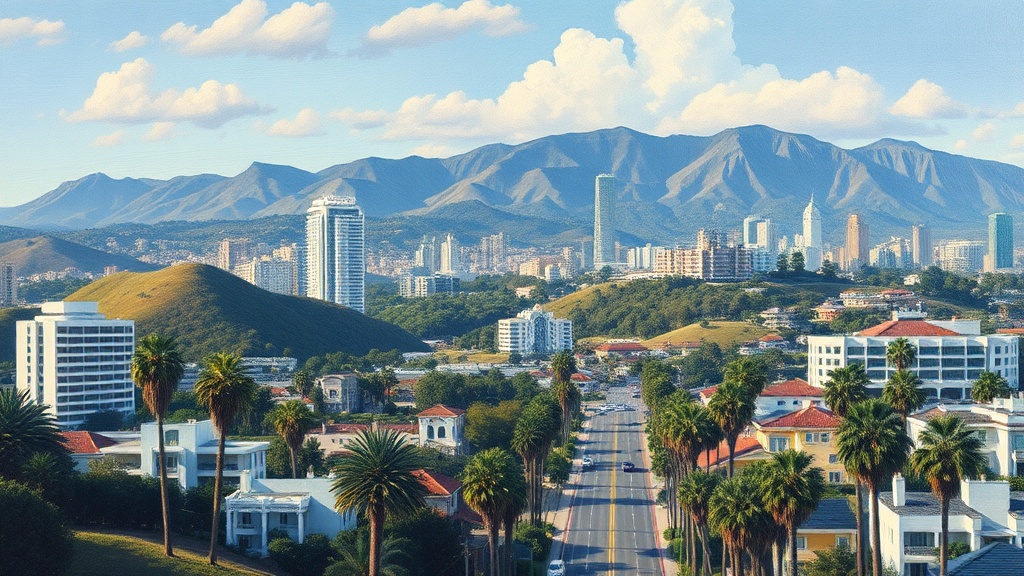
LA image

The river as a model for urban change
The Los Angeles River illustrates how infrastructure can be reimagined to serve environmental goals, public health, and community connection at once. For residents and visitors, it’s a reminder that urban transformation is an ongoing process—one that benefits from active participation, thoughtful planning, and a focus on equitable outcomes. Explore a nearby trail, join a community event, or follow local planning updates to stay involved as the corridor continues to evolve.

Posted in LA

SAG Awards Explained: How Peer‑Voted Acting Prizes, Ensembles and Stunt Honors Shape Awards Season and Industry Trends

The SAG Awards remain one of the most closely watched moments of awards season, known for honoring peer-voted acting achievements across film and television. Presented by SAG-AFTRA, the ceremony highlights individual performances and ensembles, offering a snapshot of industry sentiment that often helps shape conversations leading into other major awards.

What the SAG Awards honor
The focus is squarely on performance. Categories include lead and supporting actor/actress awards for both film and television, ensemble prizes that recognize the collective work of casts, and recognition for stunt ensembles. Because the awards are decided by fellow performers, a SAG Award carries a particular cachet—actors are being judged by those who understand the craft firsthand.

Voting and nominations
Nominations and final votes come from SAG-AFTRA members.

A nominating process involving panels of union members produces the shortlist, while the broader membership casts final ballots to determine winners. That peer-driven system differentiates the SAG Awards from critics’ prizes and academy-style voting bodies, and it’s why many actors regard a win as especially meaningful.

Why industry watchers pay attention
SAG Awards results often mirror broader industry sentiment. Ensemble winners can boost a film’s profile and are sometimes seen as a bellwether for Best Picture conversations.

Individual acting wins can consolidate momentum for performers during awards season, giving campaigns a persuasive boost. Because of the union membership’s voting base, the ceremony is also a reliable indicator of peer respect.

Trends shaping recent ceremonies
Diversity and representation continue to be central themes, with casting that reflects wider storytelling perspectives getting more recognition. Streaming platforms have shifted the landscape, creating breakout television performances and ensemble work that challenge traditional distinctions between film and TV talent.

Sustainable and political fashion on the red carpet has become more visible. Performers and stylists increasingly use the platform to highlight eco-friendly designers or to wear pieces that signal solidarity with causes important to the acting community. Acceptance speeches regularly balance gratitude with advocacy, as performers use their time on stage to spotlight workplace concerns, inclusion, and fair compensation—issues that resonate strongly within the union.

Stunt ensembles and behind-the-scenes recognition
The inclusion of a stunt ensemble category underscores a broader shift toward recognizing collaborative, high-skill contributions to on-screen storytelling. Honoring stunt performers acknowledges the physical artistry and risk behind many memorable sequences, and it reflects industry efforts to elevate often-overlooked crafts.

What nominees and viewers should watch for

SAG Awards image

For nominees, engagement with peers and a focus on authentic storytelling remain crucial; performances that resonate emotionally with fellow actors tend to stand out.

For viewers, the awards offer both a celebration of craft and a pulse check on industry issues—from diversity progress to labor conversations—that influence how and which stories get told.

Why the ceremony matters beyond trophies
Beyond the trophies and red carpet moments, the SAG Awards function as a cultural touchpoint where craft, community, and industry values intersect. They spotlight performances that move audiences and peers alike while amplifying conversations about how the industry supports the artists who bring stories to life. Whether following for fashion, speeches, or predictions, the ceremony continues to be a meaningful marker in the entertainment landscape.

Beverly Hills Travel Guide: Top Sights, Best Restaurants, Shopping & Spas

Beverly Hills remains synonymous with luxury, style, and a distinctive Southern California vibe that attracts visitors and residents alike. Whether strolling tree-lined avenues, window-shopping on iconic streets, or seeking world-class dining and wellness, the neighborhood offers a concentrated experience of glamour with surprisingly accessible pockets for anyone who wants to explore.

Where to go and what to see
– Rodeo Drive: The three-block stretch is the foremost destination for high-end fashion. Beyond flagship boutiques, look for artful window displays and cobblestone alleys that make for great photos. Many stores welcome browsers; booking a private appointment is an option for a more curated experience.
– Beverly Gardens Park: This linear park along Santa Monica Boulevard is home to the famous Beverly Hills sign and beautiful gardens. It’s a peaceful spot for a walk, a picnic, or to catch seasonal public art installations and local events.
– Art and architecture: From historic estates to contemporary galleries, the city’s architectural diversity is notable. Public sculptures and small galleries tucked around the business district reward slow exploration.
– Hotels and historic landmarks: Even if not staying overnight, visiting storied hotels and the neighborhoods around them offers a glimpse of classic Hollywood glamour—perfect for photos or a leisurely afternoon tea.

Dining and nightlife
Beverly Hills’ culinary scene balances Michelin-level fine dining with neighborhood-focused cafes and lively late-night spots.

Expect chef-driven tasting menus, sophisticated cocktail bars, and several renowned steakhouses.

Reservations are recommended for popular venues, and many restaurants offer prix fixe options and tasting menus for a fuller experience. For a more casual bite, local bakeries and cafés serve artisanal coffee and California-style sandwiches.

Shopping beyond luxury
While designer flagship stores define the skyline, boutique shopping, art dealers, and specialty shops provide variety.

Fashion, jewelry, home furnishings, and beauty boutiques make the commercial district a compact destination where discovery is part of the appeal. Personal shoppers and styling services are readily available for visitors seeking tailored advice.

Wellness and pampering
Spa culture is a living part of the Beverly Hills experience.

High-end spas and medical-wellness clinics provide treatments ranging from classic massages and facials to advanced dermatology services.

Beverly Hills image

Many hotels partner with wellness practitioners for day-spa access, fitness classes, and curated wellness retreats.

Practical tips for visiting
– Parking and transit: Public parking garages and valet services are abundant but can fill quickly during peak times. Rideshares are convenient for shorter stays. Walking is enjoyable within the central district, but consider driving or a rideshare to reach hillside areas.
– Best times to visit: Early mornings and weekdays tend to be quieter for sightseeing and shopping. Evening brings a different energy—dining and nightlife become the focus.
– Dress code and etiquette: Smart-casual attire fits most situations; some dining rooms have stricter dress codes. Respect private residences and neighborhoods; many are residential and value privacy.

Why it works for locals and travelers
Beverly Hills succeeds because it offers an aspirational experience without being a single-themed attraction.

It blends retail, dining, culture, and public spaces into a walkable core that feels both exclusive and inviting.

Whether seeking a luxe shopping day, a culinary adventure, or simply a scenic stroll through manicured gardens and iconic streets, this enclave continues to be a compelling stop on any Southern California itinerary. Plan ahead, expect refined service, and allow time to wander—the best discoveries often happen between the main attractions.

Why SAG Awards Still Matter: How Actors’ Peer Recognition Shapes Careers and Culture

SAG Awards: Why Actors’ Peer Recognition Still Matters

The SAG Awards stand out because they’re given by actors, for actors. Presented by the union that represents screen performers, these awards spotlight performances in film and television with a focus on peer recognition rather than box office or critical consensus.

That makes them a distinct, often-deeply meaningful mark of accomplishment for performers at every career stage.

SAG Awards image

What the awards honor
The ceremony highlights both individual achievement and collective work.

Categories celebrate lead and supporting performances, while ensemble prizes recognize the collaborative nature of acting in film and television. There’s also growing recognition for behind-the-scenes specialties such as stunt ensembles, reflecting an industry push to honor the full range of performance crafts.

Why actors’ votes matter
Because the voting body consists of working actors, a SAG Award signals respect from colleagues who understand the technical and emotional demands of the job.

That peer validation can translate into industry momentum: casting directors, producers, and other creatives pay attention when performers are acknowledged by their own community. For audiences, a SAG nod can help identify performances worth seeking out.

Trends shaping recent ceremonies
Several trends are shaping nominations and winners. Streaming platforms now compete with traditional studios and networks on an equal footing, increasing the diversity of storytelling and performer representation. Ensemble storytelling has received heightened attention as prestige television and film increasingly embrace character-driven, multi-protagonist narratives. There’s also been a notable push to recognize crafts beyond on-camera acting, including stunts and vocal performance, reflecting broader calls for inclusivity and safety across production.

Predictive value and industry impact
While awards season outcomes can be unpredictable, SAG Awards often serve as an indicator of industry sentiment, especially for acting categories. Because actors vote, winners sometimes foreshadow recognition from other actors’ organizations and can influence career trajectories, from awards-season publicity to higher-profile casting opportunities. The ensemble prize, in particular, can boost a project’s visibility and signal a strong collaborative achievement.

What to watch for at the ceremony
The red carpet remains a highlight, with fashion and first-look interviews that shape the conversation leading into the event. Onstage moments—acceptance speeches, unscripted interactions, and honorary tributes—often underscore themes of solidarity, craft, and industry challenges.

Hosts vary from year to year, and some ceremonies opt for no official host at all, letting presenters and winners drive the evening.

How nominations and winners are chosen
Nominees are selected through a process that involves panels of union members, while winners are chosen by the broader membership. This structure aims to balance curated nomination selection with democratic voting, ensuring that both expert perspectives and the wider acting community have a voice.

How to follow the awards
The awards are broadcast and streamed through official partners, and coverage is available via major entertainment outlets and social channels.

For real-time updates, follow the union’s official platforms and verified social accounts for nominee announcements, behind-the-scenes content, and live results.

Why it still matters
Beyond trophies, SAG Awards celebrate the craft and camaraderie that define acting.

They’re a reminder that performance is a collaborative art form and that recognition from peers carries a unique weight—professional validation, career momentum, and moments that resonate long after the ceremony lights dim. For performers and fans alike, the awards remain a must-watch marker of excellence in storytelling and performance.

How Celebrity Influence Is Making Sustainable Fashion Mainstream: From Red Carpets to Vintage, Rental, and Eco Labels

Celebrity influence now extends beyond movies and music into wardrobes and environmental choices. High-profile names are shifting how fans think about fashion by spotlighting sustainable designers, embracing rental and vintage pieces, and launching eco-conscious labels. That visibility is turning sustainable style from a niche value into mainstream behavior.

Why celebrity choices matter
Celebrities bring massive attention to the brands and habits they endorse.

A single red-carpet look or social-media post can generate headlines, boost search volume, and drive immediate sales.

When a well-known figure wears pre-loved or zero-waste fashion, it normalizes those options for a broad audience. That ripple effect helps smaller sustainable brands gain visibility and pressures larger companies to improve transparency and supply-chain practices.

Common celebrity sustainability strategies
– Partnering with ethical brands: Many public figures collaborate with designers who emphasize fair labor, low-impact materials, and transparent production.
– Launching responsible collections: Some celebrities introduce their own labels focused on eco-friendly fabrics, recycled materials, or circular design principles.
– Choosing vintage and thrifting: Wearing pre-owned pieces reduces demand for new production and highlights the unique style of curated secondhand shopping.
– Using rental and loan programs: Renting high-fashion pieces for events minimizes single-use garments and showcases alternatives to one-time wear.
– Advocating for garment care and longevity: Stars often promote repairing and caring for clothes rather than discarding them after a few wears.

How these trends influence the industry
Public demand follows celebrity trends. As more fans search for sustainable options, retailers expand eco lines and make sustainability claims part of their marketing. That can be positive, but it also invites greenwashing—brands that overstate their environmental impact.

Celebrity endorsements increase scrutiny: consumers expect authentic commitments and evidence of sustainable practices.

How to follow celebrity-led sustainable fashion without falling for hype
– Verify claims: Look for certifications, supply-chain transparency, and clear information about materials and worker conditions.

Celebrities image

– Embrace secondhand shopping: Thrift stores, consignment boutiques, and curated online platforms offer quality pieces with lower environmental impact.
– Rent for special occasions: Use rental services for one-off events to avoid buying rarely worn designer garments.
– Prioritize quality and repairability: Invest in timeless pieces made to last and learn basic repair techniques or use local tailoring services.
– Support brands with circular models: Choose companies that offer take-back, recycling, or repair programs to extend garment lifecycles.

Long-term cultural shifts
Celebrity adoption of sustainable fashion contributes to larger shifts in consumption habits. It helps redefine luxury as responsibility—where craftsmanship, longevity, and ethical sourcing matter more than a seasonal label. That reframing encourages designers and retailers to innovate with new materials and business models that reduce waste and emissions.

Consumers can use celebrity influence as a starting point rather than a rulebook. By blending inspiration from public figures with practical choices—researching brands, buying less, and caring for what you own—individuals can make lasting changes that echo beyond a red carpet.

Los Angeles River Revival: From Concrete Channel to Parks, Trails & Urban Greenway

Los Angeles River: From Concrete Channel to Urban Greenway

The Los Angeles River is shedding its reputation as a concrete flood control channel and becoming one of the region’s most ambitious urban-restoration stories. What was once a utilitarian waterway is evolving into a growing network of parks, bike paths, wildlife habitat, and community spaces that reconnect neighborhoods from the Valley to the ocean.

Why the river matters
Beyond its cultural symbolism, the river plays a practical role in water management, open-space access, and climate resilience.

Restoring riparian habitat helps absorb stormwater, reduce urban heat, and provide corridors for native species. At the same time, creating continuous public access addresses long-standing equity issues by bringing green space into dense neighborhoods that need it most.

What’s changing on the ground
Various public agencies, community groups, and developers are converting stretches of the river into usable public space. You’ll find new segments of multi-use pathways for walking and cycling, kayak and paddleboard launch sites, pocket parks, and public art installations. Landscape projects use native plants to stabilize banks and support birds and pollinators, while engineered wetlands and bioswales improve water quality and capture runoff.

Neighborhood impact
Transformations along the river are also economic and social. Local businesses benefit from increased foot and bike traffic, while community programming — from outdoor markets to educational nature walks — brings residents together. There are challenges: balancing flood control, contamination cleanup, and the risk of displacement as areas become more desirable. Thoughtful planning and strong community engagement remain essential to ensure benefits reach longtime residents.

Where to explore
– Glendale Narrows and Elysian Valley (often called Frogtown) offer accessible greenways, shade trees, and wildlife viewing.
– Parks and trail segments closer to downtown provide cultural programming and public art that celebrate the river’s diverse neighborhoods.
– Lower river sections near the estuary open up opportunities to experience wetland habitats and coastal birdlife.

How to experience the river responsibly
– Use designated access points and respect posted rules to protect both people and sensitive habitat.
– Prefer human-powered activities such as walking, cycling, and paddling; they have the lowest impact and are great ways to notice wildlife.
– Support local organizations that run habitat restoration and cleanup days — volunteer events are often family friendly and a direct way to help.

Get involved
Several nonprofit groups organize regular cleanups, restoration plantings, and advocacy work to advance public access and ecological health. Attending community meetings, writing to local representatives, or supporting project funding can also influence the river’s future.

A new kind of urban waterway
The Los Angeles River’s revival is an example of urban reinvention: blending flood management, ecosystem restoration, and public space design to create a resilient green corridor. For residents and visitors alike, the river offers an accessible way to connect with the region’s landscape, history, and communities — a reminder that natural systems and city life can coexist and enrich one another.

LA image

Posted in LA

Theaters vs. Streaming: How Hollywood’s Hybrid Release Strategies Are Reshaping Film Distribution

Hollywood is in a state of continuous reinvention as the relationship between theaters and streaming services reshapes how films are financed, released, and experienced.

This shift affects every corner of the industry—from tentpole franchise strategies and multiplex programming to how indie filmmakers find audiences.

What’s changing in release strategy
Studios and distributors are experimenting with multiple release models to find the best path to both revenue and cultural impact. Traditional exclusive theatrical windows have shortened or become flexible, while some major titles still premiere exclusively in cinemas to create event-driven box office momentum.

At the same time, day-and-date releases and early streaming debuts give viewers options and can make films accessible to a broader audience, especially those who prefer home viewing.

Why theaters still matter
Theatrical exhibition remains the most powerful way to build shared cultural moments. Big-screen visuals, immersive sound, and the communal energy of a packed house amplify storytelling in ways home viewing rarely matches.

For filmmakers seeking awards recognition or blockbuster returns, a strong theatrical run can be crucial.

Cinemas, meanwhile, are investing in premium formats, recliner seating, enhanced concessions, and curated programming to compete with the convenience of streaming.

Streaming’s evolving role
Streaming services have matured from content libraries into full-scale studios and distribution platforms. Their influence extends to greenlighting projects, funding auteur-driven films, and creating serialized storytelling that keeps subscribers engaged. For larger productions, streaming deals can provide financial security and an immediate, global audience. However, the perceived prestige of a theatrical premiere still factors into a film’s cultural cachet and awards prospects.

Impact on independent films
Indie filmmakers face both challenges and new opportunities. On one hand, theatrical access can be harder to secure amid crowded release calendars dominated by franchise films. On the other hand, streaming platforms and boutique distributors increasingly invest in diverse, niche storytelling—offering multiple paths to discovery. Film festivals and hybrid distribution strategies remain vital launchpads, helping smaller projects gain visibility before expanding to wider audiences.

Marketing in a hybrid era
Marketing strategies must adapt to varied release patterns.

For theatrical-first titles, campaigns emphasize spectacle, premiere events, and earned media to drive opening-week attendance. For streaming releases, emphasis shifts toward targeted digital campaigns, influencer partnerships, and subscription-driven messaging. Cross-platform marketing that teases the theatrical experience while highlighting home-viewing convenience can capture both audiences.

What creators and exhibitors can do
– Filmmakers: Choose a release strategy aligned with a film’s strengths—opt for theatrical releases when the visual and communal aspects matter, or pursue streaming for niche or serialized work that benefits from broad accessibility.

– Theaters: Focus on experiences that can’t be replicated at home—special screenings, Q&As, film festivals, and technical upgrades. Position cinemas as cultural hubs, not just places to watch movies.
– Distributors: Tailor windows and promotional plans to maximize both box office and long-term streaming value.

Hybrid models often perform best when supported by clear messaging about availability.

The cultural balance between the communal thrill of theaters and the convenience of streaming will keep evolving.

Hollywood image

For audiences, that means more choice. For creators and exhibitors, it demands strategic thinking and flexibility to navigate a landscape where storytelling can thrive in multiple formats.

Los Angeles Heat Relief: Shade, Trees, Cool Roofs & Home Tips

Los Angeles is known for sunshine and palm-lined boulevards, but the city’s most important summer accessory is shade.

As temperatures climb and urban neighborhoods warm faster than surrounding areas, a mix of city programs, neighborhood projects, and simple household changes are reshaping how Angelenos stay cool, save energy, and protect vulnerable neighbors.

Why cooling matters
Urban heat islands form where pavement, roofs, and sparse tree cover trap heat. That raises energy bills, stresses the power grid, and increases health risks for older adults, children, and outdoor workers. Solutions that reduce ambient temperatures also lower air conditioning use, cut emissions, and improve comfort for everyone.

Practical cooling strategies across the city
– Expand the tree canopy: Trees provide the most bang for the buck.

Planting broad-canopied, drought-tolerant species along streets and in yards yields shade and evaporative cooling. Neighborhood groups can partner with local nonprofits or city planting programs to secure free or low-cost trees and guidance on species suited to drought conditions.

LA image

– Cool roofs and reflective surfaces: Painting or coating roofs with reflective materials reduces heat absorption.

For flat-roofed buildings common in Los Angeles, cool-roof coatings or light-colored membranes help lower indoor temperatures and energy demand.

Some local programs and utilities offer rebates for energy-efficient upgrades—check available incentives before starting work.

– Smart landscaping: Replace thirsty lawns with native, drought-resistant plants and mulch to keep soil temperatures down. Xeriscaping combined with drip irrigation saves water while providing cooling through plant transpiration. Using permeable paving in driveways and patios reduces heat retention and helps manage stormwater.

– Shade infrastructure: Shade structures—trees, pergolas, shade sails—make sidewalks and playgrounds usable even on the hottest afternoons. Cities and business improvement districts can add canopy coverage and shaded bus stops. Homeowners can install awnings or retractable shades to cut solar gain through windows.

– Community cooling centers and outreach: Libraries, community centers, and rec facilities often serve as cooling hubs during extreme heat, offering free refuge and water. Local nonprofits coordinate outreach to check on seniors and others at higher risk. Sign up for neighborhood alerts and share contact lists so help reaches those who need it most.

– Rethink pavement and streetscapes: Lighter pavement materials and reflective coatings for sidewalks and plazas reduce surface temperatures. Adding trees and bioswales along streets both shades pavement and improves water capture—an approach that also supports local biodiversity.

Small steps that make a big difference at home
– Install window film or interior shades to cut heat gain.
– Use ceiling fans to increase comfort and raise thermostat settings a few degrees.
– Cook outside or at cooler times of day to avoid heating the house.
– Switch to energy-efficient appliances and LED lighting to reduce internal heat sources.
– Harvest rainwater where allowed and use it for irrigation to keep plantings healthy.

How neighborhoods can get involved
Organize a tree-planting day, partner with local schools to green playgrounds, or form a street-shading coalition to advocate for more trees and cooler bus stops.

Small collective actions encourage municipal investment and attract grants for larger projects.

Staying proactive
Adapting to warmer conditions blends city planning, grassroots energy, and household habits. By prioritizing shade, reflective materials, water-wise landscaping, and community support networks, Los Angeles neighborhoods can become more comfortable, resilient, and livable as heat becomes a more frequent concern. Check local municipal resources and community organizations to find rebate programs, planting events, and cooling center information in your area.

Posted in LA

How Celebrities Protect Their Privacy While Staying Visible: Strategies for Managing Fame in the Social Media Era

Celebrities today face a unique challenge: staying visible enough to fuel a career while protecting the private life that keeps them grounded. The rise of social media, streaming, and 24/7 entertainment coverage means public interest is constant, so managing that attention has become a strategic discipline rather than a byproduct of fame.

Why privacy matters for public figures
Beyond headline risk, privacy affects long-term career sustainability. Celebrities who control personal narratives avoid damaging rumors, protect family members, and preserve the mystique that often fuels public interest.

At the same time, overly guarded stars can struggle to connect with audiences who crave authenticity. The sweet spot lies between curated openness and firm boundaries.

Common strategies celebrities use

Celebrities image

– Controlled transparency: Sharing select glimpses of everyday life—behind-the-scenes photos, candid stories, or lifestyle content—lets fans feel close without exposing sensitive details. This approach builds trust while steering attention away from private matters.
– Platform segmentation: Celebrities often use different platforms for different purposes. One account may deliver polished press updates and brand partnerships, while another (or private channels) are reserved for close friends and family.
– Media partnerships and embargoes: Coordinating interviews, exclusive photo shoots, or announcements with trusted outlets allows celebrities to time narratives strategically and ensure accurate context accompanies sensitive news.
– Legal and digital protections: Legal teams, copyright enforcement, and privacy takedowns help curb unauthorized use of images and personal information. Digital monitoring services can flag leaks early.
– Gatekeeping the inner circle: Limiting access to agents, managers, and trusted friends reduces the number of people who can leak details.

Many celebrities also set rules for collaborators and staff about social sharing.
– Mental health and pacing: Taking breaks from public life—temporary social media detoxes or hiatuses from press—protects mental health and reinforces boundaries. Being transparent about needing time off can also humanize a celebrity and reset audience expectations.

How audiences influence celebrity behavior
Fan culture now co-creates celebrity narratives. Direct messaging, live streams, and comment sections provide immediate feedback loops, which can be empowering but also invasive.

Celebrities who lean into fan interaction can convert engagement into career momentum, while those who resist direct accessibility may see more speculative coverage.

The dynamic pushes many celebrities to adopt a hybrid approach: personal enough to be relatable, but strategic enough to be safe.

Branding, endorsements, and authenticity
Brands partner with celebrities because of their perceived authenticity. Savvy public figures align with causes and products that reflect genuine values, which keeps endorsements believable.

When celebrities are too opaque or, conversely, too exposed, brands may hesitate. Thoughtful alignment protects reputation and creates long-term partnership opportunities.

Practical takeaways for anyone managing a public profile
– Decide non-negotiables: Identify what is off-limits (family locations, medical details) and communicate those boundaries clearly to team members.
– Plan your narrative: Treat major life events as planned communications—decide who will announce them, which outlets will be used, and how much detail is appropriate.
– Build a trusted team: Invest in advisors who respect privacy and understand modern media dynamics.
– Use tech wisely: Employ privacy settings, watermark content, and monitor for unauthorized use.
– Prioritize mental health: Regularly assess the emotional cost of public exposure and take breaks when necessary.

Managing fame is an ongoing balancing act. By combining intentional storytelling, legal safeguards, and clear personal boundaries, public figures can enjoy both visibility and privacy—sustaining careers while protecting the life behind the spotlight.