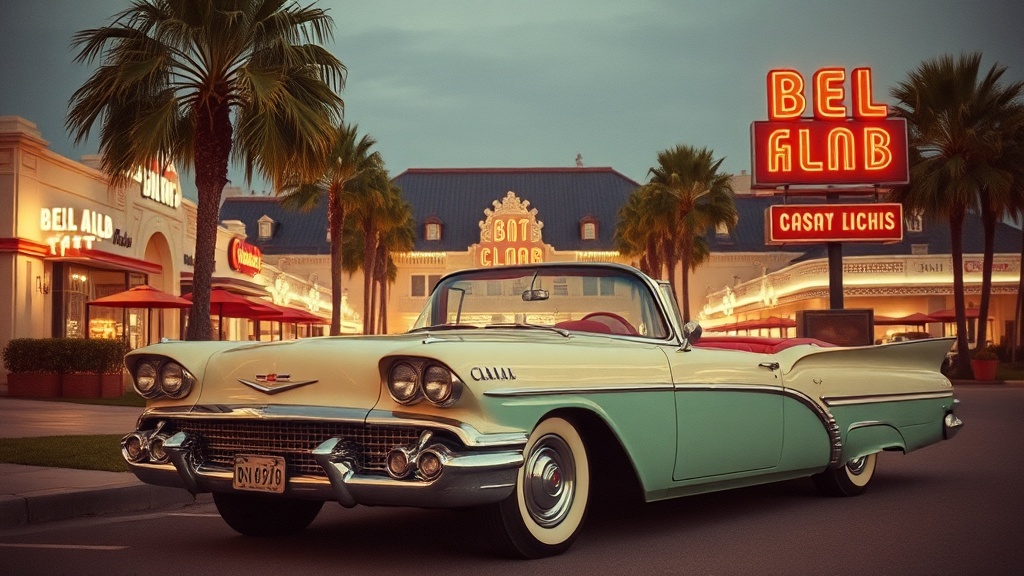
Explore Los Angeles Like a Local: Neighborhoods, Transit, Eats & Outdoor Tips

Los Angeles is a city of neighborhoods, sun-splashed beaches, and an endlessly evolving cultural and food scene. Whether you’re a first-time visitor or a longtime Angeleno looking for fresh ideas, here’s a practical guide to exploring LA like a local.

Start with neighborhoods
LA’s character is discovered neighborhood by neighborhood.

Downtown (DTLA) mixes historic theaters, a lively food hall, and contemporary museums. Echo Park and Silver Lake offer indie boutiques, coffee roasters, and cozy music venues. Koreatown pulses with late-night dining and karaoke, while Boyle Heights highlights vibrant Latino culture and murals.

For beach vibes, Venice and Santa Monica blend boardwalk energy with boutique shopping, while quieter coastal towns like Manhattan Beach host relaxed seaside scenes.

Getting around
Traffic is real, but options have multiplied.

Use the Metro rail and bus network for core corridors and to avoid parking hassles; many stations connect directly to major neighborhoods and cultural hubs. For shorter trips, micro-mobility — shared e-bikes and scooters — makes sense, especially in denser neighborhoods. Rideshare and car-sharing services remain convenient for cross-city travel or when public transit isn’t practical. Plan trips with a transit app to combine modes and get real-time updates.

Outdoor activities and nature
Los Angeles rewards those who get outdoors.

Hikes with skyline views range from accessible urban climbs to more strenuous trails; popular spots offer sweeping city and ocean panoramas. Griffith Park remains a go-to for hiking and a great vantage point for the observatory and city views.

For beach days, head to the Santa Monica pier or Venice for lively scenes, or pick quieter stretches down the coast for a more relaxed experience. Don’t forget the network of bike paths along some shorelines and scenic coastal bluffs for easy cycling.

Eat like a local
LA’s food identity is built on diversity. Street tacos and neighborhood taquerias are essential stops; food halls and markets bring local and international offerings together under one roof. Koreatown’s barbecue, small Oaxacan taquerias, seafood shacks, and a booming plant-based scene all compete for attention. For markets, look for farmers markets and curated food halls to sample multiple vendors in one visit. Rooftop bars and patios have become perfect places to dine al fresco, especially when evenings are mild.

Arts, culture, and nightlife
The city’s museums span modern art to film history; many neighborhoods host independent galleries and pop-up exhibitions. Live music ranges from intimate jazz clubs to outdoor concert series, and cinema culture extends beyond big studios to repertory theaters and neighborhood screenings.

Nightlife is neighborhood-driven: some areas lean cocktail-forward while others offer dance scenes and live performances.

Practical tips
– Check air quality before extended outdoor plans; wildfire smoke can affect visibility and comfort.
– Download transit and parking apps to save time and avoid circling for spots.

– Pack layers: coastal breezes cool quickly after sunset, even when daytime is warm.
– Respect neighborhood norms: small businesses and local communities shape each area’s character.

Los Angeles is best explored with curiosity and a flexible itinerary. Mix cultural stops, food discoveries, and outdoor moments to get a fuller sense of the city’s diverse, ever-changing personality.


LA image

Grammys Explained: How Nominations, Streaming and Metadata Can Boost an Artist’s Career

The Grammy Awards remain one of the music industry’s most influential barometers — not only a ceremony, but a springboard that can reshape careers, playlists, and festival lineups. Whether you follow nominations, watch the telecast, or track streaming spikes after the show, the Grammys still matter for artists, industry pros, and music fans.

How the Grammys work
The Recording Academy administers the awards through a submission-and-voting process. Eligible recordings must be entered for consideration by labels, artists, or Academy members, with accurate metadata, credits, and registered ISRCs. After initial screening to place entries in the correct categories, ballots are distributed to voting members who are active music creators and industry professionals.

A nomination phase narrows the field, then final ballots determine winners across major categories such as Record of the Year, Album of the Year, Song of the Year, and Best New Artist, as well as dozens of genre and technical awards.

Grammys image

Key trends shaping the ceremony
– Streaming and playlist culture: The rise of streaming services has changed how music is consumed and measured.

Playlist placements and streaming numbers influence visibility, but voters still weigh artistic merit, craftsmanship, and cultural impact alongside commercial success.
– Genre fluidity: Many artists now blend styles, prompting the Academy to adapt category definitions and create spaces for boundary-pushing work. Crossover projects often challenge traditional classification, which can lead to surprise nominations and debates among fans.
– Increased recognition for technical contributors: Producers, engineers, and songwriters are getting more attention. Expanded categories and more transparent crediting practices mean those behind-the-scenes roles are finally taking center stage in conversations about excellence.
– Diversity and inclusion efforts: Pressure to reflect the breadth of contemporary music has led to changes in membership outreach and voting practices. The ongoing conversation is pushing the institution toward broader representation across genres, genders, and backgrounds.

What a Grammy win or nomination does for an artist
A nomination alone can boost credibility and exposure.

Artists often see surges in streams, sales, and social media attention after their names appear on nomination lists or during the telecast. Winning can unlock higher booking fees, festival slots, and new collaboration opportunities. For independent musicians and niche-genre artists, recognition from the Academy can be a decisive moment that attracts industry partners and wider audiences.

Tips for artists and fans
– For artists: Keep credits and metadata spotless. Join and engage with professional networks that participate in the voting process, and plan release timing to fit the Academy’s eligibility window. Campaign ethically by sharing music with potential voters through legitimate channels and spotlighting the craft behind your work.
– For fans: Follow official nomination announcements and watch performances that often drive discovery. Streaming the music you love and purchasing official releases during the nomination period helps visibility. Engage on social platforms to amplify artists and spotlight why a release matters.

The Grammys continue to evolve with the music ecosystem. They remain a moment when industry recognition, public attention, and artistic achievement intersect — a cultural checkpoint that still moves numbers, careers, and conversations about what music means to listeners everywhere.

Bel Air, Los Angeles: Guide to Luxury Homes, Architecture, and Canyon Living

Bel Air is one of Los Angeles’ most recognizable neighborhoods, where dramatic hillside estates meet lush canyons and sweeping city-to-ocean views. Known for its strict privacy and storied architecture, the area blends historic Mediterranean villas and landmark modernist homes with contemporary new-builds that emphasize indoor-outdoor living. That mix creates a distinct residential character favored by buyers who want both tranquility and proximity to the city’s cultural and commercial centers.

Architecture and design
Homes in Bel Air often reflect a commitment to craftsmanship and design. Traditional Beaux-Arts and Mediterranean revival styles sit alongside midcentury and contemporary residences that take advantage of the topography with multi-level terraces, cantilevered pools, and floor-to-ceiling glass. Renovations frequently focus on sustainability and technology: integrated solar systems, smart-home controls, EV charging, and drought-tolerant landscaping are common upgrades that keep properties efficient without sacrificing luxury.

Lifestyle and amenities
Privacy is a defining feature. Many streets are gated and winding, set back from main thoroughfares, which creates a secluded atmosphere rare in urban settings.

Outdoor living is central—large gardens, private hiking paths, and outdoor kitchens make entertaining easy and encourage an alfresco lifestyle. Residents often take advantage of nearby cultural destinations, university campuses, and world-class museums within short drives, while upscale dining and boutique shopping are only minutes away in adjacent neighborhoods.

Real estate trends
There’s steady demand for properties that combine privacy with modern amenities.

Buyers look for layouts that support flexible living—dedicated home offices, wellness spaces, and versatile guest suites are especially sought after. Pools, home theaters, and wine storage remain hallmark features, but energy efficiency and water-wise landscaping are rising priorities as owners balance luxury with resilience.

Nature and outdoor access
Bel Air’s canyon network offers a surprising closeness to nature. Several public and semi-public trails provide hiking and biking opportunities that reveal panoramic views of the city and coastline.

The neighborhood’s topography also means many homes enjoy dramatic outlooks from elevated parcels, and careful planning is typical to protect views and the natural environment.

Community and stewardship
Local associations and homeowner groups play active roles in maintaining the character of Bel Air.

Emphasis on fire safety, native-plant landscaping, and hillside stabilization reflects wider community interests in stewardship and long-term resilience.

These efforts aim to preserve both the safety and scenic quality of the neighborhood while balancing private property rights.

Visiting and showing restraint
Bel Air’s allure often draws visitors who want to glimpse celebrity homes or iconic architecture. It’s important to respect private property: many streets are residential and privacy is highly valued. For those wanting to experience the vibe, nearby public attractions—museum campuses with hilltop views, curated gardens, and accessible trailheads—offer a respectful way to enjoy the landscape without intruding.

Cultural footprint
Bel Air continues to have outsized influence in popular culture and lifestyle coverage. Its image—luxury tucked into canyon seclusion—resonates in film, television, and design discussions, shaping perceptions of Southern California living.

For anyone interested in architecture, privacy-oriented urbanism, or the intersection of nature and luxury, Bel Air is a compelling example of how elite residential planning adapts to modern expectations while retaining a timeless sense of place.

Bel Air image

Why the SAG Awards Matter: How Peer-Voted Honors, Ensemble Wins, and Smart Campaigns Shape Actors’ Careers

The SAG Awards remain one of the most influential events on the awards calendar, especially for actors and ensembles. Organized by the actors’ union, these awards are unique because winners are chosen by peers—fellow actors—making them a coveted mark of professional recognition.

For performers, a SAG Award signals respect from the acting community; for audiences and critics, it often serves as a bellwether for other major awards.

What sets the SAG Awards apart
One of the defining features is the ensemble award. Celebrating the cast as a whole—rather than singling out individuals—puts a spotlight on collaborative storytelling. That emphasis elevates films and television shows that rely on strong chemistry and consistently excellent performances across a cast. The ceremony also recognizes outstanding individual work in lead and supporting categories for both film and television, plus dedicated honors for stunt ensembles and emerging performances in some formats.

How winners are chosen
Voting is limited to union members, which creates a peer-reviewed outcome. Nomination committees composed of members select nominees, and then the broader membership votes on winners.

Because the electorate consists of working actors, choices frequently reflect professional respect and craft-driven considerations rather than purely publicity-driven narratives.

Industry impact and predictive value
Winners often experience an immediate credibility boost that can translate into higher-profile roles, better representation, and increased media attention. The SAG Awards’ peer-based selection gives it predictive power; industry watchers routinely pay attention to results as a sign of momentum for performers and projects heading into later awards seasons.

SAG Awards image

Recent trends shaping the show
Several ongoing trends have reshaped the ceremony and voting landscape: the rise of streaming platforms broadened the field of eligible projects, and ensemble-driven storytelling across limited series and streaming films has increased competition for ensemble honors.

Campaigning strategies have adapted too, with virtual screenings, targeted member outreach, and nuanced social media campaigns becoming standard practice.

Tips for actors and publicists aiming for recognition
– Focus on community: build authentic relationships with fellow actors and collaborators; peer respect matters.
– Prioritize screenings and access: make legal screeners and intimate screenings available to members in formats they prefer.
– Highlight craft in publicity: feature behind-the-scenes work, rehearsal footage, and director testimonials that underline performance challenges.
– Use thoughtful digital outreach: share meaningful clips and interviews while avoiding saturation that can fatigue voters.

Red carpet and cultural relevance
The SAG Awards’ red carpet blends fashion moments with social messaging.

Because the event centers on performers, speeches and appearances often include tributes to the craft and calls for solidarity on industry issues.

The ceremony is produced for broadcasters and streaming platforms, which keeps it accessible to a wide audience while preserving its industry-focused ethos.

Why it matters for viewers
For movie and TV fans, the SAG Awards are a reliable showcase for standout acting performances and ensemble chemistry.

They celebrate the collaborative nature of screen acting and often introduce audiences to performances that may not have dominated mainstream awards coverage.

Whether you follow for the fashion, the acceptance speeches, or to see which performances receive peer recognition, the SAG Awards continue to be a meaningful barometer of professional esteem and an essential moment for actors and the projects that rely on great performances.

Explore Los Angeles Without a Car: A Practical Transit, Bike & Walk Guide

Explore Los Angeles Without a Car: A Practical Guide

Los Angeles has a reputation as a city built for cars, but exploring LA car-free is easier and more enjoyable than ever. With expanding public transit, bike-friendly neighborhoods, micro-mobility options, and walkable urban hubs, you can experience the culture, food, and outdoors without dealing with traffic or parking stress.

LA image

Why go car-free in LA
Traveling without a car removes the hassle of parking and parking fees, reduces your carbon footprint, and often leads to more authentic neighborhood experiences.

Many of LA’s neighborhoods were designed with walkable pockets—cafés, galleries, small parks, and markets—that are best enjoyed on foot or by bike.

Getting around
– Rail and buses: Metro Rail and bus networks connect major neighborhoods and cultural districts.

Regional rail services link downtown to coastal and inland destinations, and local shuttles like DASH and municipal bus systems make short trips simple.

Purchase a contactless transit pass or use official transit apps for real-time schedules and trip planning.
– Micro-mobility: E-scooters, dockless bikes, and docked bike-share programs cover central neighborhoods and beachfront areas. These are ideal for short trips, last-mile connections, and scenic rides along the coast or bike lanes through residential areas.
– Rideshares and carshare: For late-night trips or destinations off the transit grid, rideshare apps and carshare options fill the gaps affordably when used occasionally.
– Walking: Many neighborhoods—Silver Lake, Echo Park, Koreatown, Downtown, West Hollywood, Venice, and Santa Monica—are highly walkable with dense clusters of shops, eateries, and cultural spots within a few blocks.

Neighborhood highlights for car-free visits
– Downtown hubs: The arts district, museums row, and culinary destinations are connected by transit and short rides. Stroll through pedestrian plazas, galleries, and craft breweries.
– Beach communities: Venice and Santa Monica offer easy access via regional transit and bike paths. Enjoy the beachfront boardwalk, outdoor fitness areas, and vibrant street vendors without needing a car.
– Creative enclaves: Silver Lake and Echo Park are perfect for walking and discovering independent boutiques, bakeries, rooftop bars, and vintage shops.
– Cultural corridors: Koreatown and Thai Town present compact, food-focused neighborhoods where hopping from one restaurant to another is simple on foot or by short rides.

Smart planning tips
– Plan routes ahead: Use official transit apps, map services, and local neighborhood guides to string together rail, bus, and scooter segments efficiently.
– Travel light: A comfortable backpack and reusable water bottle make walking or using micro-mobility less cumbersome.
– Time your trips: Avoid the busiest commute windows when possible; mid-morning and early evening are often easier for transit and shorter waits.
– Mind local rules: Scooter and bike parking rules vary by neighborhood; park in designated spots to avoid fines and keep paths clear for pedestrians.

Safety and sustainability
– Stay aware of traffic and use bike lanes when available; wear visible clothing and helmets.
– Follow parking and parking-infrastructure rules for scooters and bikes to be a considerate neighbor.
– Carry a compact charger or power bank so your phone and transit apps stay powered during a long day of exploring.

Exploring LA without a car opens up a different kind of city experience—slower, more local, and often more memorable. Whether you’re sampling food in a tight-knit neighborhood, wandering a waterfront path, or hopping between galleries, car-free travel reveals the livable side of Los Angeles that many visitors miss.

Posted in LA

How Streaming Transformed Film Release Strategies — A Guide for Filmmakers, Studios and Theaters

Streaming transformed how films reach audiences, and Hollywood continues to adapt release strategies that balance theatrical prestige with digital convenience. For filmmakers, studios, theaters and viewers, the shift creates both opportunity and complexity—understanding the new landscape helps everyone make smarter choices about distribution, marketing and revenue.

What changed: windows and hybrid releases
The traditional long theatrical exclusivity window has given way to flexible models. Some films still aim for exclusive theatrical runs to maximize box office and awards momentum, while others use day-and-date or shortened windows to capture streaming subscribers and immediate home-viewing demand. Premium video-on-demand (PVOD) and early digital rentals provide additional revenue streams for titles that might not sustain prolonged box office legs.

Why that matters for studios and exhibitors
Studios are juggling three priorities: theatrical revenue, subscriber growth for streaming platforms, and long-tail earnings from digital and physical sales.

Exhibitors are responding by programming more event-driven content—blockbusters, prestige films, re-releases and theatrical exclusives that justify the trip to the cinema.

The tension between studios and theaters has led to negotiated windowing strategies that try to satisfy both sides.

Marketing and awards strategy
Marketing now has to serve multiple channels simultaneously. Campaigns are built to generate immediate streaming buzz while also creating theatrical urgency for opening weekends. Films targeting awards still benefit from theatrical runs and festival exposure, but release timing and platform choice are weighed against visibility on streaming services where audiences may be larger and more diverse.

Impact on independent filmmakers
For indie creators, the streaming era offers easier paths to visibility without the heavy costs of wide theatrical distribution. Festivals and boutique distributors can secure streaming deals that put films in front of global audiences. At the same time, data-driven acquisition and algorithmic playlists mean filmmakers must think strategically about packaging, metadata, thumbnails and early festival reviews to stand out.

The theatrical experience is evolving
Theaters are doubling down on experiential advantages: premium formats, advanced sound, dine-in screenings, and event programming like Q&As and themed nights. These experiences are marketed as things that cannot be replicated at home, helping theaters maintain relevance and justify premium ticket prices.

Data and decision-making
Streaming platforms rely heavily on viewing data to shape future investments, influencing which projects get made.

This can benefit creators whose concepts align with proven audience preferences, but it can also squeeze risk-taking that once defined film artistry.

Hollywood image

A balanced slate approach—mixing franchise tentpoles, mid-budget genre films, and smaller auteur projects—remains a practical studio strategy.

Global considerations
International markets play a larger role in revenue calculations. Release strategies may vary by territory, with some regions favoring theatrical windows and others embracing streaming faster. Localization, cultural familiarity and platform partnerships are key factors when planning global rollouts.

Practical takeaways for creators and marketers
– Choose release windows that match your goals: visibility, awards consideration, or immediate revenue.
– Leverage festival exposure for buzz and stronger negotiation power with distributors.
– Optimize metadata, artwork and trailers for streaming discovery.
– Consider hybrid campaigns that build theatrical urgency while seeding streaming interest.
– Partner with theaters for experiential events that elevate the film beyond a passive stream.

The industry will keep evolving as consumer habits, technology and global markets shift. For creatives and executives, staying flexible—while prioritizing the audience experience—remains the most reliable strategy for success.

Why the SAG Awards Still Matter: How Peer Recognition Shapes Careers, Trends, and Awards Season in Hollywood

SAG Awards: Why Peer Recognition Still Moves Hollywood

The Screen Actors Guild Awards remain one of the most closely watched moments on the entertainment calendar. Unlike critics’ prizes or industry juries, these awards are voted on by fellow performers—actors who understand the craft from the inside. That peer-driven recognition gives the SAG Awards a particular cachet: a stamp of approval from colleagues that can boost careers, signal industry trends, and influence other major prizes.

What makes the SAG Awards unique
– Peer voting: Nominees are chosen through a representative voting body of union members, and winners are selected by the broader eligible membership.

SAG Awards image

That peer perspective often elevates performances that resonate with actors’ craft and process, not just box office or critical buzz.
– Ensemble focus: The ensemble awards—one for film and separate awards for drama and comedy series—honor the collaborative nature of acting. These categories reward chemistry, casting, and the way performers elevate each other.
– Stunt recognition: Stunt ensembles receive dedicated awards, acknowledging the physical risks and choreography behind action storytelling. Celebrating stunt teams highlights a part of production that historically received less public attention.

How the SAG Awards affect awards momentum
Because actors vote, a SAG win can be a reliable indicator of industry support heading into other major ceremonies. Casting a spotlight on a particular performance or show often increases media visibility and influences campaigning strategies. For actors and creators, a SAG nod can translate into more opportunities and bargaining power in future projects and negotiations.

Trends shaping recent ceremonies
– Streaming prominence: Streaming platforms have transformed the nominations landscape.

High-quality series and films released on streaming services consistently appear among the contenders, reflecting shifting viewing habits and production investment.
– Diversity and representation: Nominees and winners have increasingly reflected a wider range of stories, backgrounds, and perspectives.

Campaigns and grassroots movements pushing for more inclusive casting and storytelling have had a measurable effect on nominations.
– Fashion and advocacy: The red carpet remains a platform not only for fashion but also for advocacy. Performers use speeches and sartorial choices to highlight causes—from labor rights to social justice—keeping the awards part cultural moment, part political stage.

What viewers should look for
– Ensemble chemistry: Pay attention to the dynamics within nominated casts. Strong ensemble work often shows in naturalistic interactions, layered supporting performances, and a sense of unified storytelling.
– Breakout performances: SAG nominations and wins can introduce breakout performers to a wider audience. Watch for lesser-known actors who receive peer recognition; they often become the next big names on subsequent projects.
– Stunt and technical appreciation: The growing visibility of stunt ensembles encourages audiences to notice the craft of action filmmaking—planning, safety, and creativity—beyond CGI spectacle.

How to follow the awards
Official announcements, nominee lists, and ceremony coverage are available through the union’s communications channels and major entertainment outlets. Red carpet interviews, acceptance speeches, and post-show analyses offer a lively mix of fashion, emotion, and industry insight.

For industry watchers and viewers who love performance-driven storytelling, the SAG Awards remain essential viewing. They combine artistry, solidarity, and influence—recognizing excellence in a way that celebrates both individual achievement and the collaborative spirit of screen acting.

Beverly Hills 2025: The Ultimate Guide to Luxury Shopping, Dining, Real Estate & Sustainable Living

Beverly Hills remains synonymous with luxury, but the city’s appeal extends beyond high-end shopping and celebrity sightings. Today’s Beverly Hills blends timeless glamour with modern lifestyle trends—making it a compelling destination for visitors, homeowners, and investors alike.

A refined retail and dining scene
Rodeo Drive still defines luxury retail, but the shopping landscape has diversified. Boutique fashion houses, independent designers, and curated concept stores sit alongside iconic flagship stores, creating a layered shopping experience. Dining has followed suit: fine-dining establishments coexist with neighborhood cafés and chef-driven bistros, many offering elevated outdoor seating and tasting menus that emphasize seasonal, locally sourced ingredients.

Architectural variety and design trends
Beverly Hills showcases a wide architectural palette—from historic Spanish Revival and Mediterranean estates to sleek, contemporary residences and celebrated mid-century modern gems. Home design trends in the area lean toward clean lines, indoor-outdoor living, smart-home integration, and wellness-focused amenities such as private gyms, spa bathrooms, and green roofs. Landscape design is moving toward drought-resistant, native plantings and elegant hardscaping that reduces water use without sacrificing curb appeal.

Luxury real estate with evolving priorities
The luxury market here is defined by privacy, craftsmanship, and location. Buyers are increasingly prioritizing properties that combine timeless design with modern functionality: high-performance windows, advanced home automation, and systems that support remote work and media streaming. Gated compounds and extensive landscaping continue to provide discretion for high-profile residents, while developers and renovators focus on sustainability upgrades that lower utility use and enhance long-term value.

Public spaces and cultural life

Beverly Hills image

Beverly Hills balances exclusive neighborhoods with accessible cultural offerings. Public gardens, art installations, and small but vibrant museums anchor community life. The city’s performing arts and gala scene attracts visitors and residents who value cultural engagement. Events and seasonal programming create moments for local discovery—farmers markets, outdoor concerts, and curated walking tours highlight the city’s architecture and culinary hotspots.

Sustainability and urban improvements
Municipal efforts prioritize sustainability and pedestrian-friendly streetscapes. Water-wise landscaping, increased tree canopy projects, and expanded EV charging infrastructure reflect a commitment to greener urban living. Streetscape enhancements and improved lighting have made shopping corridors more walkable and welcoming. These upgrades benefit local businesses and create safer, more inviting public spaces for residents and tourists.

Visitor tips
– Plan strolls along Rodeo Drive and nearby boutique-lined streets for a mix of iconic and emerging brands.
– Reserve restaurants in advance, especially for dinner at popular bistros and fine-dining spots.
– Explore public gardens and smaller museums to balance the luxury shopping experience with culture and nature.

– Consider guided walking tours to learn about architectural styles and celebrity history without compromising privacy.

Why it matters
Beverly Hills continues to evolve while preserving the qualities that make it desirable: exceptional design, high-caliber dining and retail, strong civic amenities, and a cultural life that complements its luxury identity. Whether you’re visiting for a day of shopping and dining or considering a longer stay, the city offers a refined, contemporary version of classic glamour—one that embraces sustainability, technology, and thoughtful urban design.

Grammy Nomination Guide: Submission Rules, Voting Explained & Campaign Tips for Artists

The Grammys remain one of the most influential benchmarks in music, shaping careers, playlists, and industry perception.

Understanding how nominations and voting work — and what artists can do to boost their visibility — is essential for anyone serious about an awards-minded campaign.

How the process generally works
– Submission and eligibility: Releases must be submitted for consideration within an eligibility window set by the organization. Accurate metadata and proper credits are critical; entries are screened for category placement and technical compliance before advancing.
– Screening and ballots: Submitted works are reviewed to ensure they fit appropriate categories.

Some categories rely on specialist screening panels to maintain genre integrity.
– Voting rounds: Voting members — industry professionals with active credits — participate in nominating and final voting rounds. The process is designed to balance peer recognition with expert input, although the system evolves periodically to address fairness and transparency.

Why a Grammy nomination matters
A nomination or win can significantly increase streaming numbers, media coverage, and live booking fees.

Beyond immediate commercial impact, the recognition often strengthens an artist’s long-term industry credibility, opening doors to new collaborations and sync opportunities.

Best practices for artists and teams
– Plan early: A successful campaign starts before release. Determine eligibility, prepare high-quality assets (press photos, EPKs, lyric sheets, and credits), and map out outreach to industry voters and press.
– Submit complete credits: Ensure all contributors are correctly credited and registered with rights organizations. Accurate data prevents disqualification and helps voters understand the work’s creative context.
– Build a targeted “For Your Consideration” campaign: Traditional tactics include playlists, exclusive listening sessions, targeted press coverage, and direct outreach to voting members. Authentic storytelling about the creative process and song inspirations can resonate with professionals evaluating artistic merit.

Grammys image

– Engage peers and industry: Networking with other professionals, attending industry events, and cultivating relationships with producers, songwriters, and engineers can increase visibility among voting members.
– Focus on craft and consistency: Awards follow excellence.

Prioritize strong songwriting, production, performance, and visual presentation. Longevity in quality output often trumps a single viral moment when it comes to peer-voted honors.

Pitfalls to avoid
– Missing deadlines or misfiling metadata can disqualify eligible work.

Double-check submissions and follow category rules closely.
– Overreliance on paid promotion without substantive artistic investment rarely leads to peer recognition. Campaigns should amplify genuine artistic achievements, not substitute for them.
– Neglecting rights management: Unregistered works, split sheets without signatures, or improper publishing registration create hurdles for nomination eligibility and royalty distribution.

Trends to watch
The awards ecosystem evolves alongside the music industry. Streaming trends, cross-genre collaborations, immersive visuals, and global music influences continue to reshape category definitions and voter preferences. Artists who combine distinctive identity with broad appeal often stand out.

Final thought
Awards can amplify a career, but they’re one part of a broader strategy. Focus on making compelling music, building an engaged audience, and maintaining professional infrastructure around rights and credits.

With careful planning, authentic storytelling, and attention to the submission process, artists and teams can maximize their chances of standing out when voting time arrives.

Hollywood’s New Playbook: How Streaming, Global Audiences, and Hybrid Releases Are Rewriting Film Distribution

Hollywood is reshaping itself around how audiences discover, watch, and talk about movies. The old playbook — big studio tentpoles, long theatrical exclusivity, then a slow roll to home video and TV — is being rewritten by shifting audience habits, global box office dynamics, and new distribution strategies. For filmmakers, studios, and movie lovers, that creates both challenges and opportunity.

What’s driving the change
Streaming services shifted expectations about release timing and content breadth, prompting theatrical windows to shorten and hybrid release models to become more common. At the same time, global markets have grown more influential; films that perform modestly domestically can become blockbusters overseas, encouraging studios to craft stories with broader cultural touchpoints.

Franchise building remains a dominant strategy because reliable intellectual property reduces risk, but there’s growing fatigue among audiences craving novel characters and original stories. That tension is pushing Hollywood toward a more diversified slate.

How theatrical experiences are fighting back
Movie theaters aren’t disappearing — they’re evolving. Premium formats, immersive sound and seating, dine-in options, and event programming are positioning cinemas as destinations rather than just places to watch a movie. Studios are responding by staging tentpole releases as cinematic events with global premieres, extended marketing campaigns, and ancillary experiences like pop-ups or fan conventions. This helps restore the sense of occasion that once made moviegoing essential.

Diversity, inclusion, and fresh voices
Audiences want stories that reflect different backgrounds and perspectives. Diverse casting and creative teams have proven to broaden appeal and unlock new audiences, both domestically and internationally. Independent producers and boutique studios are tapping niche communities with targeted marketing and social-first campaigns, proving that smaller-budget films can deliver strong returns when they find the right audience.

Where mid-budget films fit
There’s less space for mid-budget adult dramas in the traditional studio release calendar, but opportunities exist. Mid-budget filmmakers can pursue hybrid distribution, festival premieres, and streaming partnerships to find audiences.

These films often thrive when they pair festival credibility with savvy direct-to-consumer marketing and strategic theatrical runs in key markets.

Hollywood image

Practical takeaways for creators and marketers
– Prioritize international storytelling: Consider themes and emotional beats that translate across cultures without diluting creative voice.

– Build audience early: Use social media, behind-the-scenes content, and influencer partnerships to create community before release.
– Plan flexible distribution: Don’t commit to a single release path too early — be ready to pivot between festival, theatrical, and streaming strategies based on marketplace signals.
– Invest in experiential marketing: Live events, immersive pop-ups, and fan activations amplify word-of-mouth for theatrical and hybrid releases.

– Leverage festivals strategically: A festival premiere can elevate profile, attract distributors, and generate critical momentum for wider release.

What to watch next
Expect studios to keep experimenting with release windows and multi-platform campaigns while independent producers continue to innovate around niche audiences and festival circuits.

The industry’s future will likely be less binary — not purely theatrical nor purely digital — but an ecosystem where multiple release strategies coexist and are chosen based on the project’s strengths.

For moviegoers, that means more ways to access great stories. For creators, it means the marketplace rewards agility, cultural resonance, and smart audience-building. Hollywood’s next chapter is about balancing scale with creativity, spectacle with intimacy, and global reach with local resonance — a dynamic landscape that invites bold storytelling and strategic thinking.