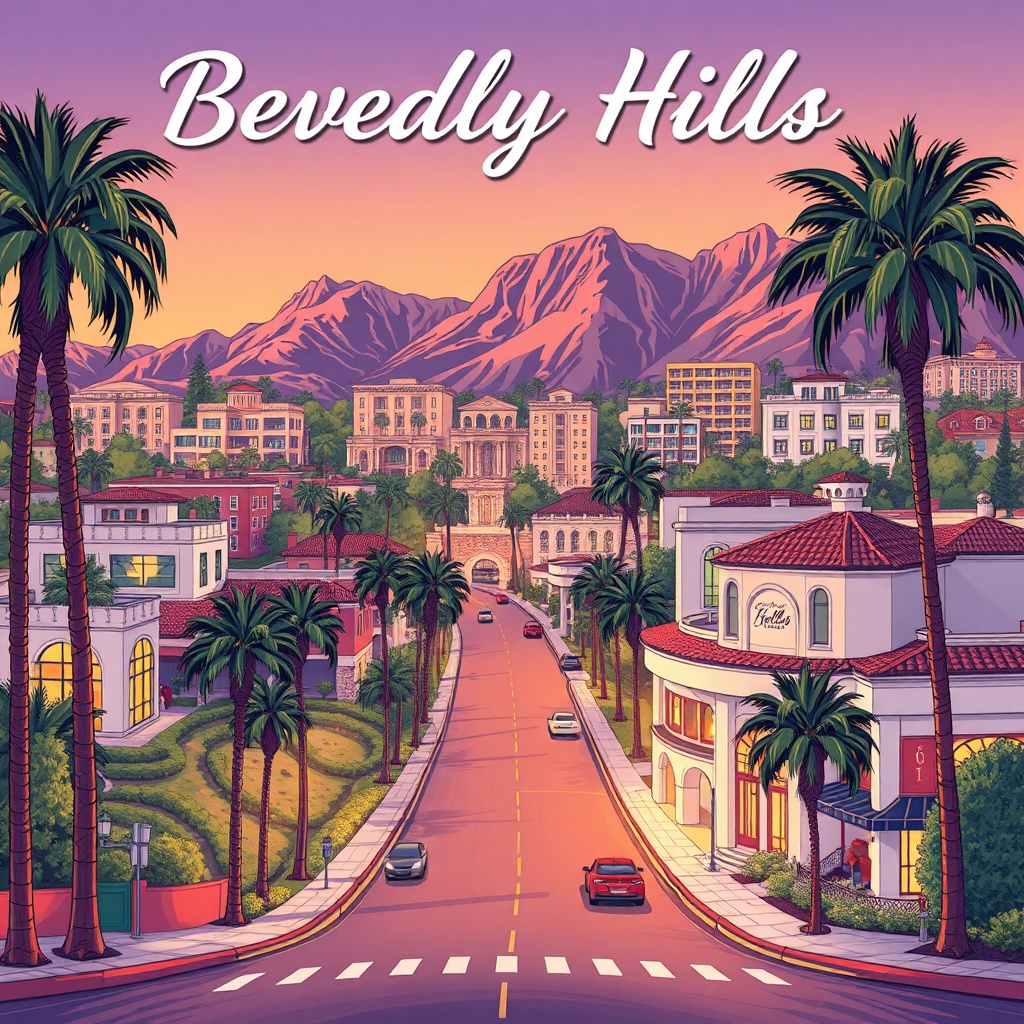
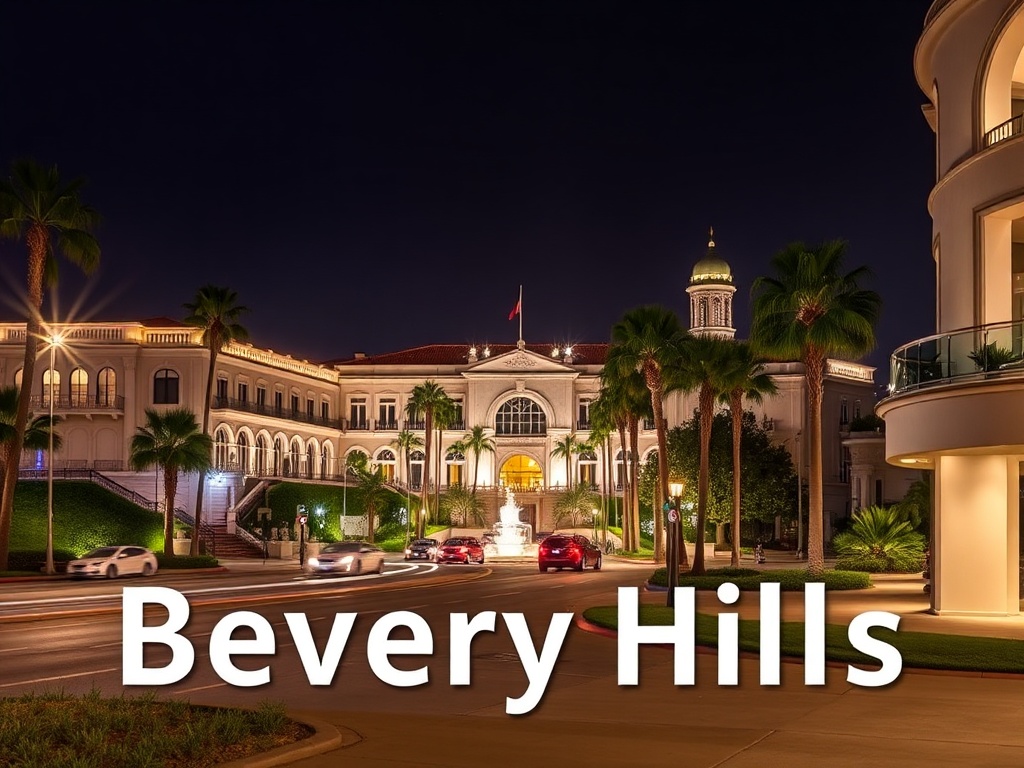
Hollywood Recalibrated: Key Streaming, Franchise, Diversity & Financing Trends for Filmmakers and Executives

Hollywood is evolving faster than ever, reshaping how movies are financed, produced, and consumed. For industry professionals and movie fans alike, understanding the key trends helps predict where opportunities and risks lie.

Streaming strategies reshape release models
Streaming platforms continue to refine how they release content. The lines between theatrical and streaming windows are blurring as studios experiment with hybrid releases, premium digital rentals, and short theatrical exclusives to maximize revenue and awards eligibility. For filmmakers, this means negotiating distribution plans early and being prepared to tailor marketing to both theatrical audiences and binge-focused viewers.

Franchise fatigue vs. franchise savvy
Blockbuster franchises still dominate headlines, but audiences are showing more selective appetite for expansions and spin-offs. Successful brands now balance large-scale spectacle with character-driven storytelling and fresh tonal shifts. Studios that treat franchises as adaptable universes—prioritizing quality over quantity and introducing diverse creative voices—tend to keep fan engagement stronger over time.

Streaming’s taste for limited series and prestige TV
High-quality limited series remain a powerful creative and commercial vehicle.

Platforms are investing in longer-form storytelling that attracts top-tier talent and captures subscriber attention. This trend opens doors for cinematic storytellers to explore character and worldbuilding beyond a two-hour runtime, creating new avenues for writers, directors, and producers to develop premium content.

Diversity, equity, and creative risk
Audiences reward stories that feel authentic and inclusive. Studios and financiers are increasingly attentive to representation both in front of and behind the camera. Projects that foreground diverse perspectives often unlock underserved markets and generate strong critical response. For creatives, demonstrating cultural authenticity and building networks within underrepresented communities can be a decisive advantage.

Global box office and local production hubs
Global audiences continue to be crucial for big-budget films, which are often tailored to travel well across markets.

At the same time, production is gravitating toward regions offering competitive tax incentives, robust infrastructure, and skilled crews. Cities and countries that invest in film-friendly policies attract more shoots, boosting local economies and creating production ecosystems that benefit indie and studio projects alike.

Indie film resilience and alternative financing
Independent filmmaking is adapting with inventive financing models: brand partnerships, equity crowdfunding, gap financing through specialty lenders, and co-productions. Festivals and specialized streaming labels remain vital channels for discovery. Indie creators who build strong festival strategies and niche marketing campaigns can reach audiences without relying solely on wide theatrical release.

Marketing becomes more dynamic and data-driven
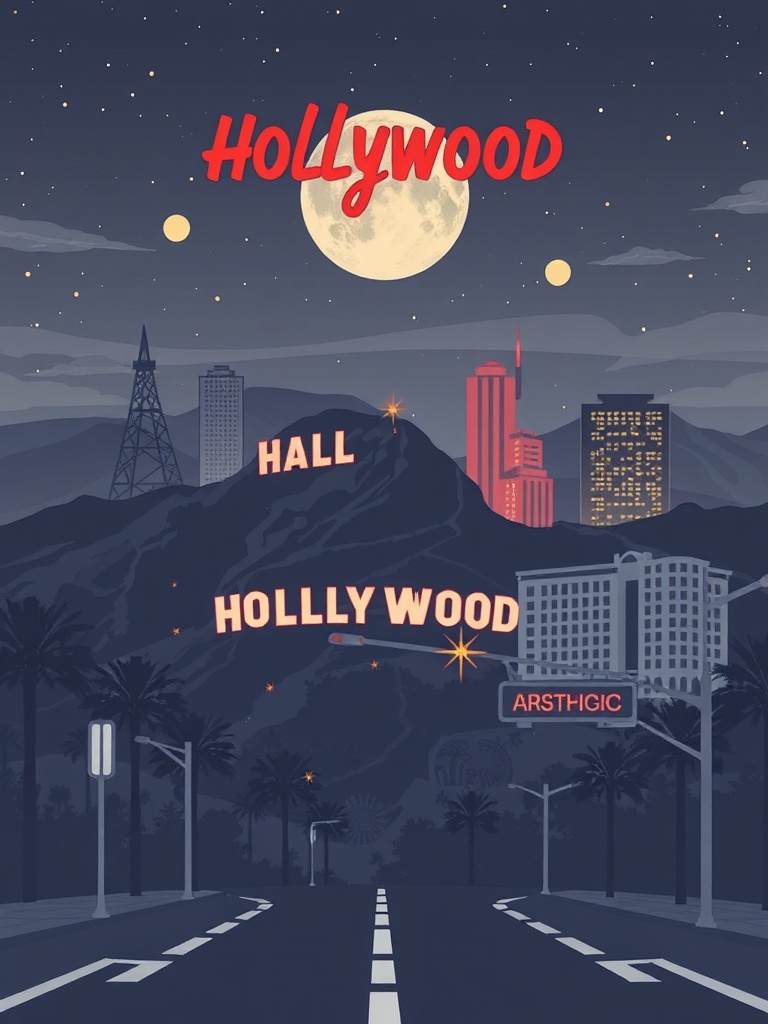
Hollywood image

Audience targeting has grown more sophisticated.

Campaigns now combine social-first creative, influencer partnerships, and analytics-driven ad buys to find and convert viewers across platforms. Early fan engagement, unique experiential marketing, and tapping micro-communities around genre or talent help projects cut through noise.

What this means for creators and executives
– Plan distribution early: Factor hybrid windows and platform demands into creative and budget decisions.
– Prioritize unique voices: Authentic storytelling drives attention and longevity.

– Build global and local strategies: Leverage tax incentives and regional partnerships to reduce costs.
– Embrace flexible financing: Mix traditional and alternative funding to maintain creative control.
– Use data smartly: Test marketing assets with target groups and refine messaging before wide rollout.

Hollywood is in a phase of rapid recalibration where smart strategy and creative risk-taking both matter. Those who combine strong, character-led storytelling with savvy distribution and marketing approaches are best positioned to thrive as the industry’s landscape continues to shift.

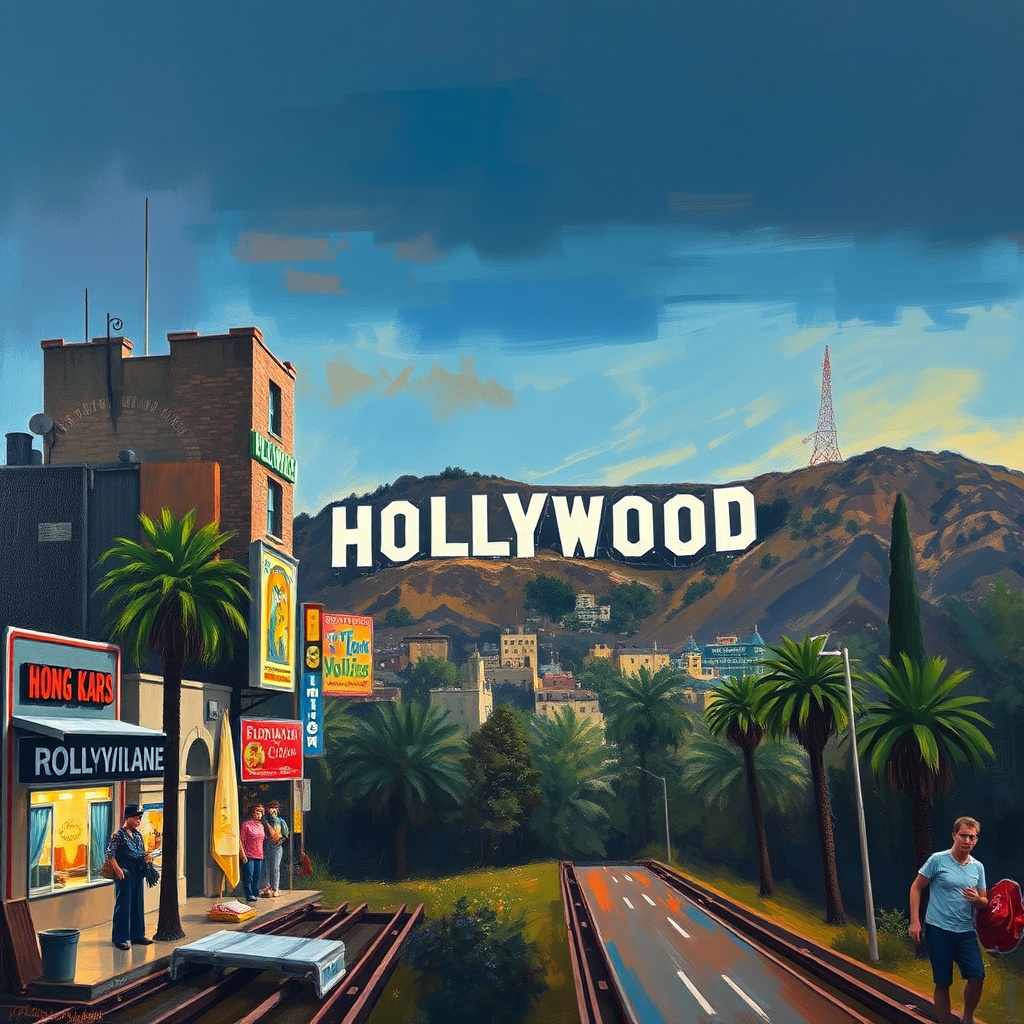
Bel Air, Los Angeles: Luxury Hilltop Homes, Architecture & Privacy

Bel Air remains one of Los Angeles’s most magnetic neighborhoods, where lush canyons, winding roads and discreet gates set the stage for some of the region’s most striking architecture and private estates. Known for its blend of old-money elegance and contemporary reinvention, Bel Air continues to attract buyers and visitors drawn to privacy, panoramic vistas and close proximity to the city’s cultural hubs.

A neighborhood of contrasts
Bel Air’s character comes from contrasts: grand Mediterranean villas and Mid-century modern glass-and-steel homes sit alongside contemporary compounds carved into hillside lots. Mature landscaping — towering eucalyptus, olive groves and native California chaparral — frames properties and provides the seclusion many residents value. Streets like the historic contour roads and secluded cul-de-sacs create an intimate atmosphere despite being within easy reach of major arteries and cultural centers.

Architecture and design trends
Renovation and new construction are active themes.

Owners often keep original façades or signature elements while updating interiors for open-plan living, indoor-outdoor flow and state-of-the-art systems.

Sustainable design is increasingly prominent: drought-tolerant landscaping, water-wise irrigation, solar installations and energy-efficient glazing are common upgrades. At the same time, there’s a strong appreciation for preserving architectural heritage, leading to sensitive restorations that honor original details while meeting modern lifestyle needs.

Lifestyle and amenities
Privacy-focused amenities define many properties: gated entries, long driveways, private pools, home theaters, wellness suites and extensive outdoor living areas. Bel Air’s topography lends itself to dramatic gardens, terraces and infinity pools that take advantage of valley and city views. For recreation, nearby canyon trails offer hiking and mountain biking options without long drives, and private clubs provide exclusive social and sporting activities.

Community stewardship and planning
A distinctive aspect of Bel Air is an active homeowner culture that emphasizes neighborhood identity, tree canopy preservation and measured development.

Community organizations regularly engage with city planning processes to balance modernization with the desire to maintain open spaces and the low-density, residential character that defines the area.

Real estate considerations

Bel Air image

Bel Air real estate tends to prioritize privacy, lot size and views over uniformity.

Buyers often pay a premium for parcels that offer seclusion and buildable potential. Because of steep lots and varied topography, construction and permitting can be more complex than in flatter neighborhoods, making experienced local architects and contractors valuable partners. Landscaping and ongoing maintenance are also significant long-term considerations for properties with mature trees and elaborate outdoor amenities.

Visiting and exploring
For those exploring Bel Air, drive-through visits capture the architectural variety and landscape drama; guided tours and open-house events give a closer look at interior trends and finishes.

Nearby cultural and dining options in adjacent neighborhoods make Bel Air appealing for people who want both retreat-like living and easy access to urban amenities.

Whether seeking historic charm or a cutting-edge hilltop compound, Bel Air offers a unique combination of natural beauty, architectural diversity and a community focused on privacy and preservation. For prospective buyers or design-minded homeowners, the neighborhood rewards thoughtful planning that respects its terrain, vegetation and legacy while incorporating modern comforts and sustainable technologies.

How Streaming Rewrote Hollywood’s Playbook: Distribution, Marketing & Revenue Strategies for Filmmakers

How Streaming Rewrote Hollywood’s Playbook — and What Filmmakers Can Do Next

Hollywood has been reshaped by streaming platforms, shifting how films are financed, produced, distributed, and marketed. The old model—big studio tentpoles, long theatrical windows, and predictable sequel cycles—has been disrupted. Studios now balance theatrical spectacle with streaming-first strategies, while independent filmmakers find new paths to reach audiences. Understanding these trends helps creatives and executives make smarter decisions.

Hollywood image

What changed
– Release windows shortened or became flexible: Premium digital releases and day-and-date strategies coexist with traditional theatrical windows, forcing studios to weigh revenue trade-offs and audience expectations.
– Data-driven commissioning: Streaming services lean on viewing metrics and algorithmic insights to greenlight projects, favoring proven IP, clear genre signals, and audience retention potential.
– TV and limited series prestige: Long-form streaming content competes for top talent, offering storytelling depth that attracts both creators and subscribers.
– Global marketplace: International box office and regional content preferences now drive production and marketing priorities, making localized storytelling more valuable.
– Ancillary revenue focus: Merchandising, licensing, and in-platform promotions are core to a project’s profitability, not just box office numbers.

What this means for studios
Studios must treat distribution as a strategic variable, not an afterthought. Decisions about platform, windowing, and promotional spend should be made early in development based on audience data and revenue modeling. For franchise films, theatrical releases still offer unmatched cultural impact and merchandising potential; for mid-budget or auteur-driven projects, a streaming launch can maximize reach and reduce distribution risk.

What this means for filmmakers
Creators should adapt scripts and production plans to multiple platforms.

Consider pacing suitable for binge viewing or a theatrical experience, design production budgets around realistic distribution pathways, and maintain negotiation flexibility for rights and revenue participation. Building a direct relationship with fans through social channels and festival appearances strengthens leverage during distribution talks.

Marketing strategies that work
– Platform-tailored campaigns: Teasers, vertical video, and short-form content perform well on social and streaming-native platforms. Use platform-specific creative to boost discovery.
– Eventization of releases: Premieres, live Q&As, and influencer tie-ins create urgency for theatrical releases and streaming drops alike.
– Leverage data for targeting: Use early viewer insights and social listening to refine messaging and ad placements.
– International-first marketing: Tailor campaigns to regional audiences, highlighting local talent or culturally resonant themes to boost overseas performance.

Tips for independent filmmakers
– Explore windowed hybrid releases: Combine festival acclaim, limited theatrical runs, and streaming deals to maximize visibility and revenue.
– Own ancillary rights when possible: Retaining merchandising or streaming residuals can pay dividends as platforms expand.
– Build a proof-of-concept: Short films and pilot episodes can attract platform attention and prove market fit.
– Partner with specialty distributors: Boutique distributors and platform curators can find niche audiences more efficiently than wide-release campaigns.

Where Hollywood goes from here
The industry continues to iterate on what works. Expect more experimentation with subscription models, advertising-supported tiers, and premium rental windows. The appetite for original storytelling remains strong; success hinges on choosing the right distribution path, designing marketing for platform behavior, and balancing creative ambition with commercial realities. For producers and creators who embrace data-informed planning and flexible release strategies, the evolving landscape offers unprecedented opportunities to reach global audiences and build sustainable careers.

Malibu Travel Guide: Beaches, Surf, Hikes, Dining & Conservation Tips

Malibu remains one of the most magnetic stretches of coastline—an effortless mix of iconic surf culture, dramatic cliffs, and a laid-back yet upscale lifestyle. For anyone drawn to ocean views, fresh seafood, and outdoor adventure, Malibu offers a compact but richly varied experience that rewards both the day-tripper and the local.

Beaches and surf
Malibu’s shoreline has distinct personalities. Long, rideable waves at the famous surf breaks attract longboarders and those chasing classic, glassy lines. Family-friendly beaches offer broad sand, picnic areas, and gentle waves for kids. For dramatic scenery and tidepool exploration, the rocky coves and sea stacks are unforgettable at low tide. Beach access can vary—some spots have large parking lots, others require a short walk—so plan ahead and arrive early on busy weekends.

Parks and hiking
The hills and canyons behind the coast are threaded with accessible trails and shaded creek crossings. Popular outings include canyon hikes with ocean lookouts, easy nature walks through coastal bluffs, and more rugged routes that lead into mountain vistas. Many trails provide birdwatching and wildflower viewing during peak seasons; trail conditions can change after storms, so checking local trail reports helps avoid surprises.

Malibu image

Dining and local flavor
Dining in Malibu spans casual fish tacos and beachside cafes to high-end dining rooms with ocean-to-table menus. Farmers markets and farm-to-table spots highlight seasonal produce and sustainable seafood, reflecting a local emphasis on freshness and environmental responsibility. For a relaxed experience, bring a picnic to a beach or bluffside bench and enjoy the sunset with unobstructed ocean views.

Conservation and coastal resilience
Conservation is central to Malibu’s identity. Community groups, local agencies, and volunteers work on lagoon restoration, dune protection, and habitat enhancement to support native plants and coastal wildlife. Shoreline changes from storms and rising seas have prompted discussion about long-term planning—balancing property protection with natural beach dynamics encourages creative approaches like managed retreat and living shoreline techniques. When visiting, practicing leave-no-trace principles, staying off sensitive dune vegetation, and following posted rules for wildlife areas help preserve those places for future visitors.

Wildfire preparedness
The surrounding hills are part of a fire-adapted landscape, so wildfire awareness and defensible-space practices are part of living in or visiting the region.

Residents and renters often take precautions such as clearing vegetation near structures and keeping emergency kits handy. Visitors can help by obeying fire regulations, avoiding open flames in restricted areas, and reporting hazards to local authorities.

Marine life and tidepool etiquette
Malibu’s coastal waters are rich with marine life. Tidepools, kelp beds, and offshore areas support diverse species, making respectful wildlife viewing important. Avoid touching or removing marine organisms, keep a safe distance from seals and seabirds, and observe any protected-area signage. Offshore marine protected areas help sustain fisheries and biodiversity—supporting them through responsible recreation keeps the ecosystem healthy.

Practical tips
– Check beach access and parking rules ahead of time; some lots fill quickly.
– Bring layers—coastal fog and breezes can make evenings cool.
– Pack reusable water bottles and trash bags to reduce litter.
– Respect private property and posted signs near cliff edges and private beaches.
– Look up local alerts for beach closures, water quality advisories, or trail conditions.

Whether you come for the surf, the scenery, or a quiet day by the sea, approaching Malibu with curiosity and respect makes the visit more rewarding and helps protect this special coastline for everyone who follows.

Beverly Hills Beyond Rodeo Drive: Insider Guide to Luxury, Culture & Local Life

Beverly Hills remains one of the most recognizable symbols of luxury living and high-end retail culture.

Beyond the postcard images of palm-lined streets and designer storefronts, the city blends sophisticated shopping, refined dining, notable architecture, and surprisingly accessible public spaces. Whether visiting for a day or exploring as a potential resident, there’s more to discover than the headlines suggest.

Iconic destinations and quieter corners
Rodeo Drive is the obvious magnet for shoppers, home to flagship boutiques and window displays that define haute couture. Nearby Two Rodeo Drive offers a European-style promenade with boutique shops and alfresco cafés—ideal for a relaxed stroll. For a quieter experience, the Beverly Gardens Park stretches along Santa Monica Boulevard with its signature Beverly Hills sign, manicured gardens, and large cactus garden that photographers love.

Culture and events
The city supports a lively cultural scene with performing arts venues, gallery pop-ups, and annual events that draw enthusiasts of fashion, film, and classic cars. Public art and historic mansions pepper residential neighborhoods, offering walking-tour-worthy architecture from Spanish Colonial Revival to modernist estates.

The Wallis and local art spaces stage performances and exhibitions that complement the shopping-and-dining draw.

Dining, wellness, and lifestyle
Dining options range from fine-dining rooms helmed by renowned chefs to intimate neighborhood spots and health-focused cafés. Beverly Hills also houses a concentration of luxury spas, beauty studios, and boutique fitness centers, making it a go-to place for anyone prioritizing wellness alongside leisure. Many establishments balance discretion with hospitality, catering to both high-profile and local clientele.

Real estate and neighborhoods
The residential fabric mixes opulent estates, mid-century modern gems, and newly developed luxury condos.

Buyers and renters often prioritize privacy, outdoor living spaces, and proximity to parks and top-rated local services. Neighborhoods like Trousdale and the flats offer different vibes—elevated properties with panoramic views versus tree-lined streets and walkability.

Sustainable design features and smart-home integration are increasingly sought after, reflecting broader lifestyle preferences.

Practical tips for visitors
– Timing matters: Weekdays and early mornings tend to be less crowded for shopping and photo spots.

Beverly Hills image

– Parking: There are public lots and metered street parking; rideshare is often convenient for short visits.
– Explore on foot: Side streets and residential blocks reveal charming architecture, local bakeries, and boutique experiences away from the main thoroughfares.
– Respect privacy: Many famous homes are private residences; enjoy exterior views without trespassing or causing disturbance.

What to expect next
The city continues to refine its public spaces, support small-business vitality, and adapt to evolving visitor habits. New dining concepts and curated retail experiences appear alongside heritage institutions, keeping Beverly Hills both aspirational and approachable. For anyone drawn to luxury with a human scale—walkable blocks, public gardens, and lively café culture—Beverly Hills offers a distinctive mix that rewards both repeat visits and long-term exploration.

How the Grammys Are Changing: Streaming, Global Sounds, Representation, and Strategies for Artists

The Grammys remain one of music’s most visible milestones, shaping careers and sparking conversations about how art is recognized.

As the industry continues to evolve, the awards show has adapted to reflect changing listening habits, global influences, and ongoing debates about fairness and representation.

What’s changing in the Grammys’ landscape
Streaming has reshaped how hits are measured and how artists build momentum. Playlists, algorithmic discovery, and short-form video virality can propel songs to millions of listeners overnight, influencing nominations and chart performance. At the same time, genre boundaries are increasingly fluid: collaborations that blend pop, hip-hop, electronic, and global styles are more common, and the Academy’s category structure has been adjusted periodically to acknowledge these hybrid forms.

Global music is also more prominent.

Sounds from outside traditional Western pop are crossing over into mainstream playlists and award recognition, reflecting a more connected music ecosystem. The result is a broader palette of nominees and performances that introduce new rhythms, languages, and production approaches to wide audiences.

Debates that matter

Grammys image

Conversations about transparency and representation remain central. Fans and industry insiders regularly discuss how voting processes work, who gets nominated, and whether the awards reflect cultural trends or industry power structures.

Calls for clearer voting explanations and more diverse Academy membership continue, with meaningful change progressing gradually as the organization seeks to balance tradition and reform.

Impact on careers
A Grammy nomination or win can still meaningfully elevate an artist’s profile—opening doors to new audiences, festival bookings, sync placements, and higher-profile collaborations.

For established acts, awards can reaffirm legacy; for emerging artists, recognition offers a catalyst that can translate into long-term career growth.

What artists can focus on
The pathway to Grammy consideration is ultimately rooted in making great music and getting it heard, but strategic actions matter:

– Build authentic audience engagement across streaming, social platforms, and live shows.

Sustained fan support often translates into playlisting and press.
– Optimize metadata and credits. Proper song and contribution credits ensure producers, writers, and featured artists receive recognition and that works are eligible for the right categories.
– Network within the industry. Relationships with producers, songwriters, and industry peers broaden visibility and opportunities for collaborations that catch voters’ attention.
– Pursue quality recordings and compelling visual assets. Strong production, mastering, and music videos help songs stand out in a crowded field.

What fans can expect from the show
The televised ceremony typically focuses on high-impact performances and surprise collaborations designed to create buzz on social platforms. Red carpet moments, producers’ spotlights, and tribute segments often highlight behind-the-scenes creators as much as headline acts.

Fans play a vital role in amplifying nominees’ moments through social sharing and streaming spikes.

Why it still matters
Beyond trophies, the Grammys function as a cultural touchpoint that highlights trends, celebrates craft, and sparks conversations about music’s future. As listening habits and industry structures continue to shift, the awards will likely keep adapting—balancing legacy categories with new forms of recognition and expanding the conversation around who and what music honors.

Whether you watch for performances, predictions, or to support favorite artists, the Grammys remain a key barometer for what the music world values and how those values are evolving.

How the Oscars Work: A Practical Guide to Academy Awards Voting, Campaigning & Impact

The Academy Awards remain the film industry’s most visible celebration, shaping careers, box-office performance, and cultural conversation. Whether you follow predictions, care about the red carpet, or study awards strategy, understanding how the Oscars work and what influences outcomes offers useful insight into contemporary moviemaking and marketing.

How the process works
The Academy is organized into branches—actors, directors, writers, and more—and most branches nominate within their specialties. All voting members, regardless of branch, participate in Best Picture nominations and the final voting. Best Picture winners are decided by a preferential ballot, a ranked-choice system designed to produce a broadly supported winner.

Most other categories use a simple majority count among nominees.

Statuette and symbolism
The Oscar statuette is one of cinema’s most enduring icons: a stylized knight holding a crusader’s sword, standing on a reel of film. The figure is gold-plated and manufactured to strict specifications, making the award both a coveted trophy and a collector’s artifact.

Winning an Oscar can translate into prestige, stronger negotiating power, and increased visibility for a film or talent.

Campaigning and eligibility
Awards season strategy is meticulous. Eligibility usually requires a qualifying theatrical run, and many films pair limited theatrical releases with festival premieres to build momentum. The “For Your Consideration” campaign remains central—screenings, targeted ad buys, Q&As, and critics’ previews help get a film in front of voters. The Academy enforces rules on campaigning and gifts to ensure fairness, so campaigns focus on visibility and storytelling rather than extravagant giveaways.

Trends shaping outcomes
Festival recognition and critical acclaim often predict nominations, but strategic releases and targeted campaigning can shift momentum. Performances in prestige films, director-driven projects, and socially resonant stories frequently attract attention. Streaming releases have reshaped distribution strategies, prompting many filmmakers to balance festival exposure, theatrical windows, and streaming availability to meet Academy rules while maximizing reach.

Diversity and standards
The Academy has implemented inclusion standards aimed at encouraging representation both on-screen and behind the camera.

These standards influence production decisions, casting, and crew composition, and they have prompted studios and producers to be more intentional about inclusive hiring and storytelling.

The impact of a win
An Oscar can dramatically boost a film’s visibility and commercial prospects.

Box office increases, streaming spikes, and renewed media attention often follow nominations and wins. For performers and creatives, the career lift can mean higher-profile projects and better deals. For independent films, awards recognition can unlock distribution opportunities and long-term revenue.

Academy Awards image

What to watch for
Pay attention to festival buzz, top critics’ lists, guild awards, and BAFTA outcomes—these indicators often point to the Academy’s tastes. Also watch release strategies: films that balance critical acclaim with a strong awards campaign tend to fare best.

Lastly, authentic storytelling and distinct creative vision remain the elements that most consistently resonate with voters.

Whether you’re a filmmaker planning a release, a publicist building a campaign, or a film fan tracking favorites, knowing the mechanics and trends behind the Academy Awards helps make sense of the season’s surprises and upsets.

The Oscars continue to evolve alongside the industry, but the core drivers—artistic excellence, strategic campaigning, and industry recognition—remain central to success.

How Streaming, Diversity, and Sustainability Are Rewriting the Oscars: An Essential Guide for Filmmakers and Marketers

The Academy Awards remain one of the most closely watched cultural moments, but the ceremony’s shape is evolving as the film world adapts to changing audience habits, technology, and industry values.

Whether you’re a film fan, a filmmaker, or a marketer, understanding the forces shaping the Oscars helps make sense of what wins, what gets noticed, and how the event reflects broader trends.

How streaming reshaped eligibility and visibility
Streaming platforms have changed how films reach audiences and voters.

Major streaming services now produce prestige films that compete directly with theatrical releases, prompting ongoing conversations about eligibility rules and the importance of theatrical runs. For filmmakers, a hybrid release strategy — combining limited theatrical engagements with platform premieres — often maximizes awards visibility while meeting audience demand for at-home viewing.

Diversity, inclusion, and representation standards
Audience and industry pressure have pushed the Academy to adopt more rigorous inclusion standards for major categories.

These standards aim to boost on-screen representation, inclusive storytelling, and access behind the camera. For studios and indie producers, meeting these criteria is increasingly part of awards strategy and can influence marketing, casting, and crew hiring choices.

Campaign strategies that work
Oscar campaigns are more sophisticated than ever.

Effective approaches balance critical screenings, targeted “For Your Consideration” advertising, and strategic festival runs to build momentum. Engagement with industry guilds and critics, carefully timed releases to remain top-of-mind for voters, and transparent outreach are essential.

Smaller films often rely on word-of-mouth, festival awards, and strong critical consensus to compete with well-funded studio campaigns.

Red carpet and sustainable fashion
The red carpet is still a major storytelling platform.

Recent seasons show growing emphasis on sustainable fashion choices, with designers and talent highlighting eco-friendly materials, rental looks, and upcycled ensembles. Sustainability narratives not only resonate with the public but also align with broader industry commitments to reduce environmental impact.

International cinema’s growing influence
The Academy’s expanding global awareness means more attention on non-English-language films. Filmmakers outside the traditional studio system can find pathways to prestige through festival buzz, strategic distribution deals, and subtitled marketing that emphasizes universal themes. For audiences, this means a richer, more diverse selection of films gaining mainstream recognition.

Technical categories and creative recognition
Technical achievements in sound, visual effects, and editing increasingly drive critical acclaim and box office return.

As technology advances, those categories gain visibility, influencing how films are made and promoted. Studios often highlight technical innovation in campaigns, showcasing behind-the-scenes craft to appeal to voting members who value filmmaking excellence.

What viewers should watch for
– Opening and closing moments: Producers use these to set tone and generate viral moments.

Academy Awards image

– Surprise nominations: A late-blooming campaign or festival hit can shift attention.
– Cross-category momentum: Strong performance in guild awards often signals broader Academy support.
– Industry themes: Diversity, sustainability, and technology are frequent talking points that can influence outcomes.

Tips for filmmakers seeking awards recognition
– Prioritize storytelling and craft; authenticity and strong execution trump gimmicks.
– Plan release windows strategically to balance audience reach and awards eligibility.

– Build relationships with festivals, critics, and industry organizations to cultivate early momentum.
– Consider inclusion standards and sustainability in production planning to align with current industry expectations.

The Academy Awards continue to reflect the intersection of art, commerce, and culture.

Watching the evolving strategies behind nominations and wins offers insight into where the film industry is headed and what kinds of stories and talent are likely to gain recognition going forward.

Winning the Grammys in the Streaming Era: Strategies, Category Changes, and Voting Reforms

The Grammys remain one of the most influential touchpoints in music culture, shaping careers, defining genres, and reflecting shifts in how music is created and consumed. While the awards have always celebrated artistic achievement, recent trends show a broader, faster-moving landscape where streaming, social engagement, and cultural conversations matter as much as radio play and critical acclaim.

How streaming reshaped recognition
Streaming platforms altered the metrics that guide attention. Tracks can build momentum over months through playlists, viral moments, and user-generated content, creating multiple paths to nominations. This has made long-term release strategies and playlist placement essential for artists seeking awards recognition. At the same time, viral success doesn’t always translate to award nods — sustained critical attention and industry support still matter.

Category evolution and inclusivity

Grammys image

Category updates reflect a push to better represent global music and diverse genres. New and revised categories aim to honor music that crosses borders and blends traditions, acknowledging that genre lines are increasingly fluid.

These adjustments also respond to conversations about representation: expanding category definitions and refining eligibility criteria are part of broader efforts to increase transparency and inclusivity across voting bodies and nomination processes.

Live performances and cultural moments
Grammy telecasts remain powerful stages.

A memorable live performance can instantly renew interest in an artist’s catalog and drive streaming and ticket sales. Iconic televised moments often create cultural conversations that extend far beyond the awards themselves, reinforcing the Grammys’ role as both a barometer and amplifier of mainstream attention.

Voting reforms and transparency
Ongoing discussions around voting procedures and membership composition have prompted the Recording Academy and industry stakeholders to explore reforms aimed at greater fairness. Initiatives to diversify voting membership, clarify category rules, and strengthen outreach to underrepresented communities are central to building credibility. Transparency around submission and nomination processes helps artists and fans trust that recognition reflects artistic merit and community impact.

What artists can do to increase their visibility
– Plan releases strategically: Timing, single selection, and promotional pacing help build momentum across streaming platforms and press cycles.
– Maximize playlist and radio placements: Editorial playlists and influential curators remain powerful drivers of discovery.

– Prioritize standout visuals and live shows: Compelling music videos and memorable performances create the moments that voters and fans remember.
– Engage industry peers: Networking, collaborations, and professional relationships within the recording community support both creative growth and award awareness.
– Submit properly and early: Adhering to submission guidelines and providing clear credits and documentation helps ensure eligibility and accurate category placement.

The role of critics and social media
Critics, tastemakers, and social media continue to shape narratives around who merits recognition. Coverage by influential outlets and persistent grassroots fan campaigns can sway attention. At the same time, social platforms let artists bypass traditional gatekeepers, offering direct routes to audience growth — a factor that increasingly intersects with awards visibility.

Why Grammys still matter
Beyond trophies, Grammy recognition often translates into broader career opportunities: bigger festival placements, higher touring demand, sync licensing interest, and greater industry trust. For many artists, award recognition validates creative risk-taking and opens doors that support long-term artistic development.

Staying competitive in the Grammys landscape requires a mix of artistry, strategic planning, and community engagement. Artists who combine outstanding music with thoughtful release strategies, authentic fan relationships, and active industry participation position themselves best to be noticed when award season conversations begin.

Beverly Hills: The Modern Guide to Luxury, Culture, Dining, and Sustainable Living

Beverly Hills: Luxury, Culture, and the Neighborhood’s Modern Pulse

Beverly Hills is more than a postcard of palm-lined streets and designer storefronts.

While Rodeo Drive remains the international symbol of luxury shopping, the city blends high-end retail with cultural depth, residential calm, and a surprising focus on livability and sustainability.

What to see and do
Start with a stroll along Rodeo Drive to experience window-shopping at flagship boutiques and admire couture displays.

Walk north to Beverly Gardens Park for a quieter vibe: the manicured gardens, cactus collection, and the iconic Beverly Hills sign are perfect for photos without spending a dime. Art lovers should explore the city’s gallery circuit and public art installations that punctuate business corridors and parks.

For history and architecture, drive or walk through the residential neighborhoods. Spanish Revival, Art Deco, and mid-century modern homes sit behind hedges and gates, offering a visual education in Los Angeles architecture. Several private estates open for garden tours and charity events occasionally, presenting rare interior views and landscape design inspiration.

Dining and hospitality
The dining scene balances Michelin-caliber tasting menus with approachable neighborhood favorites. Luxury hotels anchor the hospitality landscape, delivering classic service alongside contemporary wellness offerings: rooftop pools, spa facilities, and curated experiences from private shopping concierges to chef’s-table nights.

Brunch culture is strong, and adaptable menus now incorporate plant-forward options and globally inspired flavors.

Shopping beyond the brands
While designer boutiques draw tourists, the city’s independent stores and local artisans offer a refreshing counterpoint. Specialty beauty retailers, bespoke jewelers, and artisanal home shops make for meaningful purchases.

Many shops provide personal shopping services and appointment-based visits—ideal for visitors seeking a more private or curated experience.

Living and real estate
Real estate in Beverly Hills continues to attract buyers seeking privacy, prestige, and proximity to Los Angeles’ job and entertainment centers. Landscaping, outdoor living spaces, and home technology are major selling points; homeowners emphasize drought-tolerant gardens and energy-efficient retrofits as part of long-term value.

Smaller lot developments and accessory dwelling units have increased options for multigenerational living and rental income.

Sustainability and urban planning
The city’s approach to sustainability has shifted toward water-wise landscapes and electric vehicle infrastructure. Streetscape upgrades, pedestrian improvements, and bike-friendly enhancements reflect a desire to balance car culture with more walkable, people-centered design. Community initiatives also focus on tree preservation and native plantings to reduce irrigation needs and support urban biodiversity.

Practical tips for visitors
– Parking: Public garages and metered street parking are available, but weekends and evenings fill fast.

Valet is common at hotels and upscale restaurants.
– Best times: Early mornings and weekday afternoons offer the quietest shopping experience. Special events will increase traffic—check local calendars before visiting.

Beverly Hills image

– Respect privacy: Beverly Hills is both a destination and a residential community. Photography of private homes and intrusive behavior is discouraged.
– Walk comfortable: Streets are generally clean and safe; bring comfortable shoes for walking between shops and parks.

Why it matters
Beverly Hills continues to reinvent how luxury and community coexist.

The city manages to preserve its storied glamour while adapting to contemporary priorities like sustainability, diverse dining, and enhanced public spaces. Whether visiting for shopping and sightseeing or considering a move, there’s a layered experience here that rewards curiosity and respectful exploration.