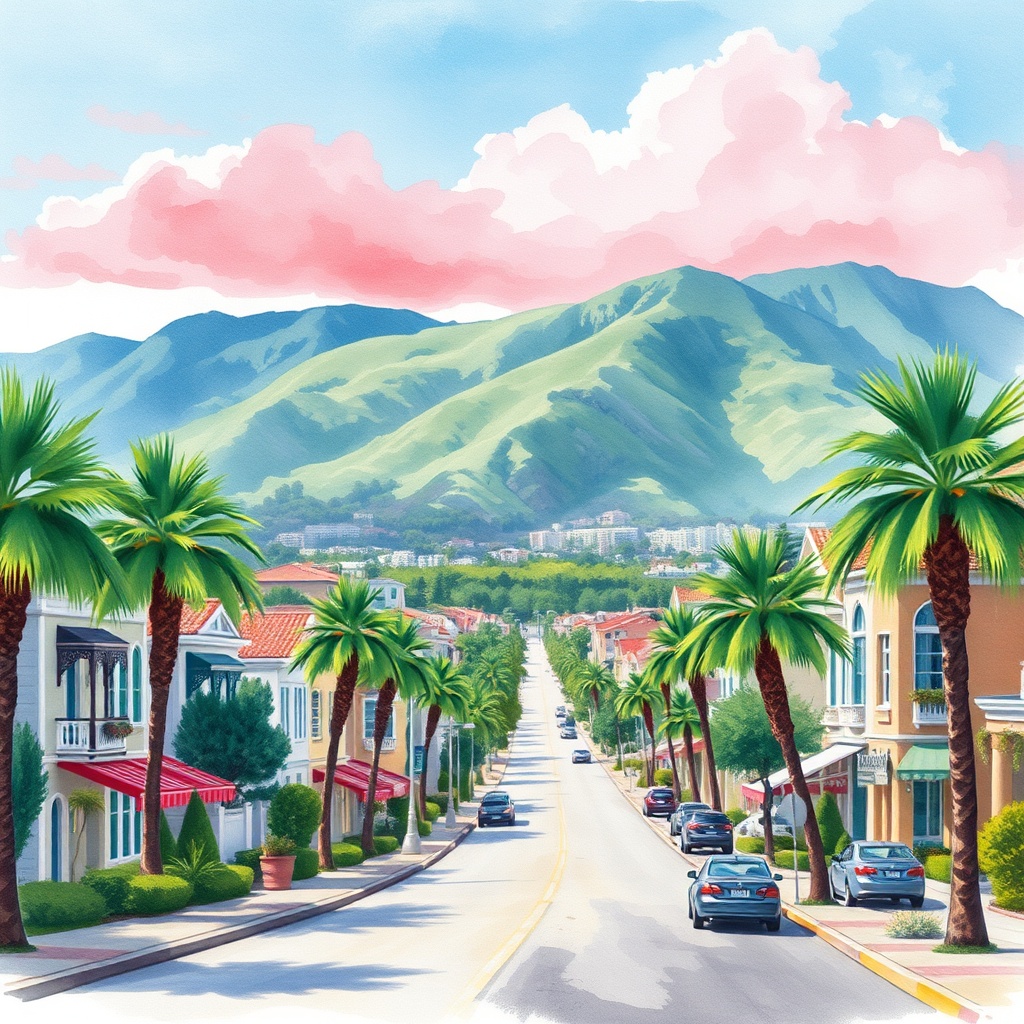
Bel Air remains one of the most iconic neighborhoods on the West Side, known for dramatic hillsides, architectural variety, and a lifestyle built around privacy and prestige. Whether researching Bel Air real estate or planning a quiet afternoon walk, understanding what defines this enclave helps visitors and prospective residents alike.
What makes Bel Air distinctive
Bel Air’s appeal starts with its setting: winding roads that climb into the foothills, mature trees, and dramatic views of the city and ocean on clear days. The neighborhood blends historic estates and mid-century modern homes with sleek contemporary architecture, offering a visual tour of Southern California residential design trends. Gated properties, long driveways, and discreet landscaping contribute to a sense of seclusion that many residents prize.
Real estate and lifestyle trends
The market here favors privacy, scale, and architectural pedigree.
Buyers often prioritize acreage, modern amenities, smart-home infrastructure, and energy-efficient upgrades like solar panels and drought-resistant landscaping. Smaller parcels renovated with high-end finishes coexist alongside long-held family estates, creating a diverse patchwork of ownership styles. Many homeowners invest in sustainability measures and outdoor living spaces — terraces, pools, and native-plant gardens — to maximize year-round enjoyment.
Architecture and cultural cachet
Bel Air has attracted notable architects over the decades, and its streets showcase a range of styles: Mediterranean-inspired villas, clean-lined mid-century homes, and cutting-edge glass-and-steel residences. Preservation-minded renovations that respect original design elements are common, as is thoughtful modernization that improves livability without erasing character. The neighborhood’s allure is amplified by its proximity to cultural and academic centers, creating easy access to museums, theaters, and intellectual life.
Outdoor access and recreation
While much of Bel Air’s terrain is private, the area is framed by canyons and ridgelines that offer hiking and outdoor recreation nearby. Residents favor morning hikes, garden clubs, and neighborhood walking routes that highlight mature oak and sycamore trees. Local green efforts often emphasize water-wise landscaping and invasive-species management to protect hillside ecology.
Practical neighborhood notes
Traffic can be a consideration during peak commute times, and residents typically use a mix of private drivers, rideshares, and staggered schedules to navigate the West Side.
Security remains a priority: many homes are within gated communities or employ advanced monitoring systems and concierge-style services. Public amenities are limited within Bel Air itself, so daily errands and dining frequently occur in adjacent neighborhoods known for farmer’s markets, specialty shops, and diverse restaurant scenes.
Visiting Bel Air
Visitors should respect private property and enjoy the public streets, parks, and viewpoints. Photography of private homes should be done from public thoroughfares, and guided tours are available that highlight architecture and history for those interested in deeper context. Nearby attractions and neighborhoods provide complementary experiences — from upscale shopping to university campuses and cultural institutions — making Bel Air a serene base for exploring the West Side.
Why people choose Bel Air
Buyers and residents often cite privacy, scenic beauty, and architectural distinction as primary draws. Whether seeking a quiet retreat, a platform for custom design, or a prestigious address with easy access to city amenities, Bel Air continues to represent a unique combination of luxury living and hillside charm that appeals to a wide range of lifestyles.