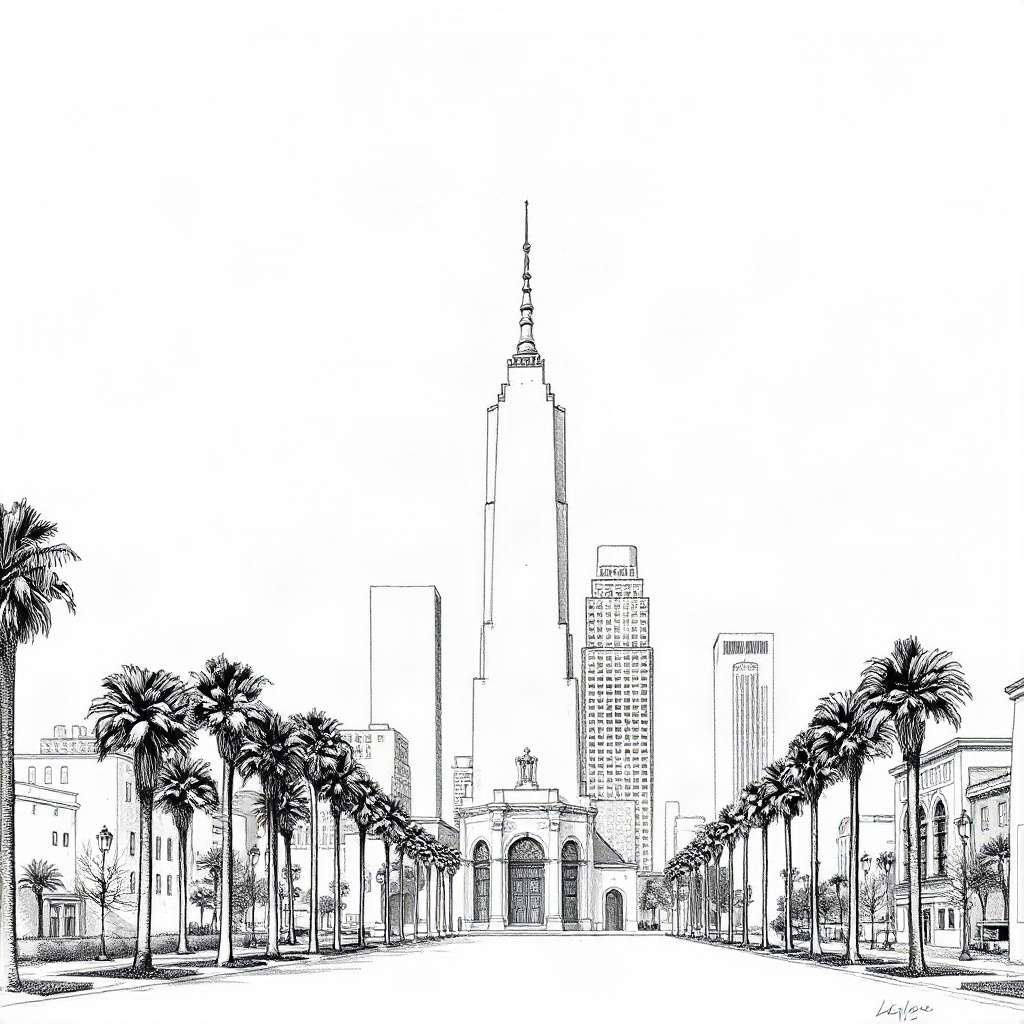
Los Angeles is reshaping how a sun-drenched city adapts to rising temperatures and growing population density. Urban heat is a daily reality across LA neighborhoods, affecting public health, energy bills, and outdoor life. Local leaders, nonprofits, designers, and residents are combining green infrastructure, smart design, and simple household changes to keep the city cooler, greener, and more livable.
Why urban cooling matters in LA
Heat islands form where pavement, rooftops, and sparse vegetation trap heat.
That raises air conditioning demand, stresses the electrical grid, and worsens air quality.
For residents without reliable cooling, higher temperatures increase heat-related illness risk.
Cooler streets and shaded transit stops also make walking and biking more comfortable, encouraging healthier commutes.
Which solutions are gaining traction
– Tree canopy expansion: Planting and preserving street trees reduces surface temperatures, improves shade for sidewalks, and filters air pollution. Neighborhood-level canopy programs prioritize underserved areas that lack sufficient greenery.
– Cool roofs and reflective pavements: Lighter roof coatings and high-albedo paving materials reflect more solar energy, lowering indoor temperatures and reducing the energy needed for cooling.
– Green roofs and pocket parks: Converting underused roofs and vacant lots into planted spaces captures stormwater, reduces runoff, and creates cooling microclimates.
– Urban water features and bioswales: Strategic irrigation, shaded water elements, and vegetated drainage systems help cool nearby air while managing stormwater sustainably.
– Transit and micro-mobility upgrades: Shaded bus stops, protected bike lanes with planted buffers, and electrified public fleets reduce both heat and emissions, supporting more comfortable and climate-friendly travel.
How neighborhoods can get involved
Small changes add up. Homeowners and renters can request tree-planting from local programs, install reflective roof coatings, use awnings or pergolas for shaded patios, and swap heat-generating appliances for energy-efficient models. Community groups can organize park activations, street tree fundraisers, and shade audits that highlight hot spots needing intervention.
Design and equity go hand in hand
Cooling strategies work best when they’re distributed fairly. Planners are increasingly targeting investments where they’re needed most—low-income and high-heat neighborhoods that historically received less public infrastructure. That means pairing technical solutions with community engagement so projects reflect local needs and culture.
What to watch and where to find support
Municipal grants, nonprofit initiatives, and utility programs often offer incentives for tree planting, cool roofs, and efficiency upgrades.
Local neighborhood councils and community organizations are good starting points for volunteers and residents seeking to get involved.
Landscape professionals, architects, and planners are also offering climate-focused services tailored to dense urban sites.
A livable, cooler LA is a collective effort
Mitigating urban heat in Los Angeles blends policy, design, and everyday choices. Planting trees, choosing cool materials, and supporting equitable investments in green infrastructure helps protect public health, lower energy costs, and keep outdoor life vibrant. When neighborhoods, businesses, and city agencies work together, the result is a city that embraces its sunny climate while making the built environment resilient and comfortable for everyone.