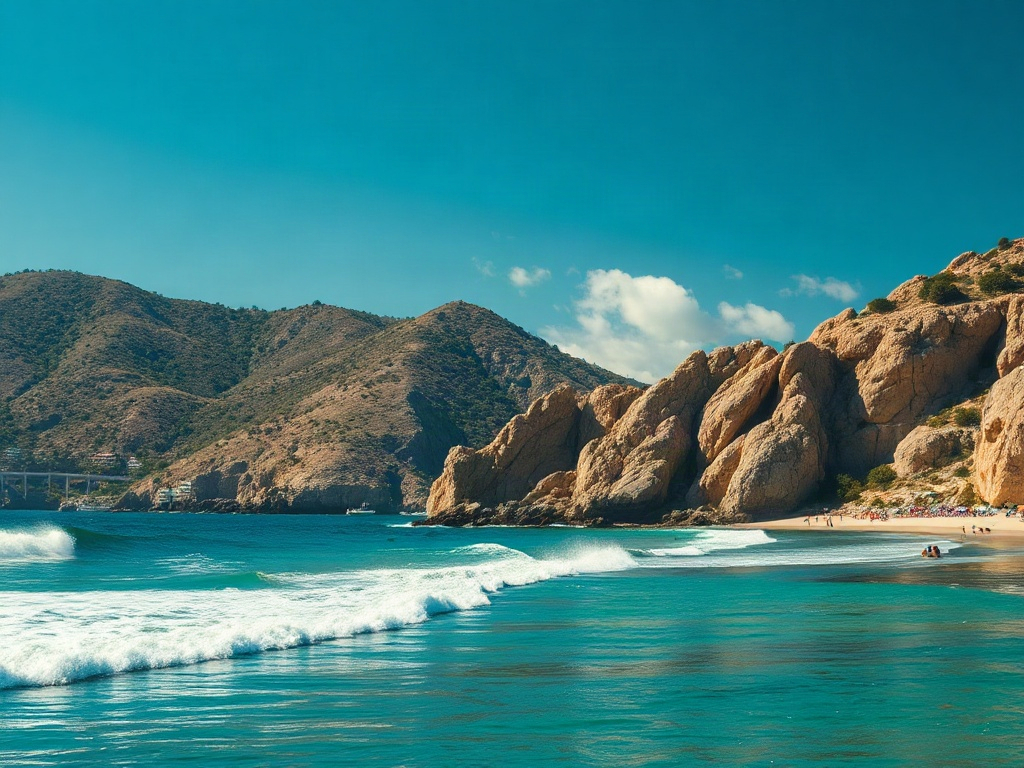
Malibu blends rugged coastline, rolling canyons, and a laid-back surf culture into one of the most desirable coastal communities. Whether visiting for a day trip or planting roots longer term, understanding the mix of outdoor options, environmental pressures, and local culture makes any experience richer.
Why people come to Malibu
– Beaches: Wide, sandy shorelines like Zuma and Leo Carrillo invite sunbathers, families, and bonfire gatherings. Smaller, dramatic coves such as El Matador reward visitors with sea caves, tide pools, and sunset photo ops.
Surfrider Beach is famous for long, rideable waves that attract longboarders and competitive surfers.
– Outdoor activities: Hiking options range from easy coastal walks to canyon trails with views of the Pacific and native oak woodlands. Kayaking, paddleboarding, and tide-pooling are popular along calmer coves and lagoon areas.
– Food, shopping, and culture: A sophisticated but relaxed dining scene, boutique shopping, and public spaces like the historic pier or the shopping districts provide a mellow social vibe.
What to plan for
– Parking and access: Coastal parking can fill quickly on weekends and holidays. Earlier arrival and public transit options where available make outings smoother. Public coastal access is protected by regulations, but private properties can limit direct routes, so use designated access points and signage.
– Tides and safety: Check tide charts before exploring sea caves or tide pools; incoming tides can block exits. Lifeguards station regular beaches seasonally, but not every cove has cover—swim cautiously and heed posted warnings.
– Weather shifts: Coastal fog and marine layers can cool mornings and evenings; pack layers even on warm days.
Living or renovating in Malibu
– Fire resilience: Homes in coastal canyon communities face wildfire risk.
Creating defensible space, using ember-resistant building materials, and maintaining vegetation near structures are essential.
Local regulations and community programs often provide guidance and resources for risk reduction.
– Water and sustainability: Drought-conscious landscaping—native, drought-tolerant plants and mulching—reduces irrigation needs.
Rainwater capture, greywater systems, and solar installations are common strategies for cutting utility costs and environmental impact.
– Coastal erosion and sea-level considerations: Shoreline properties must consider long-term beach changes and setback regulations. Working with coastal engineers, planners, and local agencies helps balance property use and environmental protection.
Tips for a better Malibu visit
– Hit the beaches early to avoid crowds and secure parking.
– Bring reusable water and shade; public services vary by location.
– Respect private property and wildlife habitats—many dunes and blufftop areas are fragile.
– Support local businesses: choose farm-to-table spots, seasonal markets, and independent shops that contribute to the community fabric.
– Combine activities: a morning surf or hike followed by lunch at a seaside café makes for a full, relaxed day.
Conservation matters
Malibu’s natural beauty depends on ongoing stewardship.
Community groups, state and local agencies, and volunteers work on habitat restoration, water quality projects, and trail maintenance.
Participating in a beach cleanup, volunteering for a native-plant restoration, or simply following Leave No Trace principles helps preserve the coast for everyone.
Malibu manages to feel both wild and curated—dramatic ocean views, active outdoor life, and a community focused on sustainability.
Planning ahead, practicing coastal etiquette, and respecting environmental realities will help visitors and residents make the most of this iconic coastal region.