Malibu is a stretch of coastline where dramatic cliffs, wide sandy beaches, vibrant surf culture, and active conservation efforts meet.
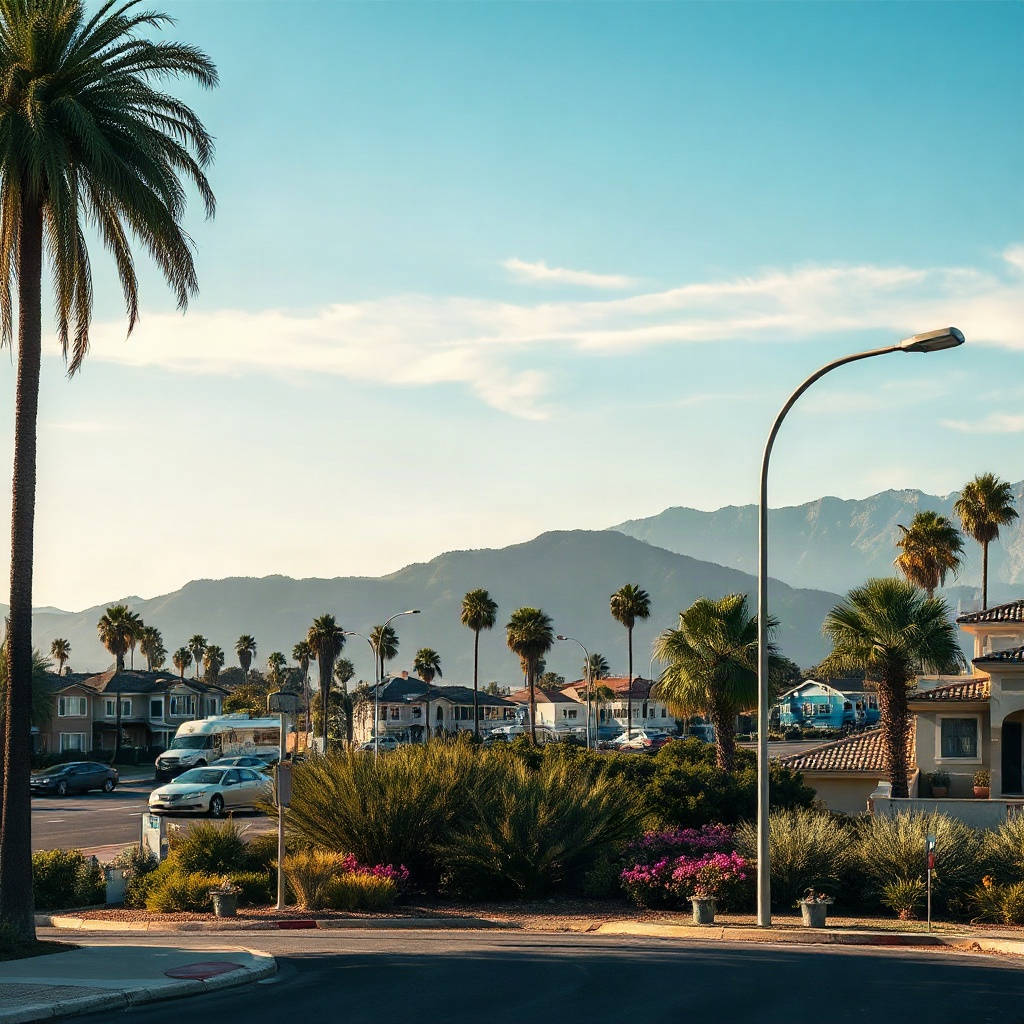
For visitors and locals alike, the challenge and pleasure of Malibu is enjoying its natural beauty while helping protect it—so you can experience iconic spots without compromising the environment that makes them special.
What to see and do
– Surf and watch surf: World-class breaks draw surfers and spectators. Early mornings offer cleaner waves and smaller crowds; Surfrider Beach is famous for long right-hand point breaks that are great for longboarding.
– Beaches for every mood: Zuma Beach is wide and family-friendly with lifeguard coverage and ample space for sunbathing and volleyball.
For dramatic coastal scenery and tide pools, try El Matador State Beach or Point Dume; the coastal bluffs there provide excellent vantage points for seasonal whale watching.
– Trails and parks: Malibu Creek State Park and nearby canyons offer hikes through oak woodlands, rock formations, and seasonal streams. Trails range from easy nature walks to more strenuous climbs—pack water and sunscreen and stay on marked paths.
– Culture and history: The coast hosts classical collections, local galleries, and historic sites. The Malibu Pier is a classic spot for a stroll, fishing, or catching a sunrise over the Pacific; nearby museums reward advance planning with timed-entry reservations.
Conservation and coastal challenges
Malibu’s scenery faces ongoing pressures: coastal erosion, increasing storm intensity, periodic wildfire, and development close to the shore.
Local organizations and agencies have been active in dune and wetland restoration programs—restoring the Malibu Lagoon and planting native coastal species to improve habitat for migratory birds and marine life. Homeowners, businesses, and visitors play a role by supporting managed restoration projects and following posted guidelines around sensitive dune and marsh areas.
Wildfire resilience and native landscaping have become priorities for the community. Fire-safe landscaping, defensible space around structures, and community fuel-reduction programs help reduce risk while preserving native plants that support local wildlife.
Sustainable visiting tips
– Check local advisories: Water quality and beach access can change after heavy rains or due to seasonal restrictions—verify conditions before you go.
– Arrive early or visit weekdays: Popular beaches and parking lots fill quickly; mornings are quieter and more wildlife-friendly.
– Leave no trace: Pack out trash, avoid trampling dune vegetation, and follow posted path and wildlife-protection signs.
– Use reef-safe sunscreen and avoid pouring anything down storm drains: Small actions help reduce harmful runoff to the ocean.
– Respect wildlife and nesting areas: Keep distance from shorebirds and marine mammals, and keep dogs leashed where required.
Safety first
Rip currents can be strong along parts of the coast—swim only where lifeguards are on duty and pay attention to posted warnings. Trails can be exposed and hot; carry water, a hat, and sturdy shoes. If you plan to climb cliffs or explore tide pools, be mindful of tides and slippery rocks.
Whether you’re chasing waves, exploring coastal trails, or enjoying a quiet morning on the pier, Malibu rewards visitors who come prepared and leave it as they found it. Supporting local conservation efforts—through donations, volunteerism, or simply following guidelines—helps ensure the shoreline and its ecosystems remain vibrant and accessible for everyone. Check official park and municipal resources before visiting for the latest access and safety information.