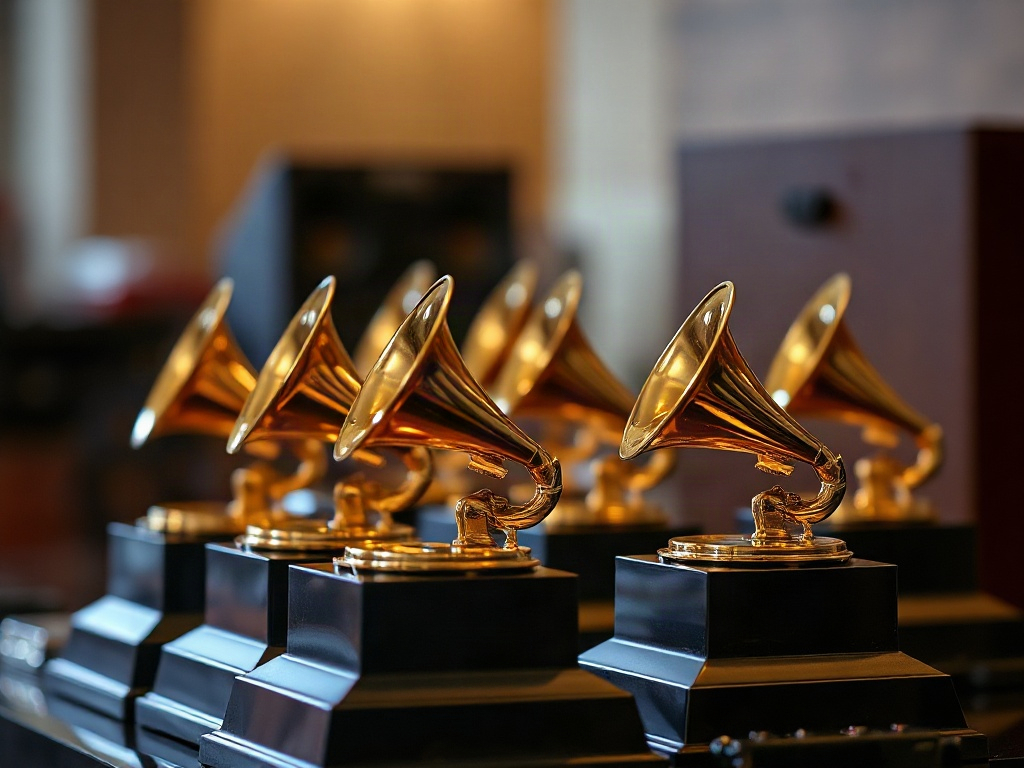
The Grammys remain the music industry’s most watched and debated awards, combining prestige, fashion and high-stakes performance moments.
While the ceremony rewards recorded excellence, the modern Grammys are also a mirror of how music is made, shared and consumed—shaped by streaming, social media, and a growing global soundscape.
How the Grammys work (briefly)
Artists, labels and independent creators submit recordings for consideration across dozens of categories. Recording Academy voting members—professionals with credits in the music industry—vote in genre-specific fields and for general categories like Album, Record and Song of the Year. A final voting round determines winners from nominated entries. Recent shifts have focused on improving transparency and expanding representation across genres and geographies.
Trends reshaping the awards
– Streaming and playlist culture: Streaming numbers and playlist placements now influence visibility and campaigning, though the awards prioritize artistic achievement and peer evaluation. Viral tracks on short-form platforms often break through to nominations, blurring the line between traditional radio hits and digital sensations.
– Genre fluidity: Artists frequently blend styles—hip-hop, pop, country, R&B, and electronic elements mix on mainstream releases—challenging rigid category definitions and prompting category updates and cross-genre nominations.
– Global music integration: There’s growing recognition of non-English and international music. Global categories and nominations that spotlight regional styles reflect music’s borderless reach and elevate artists who previously operated outside mainstream western coverage.
– Social and industry accountability: Conversations about diversity, representation and voting procedures have nudged the Recording Academy toward broader inclusion among voters and nominees. That trend is affecting nominations and the kinds of music that receive spotlighted recognition.
– Live performance importance: Grammy performances remain cultural moments that can redefine a career overnight. Artists and producers design shows to create viral moments—unexpected collaborations, highly produced sets and politically charged statements all amplify attention beyond the broadcast.
What artists and teams focus on
Campaigns aim to ensure a recording reaches voters’ ears. Tactics include targeted listening sessions, curated press and editorial outreach, strategic release timing, and visibility through television performances and festival appearances. Even independent artists can boost recognition via strong metadata, playlisting traction and industry networking.
What fans should watch for
– Surprise collaborations and live debuts: These often dominate headlines and streaming spikes.
– Breakout nominees: Newcomers who score nominations in major categories sometimes see dramatic career acceleration.
– Category updates: Watch for shifts that broaden eligibility, highlight regional genres or adapt to how people consume music.
– Red carpet and fashion: The Grammys remain a showcase for designers and stylist-driven moments that generate social conversation.
Critiques and conversations to follow
Debate continues about commercial influence versus peer recognition, the role of committees in final nominations, and how well the awards reflect listening habits across diverse audiences. These discussions drive ongoing adjustments to rules and outreach, with the aim of keeping the awards relevant to both industry insiders and music fans.
How to engage
Stream nominated albums and songs, follow nominees and performers on social channels, and tune into pre-show coverage to catch interviews and red-carpet commentary. For listeners interested in industry dynamics, tracking nomination announcements and category changes offers insight into where music culture is heading.
The Grammys are more than a trophy night; they’re a snapshot of an evolving industry. As music continues to diversify and distribution channels change, the awards will likely keep adapting—highlighting landmark releases while sparking the conversations that shape what listeners hear next.