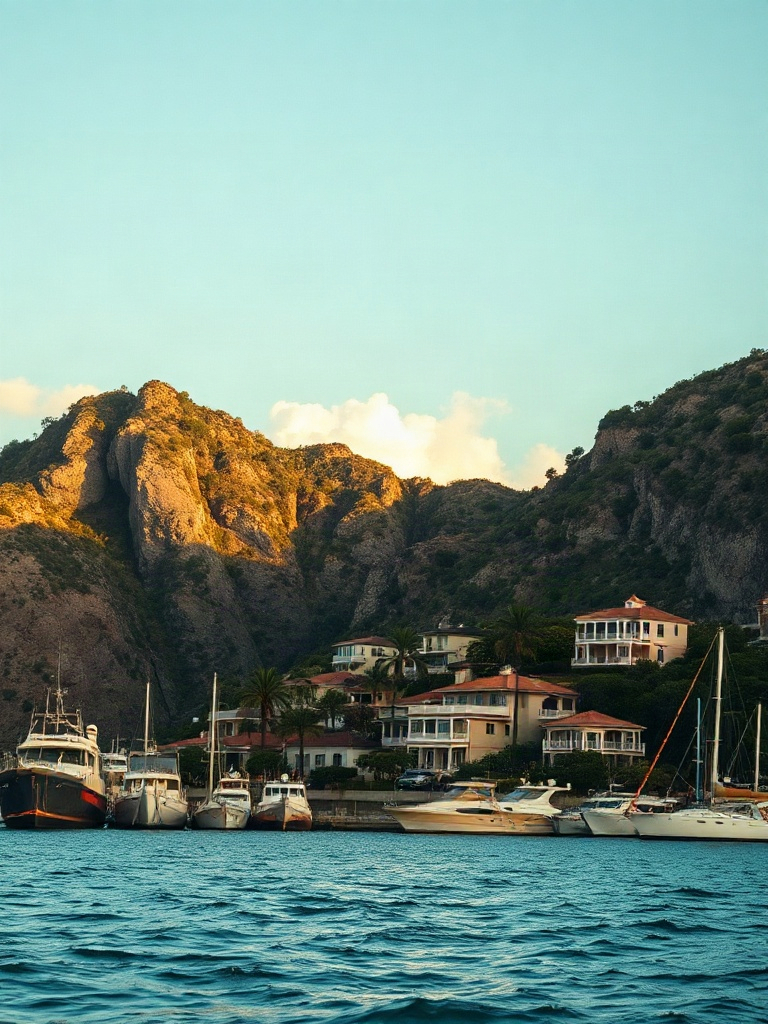
Malibu is the picture many people imagine when they think of Southern California coast: dramatic cliffs, long sandy beaches, iconic surf breaks and a lifestyle that balances laid-back beach culture with upscale privacy. Whether you’re drawn by waves, hiking trails, or seaside dining, Malibu offers an accessible slice of coastal nature bundled with cultural cachet.
Beaches and surfing
Malibu’s beaches are its headline act. Long stretches like Zuma and El Matador attract sunbathers and photographers, while the point breaks around Malibu Pier deliver world-class surf for riders who appreciate long, peeling waves. Early mornings reward visitors with glassy conditions and fewer crowds; afternoons can bring onshore breezes. Tide pools and sheltered coves near headlands provide family‑friendly exploration when tides are low. Always check local water-quality advisories before swimming and follow posted safety signs.
Trails and outdoor activities
The Santa Monica Mountains that frame Malibu are threaded with trails suitable for all levels. Short coastal bluffs offer panoramic ocean views, while longer routes wind through chaparral, oak woodland and creek canyons. Malibu Creek State Park and Point Dume Natural Preserve are excellent for birdwatching, rock outcrops and photography. Kayaking, paddleboarding and whale-watching outings from protected coves add another layer of outdoor adventure. Pack water, sun protection and sturdy footwear, and practice leave-no-trace principles to keep trails healthy.
Conservation and community
Malibu has a strong conservation ethos: local groups, residents and public agencies collaborate on dune restoration, water-quality projects and habitat protection for native plants and marine life. Community-led beach cleanups and volunteer monitoring programs help keep shorelines resilient. When visiting, follow stewardship guidance—use designated paths to avoid trampling native vegetation, carry out trash, and avoid disturbing wildlife.
Culture and dining
Beyond nature, Malibu blends small-town arts and upscale dining.
Boutique shopping clusters and art galleries showcase local makers, while beachfront cafes and restaurants serve fresh seafood alongside casual beach fare. The area’s creative and celebrity communities influence cultural offerings, yet there’s still a welcoming local scene: farmers markets, surf competitions and music events make for lively, low-key experiences.
Access and etiquette
Malibu’s appeal sometimes clashes with limited public parking and private coastal properties. Public access points are concentrated at well-known beaches and parks; it’s wise to plan ahead for parking and permit requirements. Respect private property lines, and use public walkways and access ways provided by the city and state. Popular spots can fill quickly on weekends and holidays—visiting earlier or midweek provides a calmer experience.
Safety and preparedness
Coastal cliffs and rip currents demand attention. Observe lifeguard flags, swim near staffed beaches, and avoid cliff edges after rain when ground can be unstable. Fire risk in the surrounding mountains influences trail closures and local advisories, so check current alerts before heading out. For ocean activities, local outfitters provide gear and guided tours that increase safety and deepen appreciation for the coastline.
Why Malibu matters
Malibu remains a potent symbol of coastal living: a convergence of natural beauty, surf heritage and community stewardship. Visitors who prioritize respect—for the environment, for private spaces and for local norms—will find a rewarding mix of recreation, scenery and refinement. Pack lightly, leave footprints only where allowed, and take time to enjoy the subtleties: the interplay of light on the water, the rhythm of the surf and the scent of sage on a coastal breeze.