Bel Air is one of Los Angeles’s most iconic neighborhoods, known for winding, tree-lined streets, sweeping canyon views, and a mix of architectural styles that range from classic Mediterranean villas to cutting-edge modern mansions. Tucked into the hills of the Westside, it offers a rare combination of privacy and proximity: quiet residential enclaves sit just minutes from cultural institutions, boutique shopping, and university life.
What defines Bel Air
Bel Air’s character is shaped by its topography.
Narrow, curving roads and steep ridgelines produce homes that feel tucked away, often with dramatic setbacks, olive groves, and lush landscaping.
Many properties emphasize seclusion—long driveways, mature hedges, and gated entrances are common—making the neighborhood attractive to people seeking discretion and a tranquil living environment without sacrificing access to the city’s amenities.
Architecture and property trends
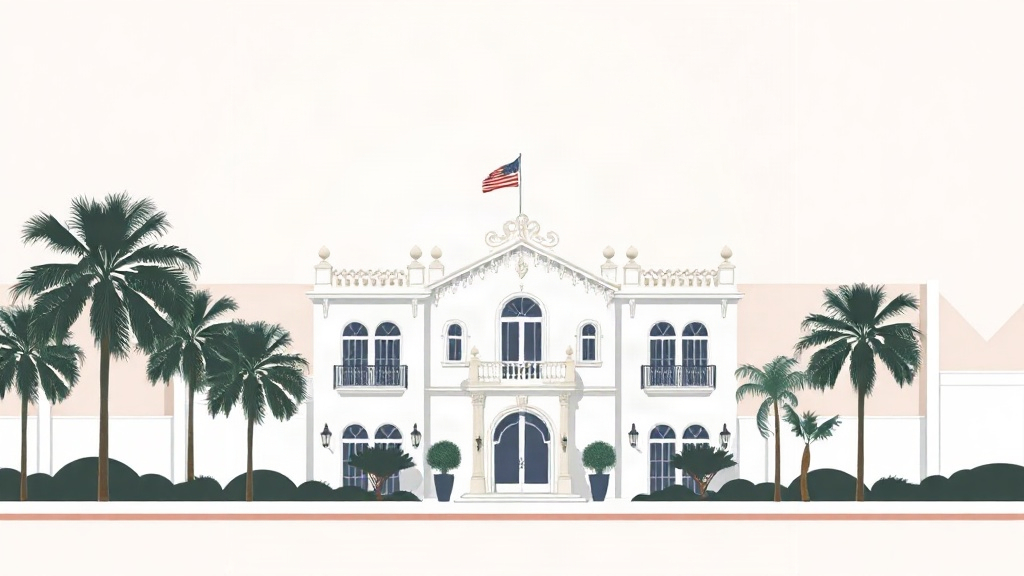
Architectural diversity is a hallmark.
Traditional Spanish and Mediterranean designs coexist with minimalist, glass-and-steel contemporary homes.
Renovation is frequent; older estates are updated with modern systems, wellness spaces, and indoor-outdoor living that capitalizes on Southern California’s climate. For buyers, key priorities often include views, privacy, and outdoor amenities like pools, gardens, and guest houses.
Lifestyle and amenities
Daily life in Bel Air leans residential rather than commercial.
There are few retail corridors inside the neighborhood itself, so residents typically head to nearby Brentwood, Westwood, or Beverly Hills for dining, shopping, and entertainment.
The neighborhood’s location makes cultural outings easy—museums, theaters, and university campuses are within a short drive.
Outdoor opportunities are abundant. Scenic drives along Mulholland and canyon trails offer hiking and mountain biking close to home.
Several green spaces and reservoirs nearby provide calmer outdoor escapes for walks and birdwatching.
Community and safety
Community associations and local civic groups are active, with a focus on preserving the neighborhood’s character and managing traffic and construction impacts.
Security is a priority for many residents, and the low density paired with private roadways contributes to a sense of safety. Public services from the city are readily available, but many luxury properties also invest in private security and smart-home monitoring.
Real estate considerations
Bel Air’s market is shaped by scarcity—there are relatively few developable lots, and estates that combine flat usable land with privacy and views are especially prized. Prospective buyers should be prepared for a competitive landscape and conduct thorough due diligence on hillside stability, drainage, and permitting constraints.
Working with local agents who understand the nuances of the neighborhood, local zoning, and historic preservation guidelines pays off.
Visitor tips
Bel Air is primarily residential, so visitors should plan activities at nearby cultural sites or restaurants rather than expecting a typical downtown neighborhood experience.
Drive slowly and respect private property—many roads lead to private estates.
For scenic viewpoints, public overlooks on Mulholland or nearby parks offer the best photo opportunities without intruding on residents’ privacy.
Why Bel Air matters
Bel Air represents a particular slice of Los Angeles lifestyle: quiet luxury, emphasis on privacy, and a close relationship to the hills that frame the city.
It continues to attract people who value design-forward homes, outdoor living, and a residential environment that still keeps the city’s attractions within reach. Whether considering a move or simply exploring, Bel Air rewards visitors with a sense of refined seclusion and some of the most striking residential architecture in the region.